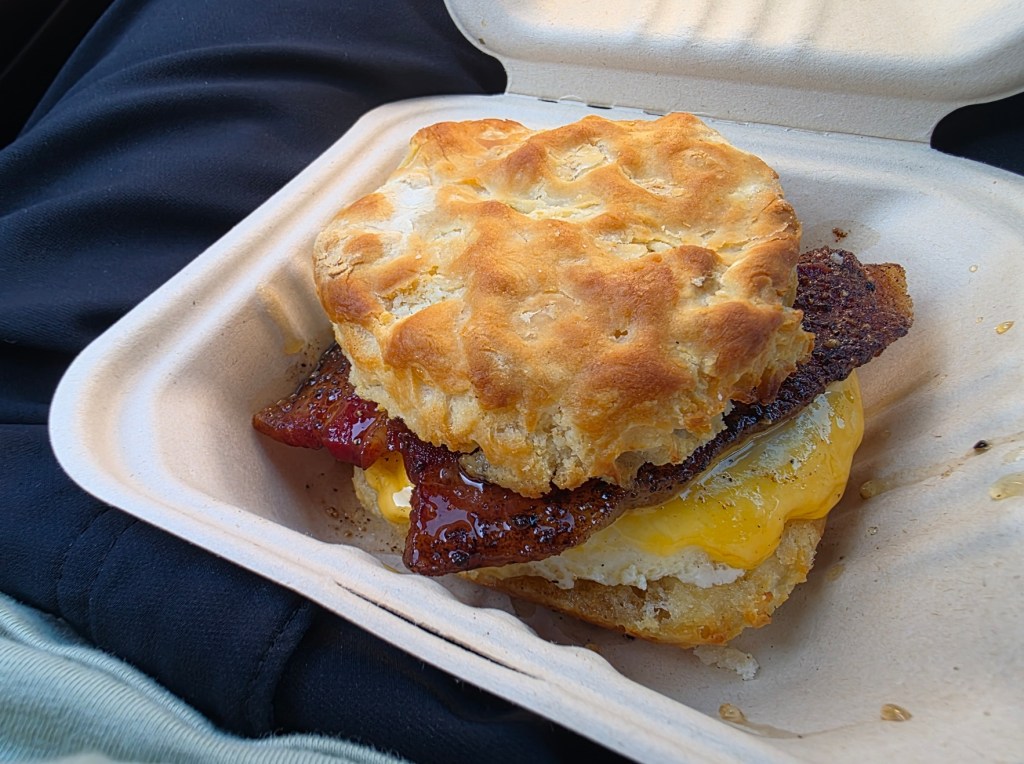
We started early, driving out of Providence toward Mystic, Connecticut, but not before a quick stop at a famous biscuit breakfast spot on the way out of town. Verdict: it was fine. Definitely not living up to the hype, though I’ll fully admit I am not a professional biscuit critic. My credentials in this field are limited.
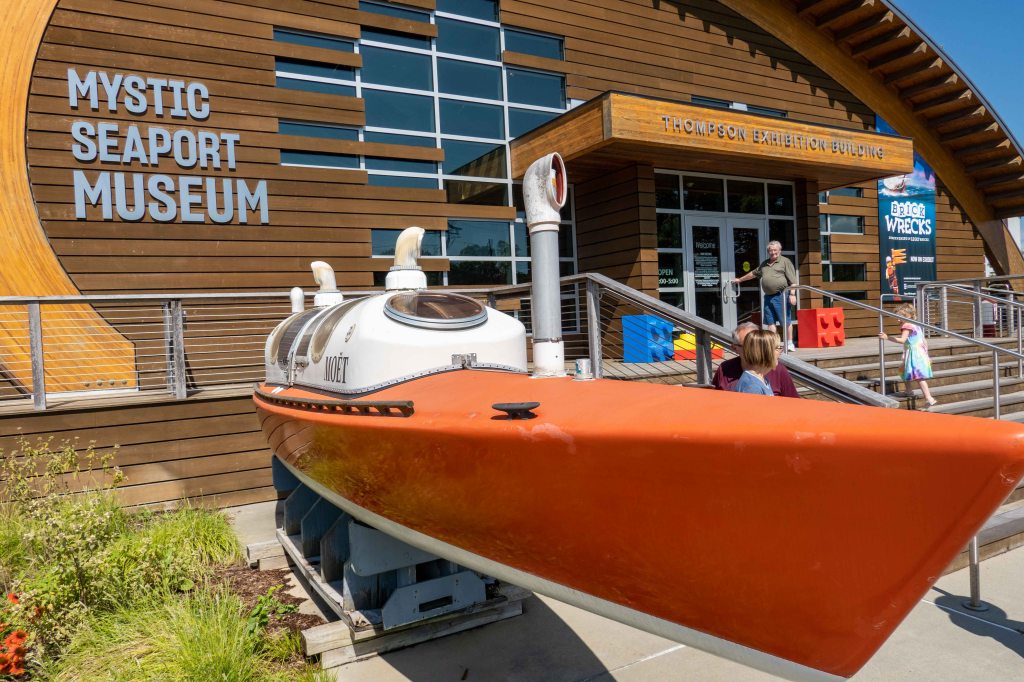
The drive took just over an hour, and we headed straight for the Mystic Seaport Museum, not entirely sure what to expect, just knowing it was a recommended must-do stop. It turned out to be absolutely amazing, the kind of place where you could easily lose an entire day. Let me walk you through what we found.
Whales, Scratches, and Legos
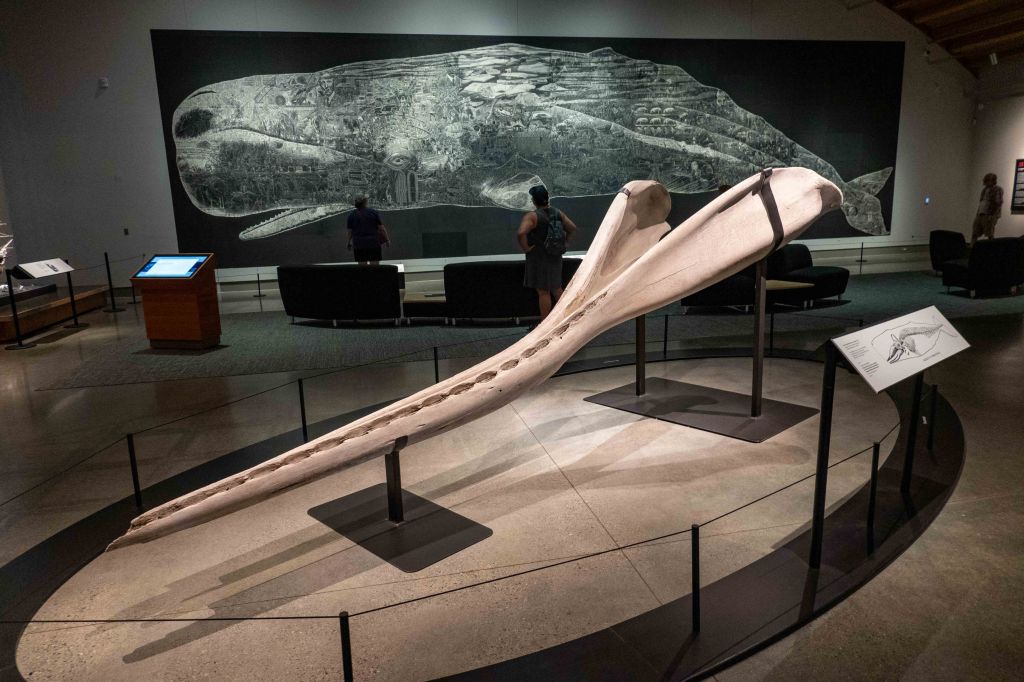
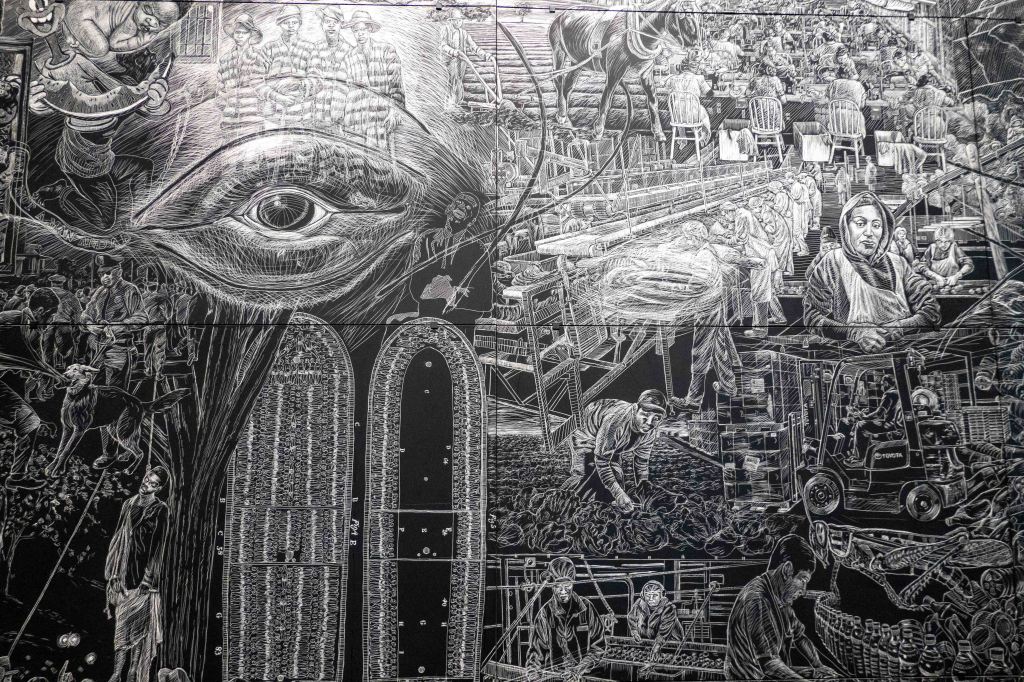
We started in a whale exhibit that included some genuinely stunning art created using scrimshaw, the traditional sailor’s craft of engraving intricate designs into whalebone or ivory using nothing but a sharp point, essentially detailed art made from tiny scratches. Whaling crews on multi-year voyages had a lot of downtime between hunts, and scrimshaw became their way of turning boredom (and leftover whale material) into something beautiful. They had a massive whale art on the back also made with scratches ony (you see the second photo’s details? yes, those are only scratches on a black background).
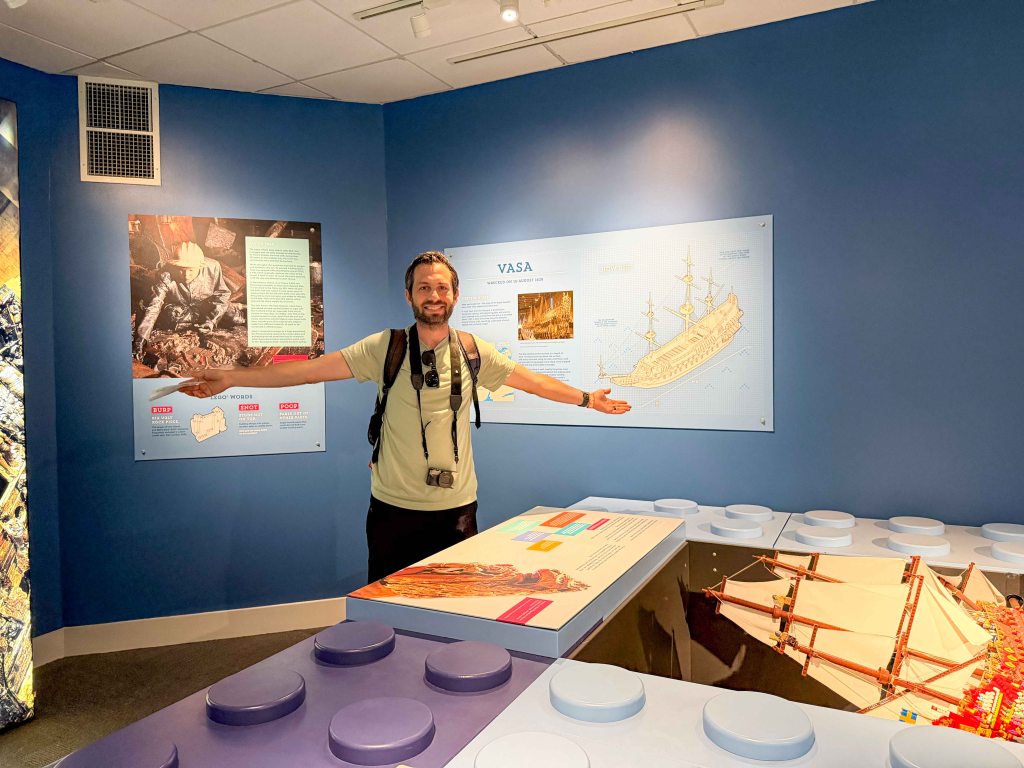
The museum also had a temporary exhibit of scale Lego ship models of famous vessels throughout history, including a model of the Vasa, the ill-fated 17th-century Swedish warship that famously sank on its maiden voyage in Stockholm harbor in 1628 after sailing less than a mile. We actually visited the real Vasa Museum in Sweden on a previous trip, and it remains one of Eitan’s top three museums ever. Seeing its miniature Lego counterpart here felt like running into an old friend.
Stepping Aboard the Charles W. Morgan
The next stop was the museum’s crown jewel: the Charles W. Morgan, a genuine 19th-century whaling ship you’re free to explore in depth. This ship is a legitimate legend. Launched in 1841 in New Bedford, Massachusetts, she is the world’s oldest surviving merchant vessel and the last wooden whaling ship left from a once-massive American fleet of roughly 2,700 vessels.
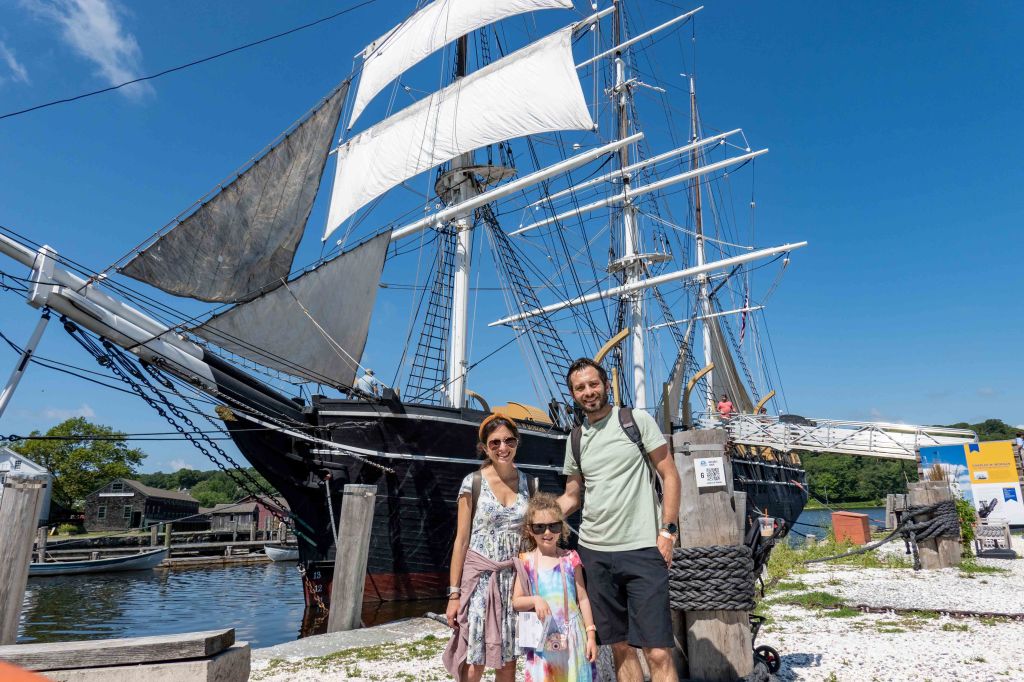
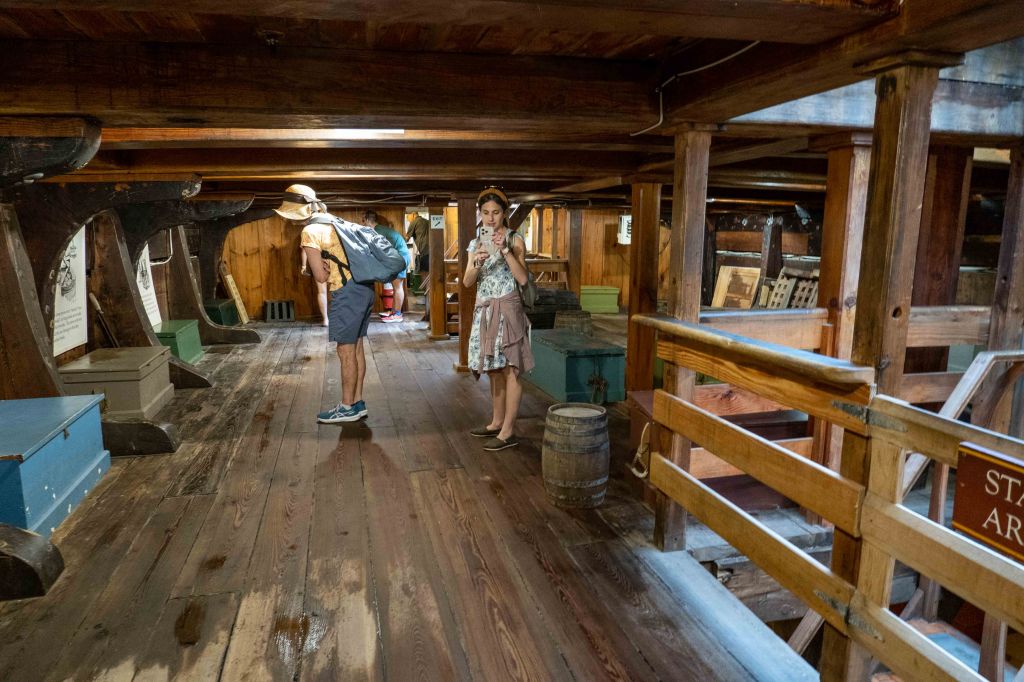
Over an 80-year career, she completed 37 whaling voyages, some lasting three or more years at a stretch, surviving Arctic ice, ferocious storms, and rounding the notoriously brutal Cape Horn. Sailors nicknamed her a “lucky ship,” and after retiring from whaling in 1921 and later arriving at Mystic Seaport in 1941, she’s welcomed more than 20 million visitors across her decks since.
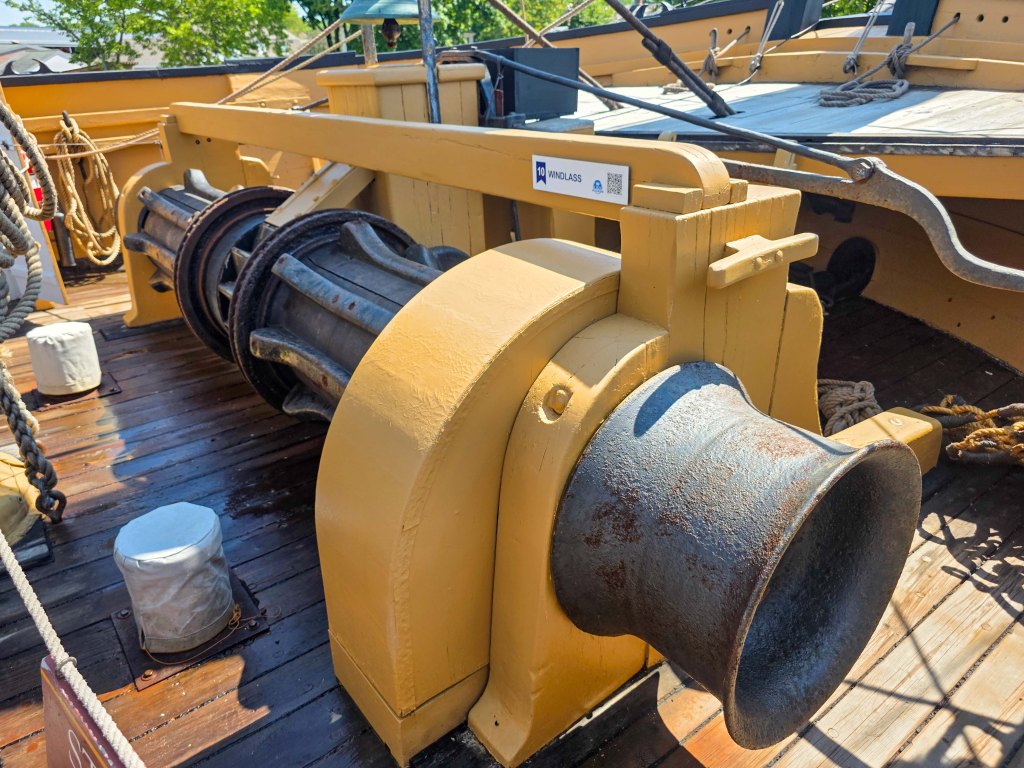
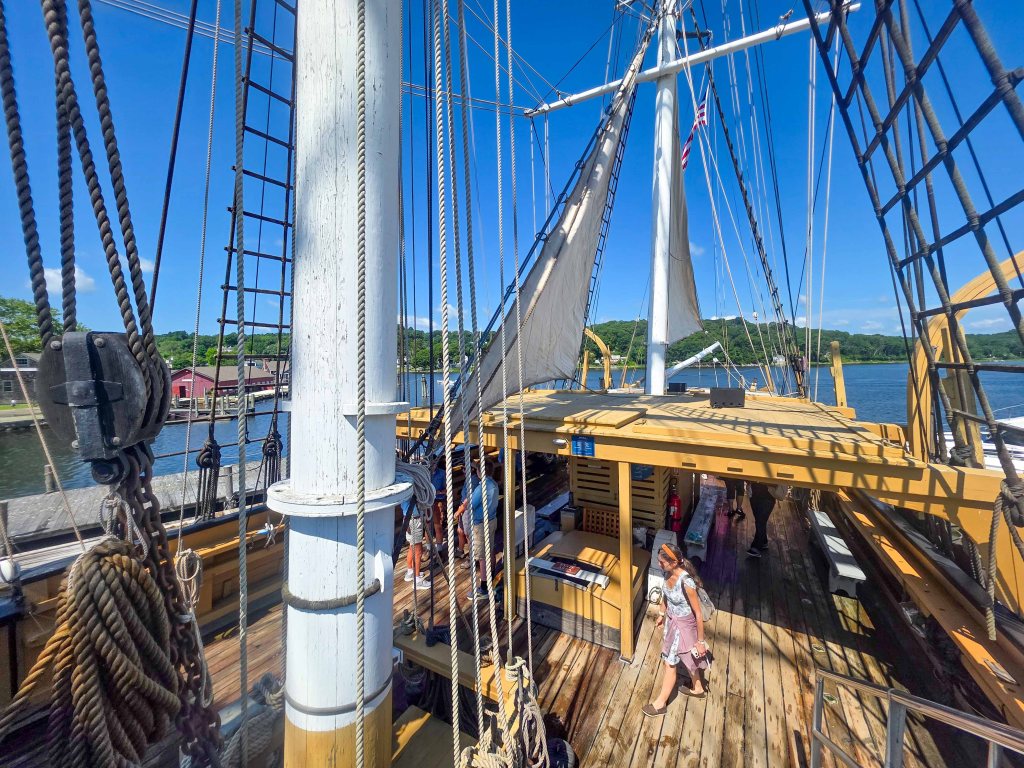
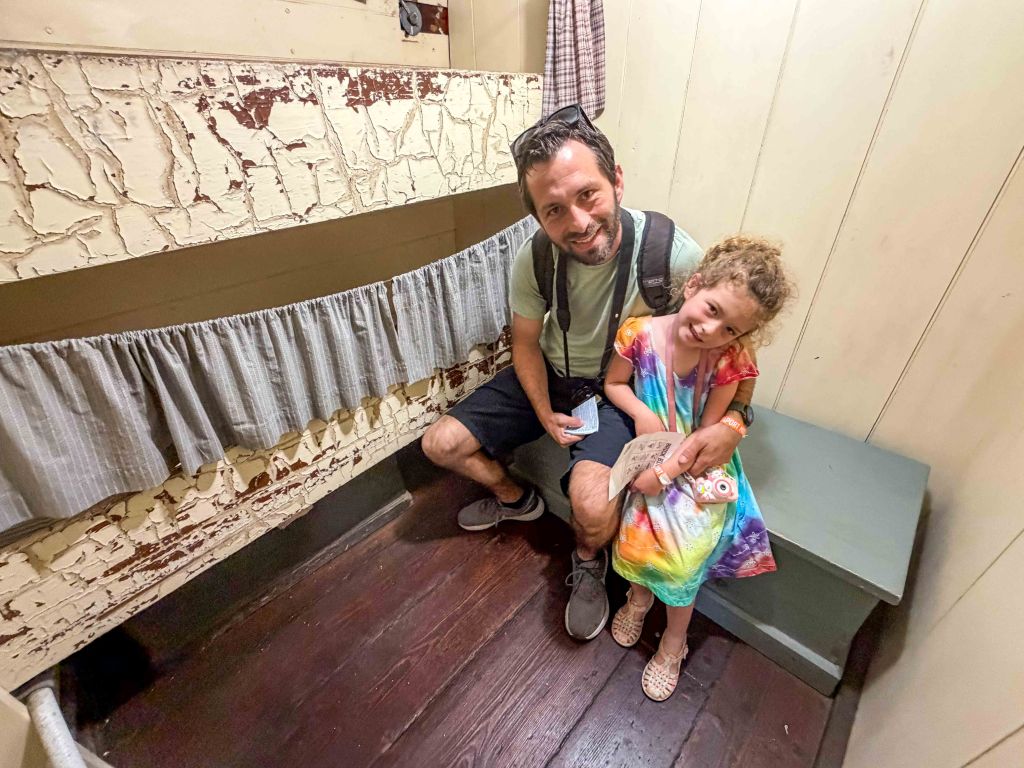
We explored everything: the cramped berths where the crew slept, and the section of the ship dedicated to processing whale fat into oil, which must have been an unbelievably smelly, greasy job.
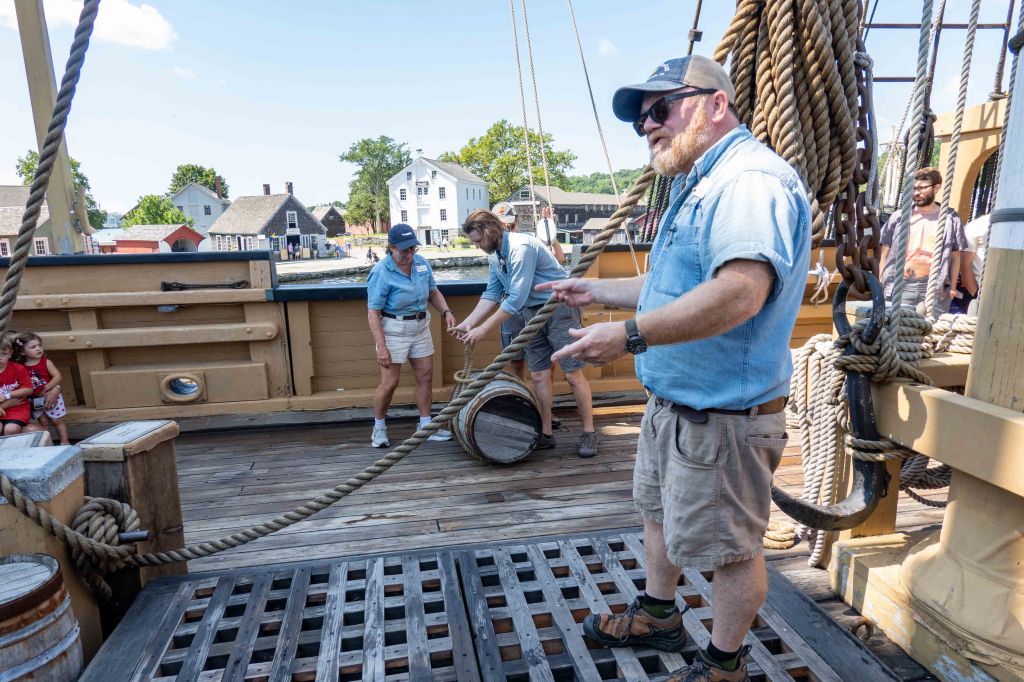
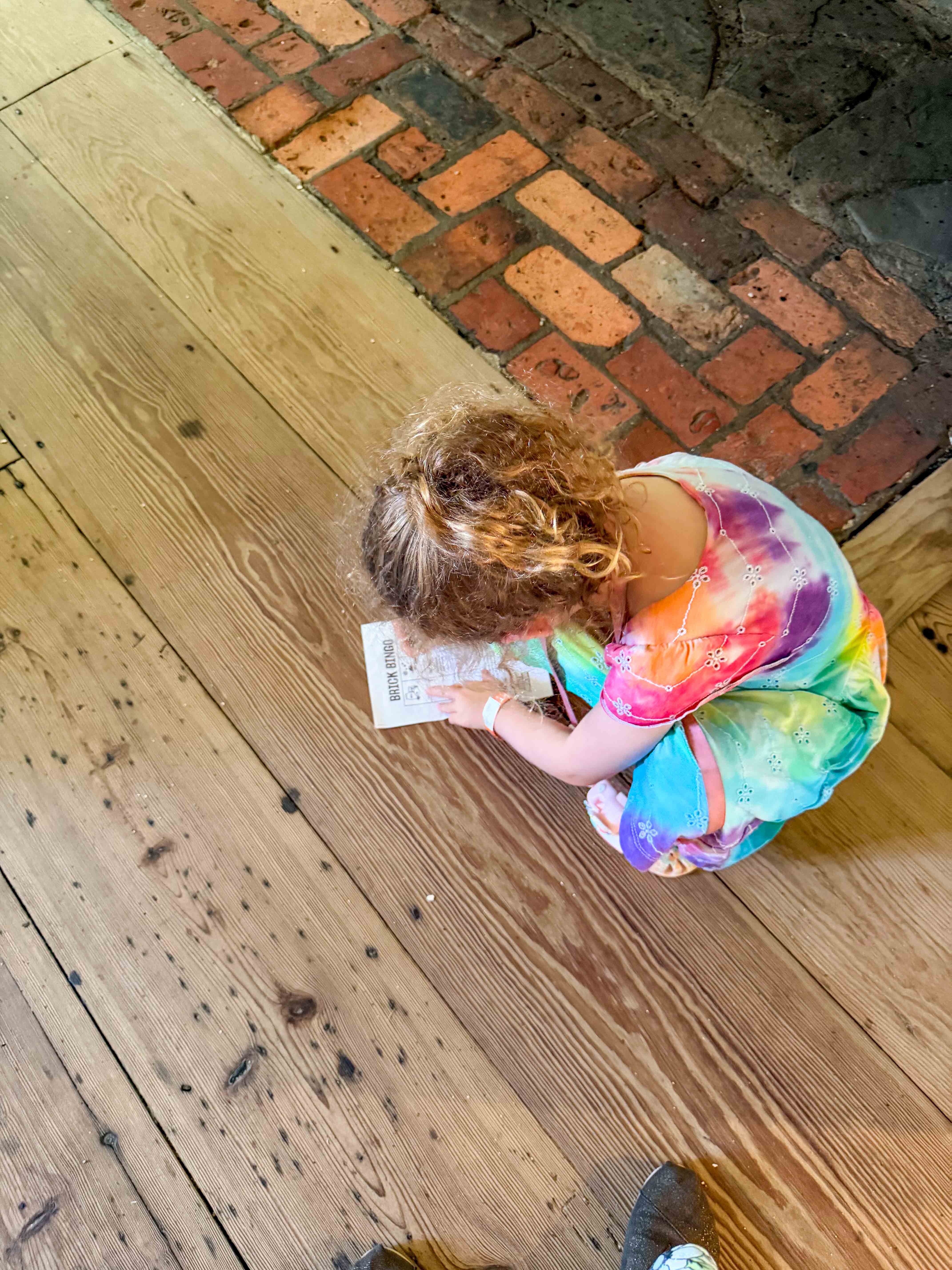
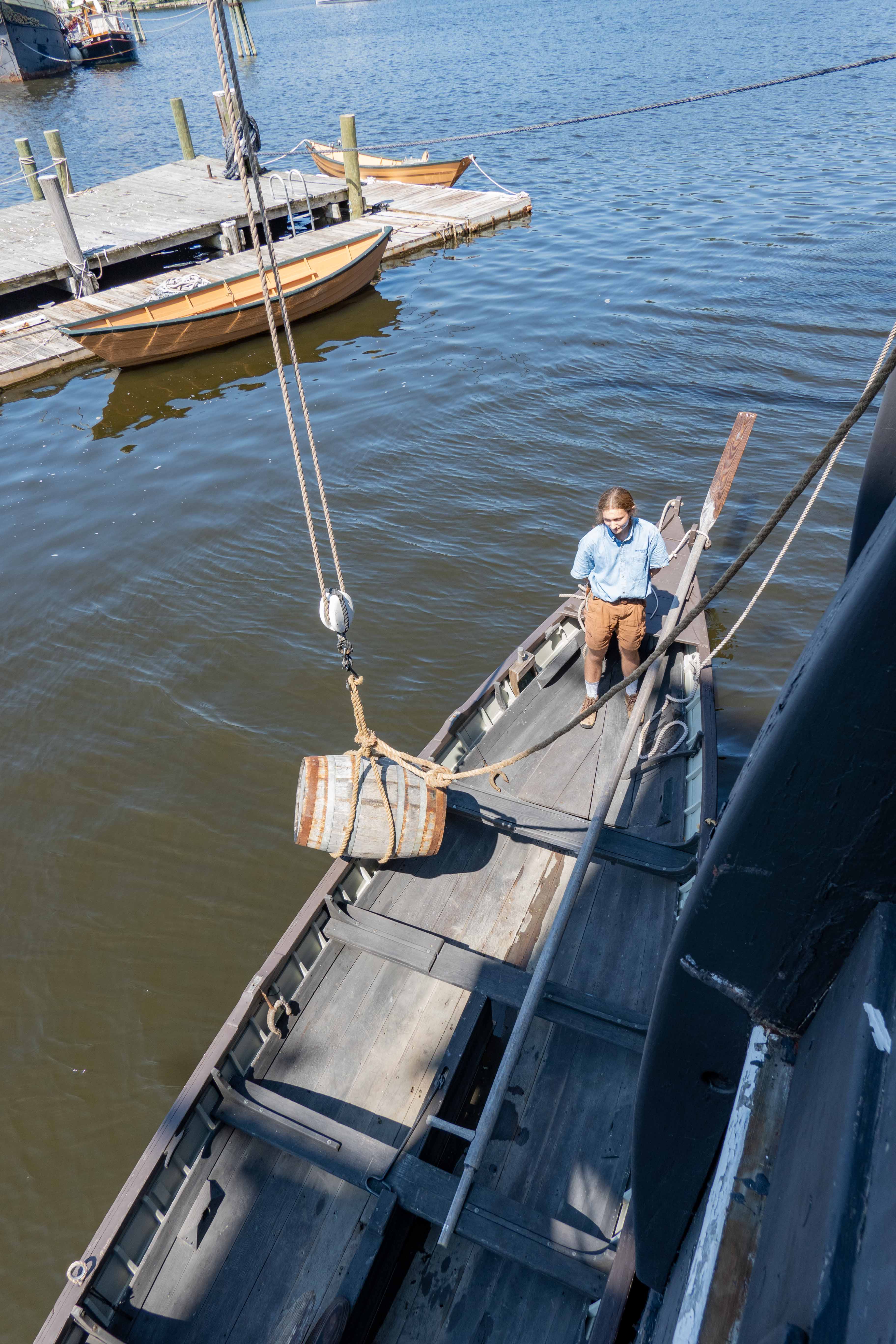
The museum staff ran an excellent live demonstration of shipboard operations, including how cargo was lowered on and off the vessel using period-accurate pulley systems. Meanwhile, Ariela was fully locked in on completing her museum scavenger hunt, with the objective to find mini Lego figures hidden, with clues scattered throughout the grounds keeping her engaged the entire visit.
A Village Frozen in Time
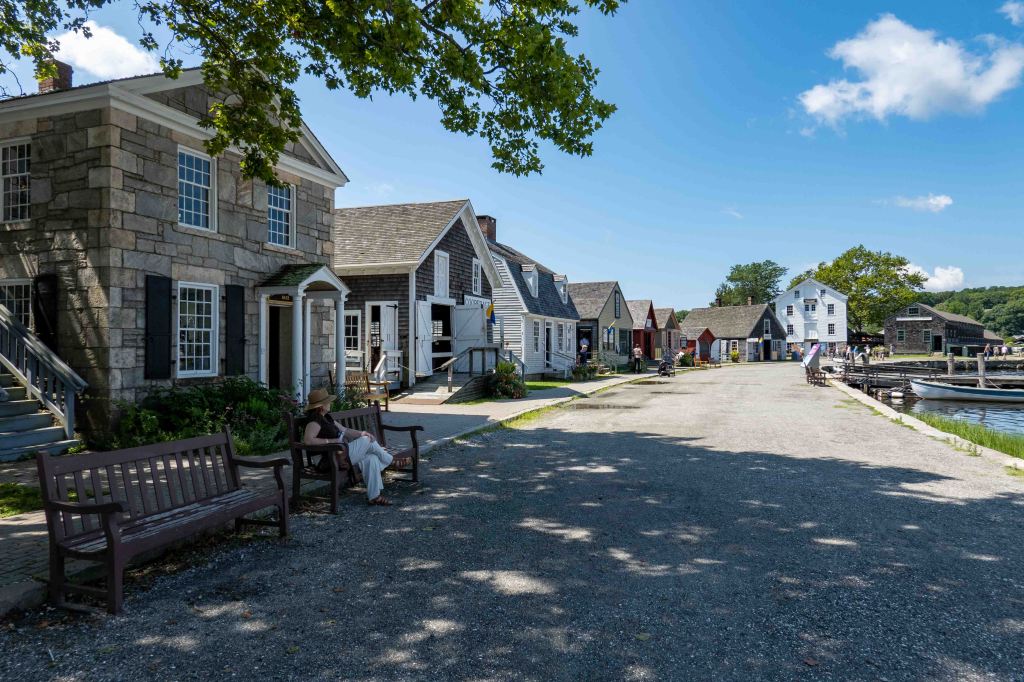
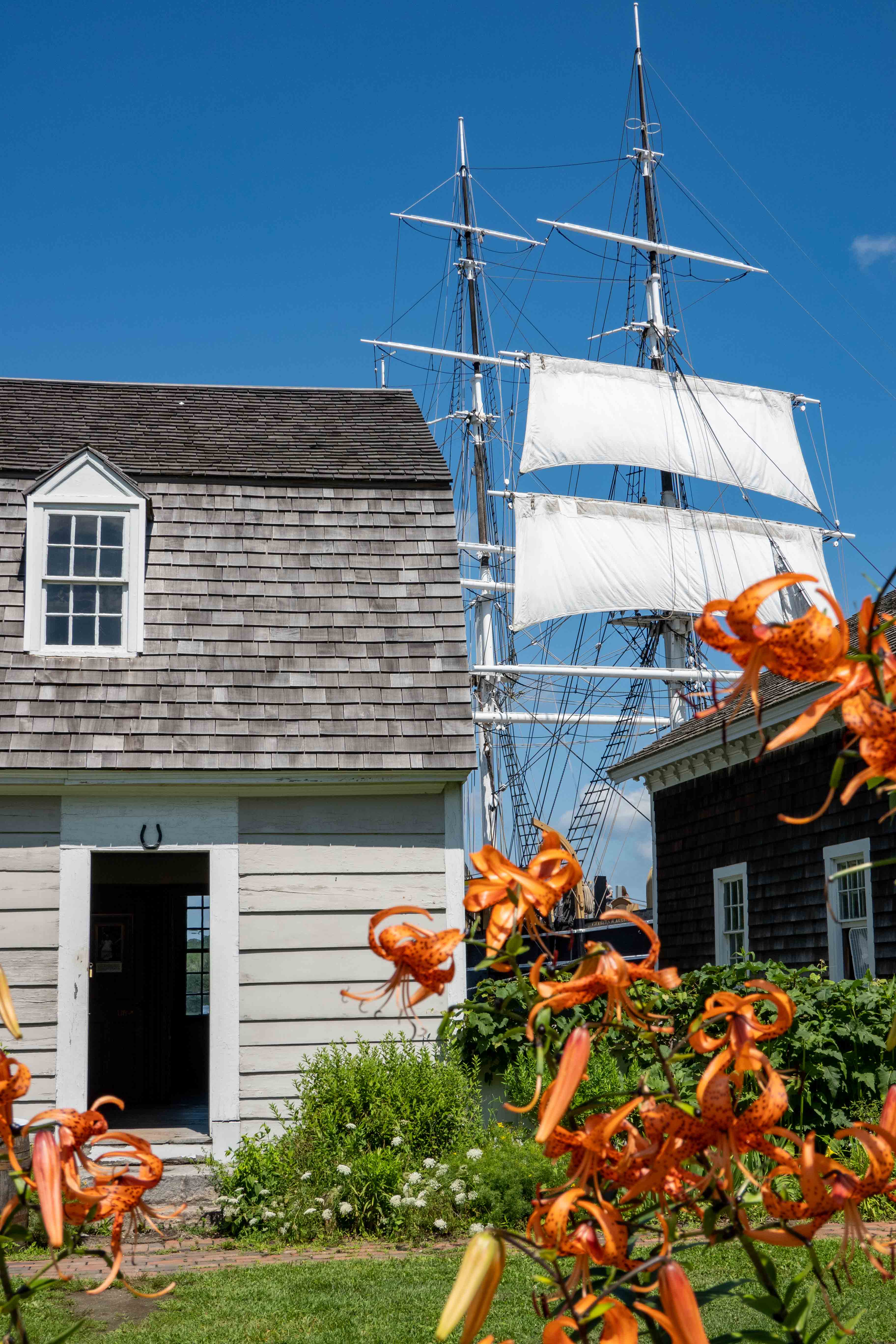
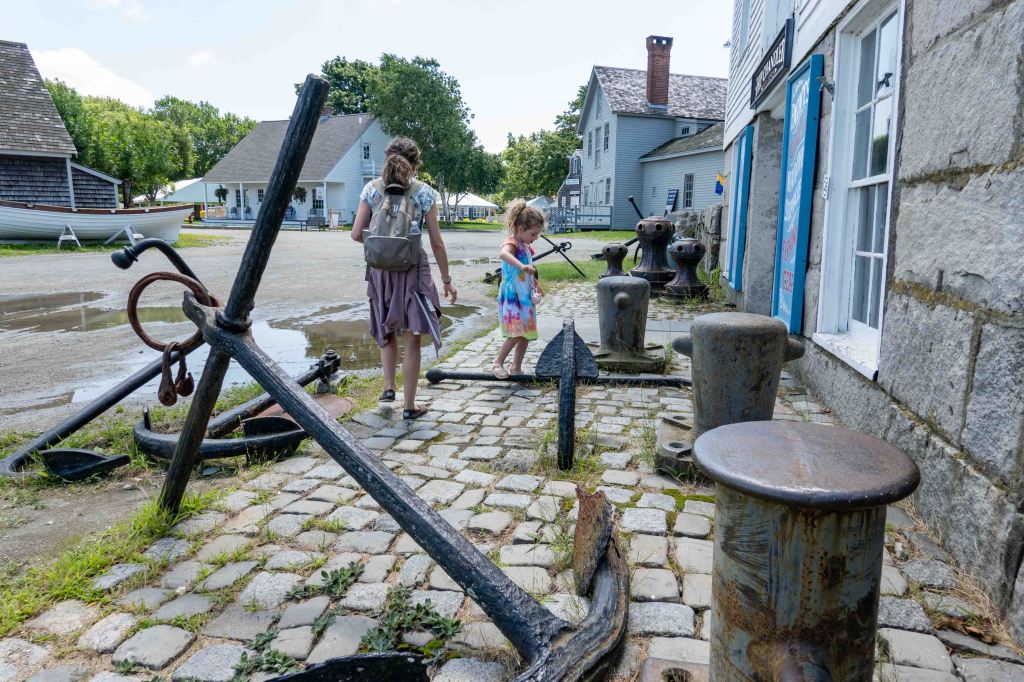
The next section of the museum is essentially a recreated 19th-century seafaring village: dozens of small buildings, each dedicated to a different trade or craft, built to match the era when this site was an actual working shipyard.
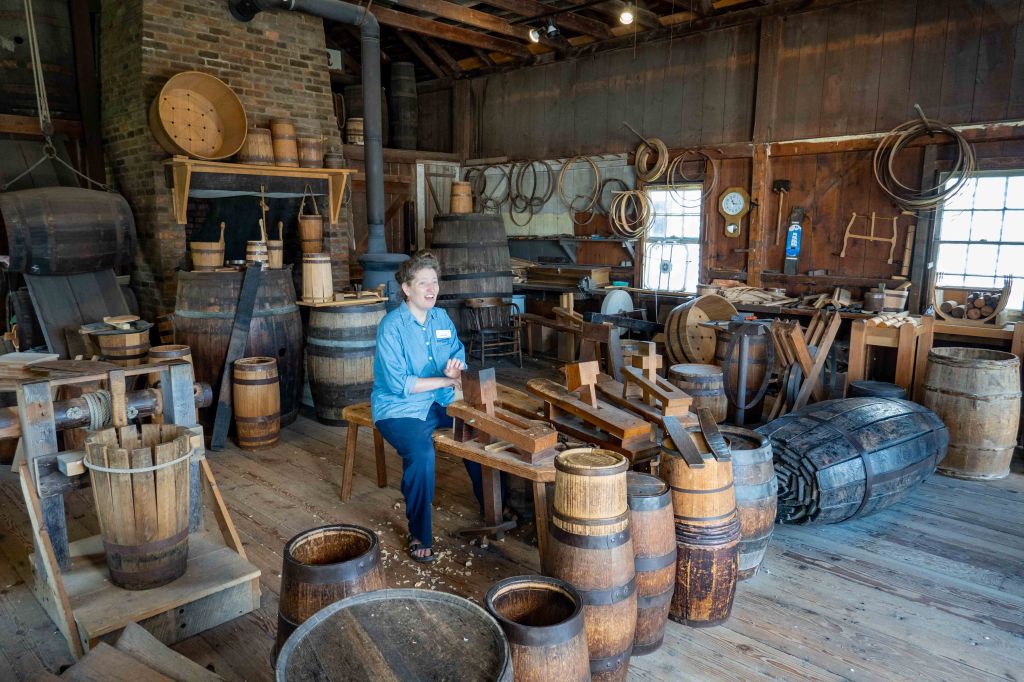
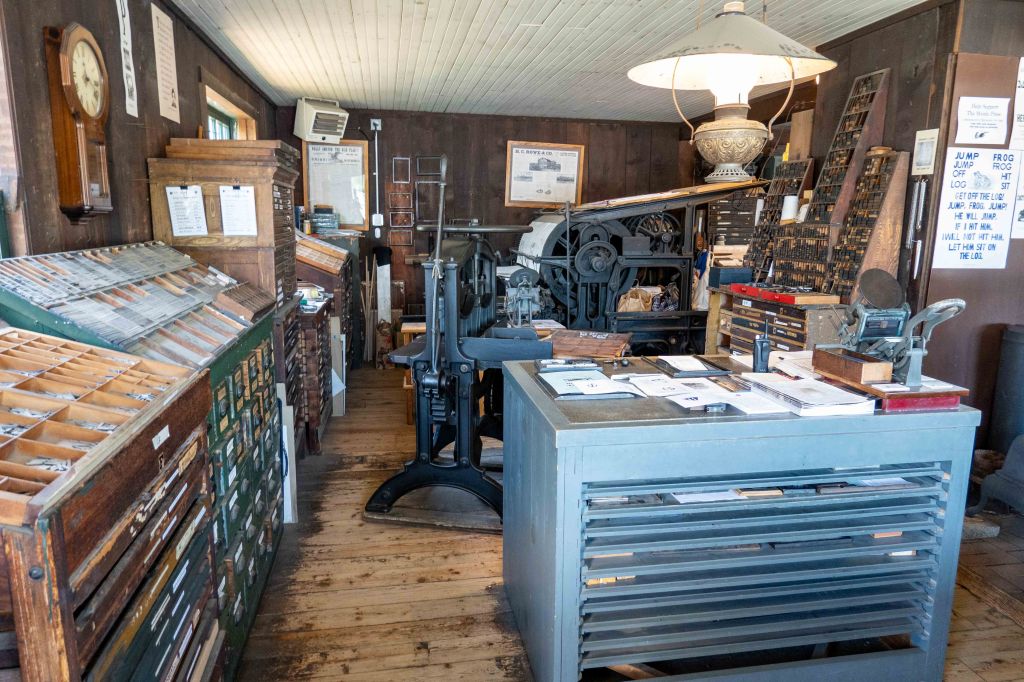
Some of our favorites included the old-fashioned pharmacy, and the barrel factory, which had a genuinely clever detail: barrels were shipped unassembled in flat “kit” form to save cargo space, with a cooper stationed aboard whose entire job was assembling them fresh when needed. Space efficiency, 19th-century style.
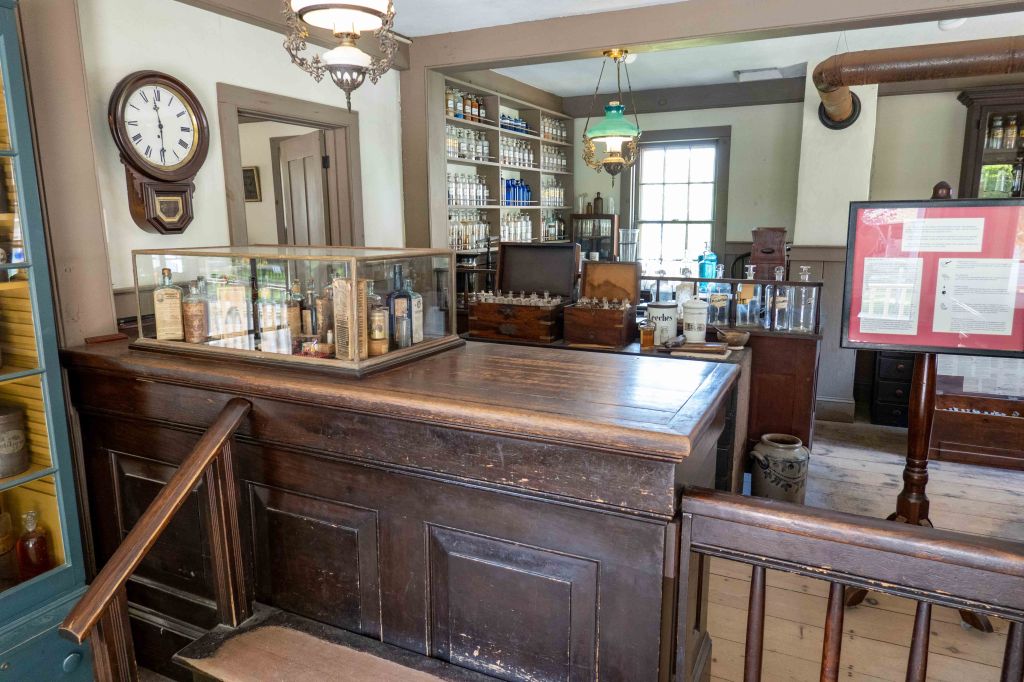
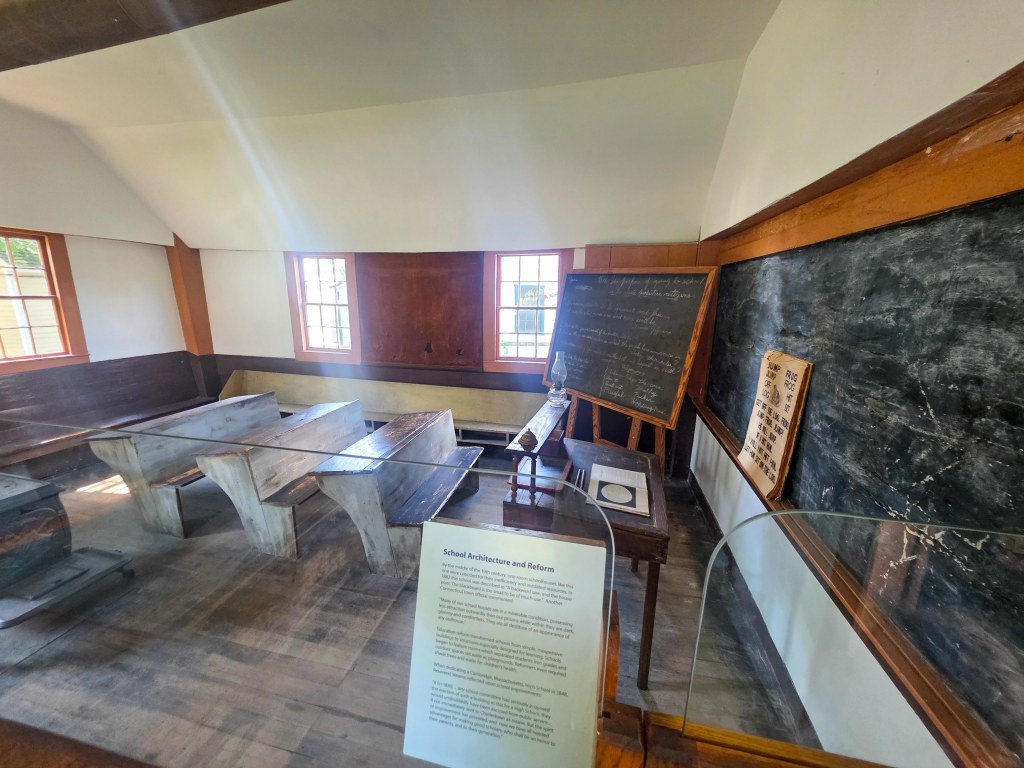
We also passed through a working rope factory, a sail-making shop, and an old-timey convenience store, each staffed with knowledgeable folks in character giving thorough, engaging explanations of how these trades actually worked.
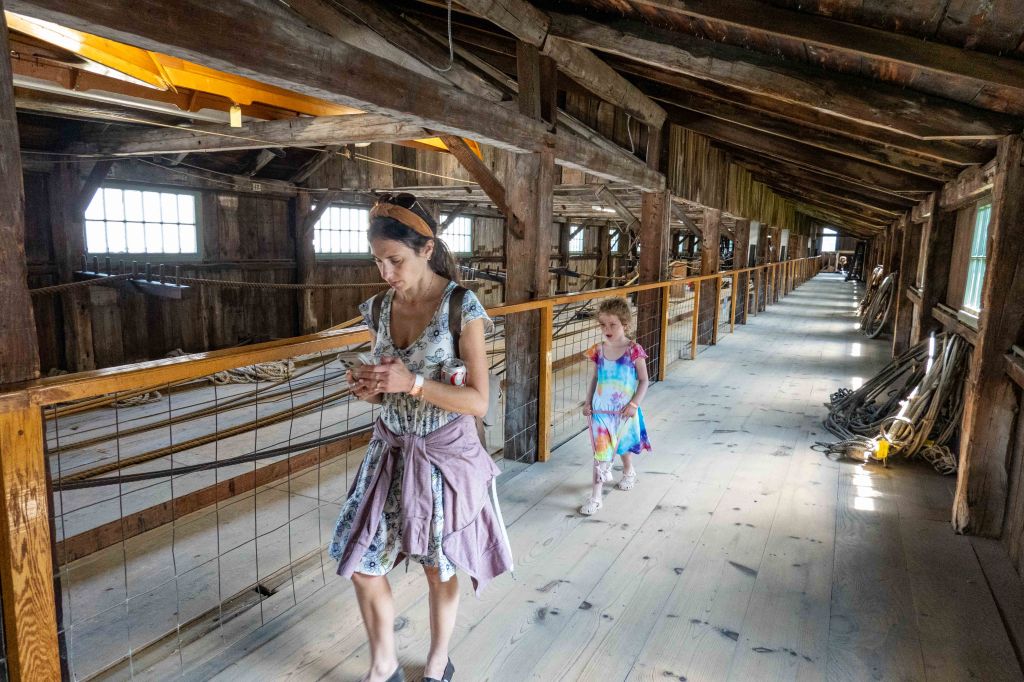
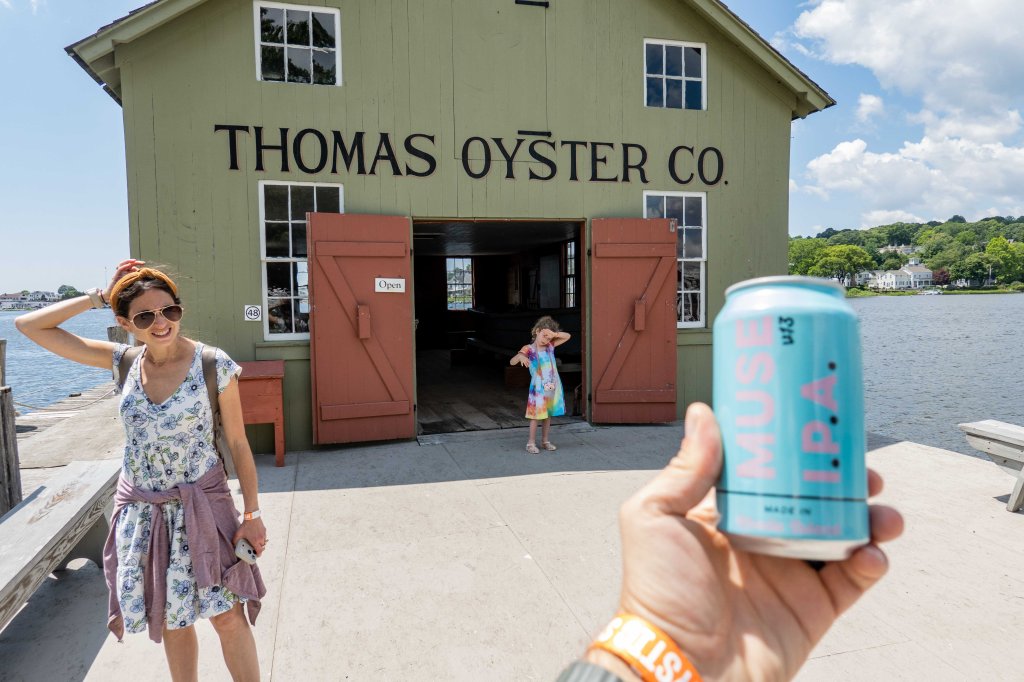
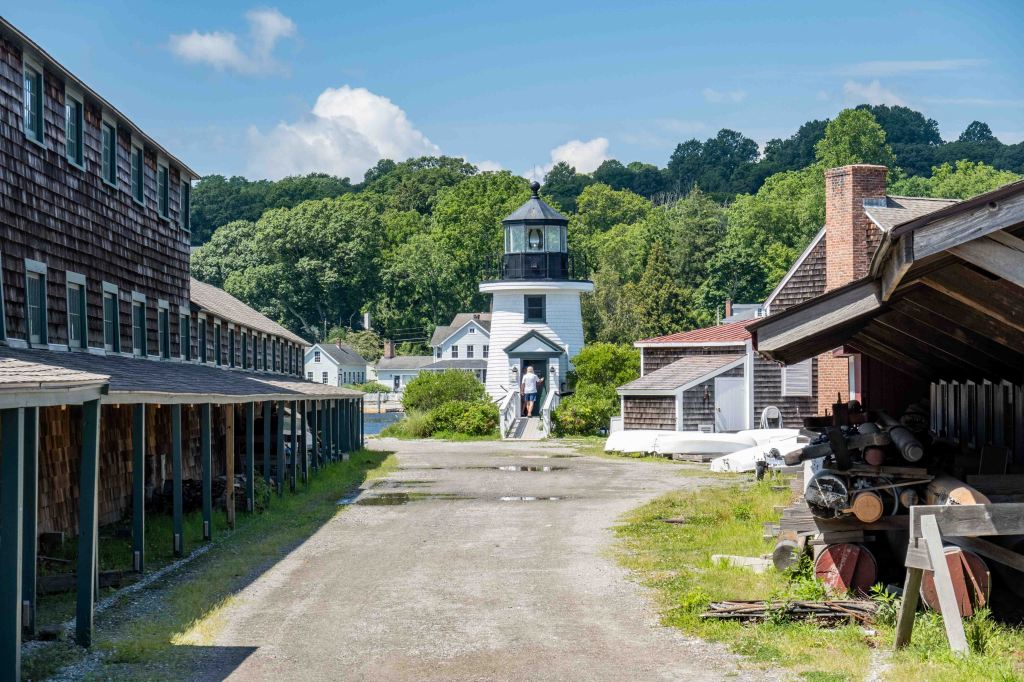
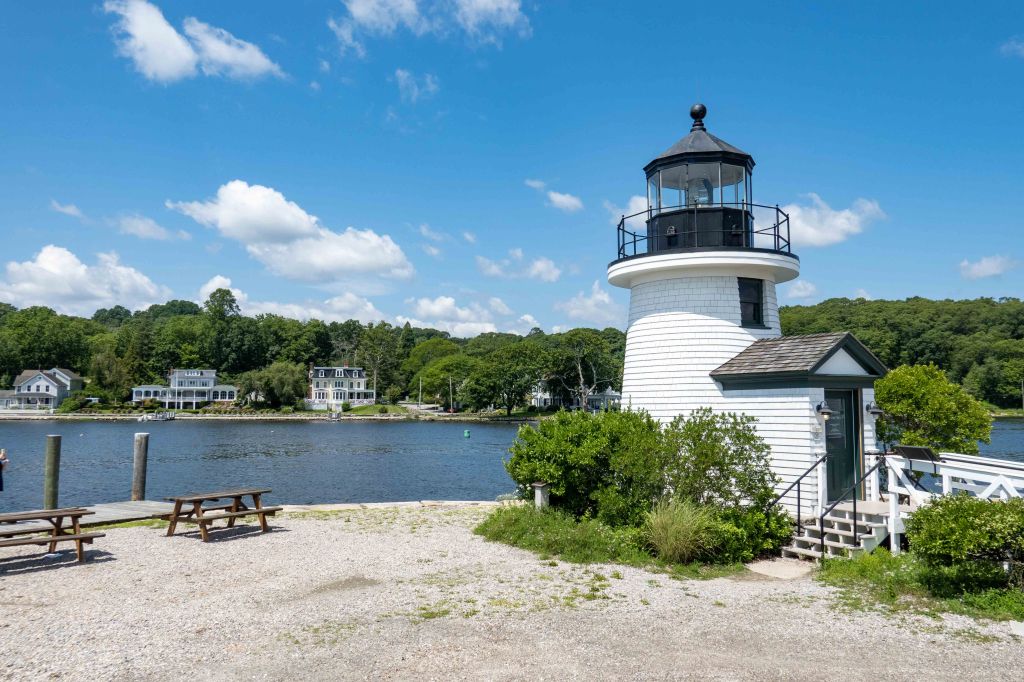
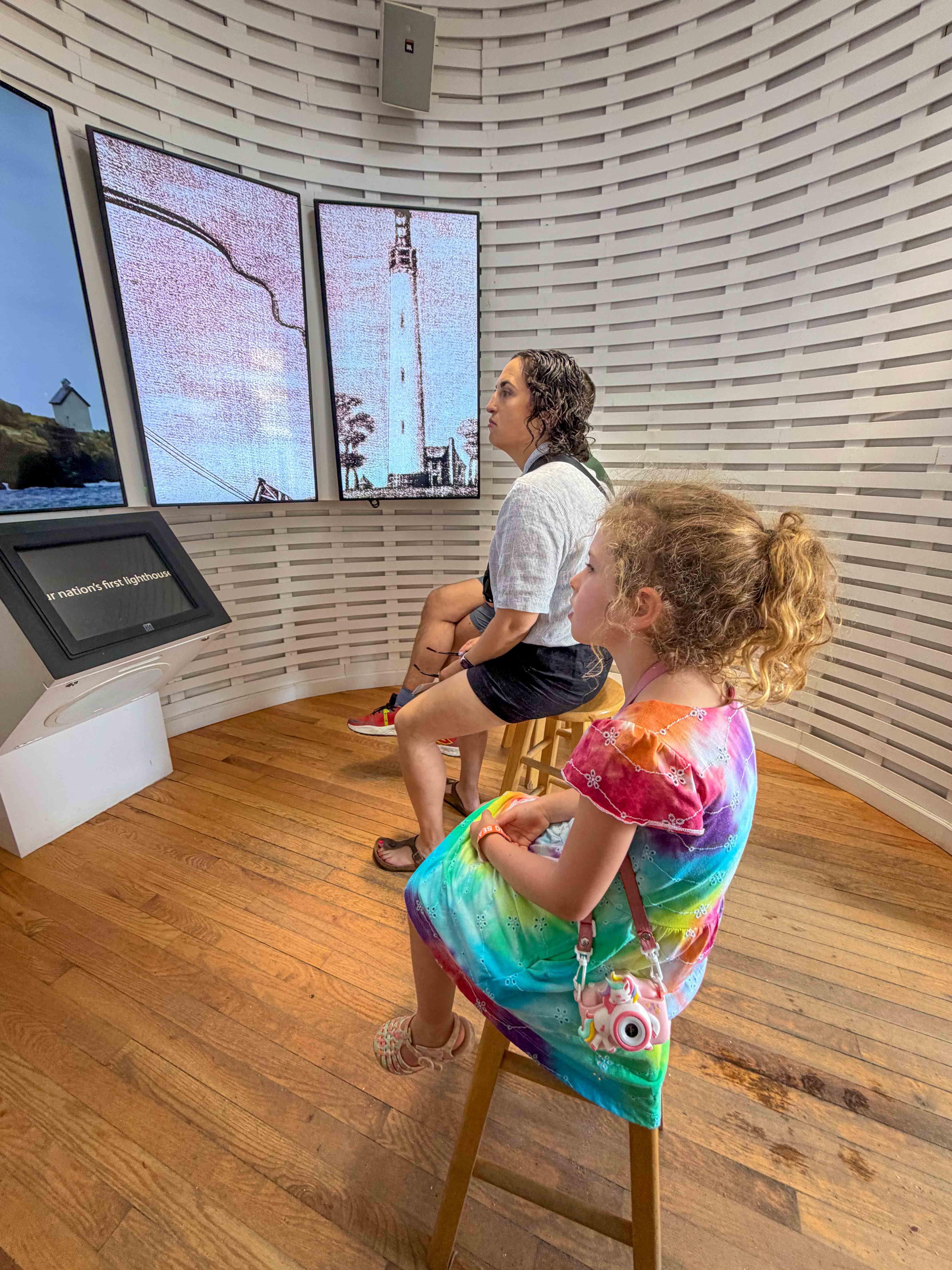
We walked more around the museum, where they have a nice lighthouse you can get in (finally!) and other areas to explore. We got a beer to drink while we walked around.
A Living, Breathing Shipyard
One of the most impressive parts of the museum is that it isn’t purely historical reenactment. There’s an actual functioning shipyard on site, where craftsmen were actively building a massive wooden sailboat using traditional techniques.
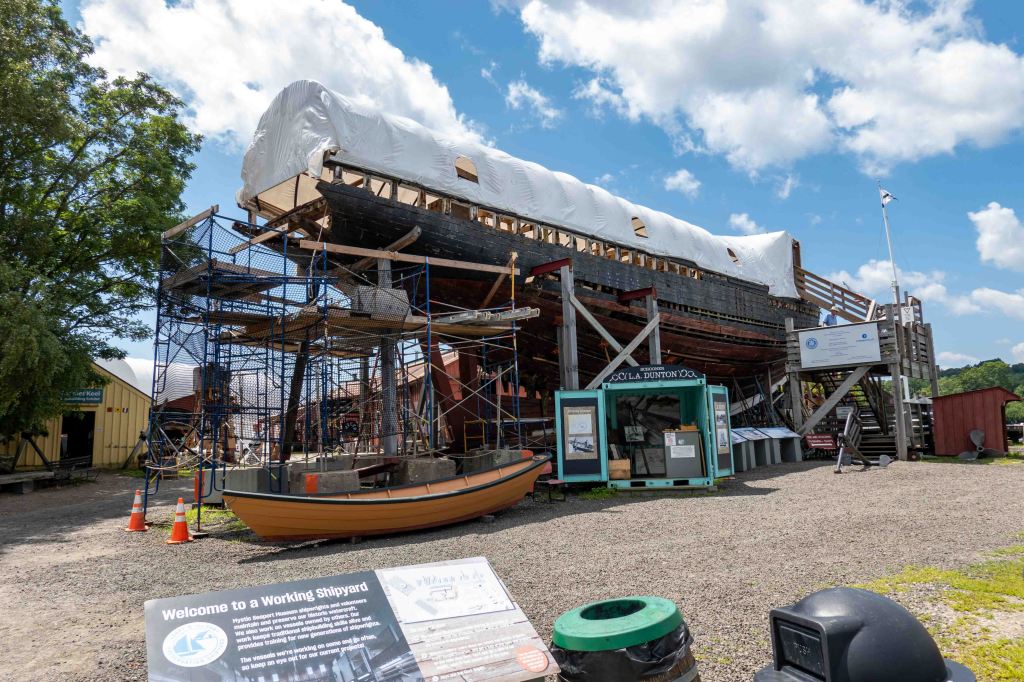
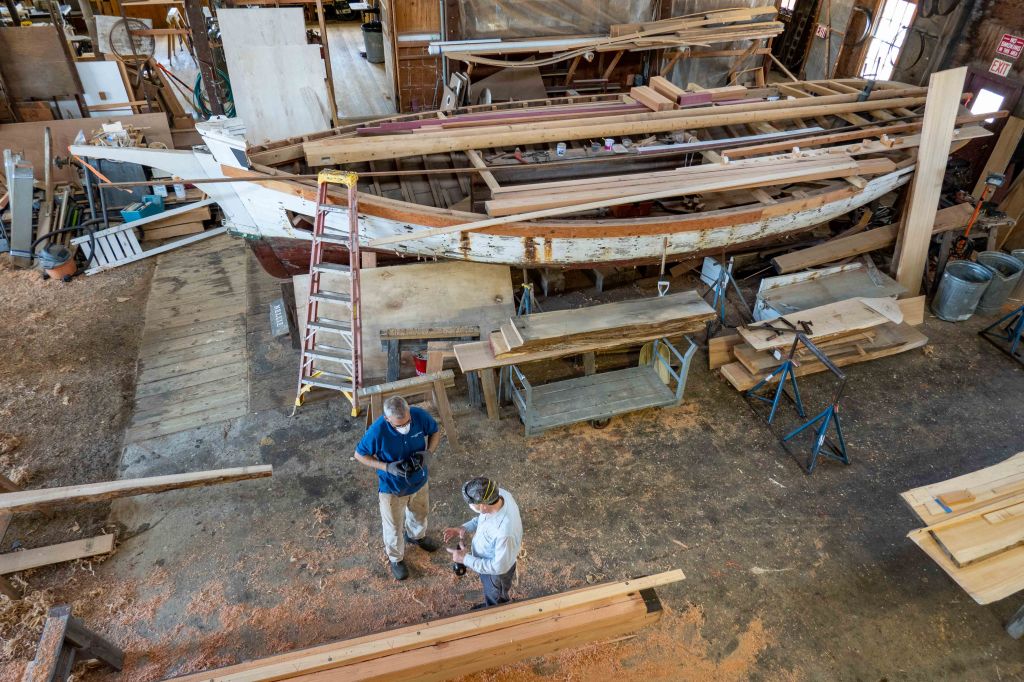
Visitors can get remarkably close and watch real carpenters at work, chiseling and shaping wood the same way shipbuilders did centuries ago. Ariela was crashing by now, and the art of ship building didnt interest her enough.
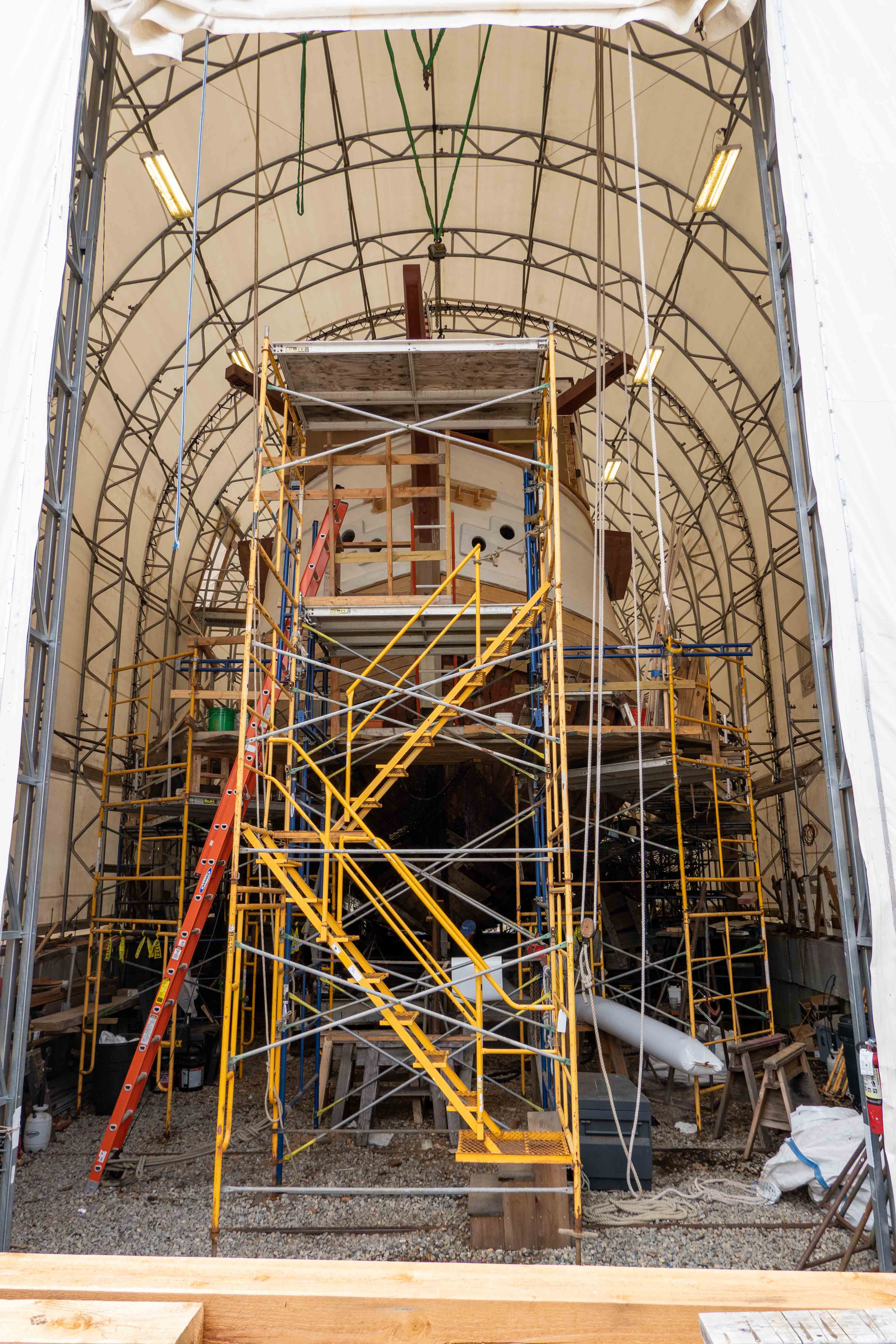
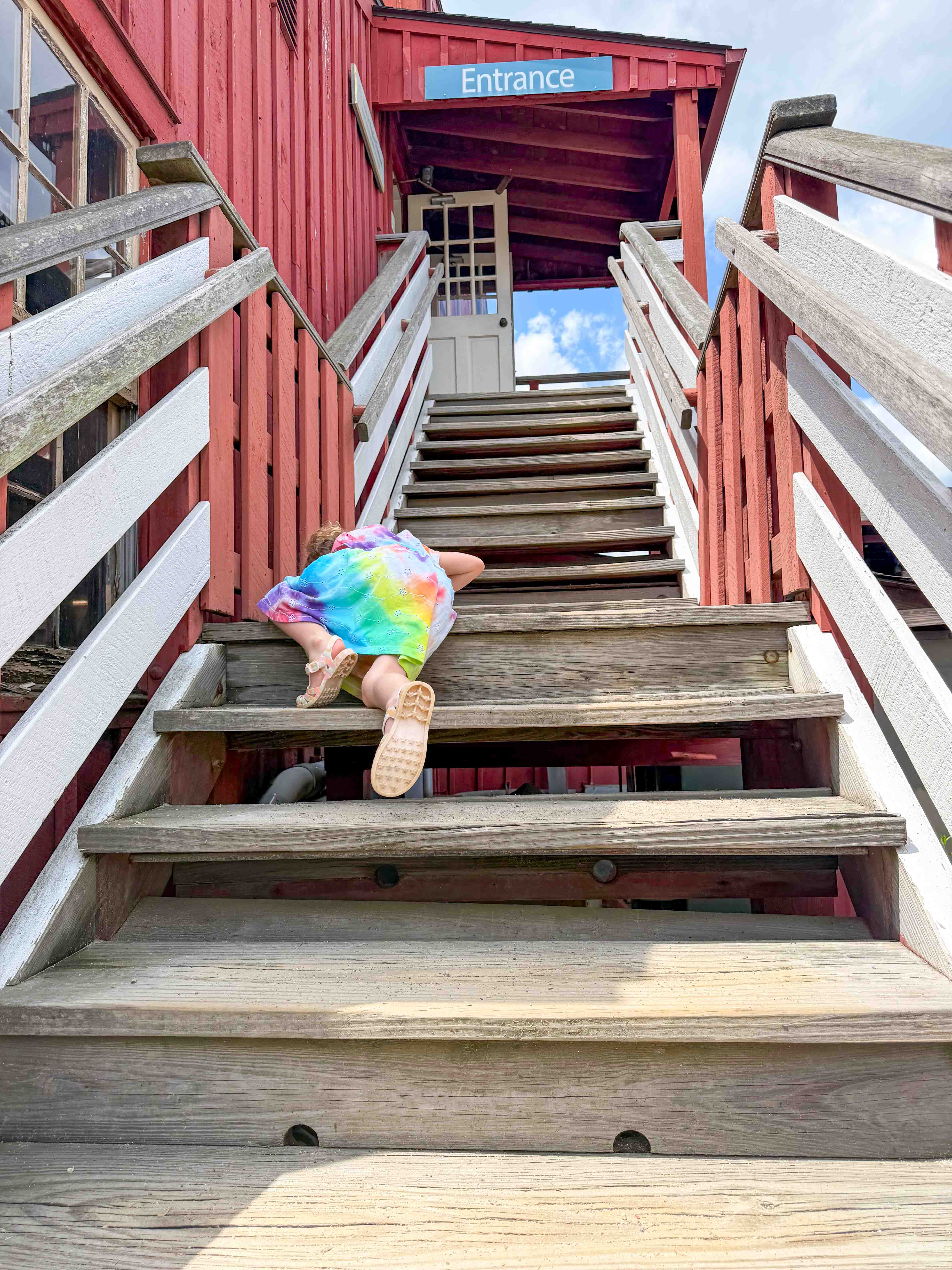
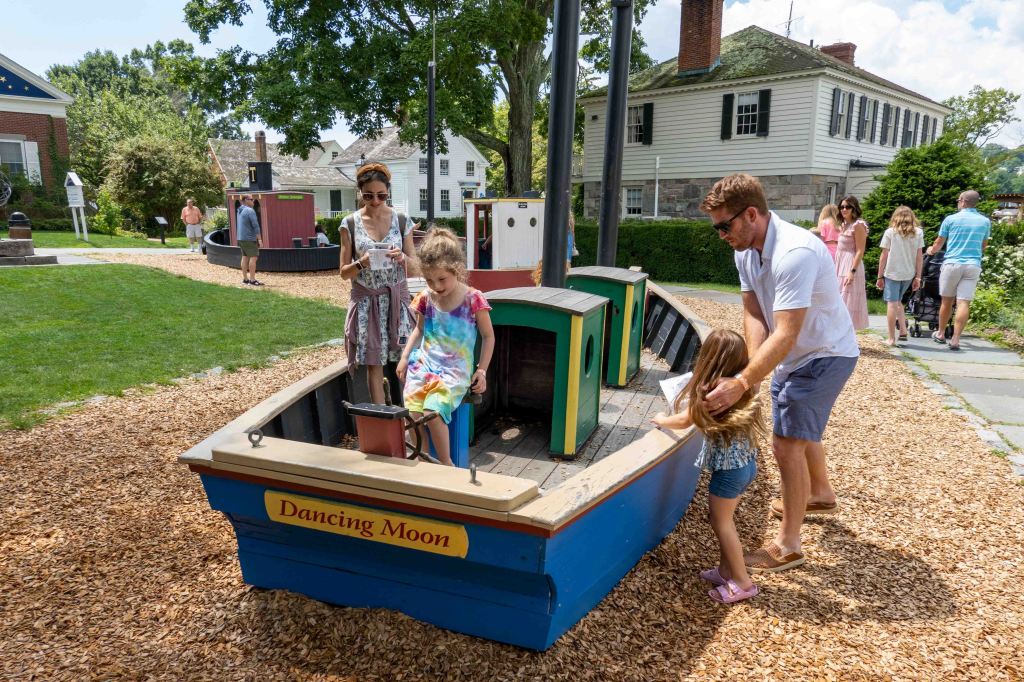
The museum grounds also include an observatory and a kids’ playground, where Ariela spent a little time despite being thoroughly worn out from a full morning of museum excitement.
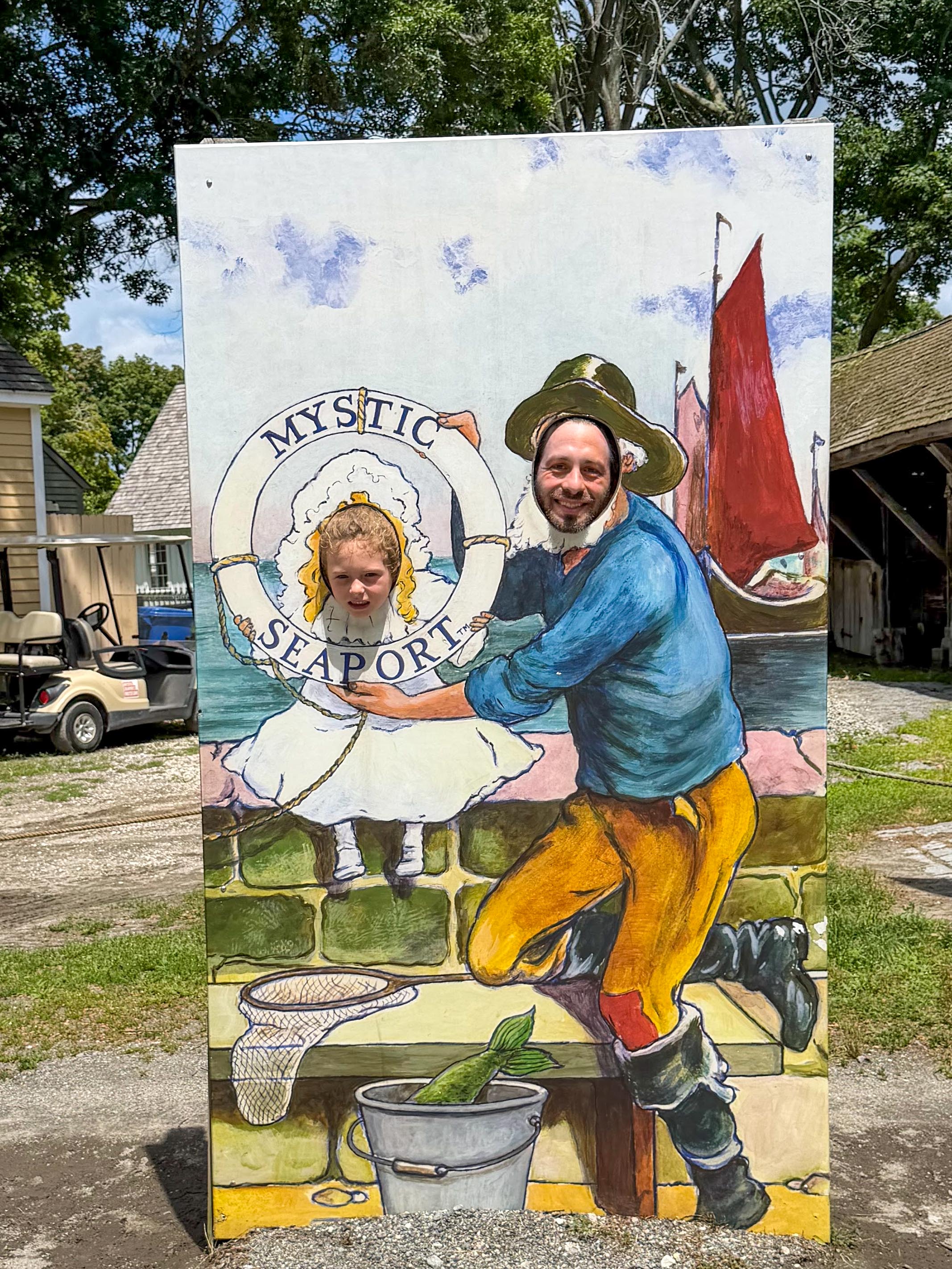
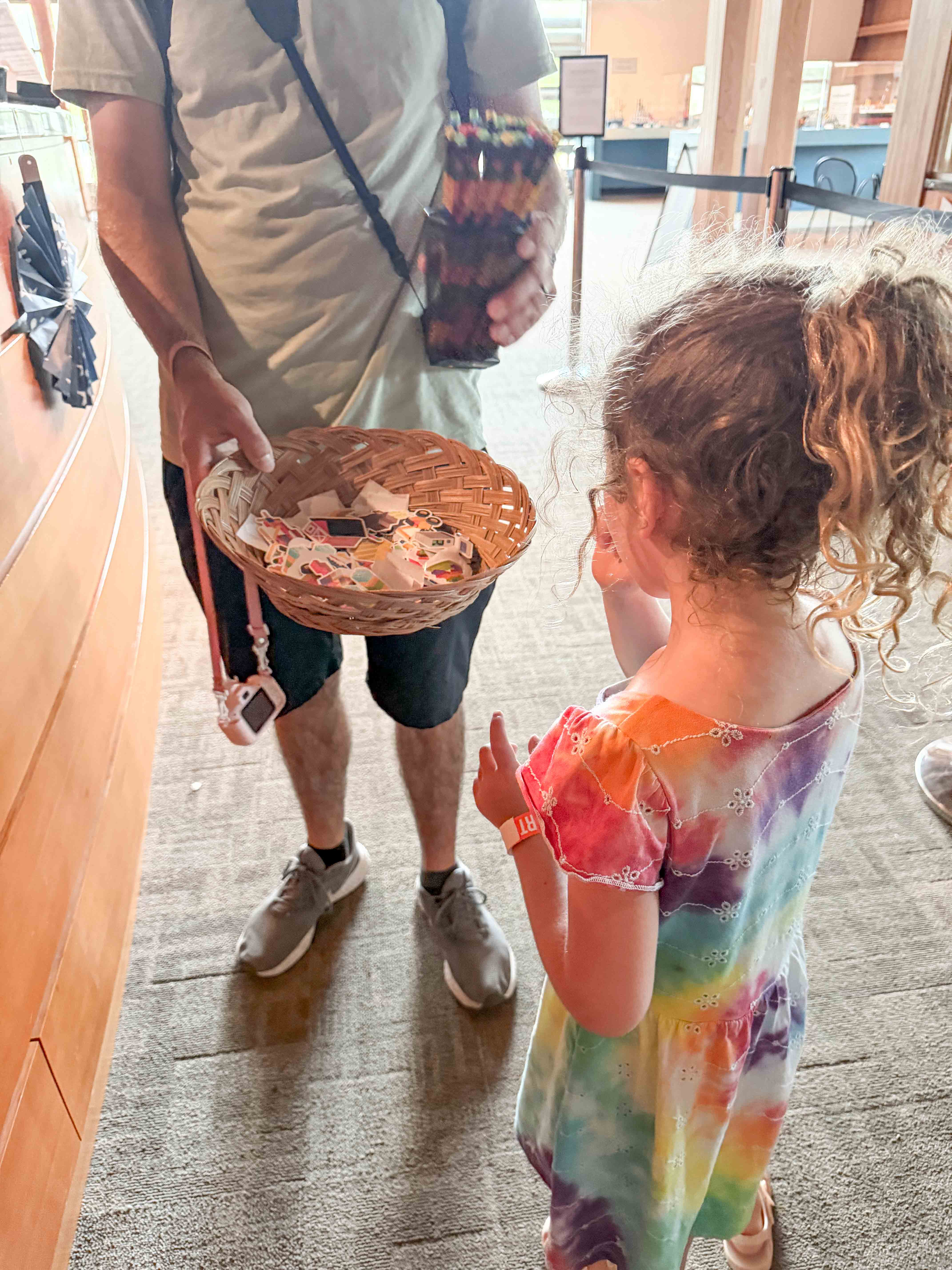
After getting a price for completing the scavenger hunt, we left the museum for our next stop.
Mystic Village: Cute Overload
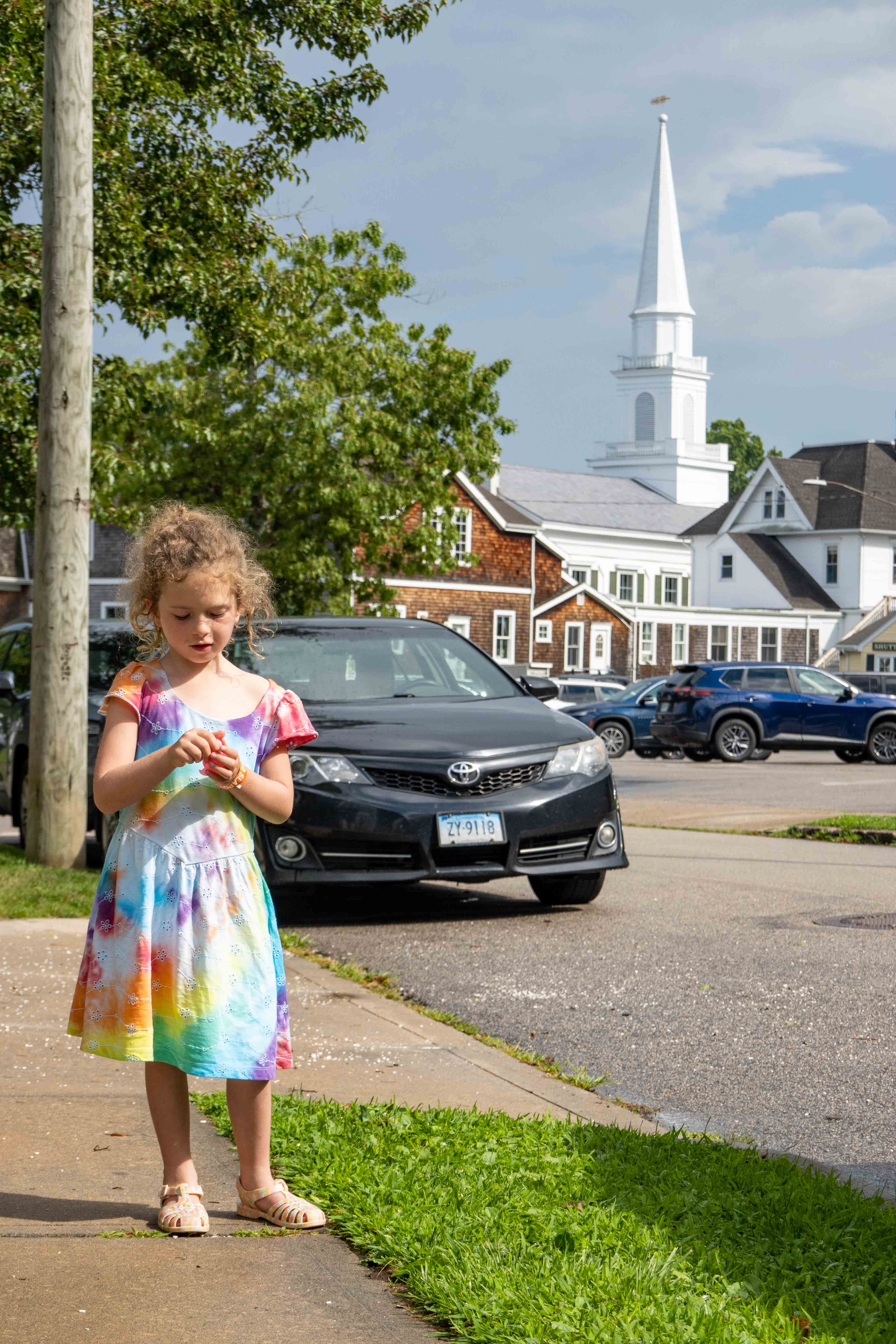
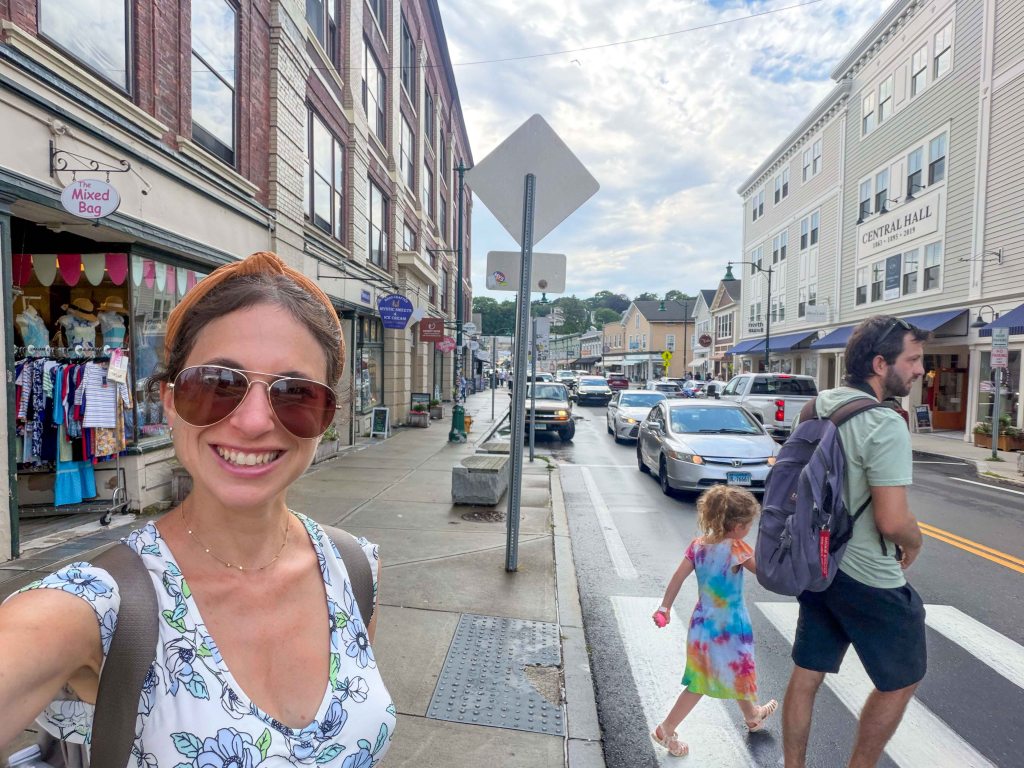
After leaving the museum, we drove through downtown Mystic without originally planning to stop, though it was so charming we could be circling back later.
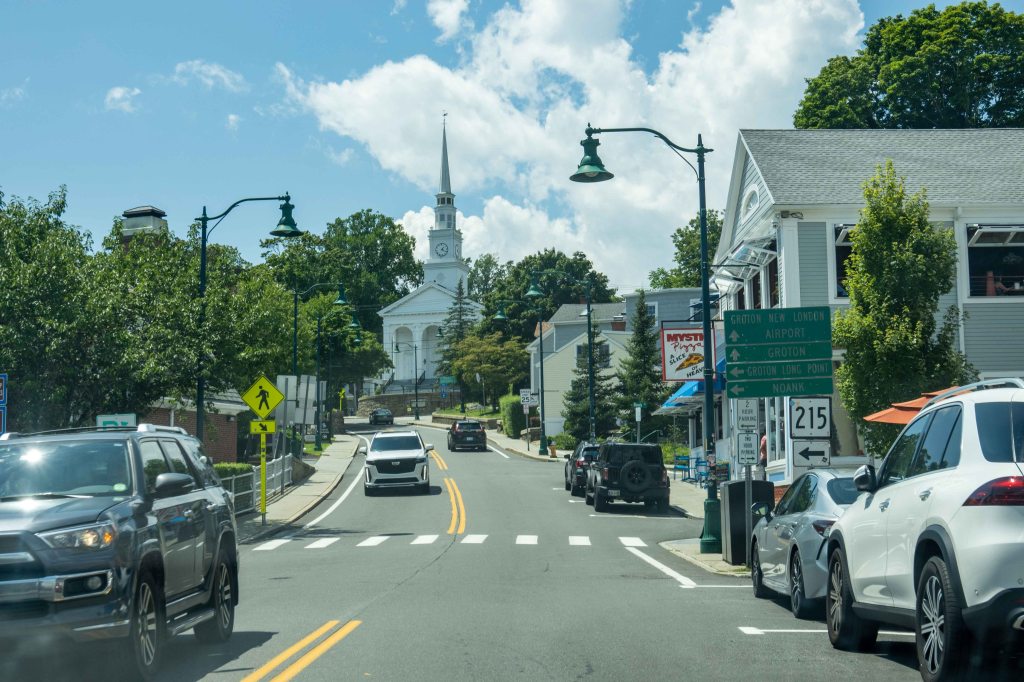
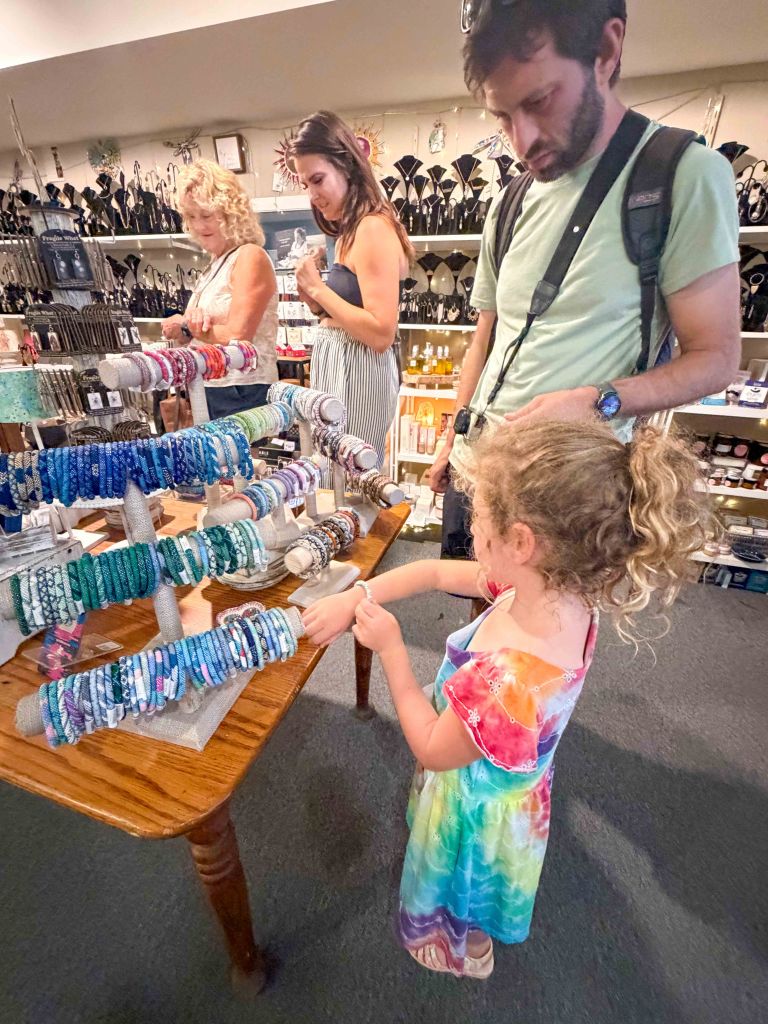
First, though, we headed to Mystic Village, a cluster of quirky, delightful shops. There was a store dedicated entirely to fantastical creatures, and a hot sauce shop where Ariela bravely sampled some genuinely spicy salsas, a bold move for a five-year-old palate.
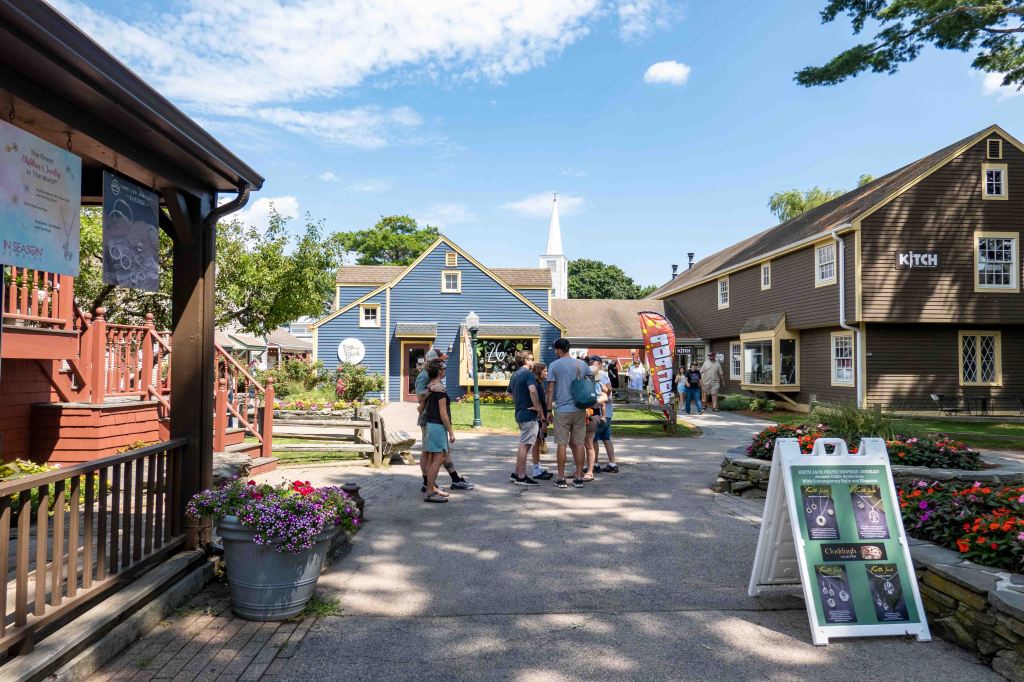
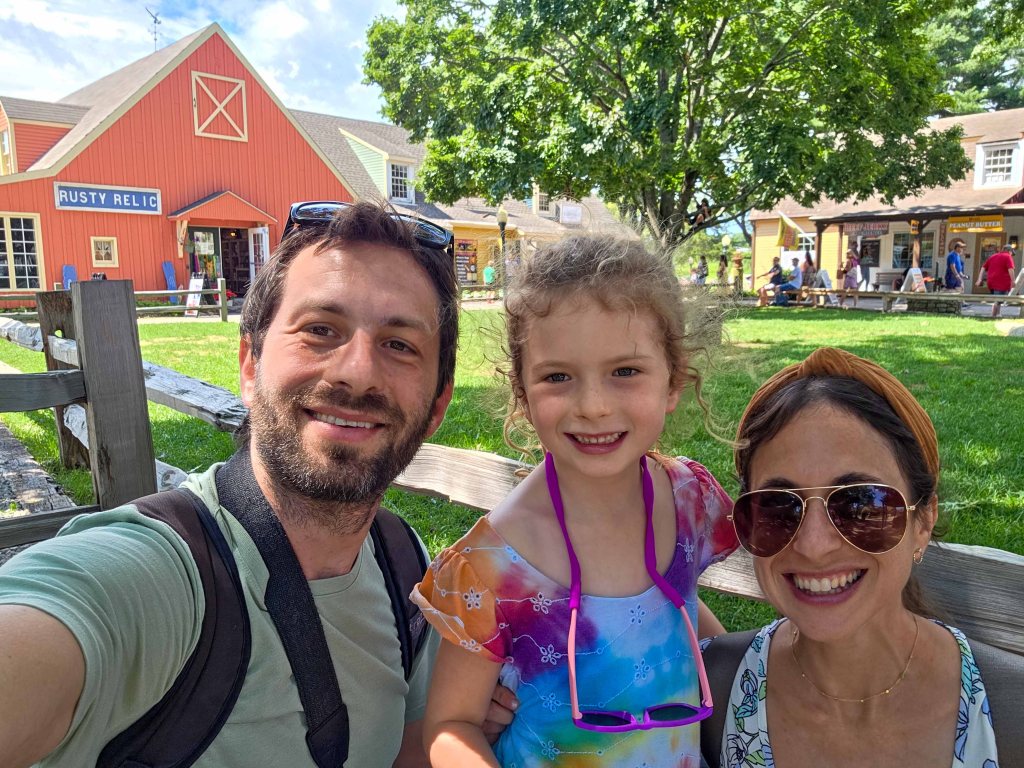
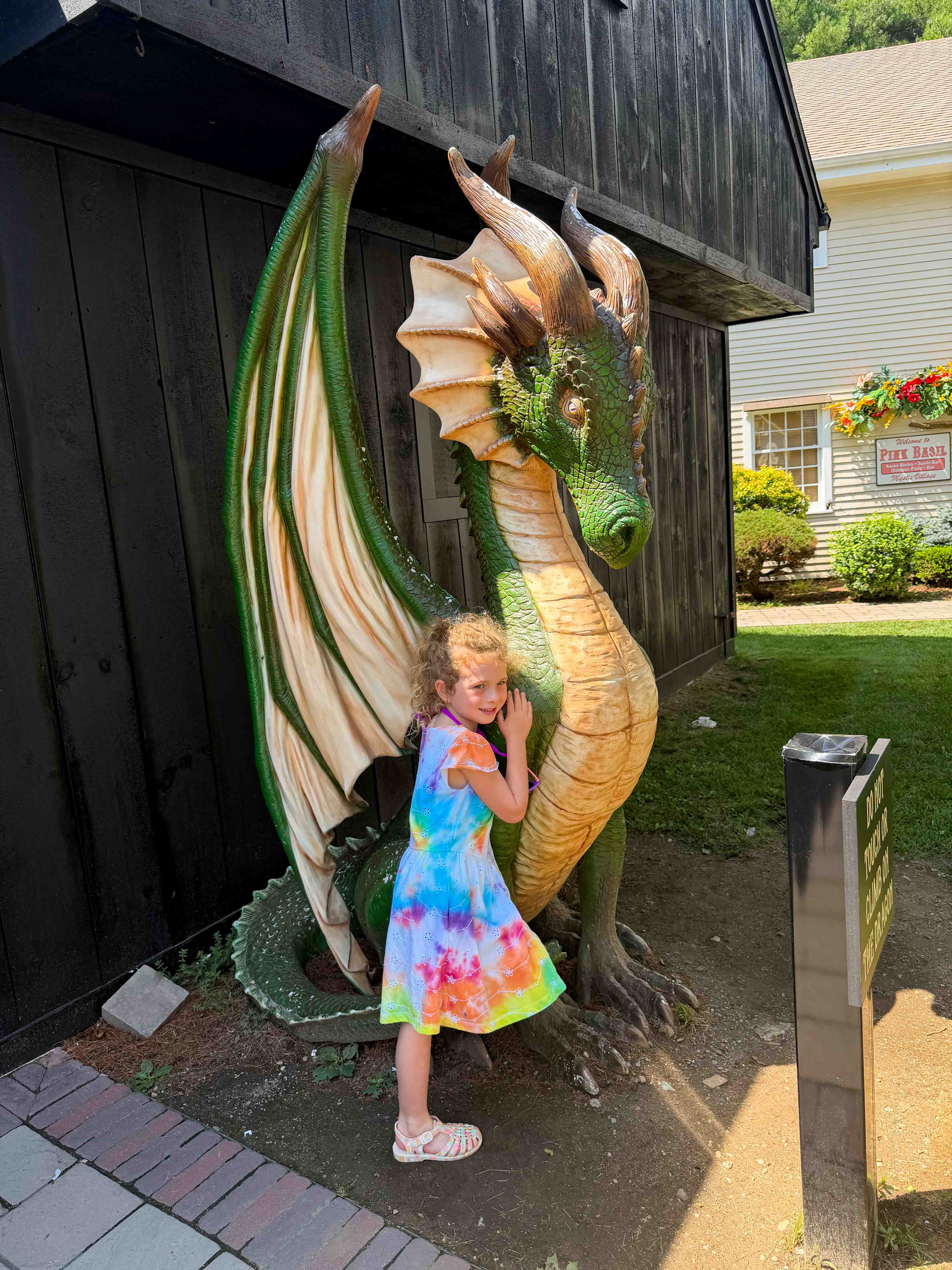
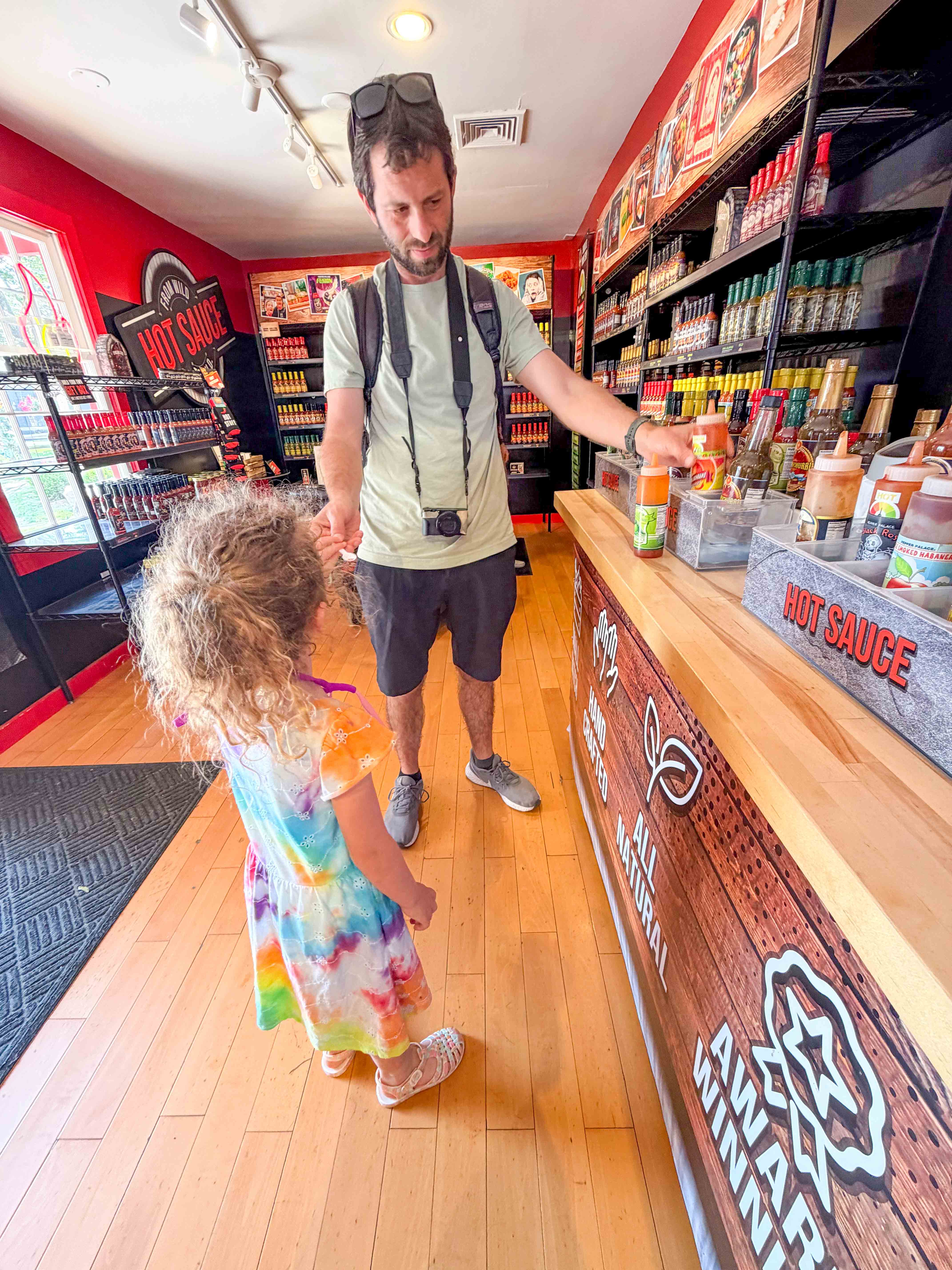
There was also an Alice in Wonderland-themed restaurant and a handful of other wonderfully random little shops. We grabbed a small snack at a restaurant before heading back toward the main downtown area.
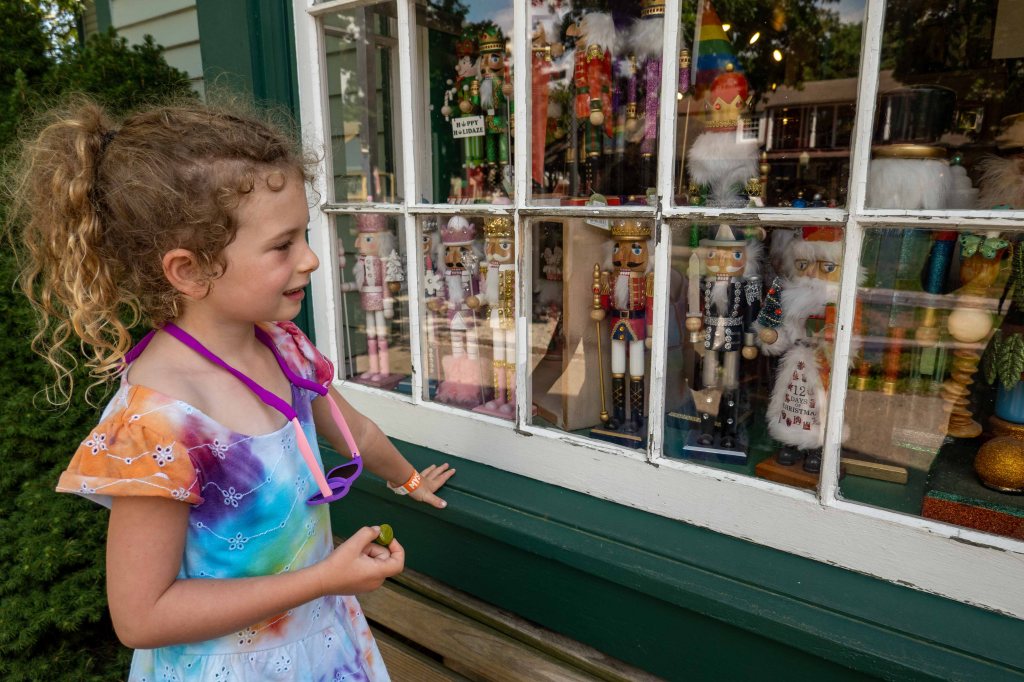
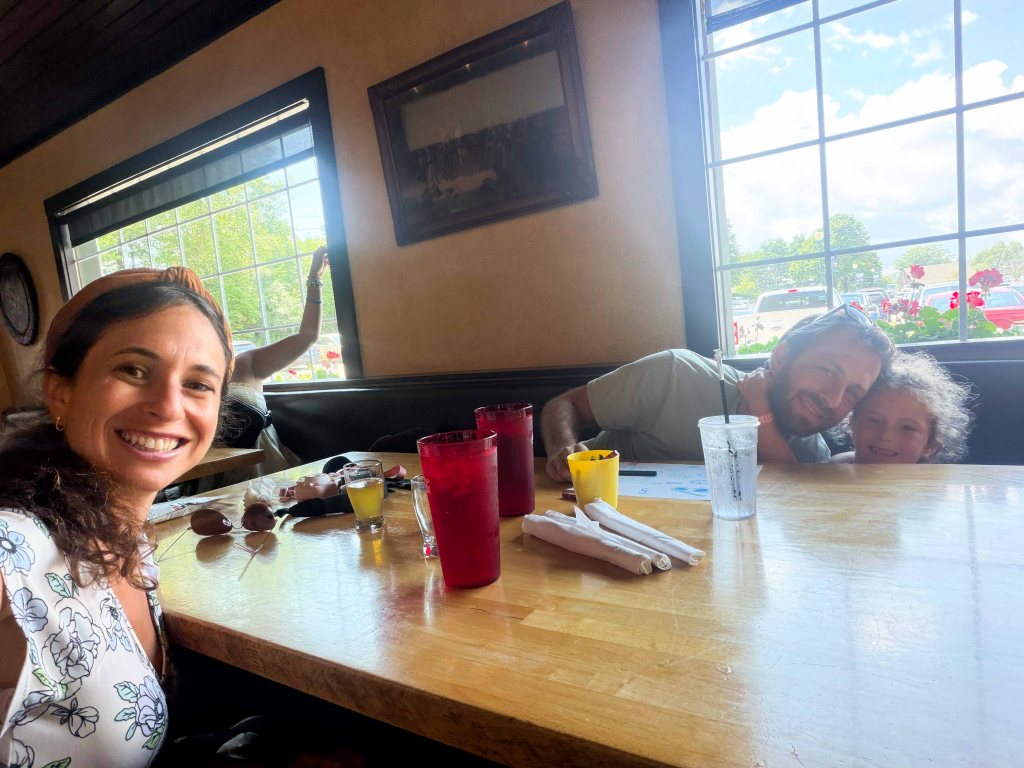
Our original plan had been to drive on to New Haven, home of Yale University, but we’d simply spent more time enjoying the museum than we’d budgeted for, and by the time we would have arrived, everything we wanted to see there would already be closed. Plan B activated: back to downtown Mystic, and it did not disappoint one bit.
The Bridge That Stops Traffic on Purpose
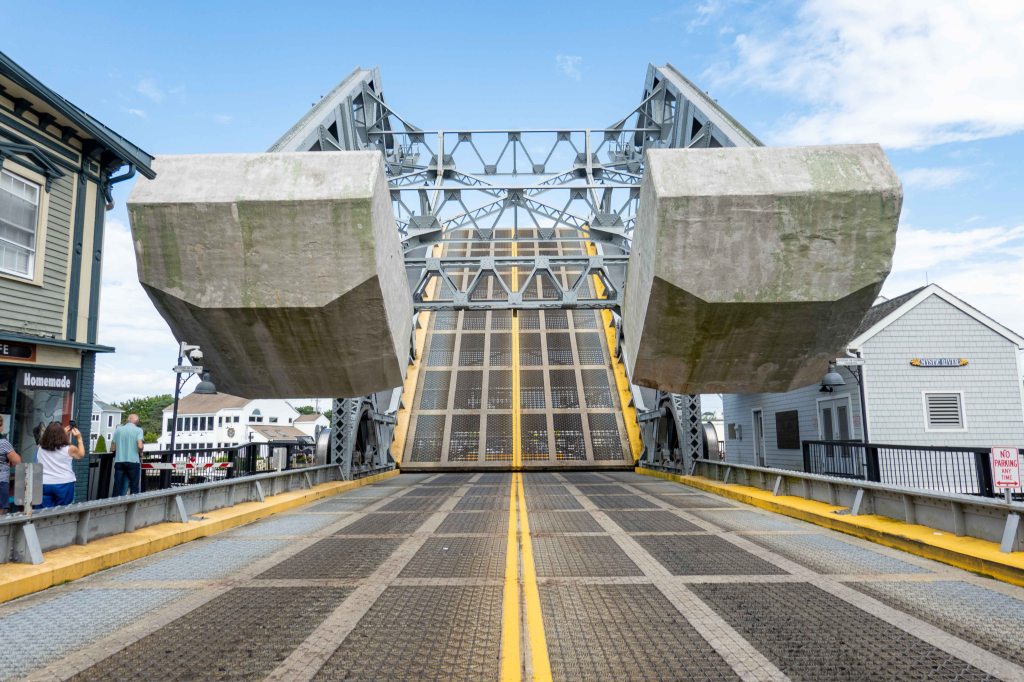
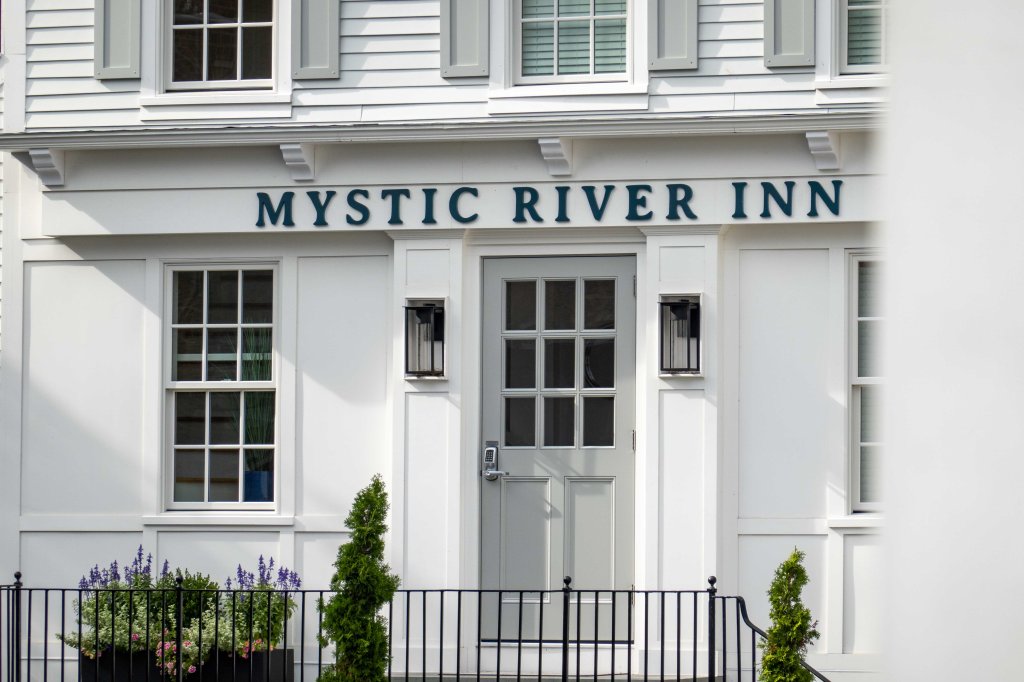
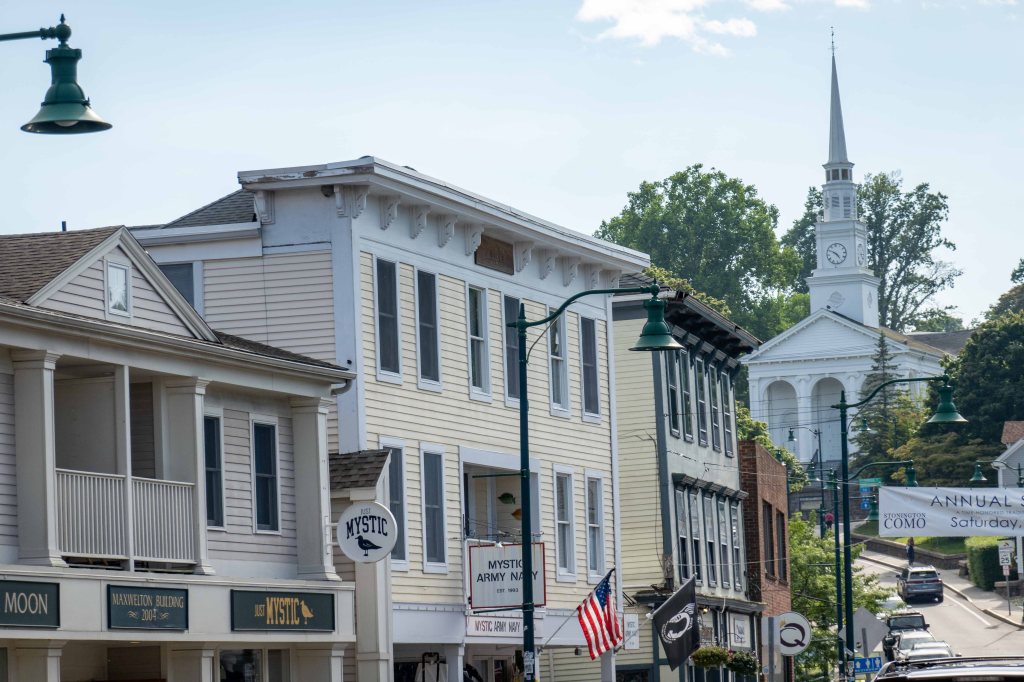
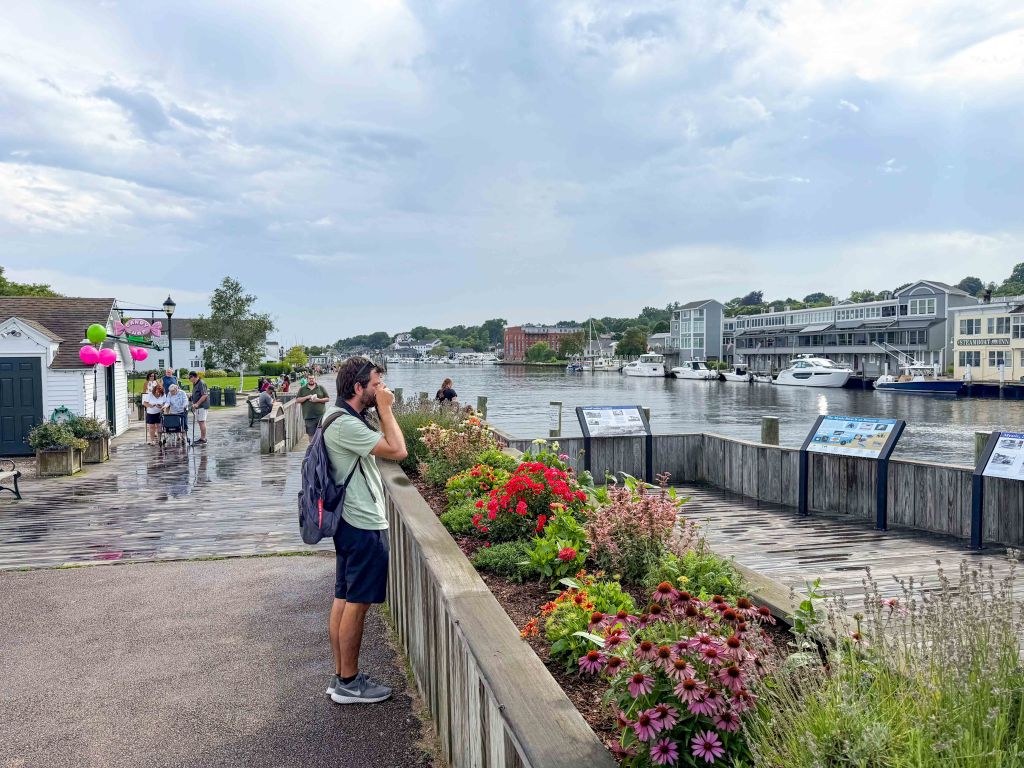
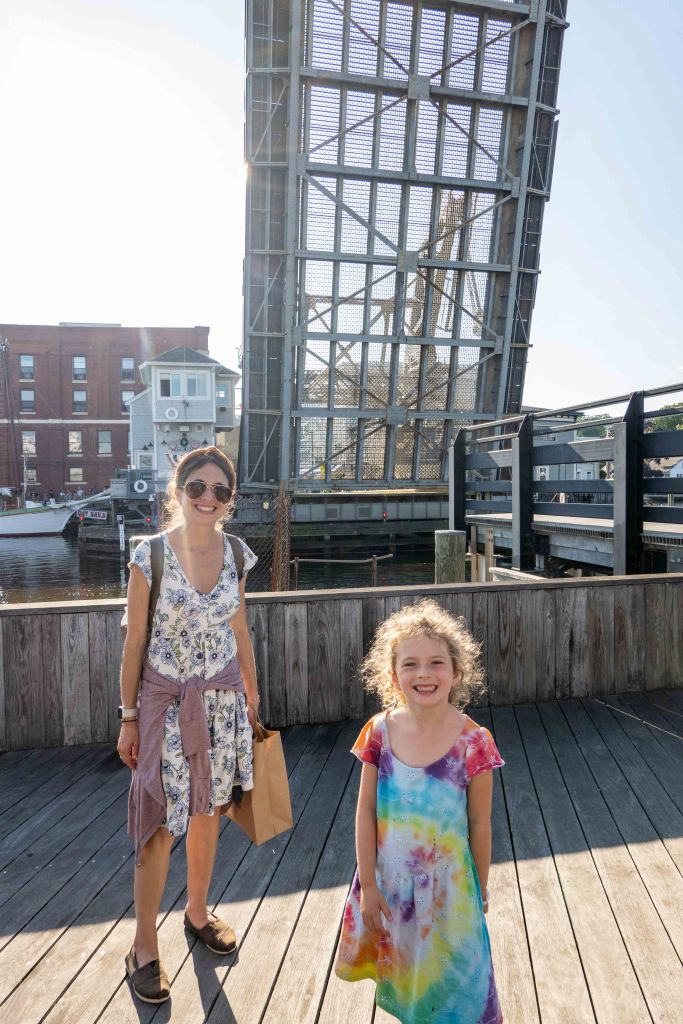
We arrived at downtown Mystic just in time to catch the famous Mystic River Bascule Bridge in action, which opens on the hour throughout summer to let boats pass through. Both Ariela and Eitan were completely captivated by the mechanics of it.
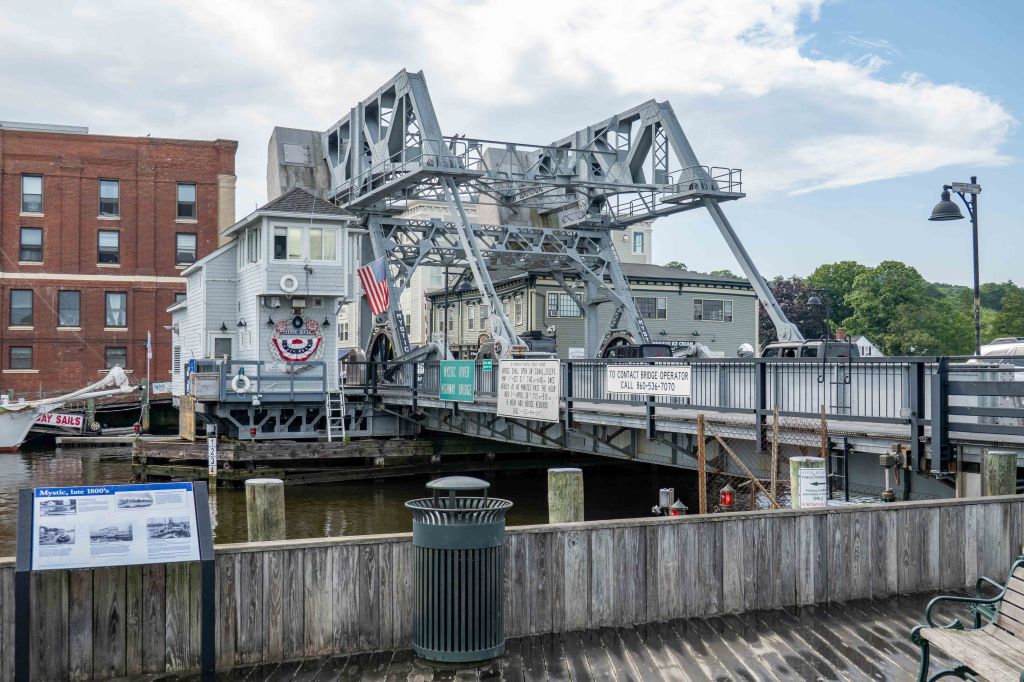
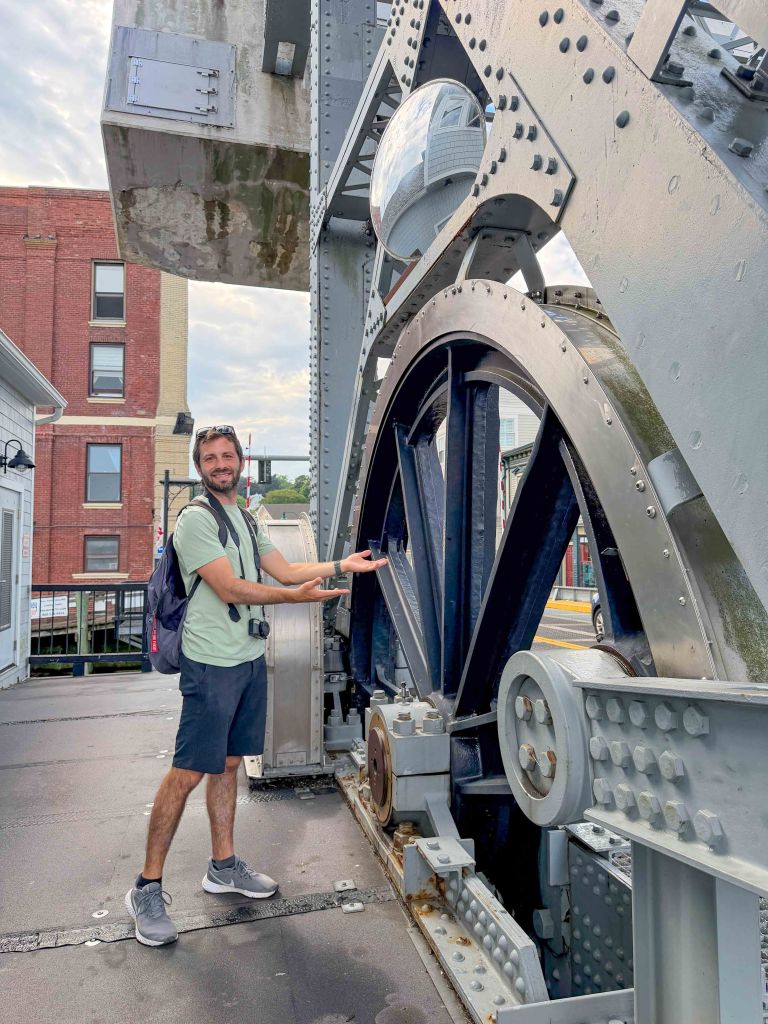
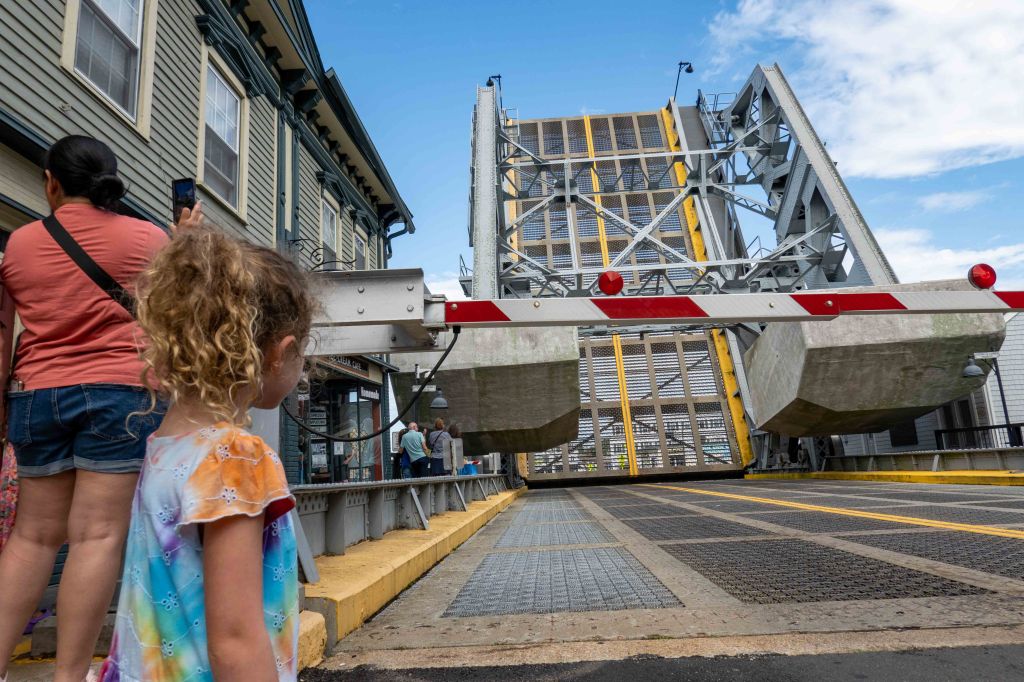
Here’s what makes it special: built in 1922, this is a “bascule” bridge (French for “seesaw”), meaning it’s balanced by two absolutely massive 230-ton concrete counterweights that lift the roadway skyward to let sailboats and yachts glide underneath. What makes it even more fun to watch is that the mechanism is entirely exposed, no housing or covers, so you can see every gear, cable, and counterweight doing its job in real time. It opens an estimated 2,200 times a year, and you can get remarkably close to the action while it’s happening, which is part of what made it so mesmerizing. (Fun bonus fact for movie buffs: this very bridge appears briefly in the 1988 film Mystic Pizza, more on that name in a moment.)
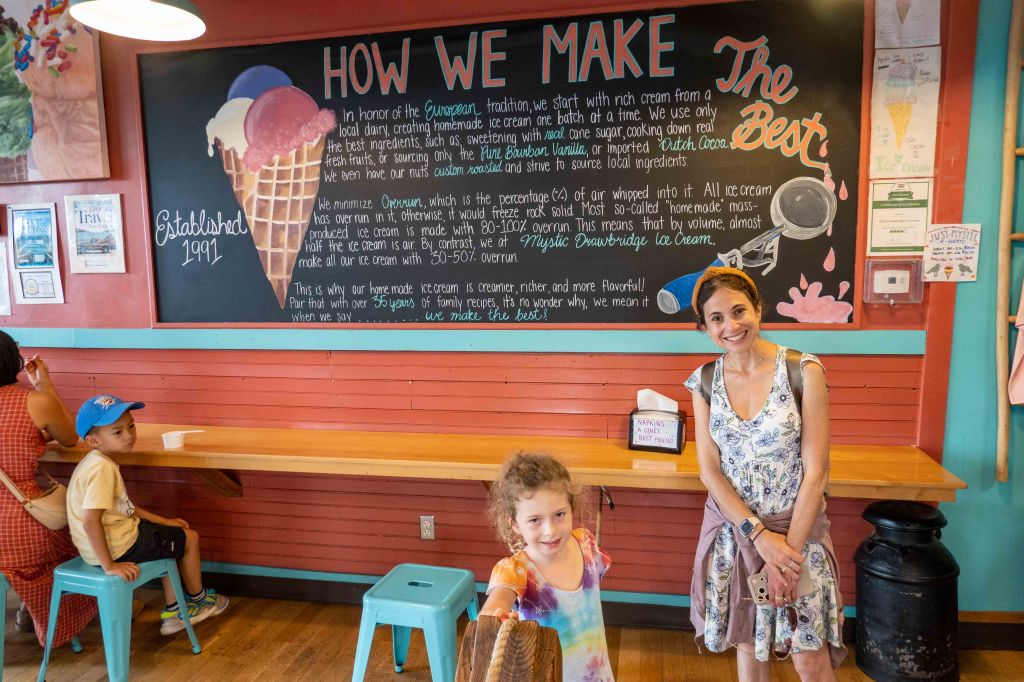
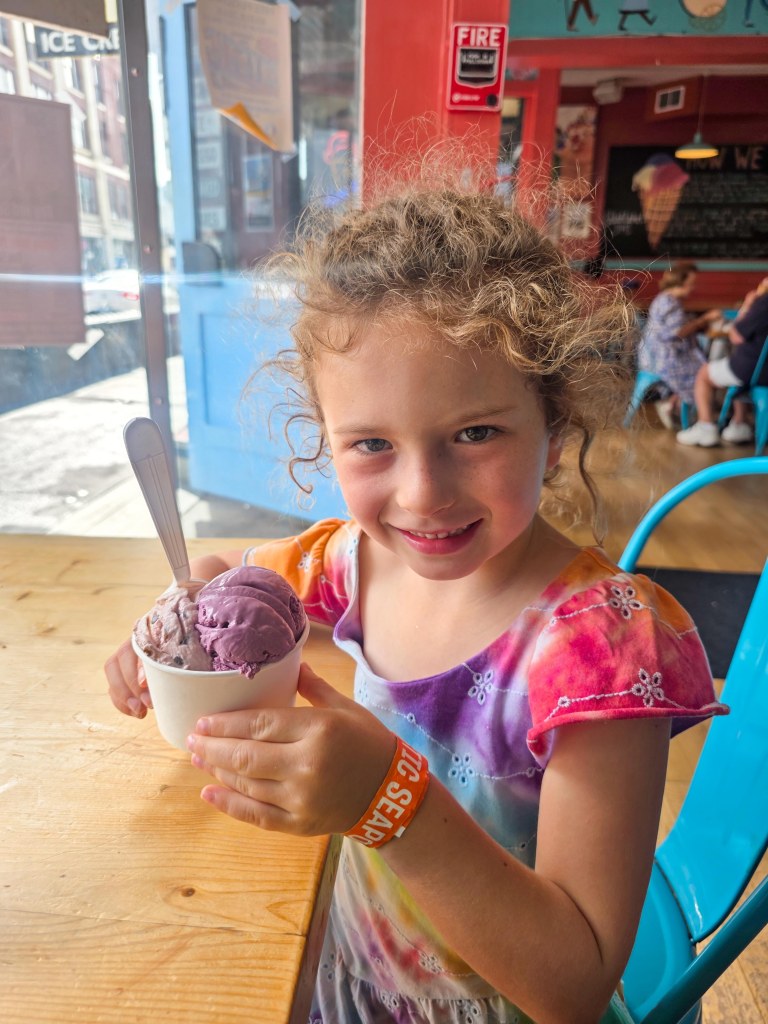
We grabbed ice cream and wandered the town a bit more, doing some casual window shopping along the way.
A Pizza Named After a Movie Eitan Has Never Seen
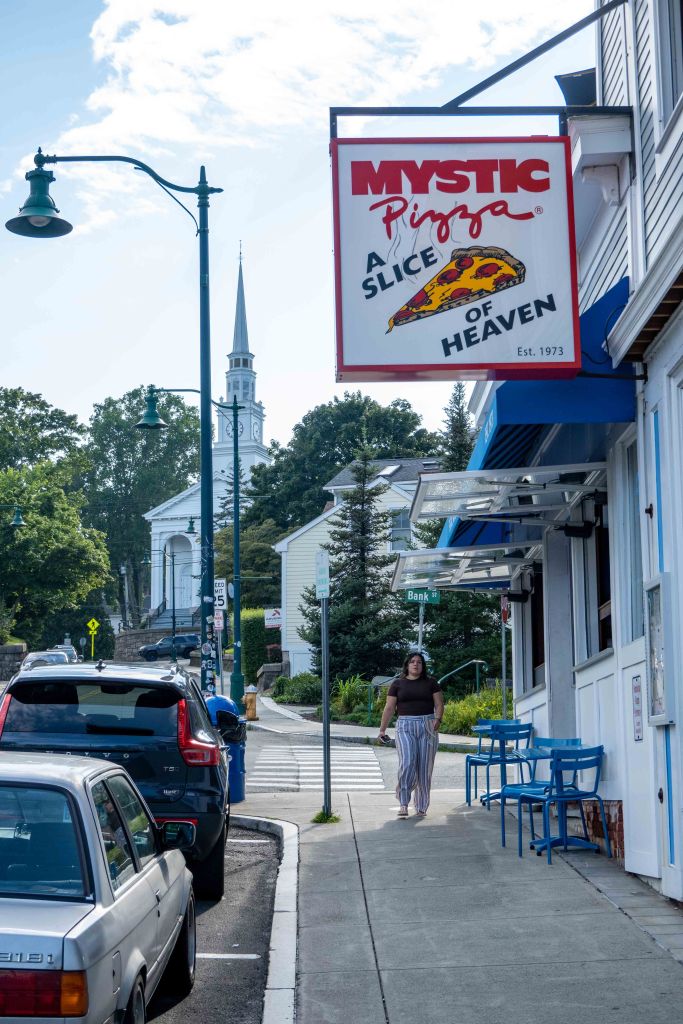
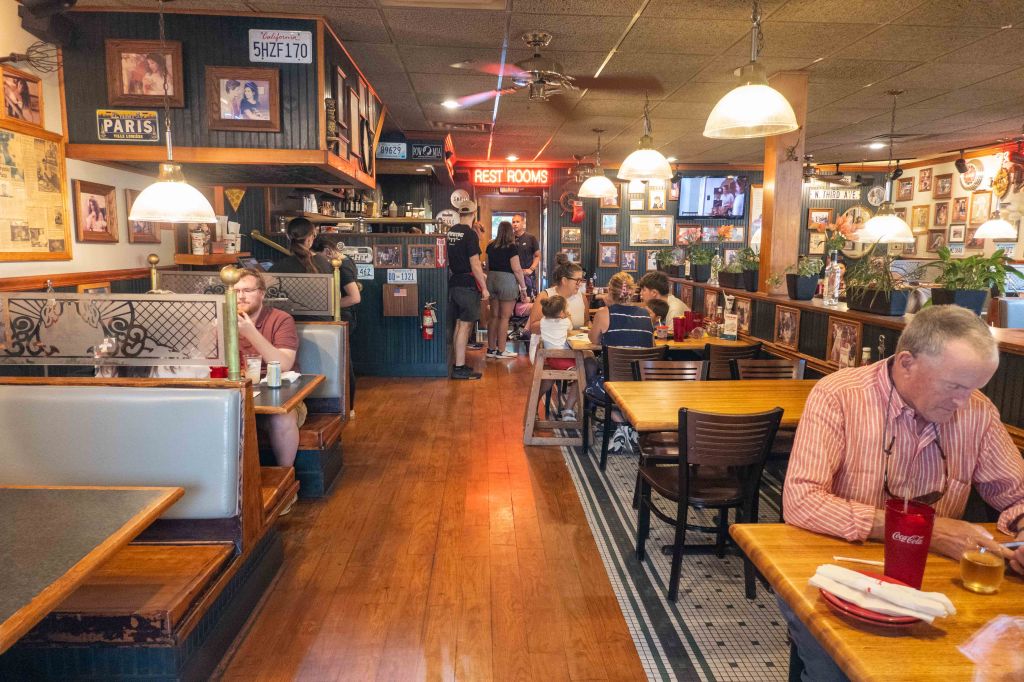
At the far end of town sits Mystic Pizza, apparently made famous by a “famous” movie of the same name. Eitan, for the record, had genuinely never heard of it (it’s a 1988 romantic comedy that happens to be one of Julia Roberts’s earliest starring roles). Regardless of its Hollywood fame, word on the street is that the actual pizza is not good. Cinematic legacy: secured. Culinary legacy: questionable at best.
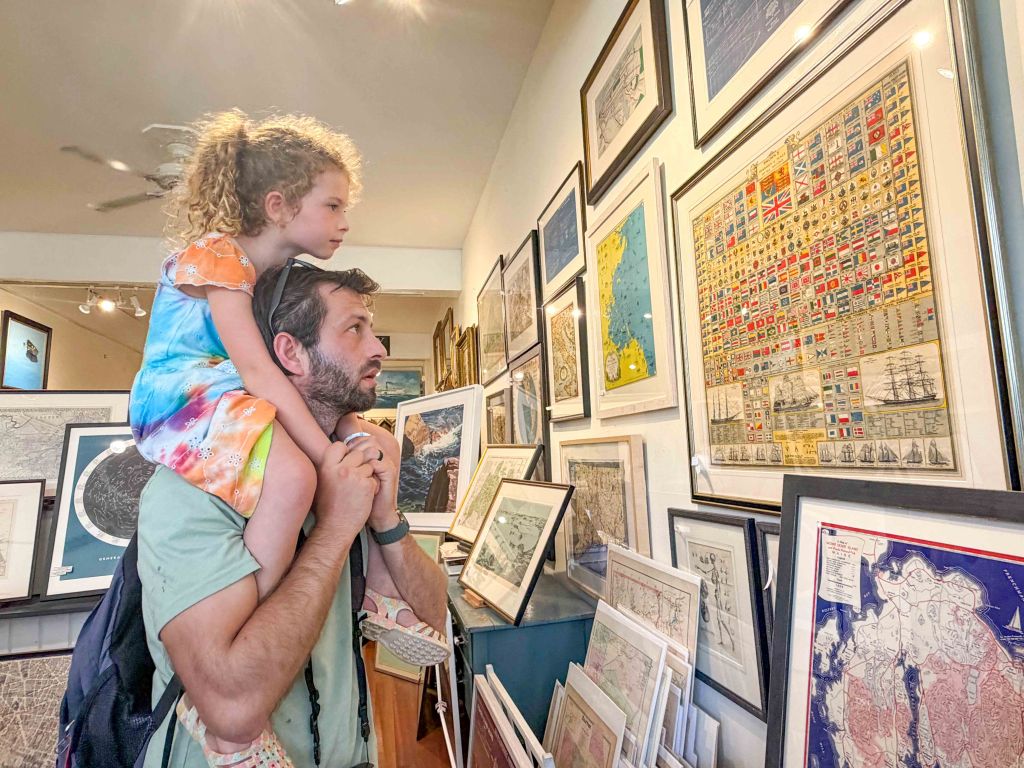
We picked up a couple of souvenirs and browsed more shops, including a wonderful one selling genuine, authentic antique maps, a category of merchandise Eitan was visibly drooling over.
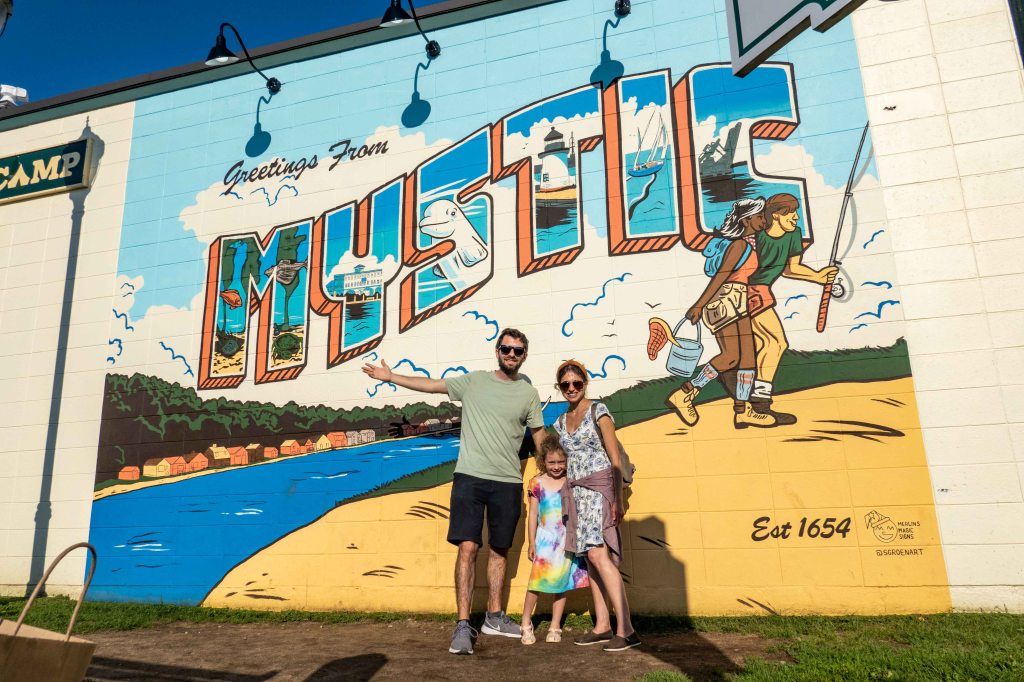
Timing worked out perfectly for a second bridge-raising show, this time watching from the opposite side, and we sat and relaxed for a bit before starting the drive back toward Providence.
The Best Pizza We Have Ever Eaten
By the time we hit the road, we were seriously hungry, and we’d heard whispers about a specific regional specialty: New Haven-style pizza, known locally as “apizza” (pronounced ah-BEETZ). There are two legendary spots that dominate the conversation, and we went with Frank Pepe Pizzeria Napoletana.
A little history, because this place has earned it: Frank Pepe, an Italian immigrant from the Amalfi Coast, opened his pizzeria on Wooster Street in New Haven back in 1925. He originally sold his pies balanced on a headdress, walking through the neighborhood market before eventually saving up for a cart. The restaurant still uses the original dough recipe today, baked in scorching coal-fired ovens exceeding 650°F, producing that signature charred, bubbly, almost ciabatta-like crust. In the 1960s, Frank invented what’s now considered a legendary dish: the white clam pizza, no sauce, no mozzarella, just fresh littleneck clams, garlic, olive oil, and pecorino, an invention now regularly ranked among the best pizzas in the entire country.
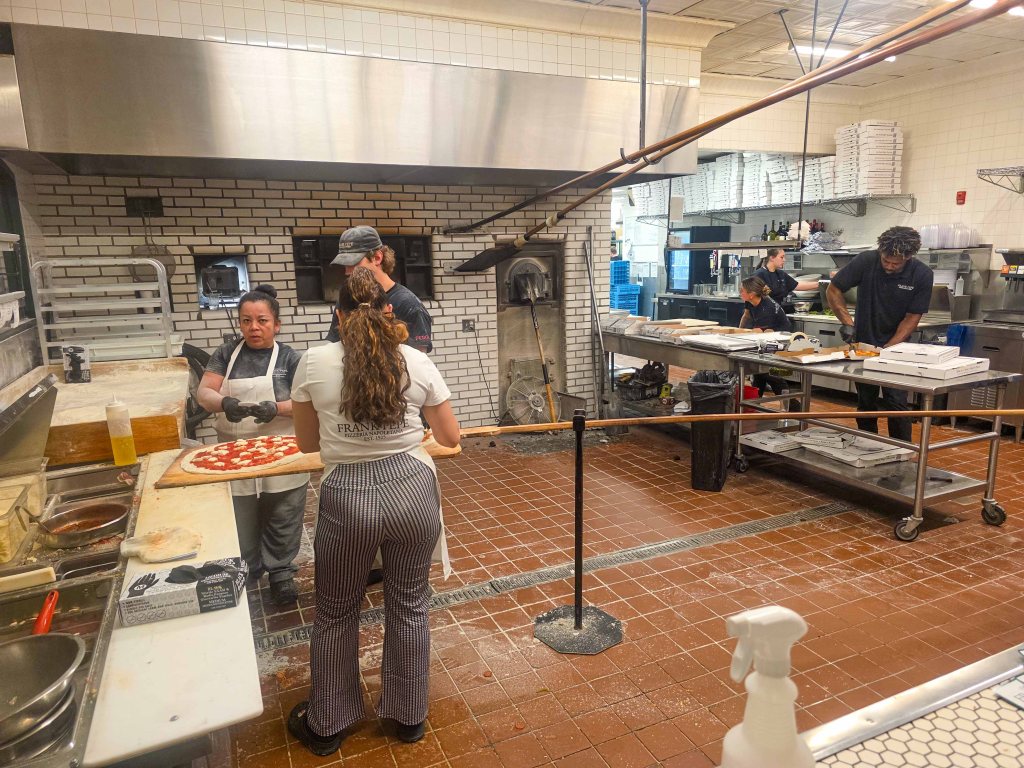
We had to talk Sarah into going, because if you know Sarah, she is famously not a pizza person. Which, if I’m being honest, should have been a significant relationship red flag discovered far earlier in our courtship. She hid it well in the early years, and Eitan fell directly into the trap. Anyway.
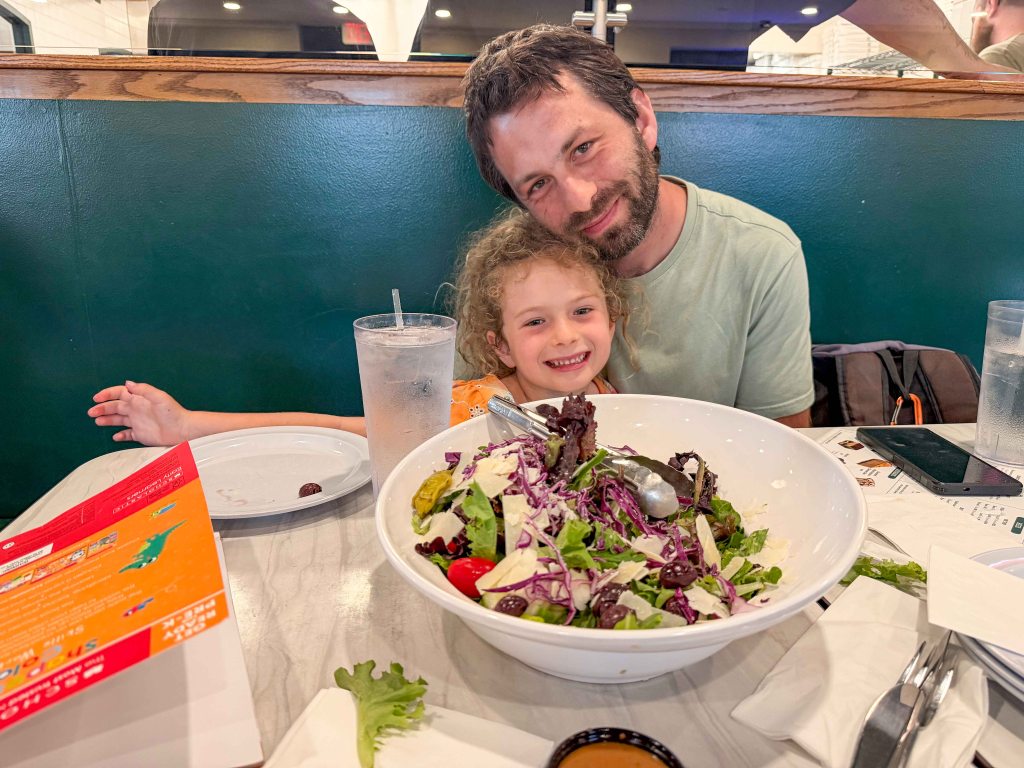
To cut a long story short: this was, without exaggeration, the single best pizza we have ever eaten. Nothing has come remotely close since. The side salad alone arrived large enough to sustain the entire alpaca population of Peru for a week. But the pizza itself was the real showstopper: thin crust, perfectly charred, impossibly fresh. We genuinely could not believe it.
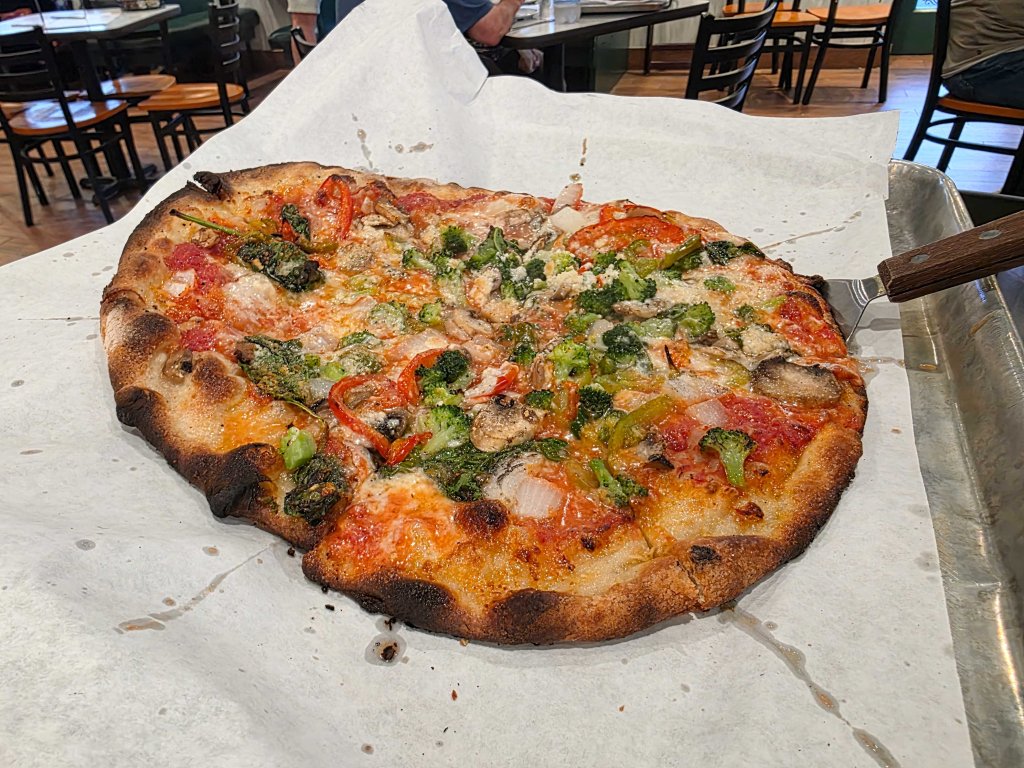
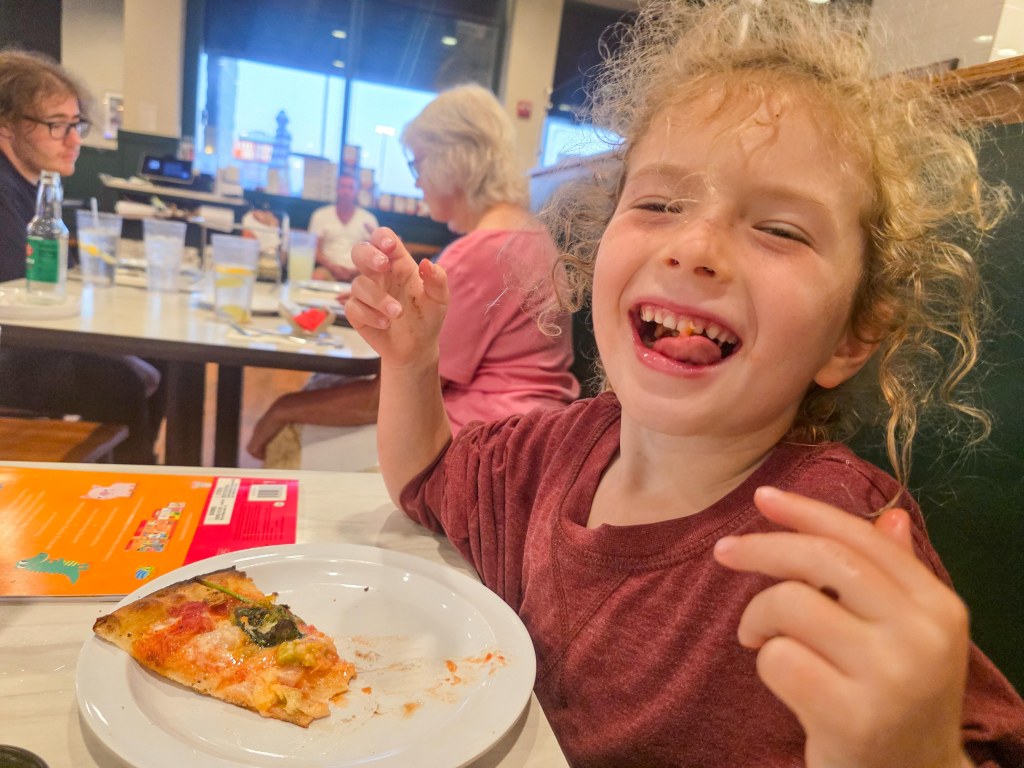
Then, dessert-time plot twist: we noticed an advertisement for a limited-time-only fresh tomato pizza, made only during this specific month with seasonal tomatoes. The lovely family at the table beside us, overhearing that we were visiting from San Diego, generously offered us a slice of theirs to try. It was, somehow, even better than the already-best pizza we’d eaten five minutes earlier. A perfect stranger’s kindness, delivered via aPizza.
We capped off the night with a flourless chocolate cake to enjoy back at the hotel, which was equally delicious, and drifted off to sleep after a wonderfully full day of exploring, in the very best way.

Bonus pic of the day:
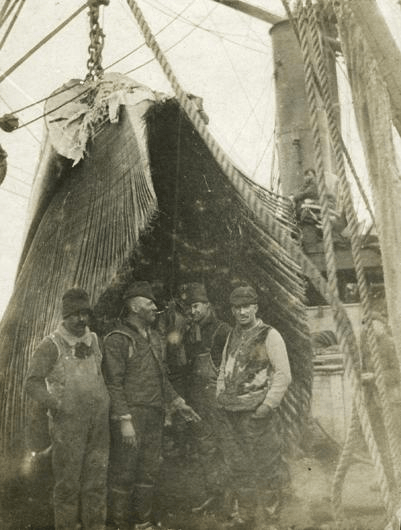
Whaling crews didn’t just kill a whale and go home. The second it was hauled alongside the ship, the whole vessel became a floating oil refinery. Sailors would strip the blubber off in long spiral ribbons (a gruesome process called “flensing”), then chop it into chunks nicknamed “bible leaves” because they were sliced thin like pages, so they’d melt down faster. The blubber was boiled in massive iron cauldrons called trypots, set right on deck over an open brick furnace, which meant the ship was literally cooking a bonfire on its own wooden floor in the middle of the ocean. The rendered oil was cooled, then packed into barrels and stored below deck for the rest of the voyage, sometimes three or more years.
And here’s the kicker: it wasn’t really about meat at all. Whale meat spoiled fast and wasn’t the prize. The real product was the oil, prized for lighting lamps and lubricating machinery before petroleum took over, plus baleen (the flexible plates from a whale’s mouth), which was used like an early form of plastic in things like corsets, umbrella ribs, and buggy whips. So a 19th-century whaling ship was less “hunting for food” and more “hunting for lamp fuel and Victorian-era corset stays,” which is a strange thing to risk your life at sea for.
Also, fun fact: Norway passed the first Whale Protection Law in1904, marking one of the earliest specific pieces of national legislation to ban or restrict whale hunting in regional coastal waters.

 WHERE IS NOODLE