We finally rolled into Portland, Maine, checked into our hotel on the outskirts of town, and drove into downtown to see what the city had to offer.
A Soggy First Impression
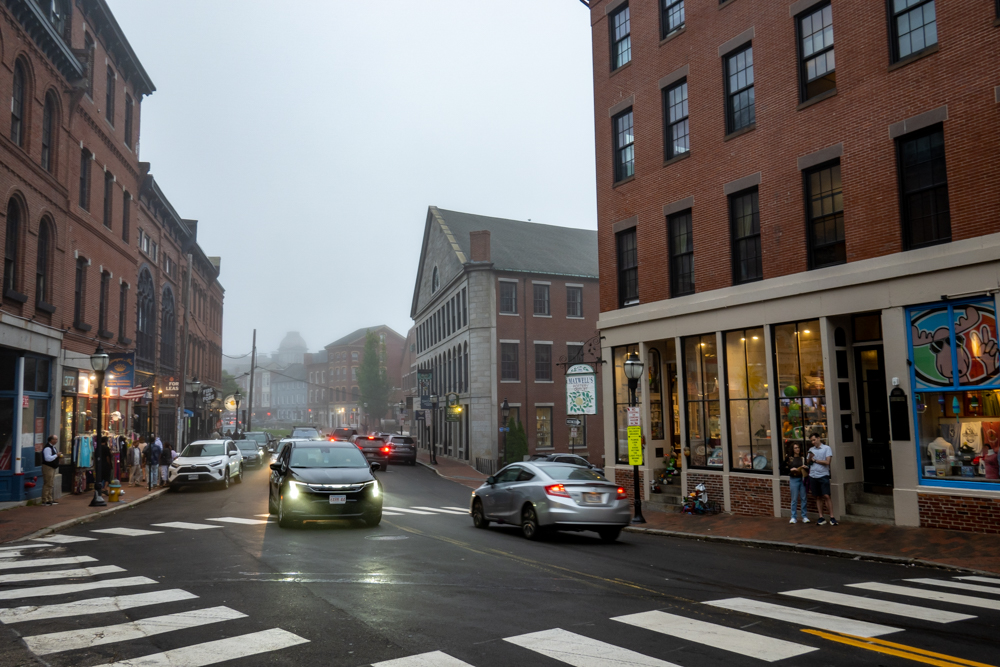
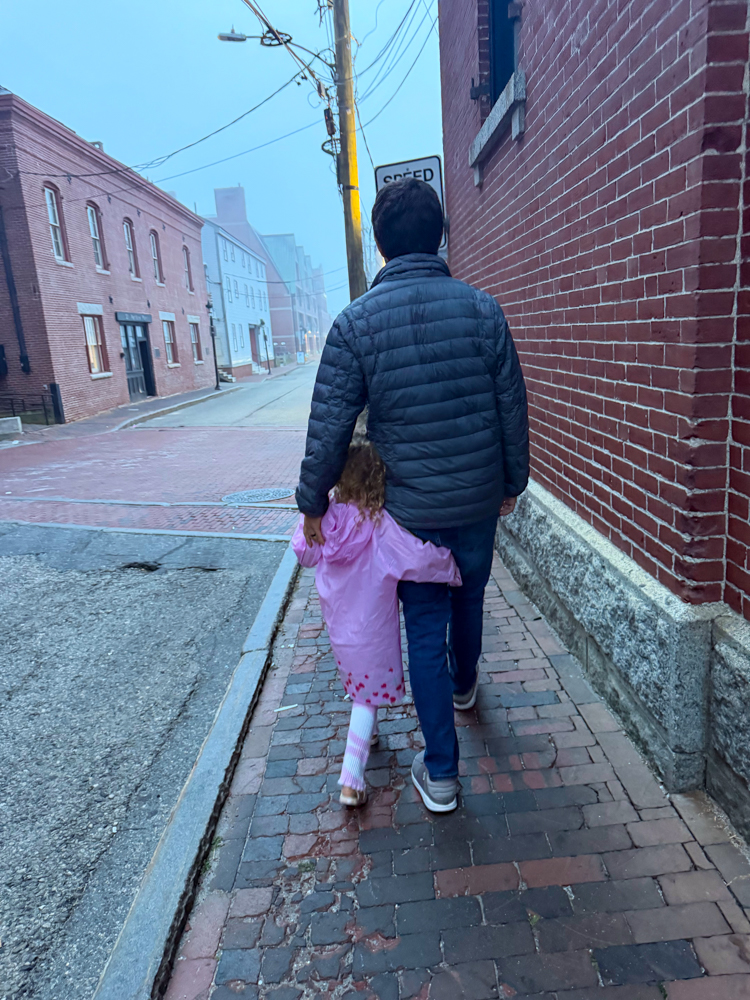
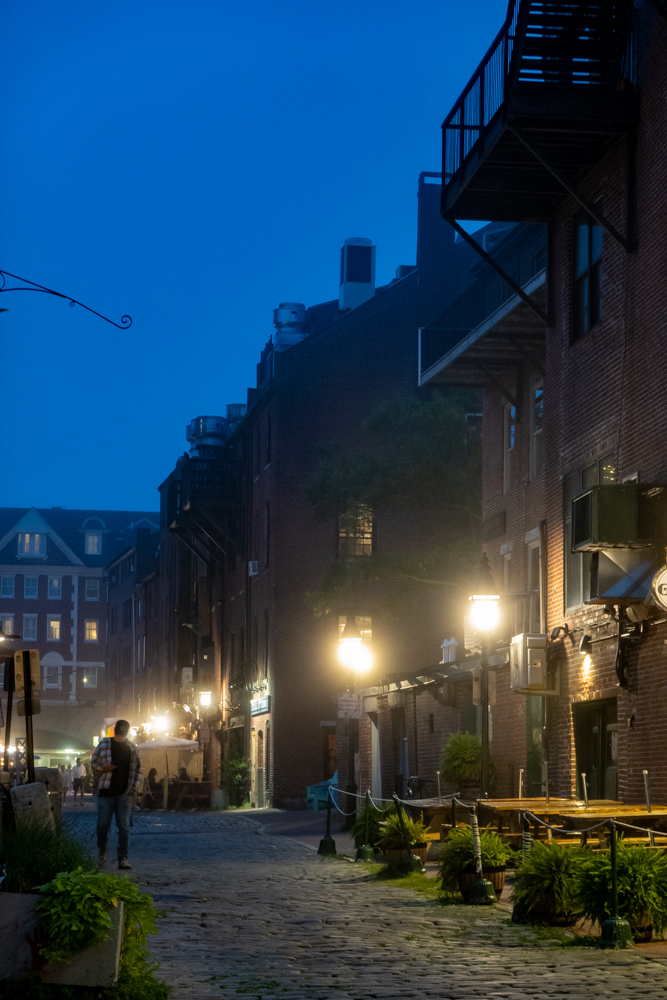
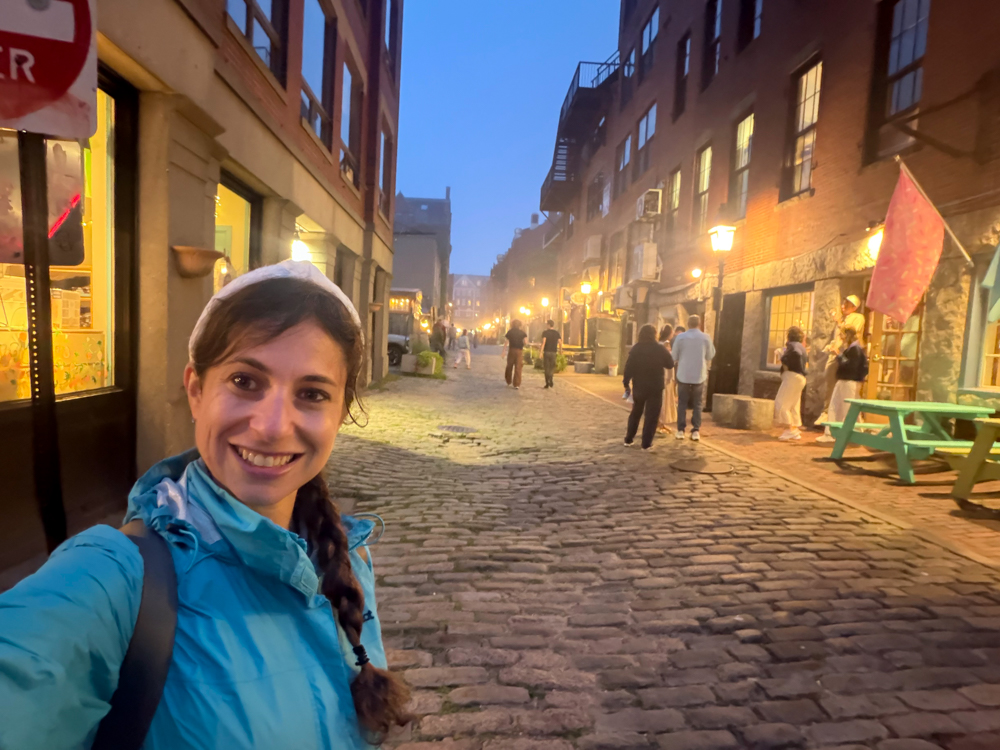
The weather had other plans for us. Low visibility, thick clouds, and steady rain greeted us, and by the time we arrived most shops were already closing up for the evening. Downtown Portland, it turned out, does not perform its best material for tourists arriving in a gray drizzle at closing time.
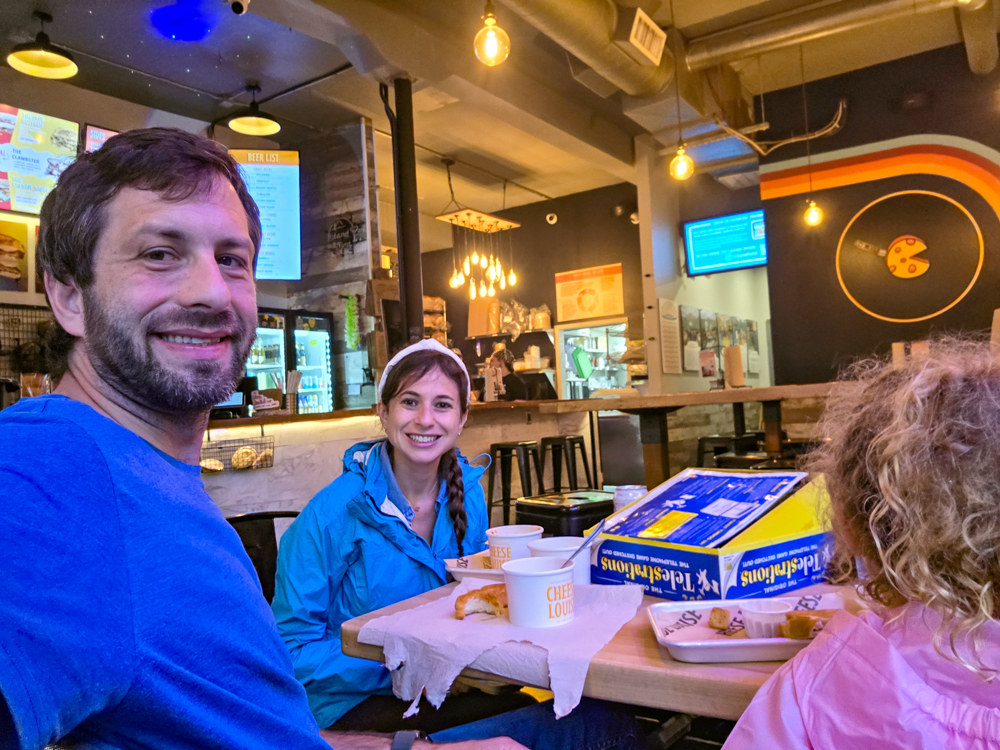
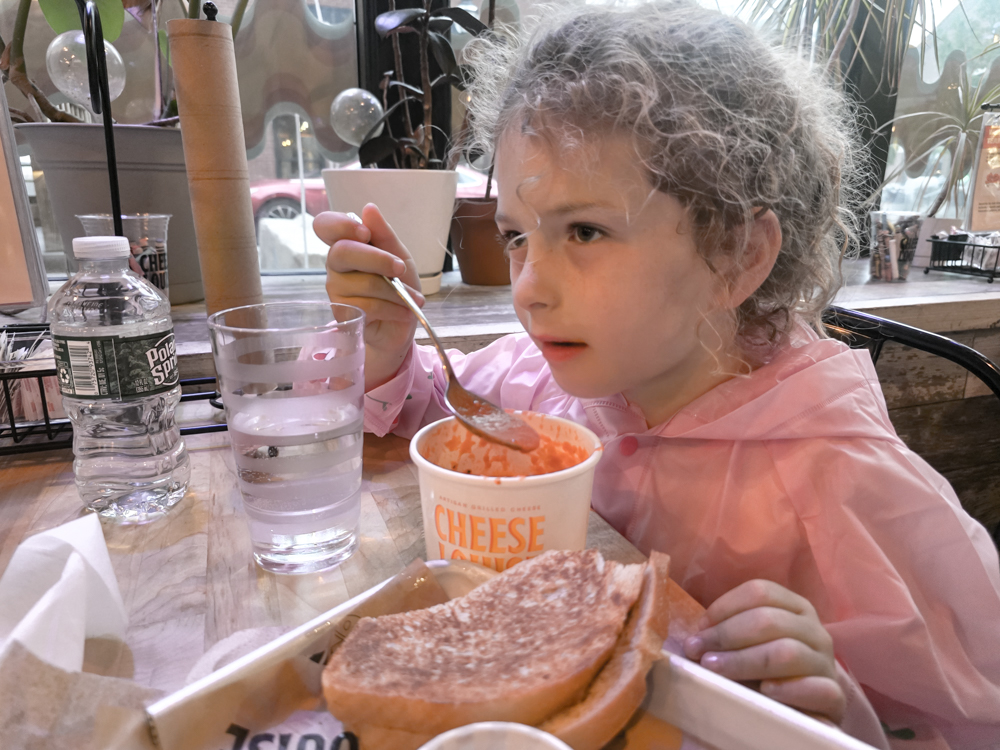
Hungry but not in the mood for a sit-down meal, we found a famous grilled cheese sandwich spot and shared a few things off the menu. The real star was the tomato soup, which was exactly the warm, comforting thing our rain-soaked souls needed. Sometimes the best meal of the trip isn’t the fanciest one, it’s the one that matches the weather.
Whack-a-Plank and the Best Lobster Roll We Almost Didn’t Eat
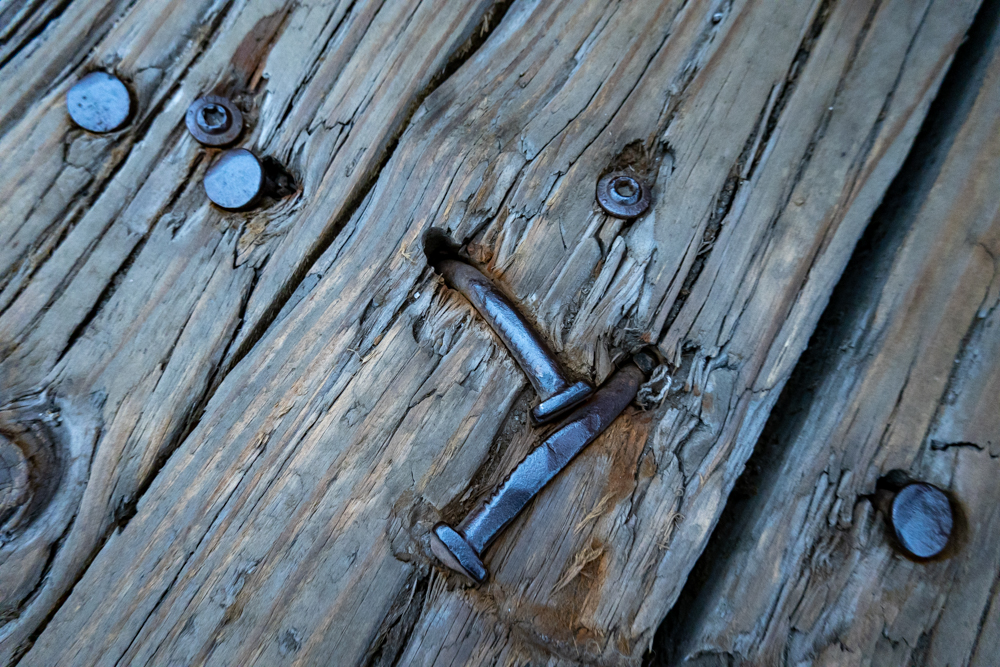
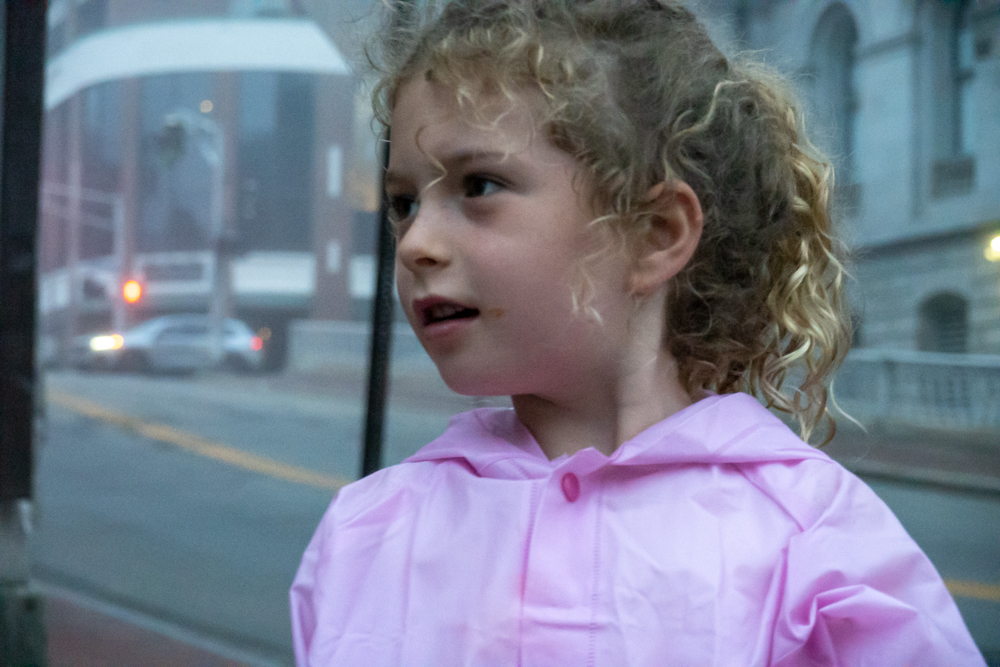
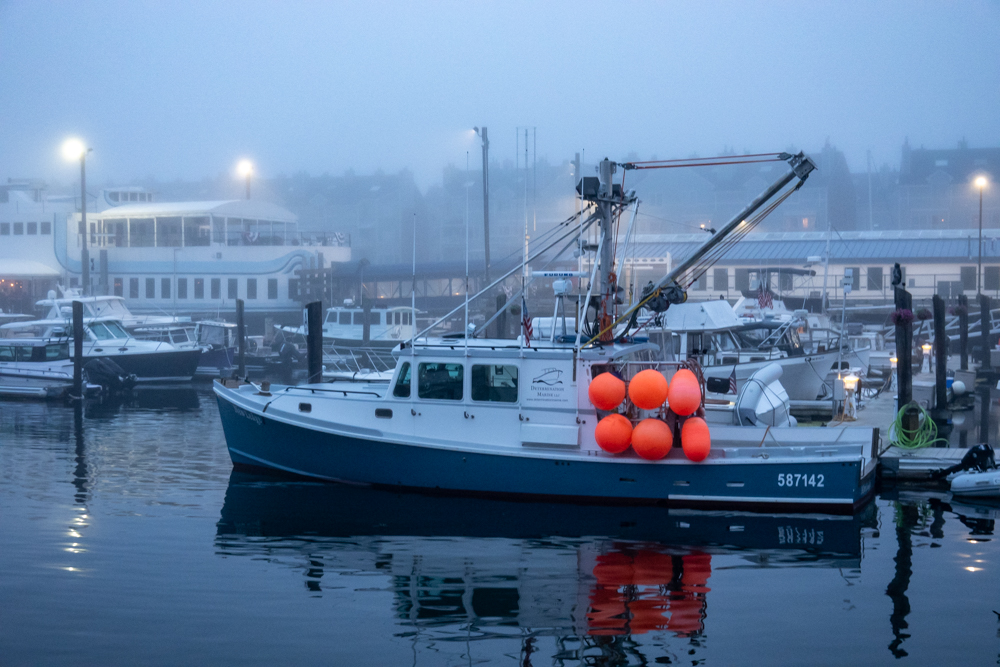
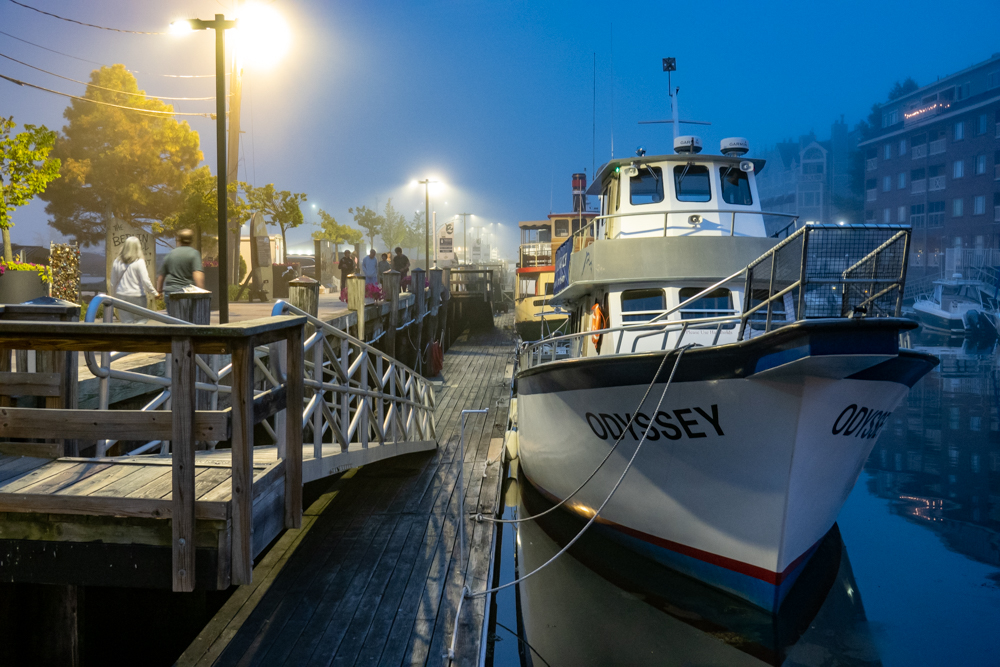
We kept wandering and found a narrow alleyway leading down to the water. At the end of it was a wooden dock with a section of loose planks that, when stepped on, popped and wobbled underfoot. This accidentally turned into a spontaneous game of real-life whack-a-mole, and Ariela had an absolute blast hopping from plank to plank while we tried not to think too hard about dock maintenance schedules.
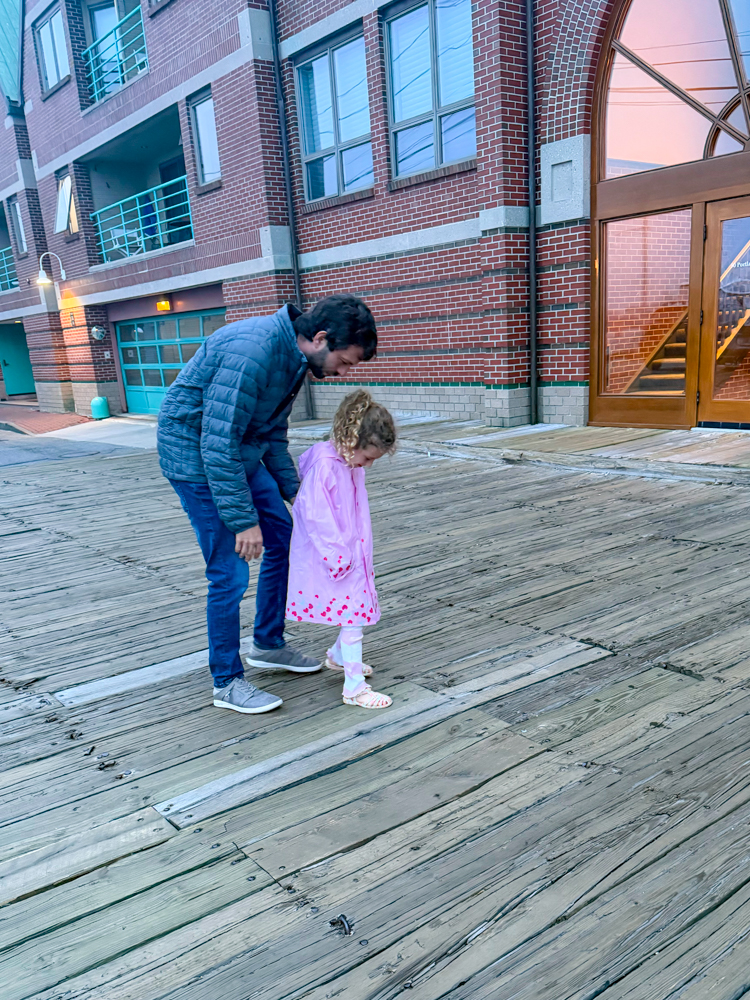
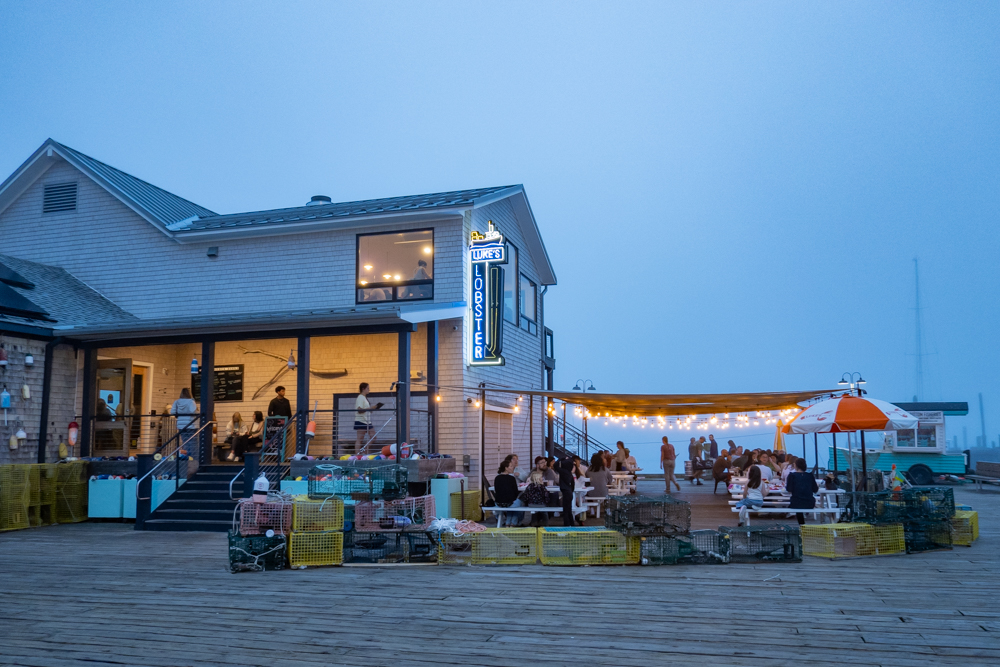
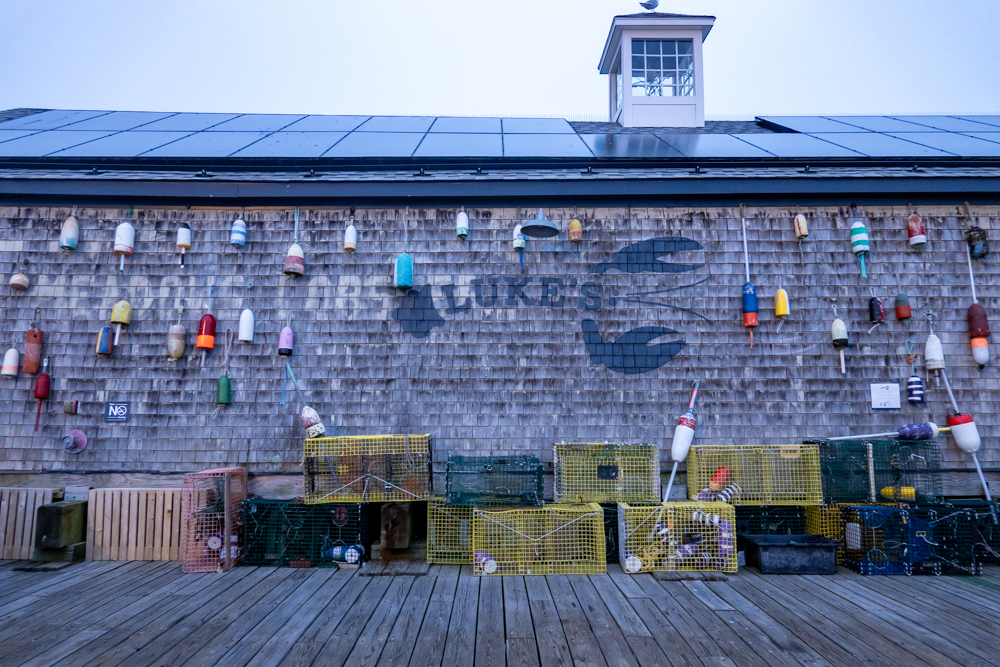
At the end of this alley sat Luke’s Lobster, apparently home to the best lobster roll in the city. We made a mental note to return the next day, since we’d already filled up on grilled cheese and soup and simply had no room left. Foreshadowing, again.
We walked a few more blocks, enjoying the strange, quiet emptiness of a rainy coastal city at night, before exhaustion caught up with us and we called it a night.
Morning Bagels and a Drive to Cape Elizabeth
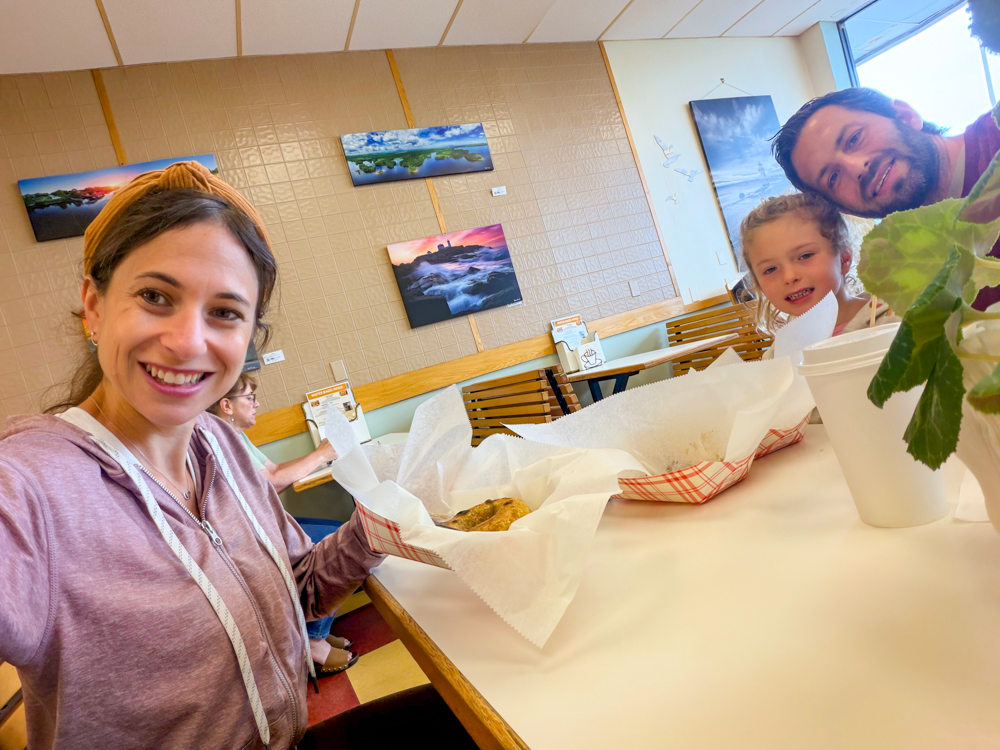
The next morning we grabbed quick bagels and hit the road for Cape Elizabeth, home to Maine’s most famous lighthouse and one of its most photographed landmarks in the entire country.
Portland Head Light: A George Washington Original
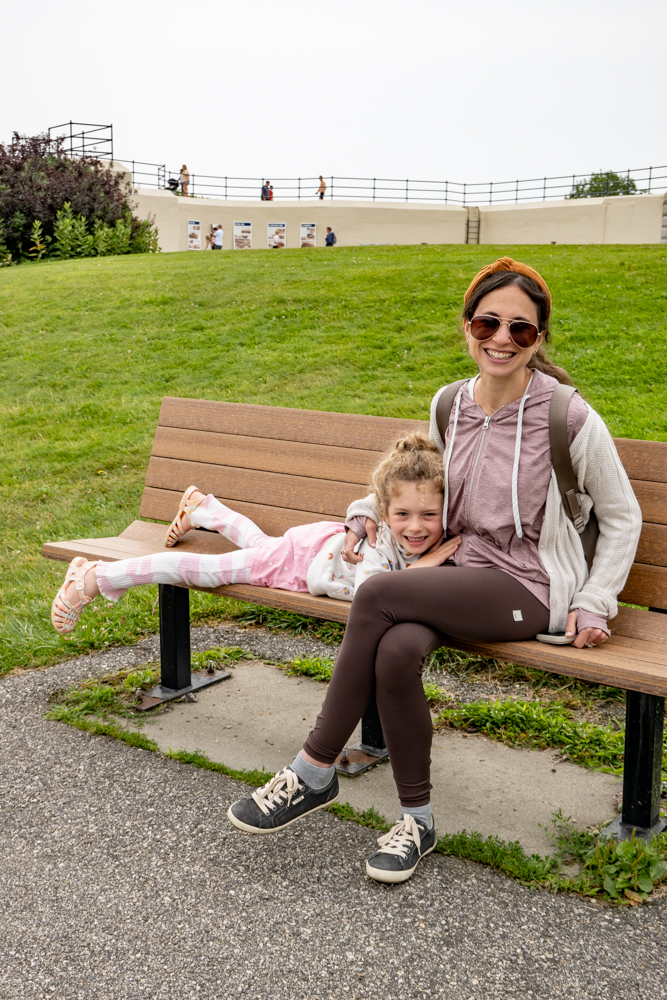
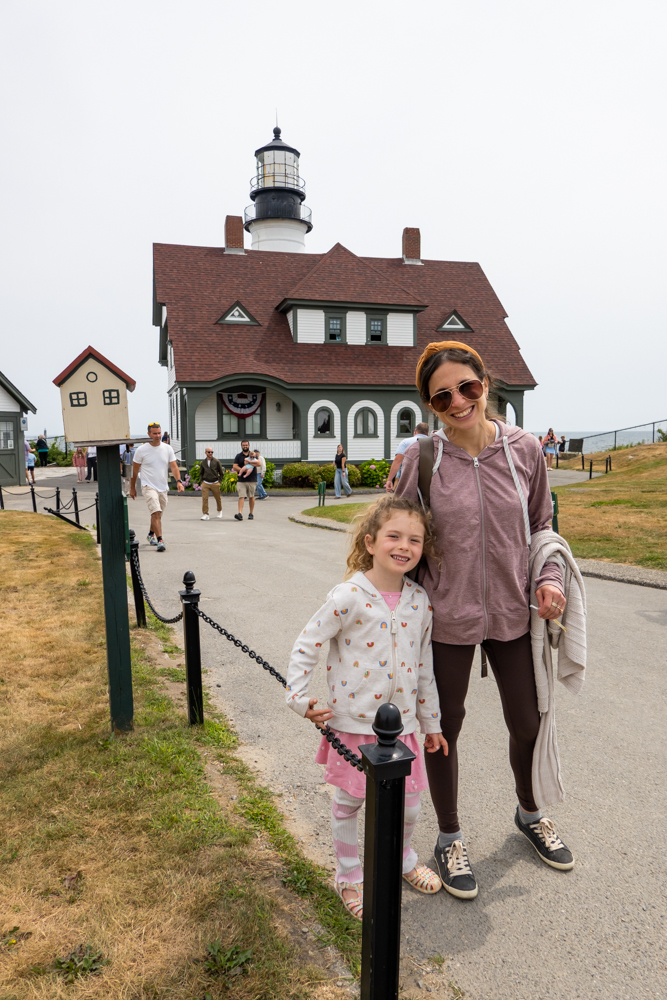
Portland Head Light, set inside the 90-acre Fort Williams Park, is genuinely spectacular, and it comes with serious pedigree. Its construction was ordered directly by President George Washington in 1787, and the light was first lit on January 10, 1791, making it the oldest lighthouse in Maine and one of only four lighthouses still standing that Washington personally commissioned. The tower rises 80 feet and its beam can be seen up to 24 nautical miles out to sea, which is an absurd amount of visibility on a clear day and precisely zero visibility on the kind of day we’d just had in downtown Portland.
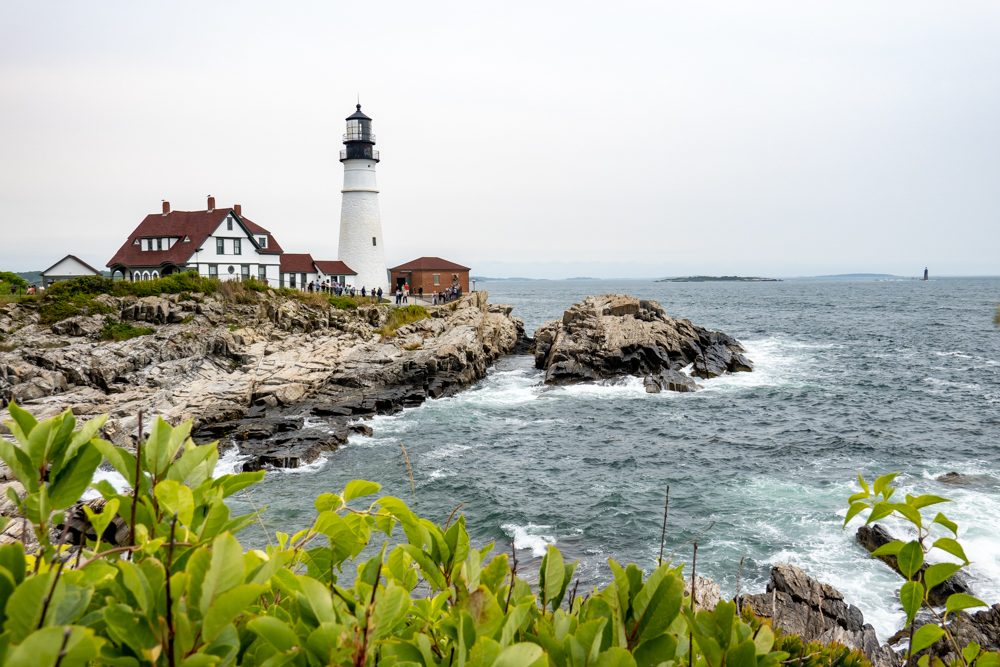
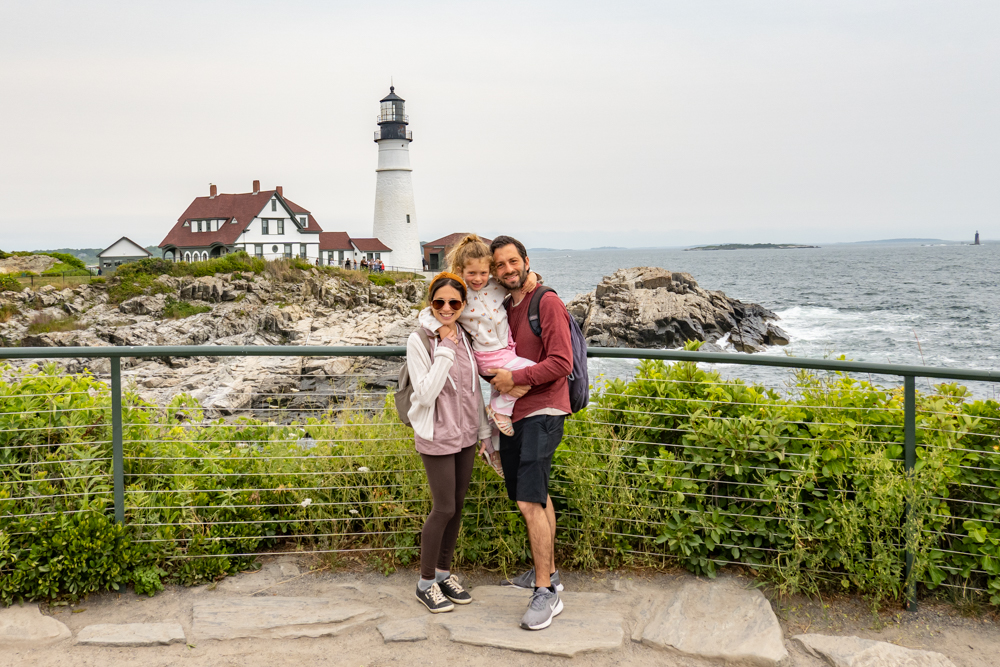
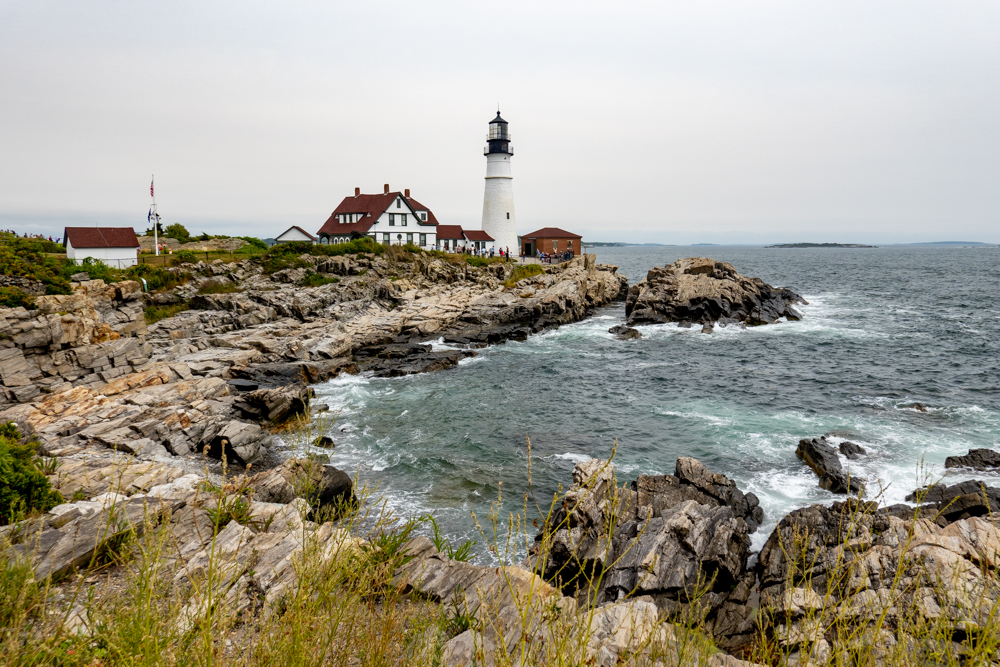
The fort itself, once an active US Army post through both World Wars, doesn’t offer much to see today beyond some old bunkers and gun emplacements scattered across rolling lawns. But the lighthouse views more than make up for it.
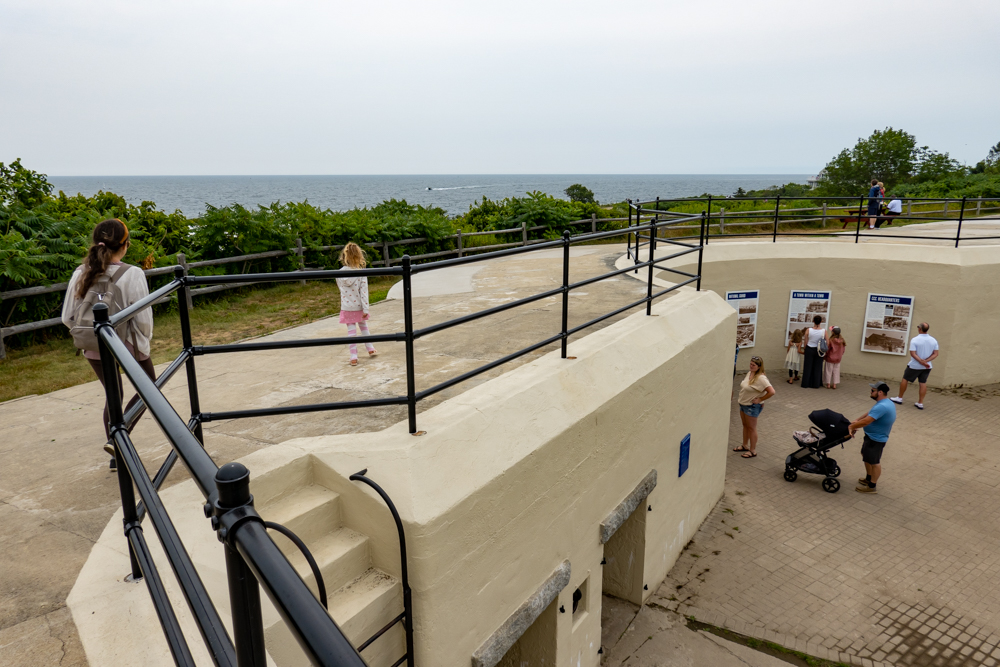
The whole scene is so picturesque that poet Henry Wadsworth Longfellow, a frequent visitor, was inspired to write his poem “The Lighthouse” after spending time here.
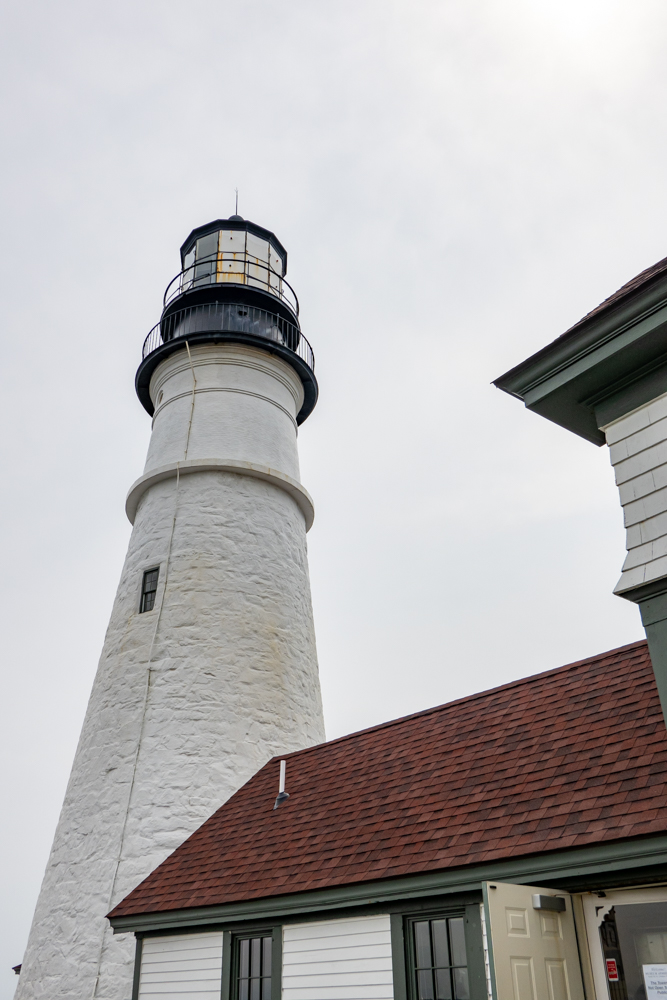
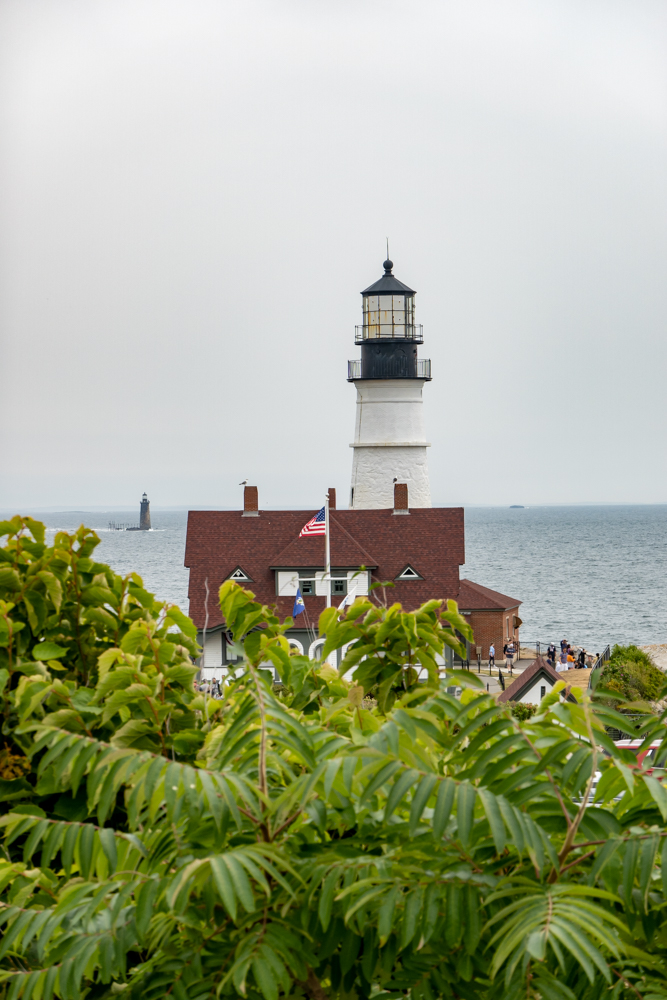
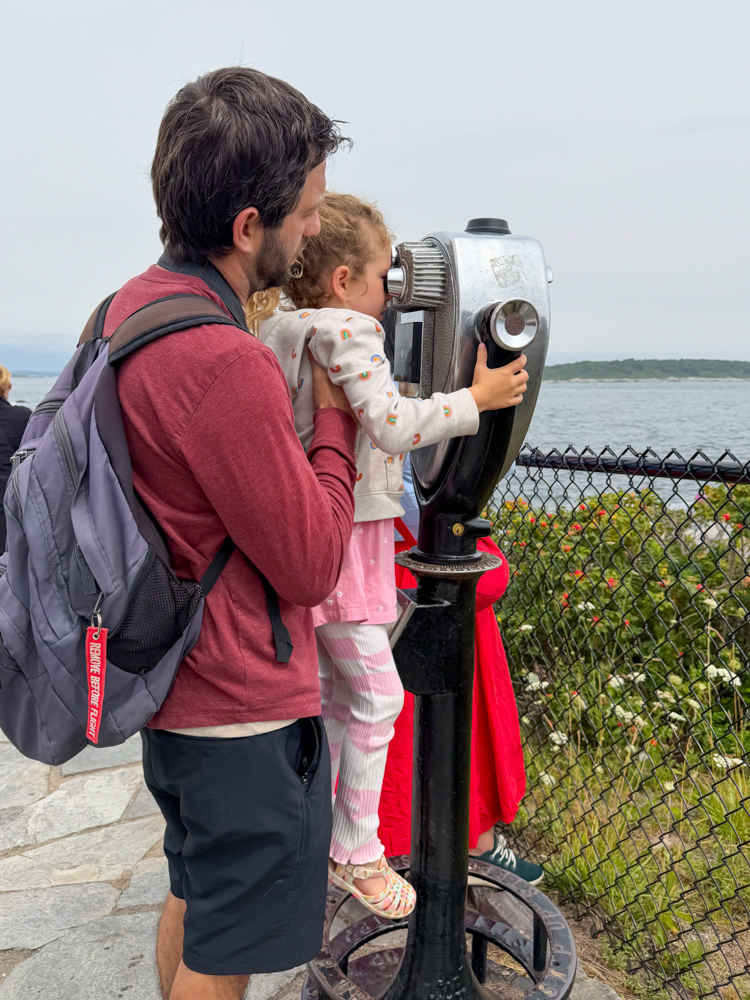
You can walk out to the north and south ends of the point for photos, though the tower itself isn’t open to the public except on one special day each year.
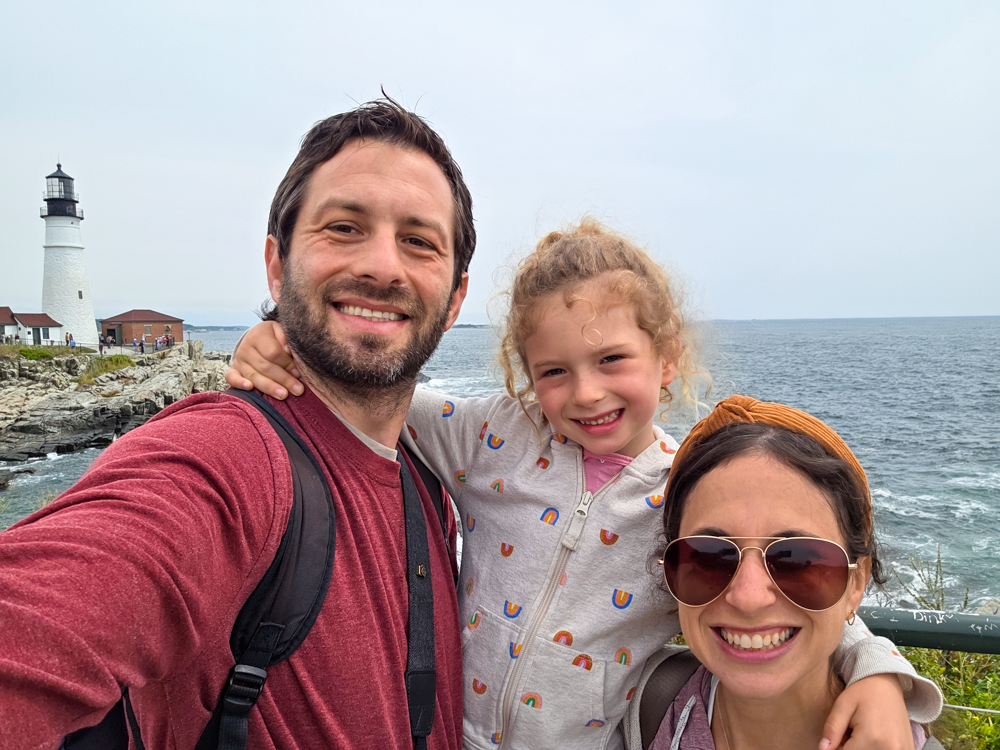
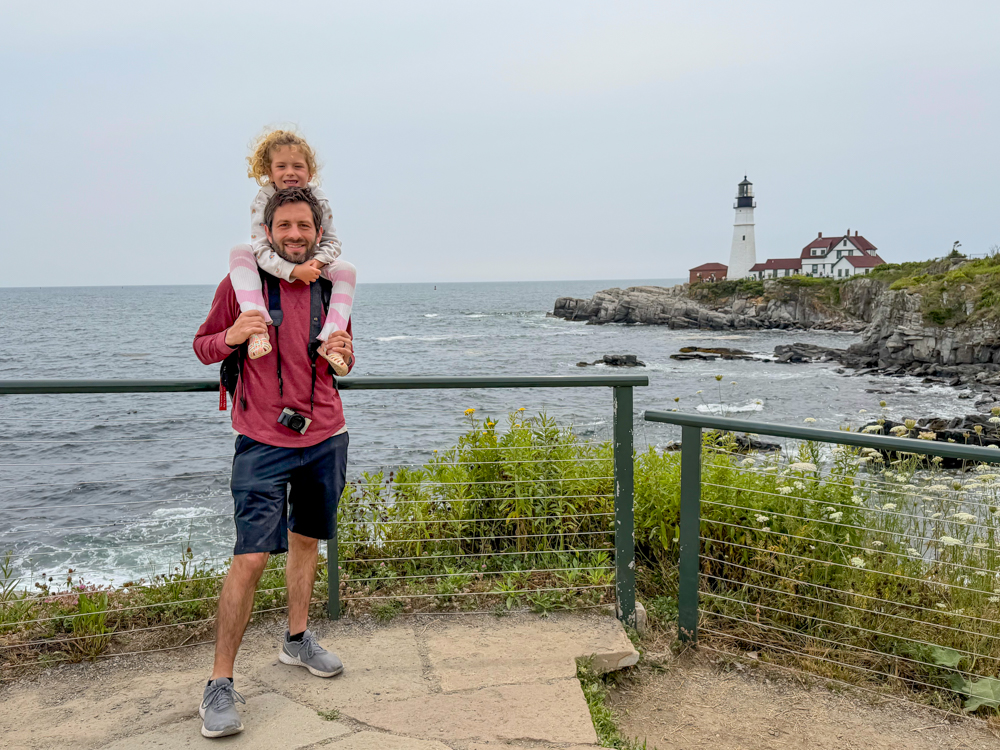
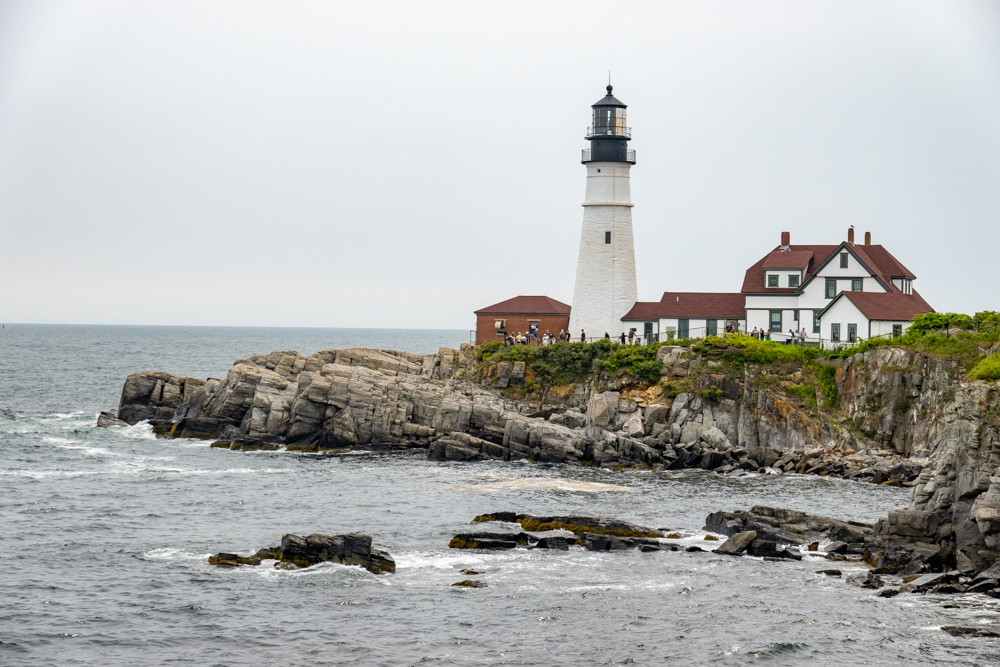
While we were there, a kind couple offered to take a Polaroid photo of our family. Ariela was utterly baffled watching the photo physically develop in front of her eyes. In an age of instant digital everything, watching a picture slowly materialize out of a blank square of plastic was, to her, actual sorcery. We now officially refer to it as “the magic photo.” (Also, becuase none of us can actually explain the science behind it).
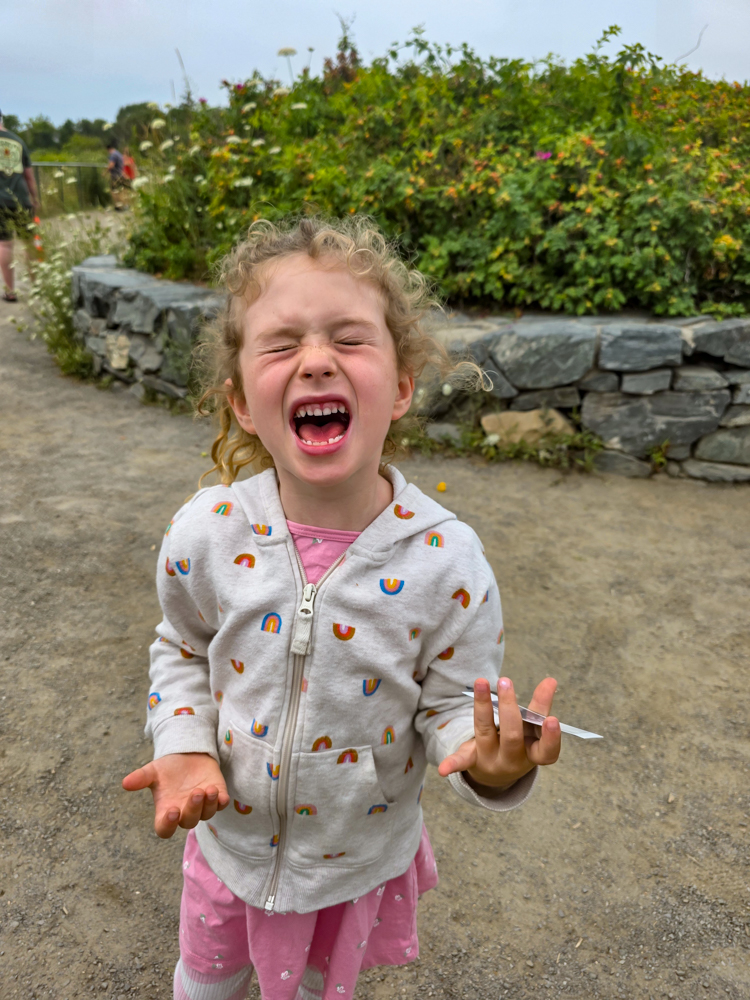
Freeport and the Store That Never Sleeps
From the coast we drove 30 minutes north to Freeport, home to the L.L. Bean flagship store. I’ll admit going in that I wasn’t entirely sure why a retail store qualifies as a tourist destination, but here we were, ready to find out.
First, a practical detour: we stopped at a nearby Old Navy for Sarah to grab some socks, then headed to L.L. Bean, where we picked up a sweater for her since she’d forgotten to pack one for the trip. Priorities.
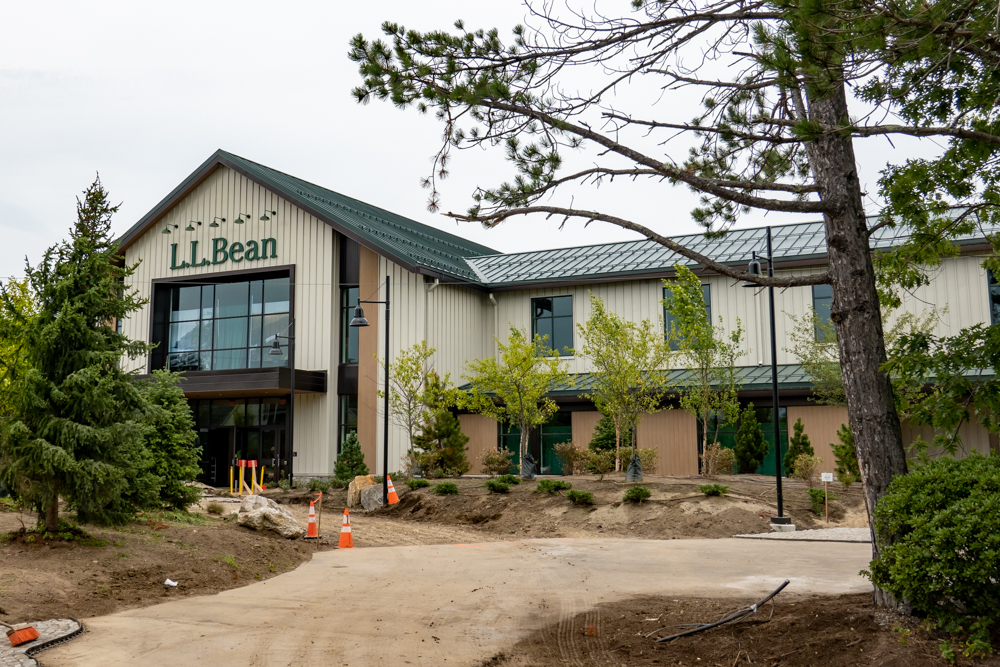
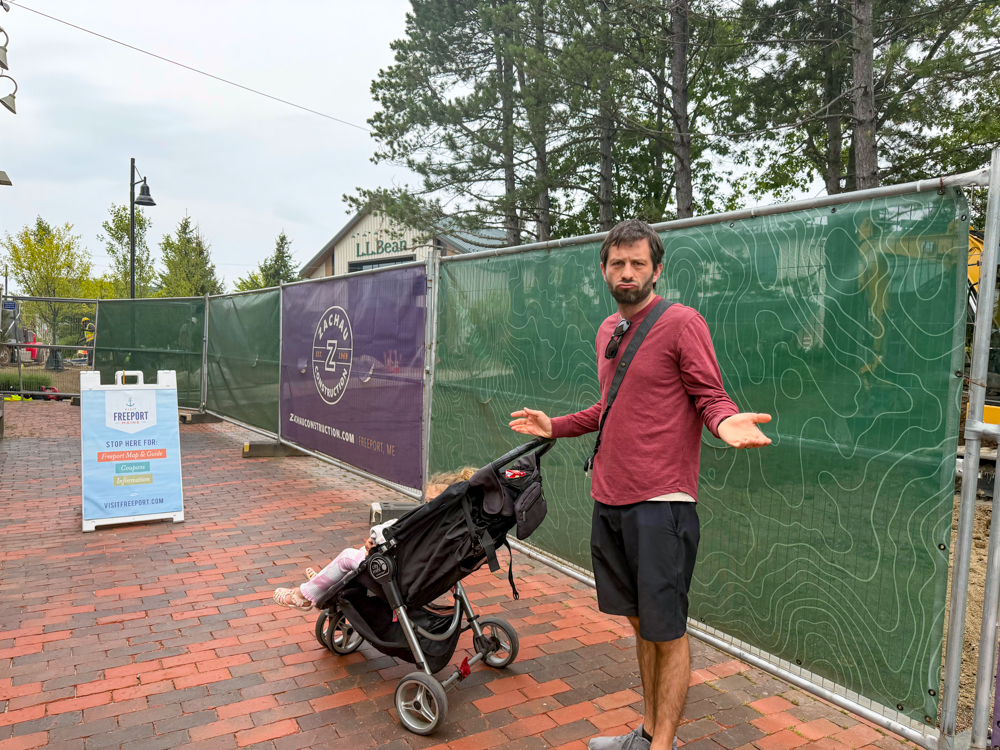
The main flagship building was closed for renovations, temporarily relocated into a massive tent, but other buildings covering home decor, camping gear, and more were still open.
Here’s the fact that actually makes L.L. Bean worth the visit: this flagship store has been open 24 hours a day since 1951, when founder Leon Leonwood Bean famously “threw out the keys” and removed the locks from the doors entirely. Before the pandemic forced a temporary closure, the store had only shut its doors three times in nearly 70 years: for President Kennedy’s funeral in 1963, for founder Leon Bean’s own funeral in 1967, and for the funeral of his grandson and longtime CEO Leon Gorman in 2015. Otherwise, at any hour of any night, you could walk into this store in the middle of the Maine woods and buy a canoe paddle. Respect.
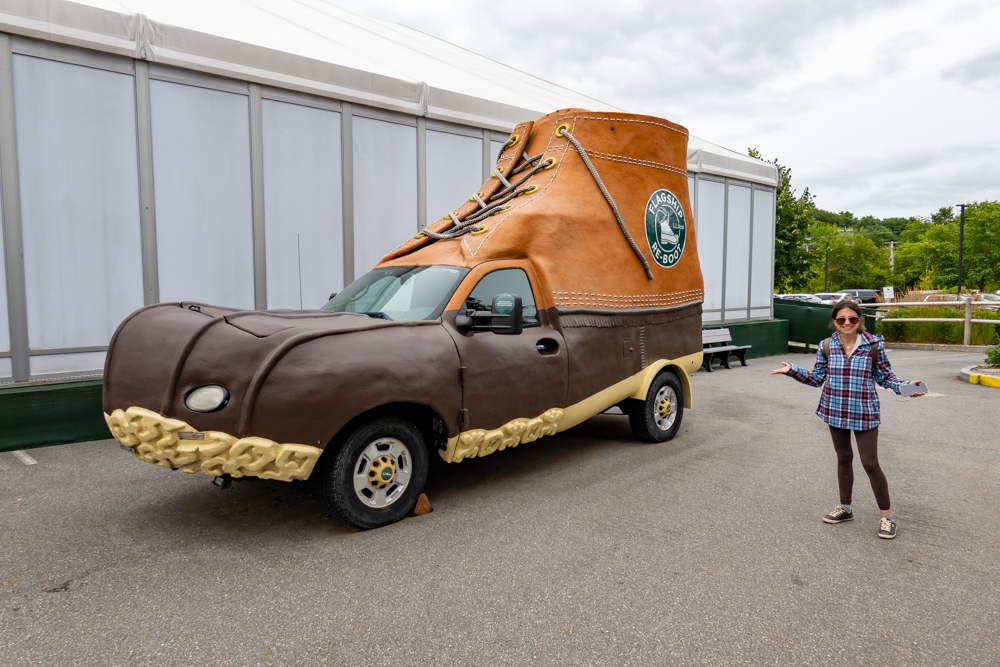
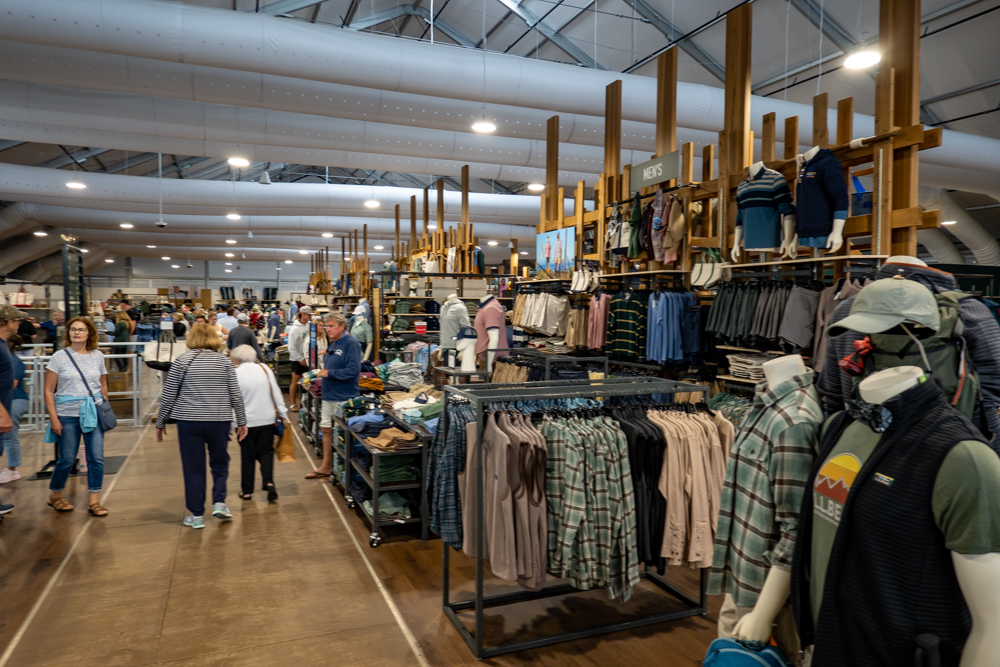
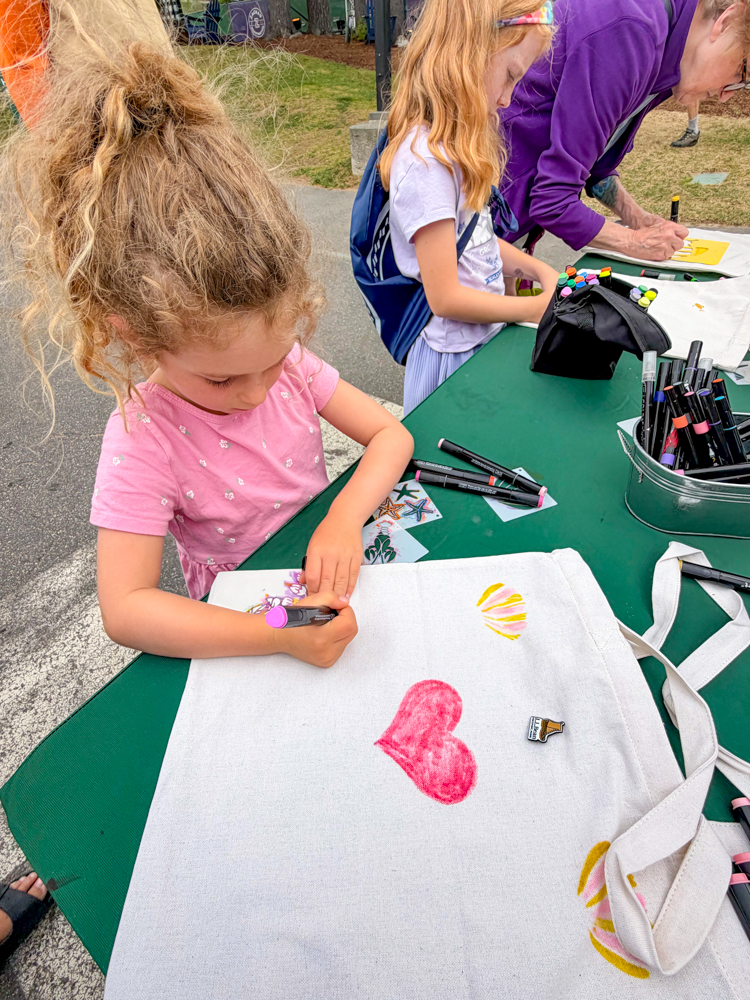
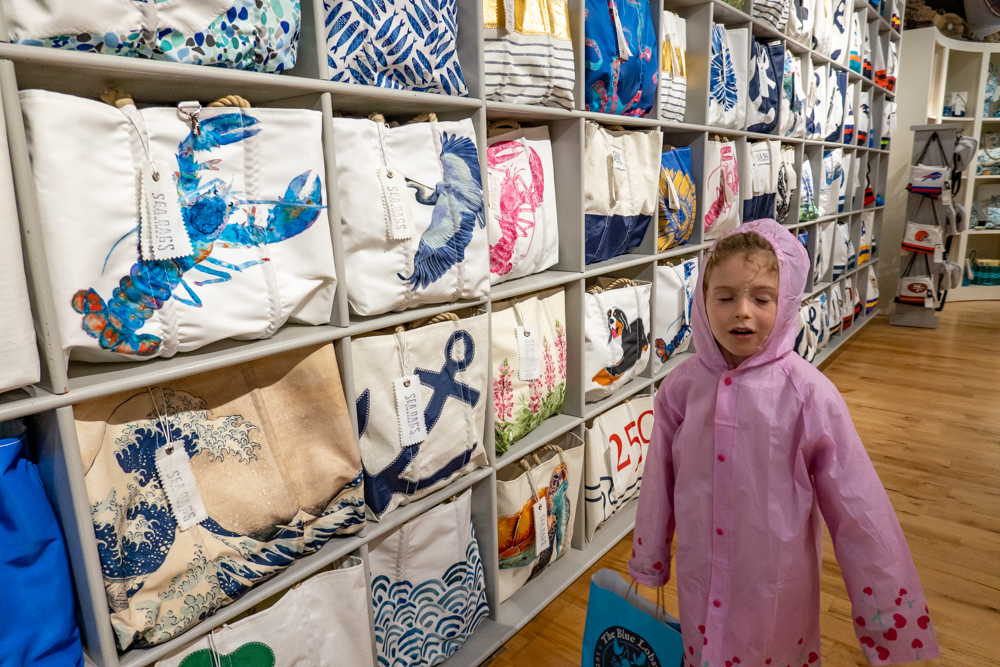
Beyond that, though, it was just… a store. A very large, historically significant store. They did have activities set up outside for kids, and Ariela had fun making her own custom L.L. Bean bag, so the visit wasn’t a total loss for the youngest member of our crew.
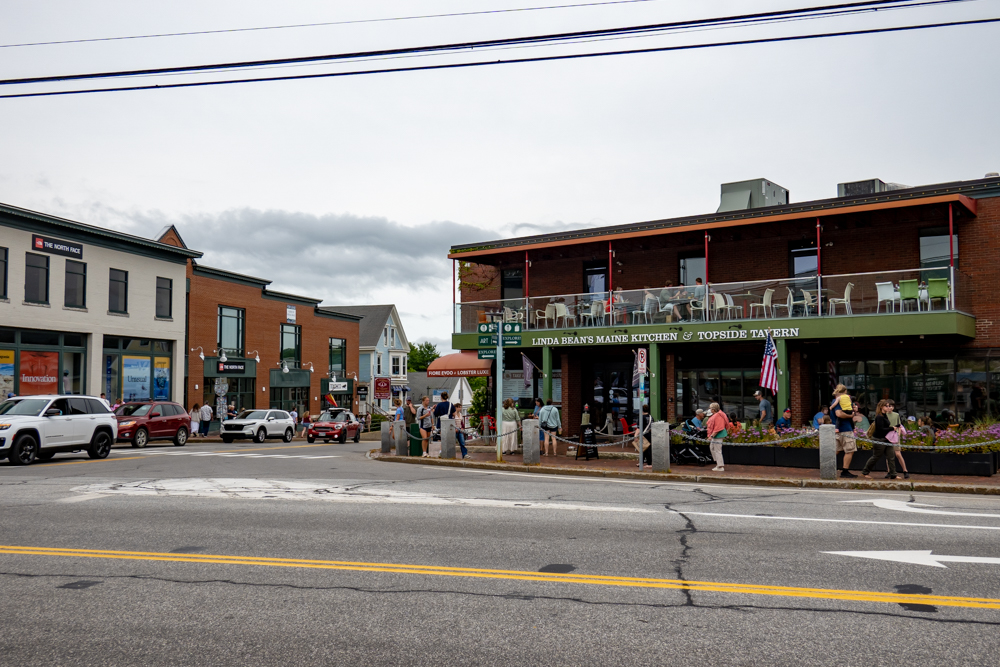
We walked around the town, but not much to see here besides a couple restaurants and interestingely, most competitor brand stores, such as Northface and Patagonia.
Two Breweries, One Redemption Arc
Heading back toward Portland, we stopped at Allagash Brewing Company, the birthplace of Eitan’s beloved Allagash White. A little history: founder Rob Tod started the brewery in 1995 in a small space on the outskirts of Portland, inspired by traditional Belgian witbier after noticing that while German and British beer styles were everywhere in America, good Belgian-style beers were nowhere to be found. Allagash White remains the brewery’s top seller decades later and is considered one of the most awarded witbiers in the world.
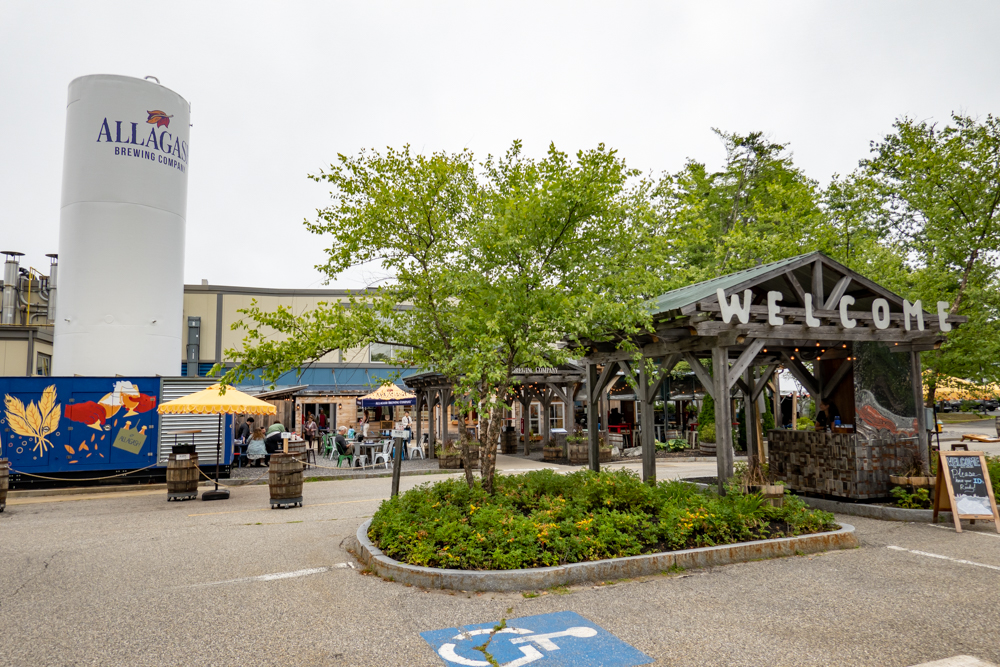
Unfortunately, high expectations set us up for disappointment. While the White lived up to its reputation, the rest of the lineup we sampled didn’t quite hit the mark for us.
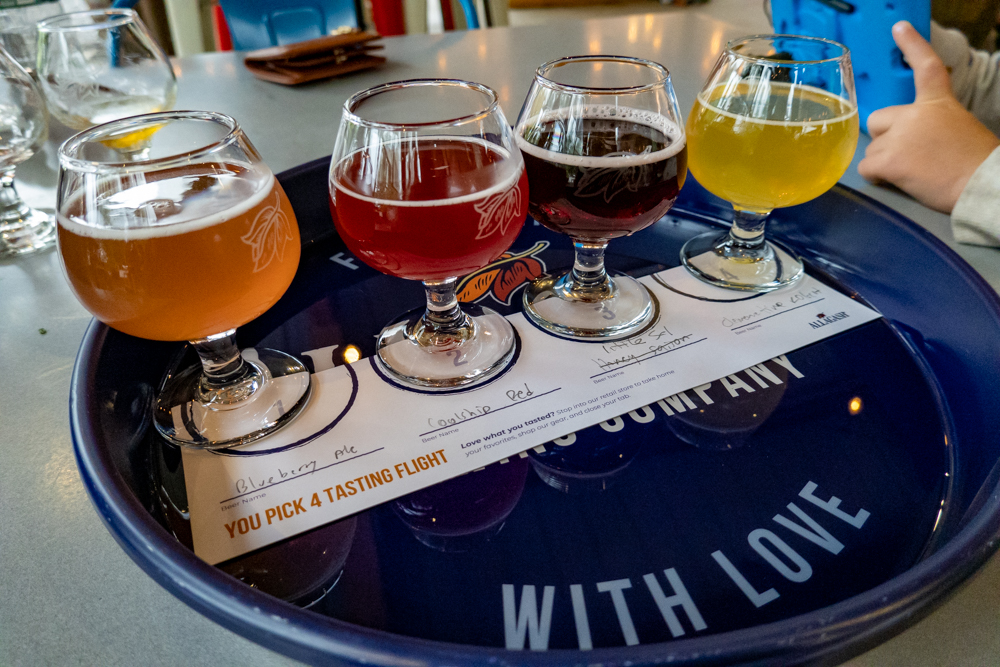
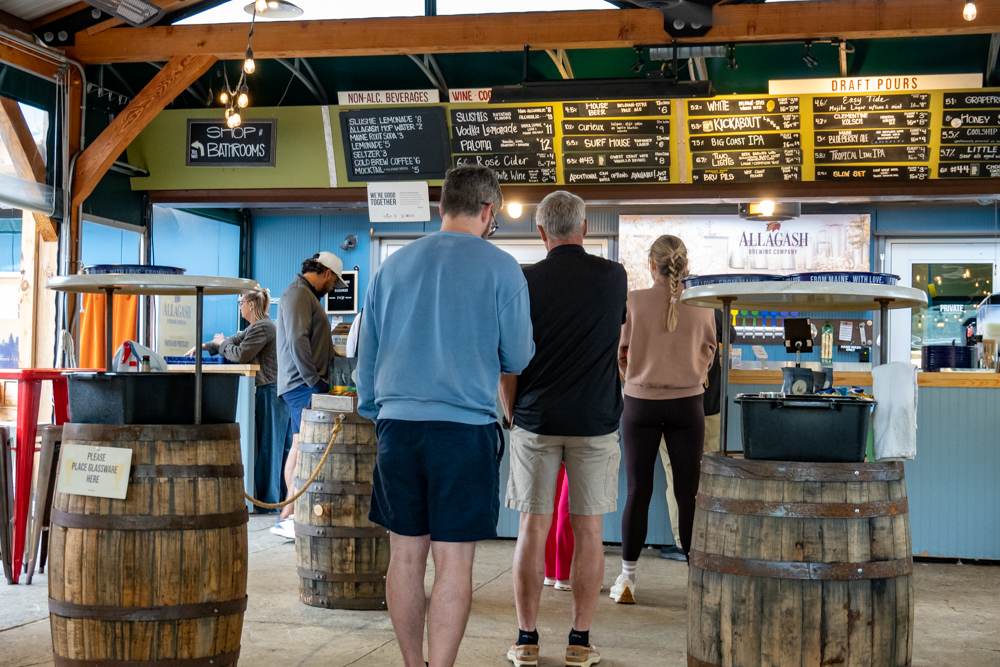
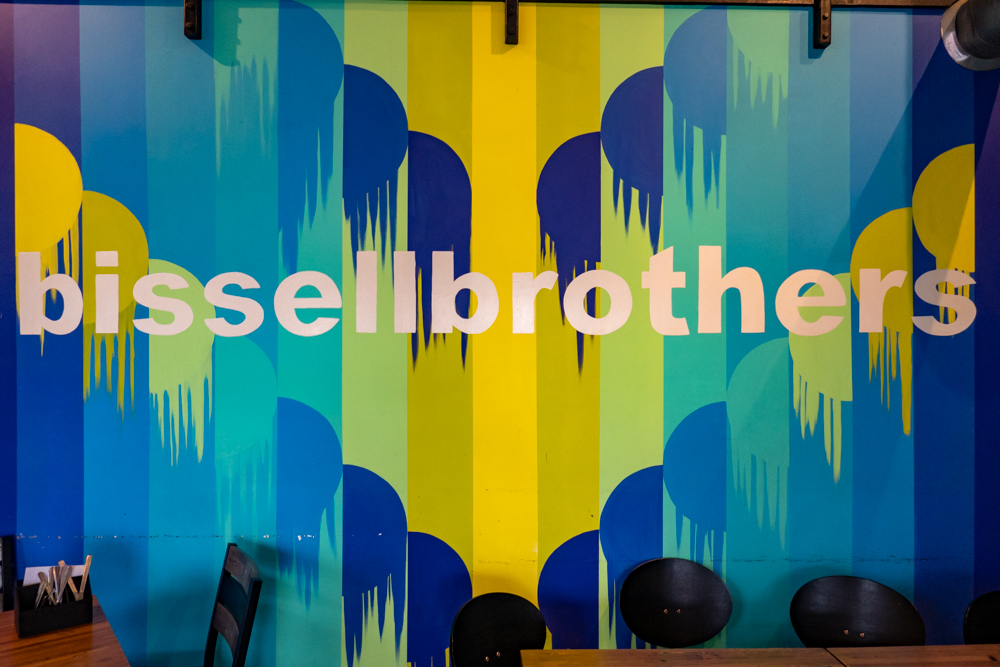
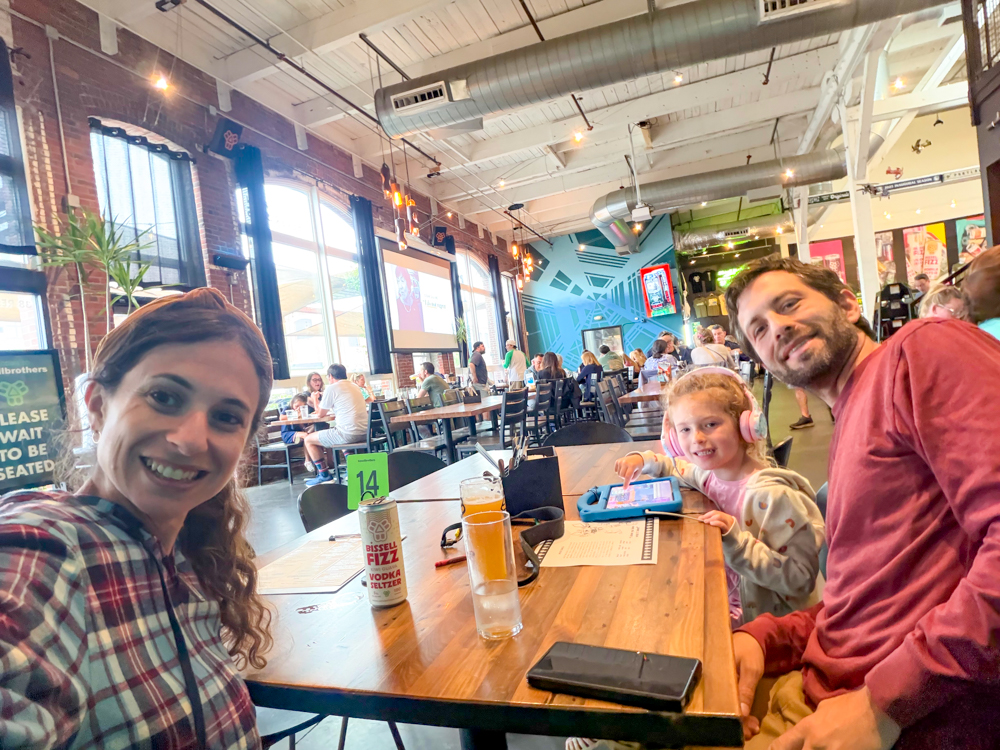
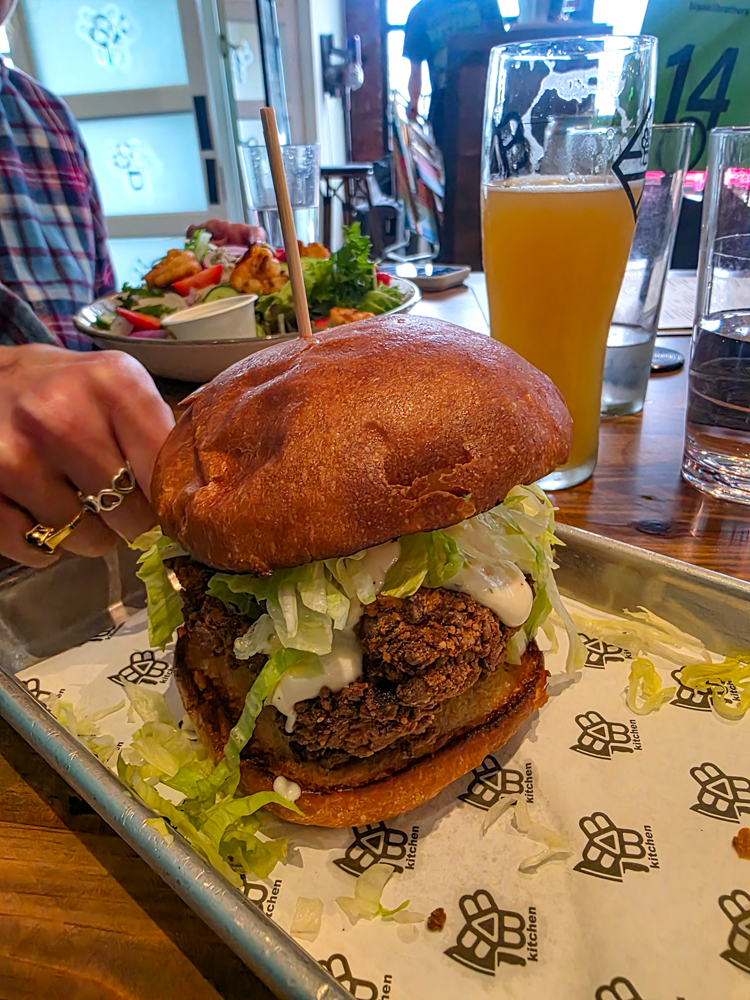
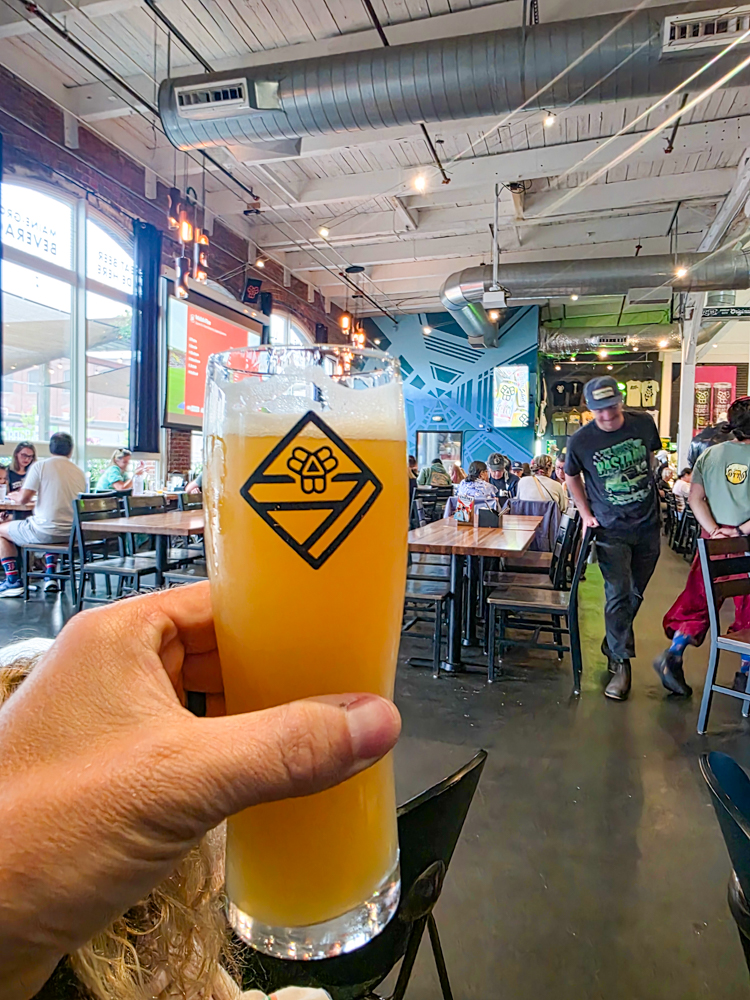
Determined to give Maine’s beer scene a fair shake, we drove to a second spot, Bissell Brothers, and this time the redemption arc played out beautifully. Great food, great beer, genuinely worth the stop. Maine’s craft beer reputation was saved in the nick of time.
A Second Look at Downtown
We waited out the rain and then walked around downtown Portland again, this time with actual daylight on our side. With stores finally open and visibility restored, we got a much better sense of the city and enjoyed the walk considerably more than our soggy first attempt.
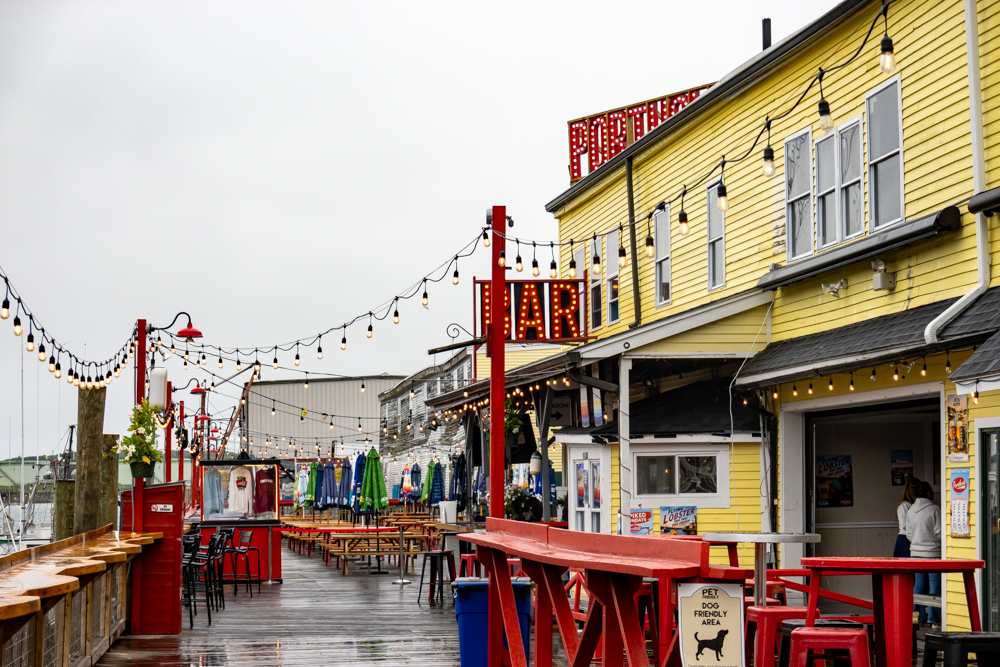
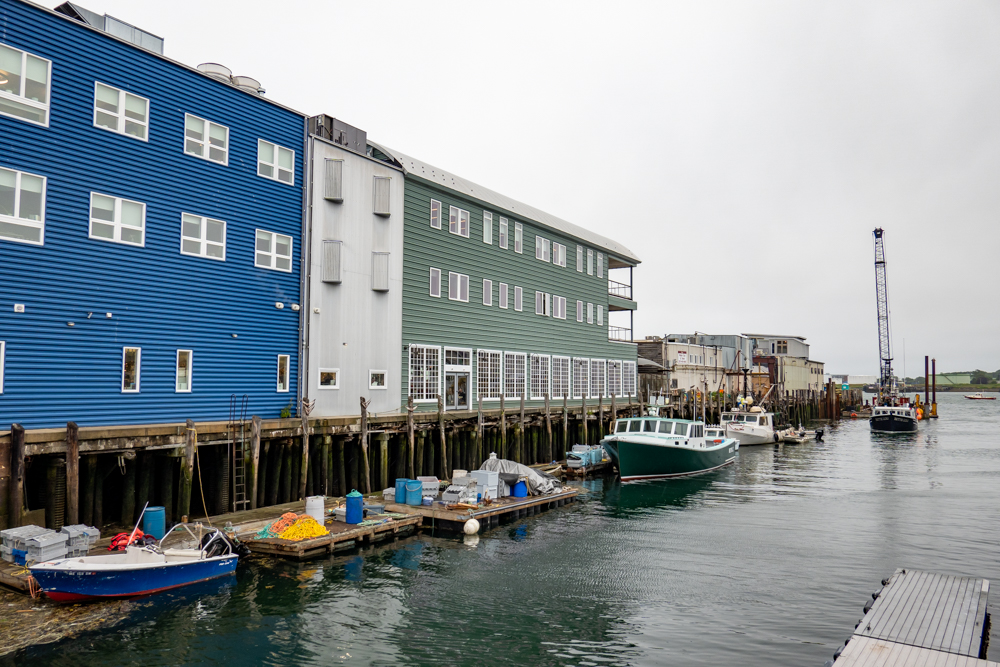
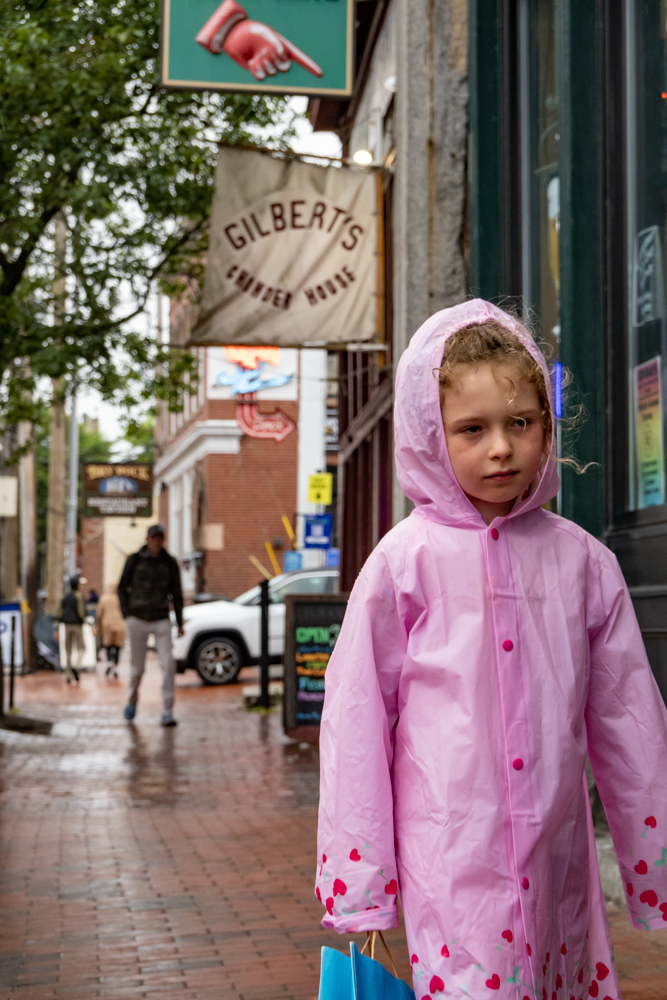
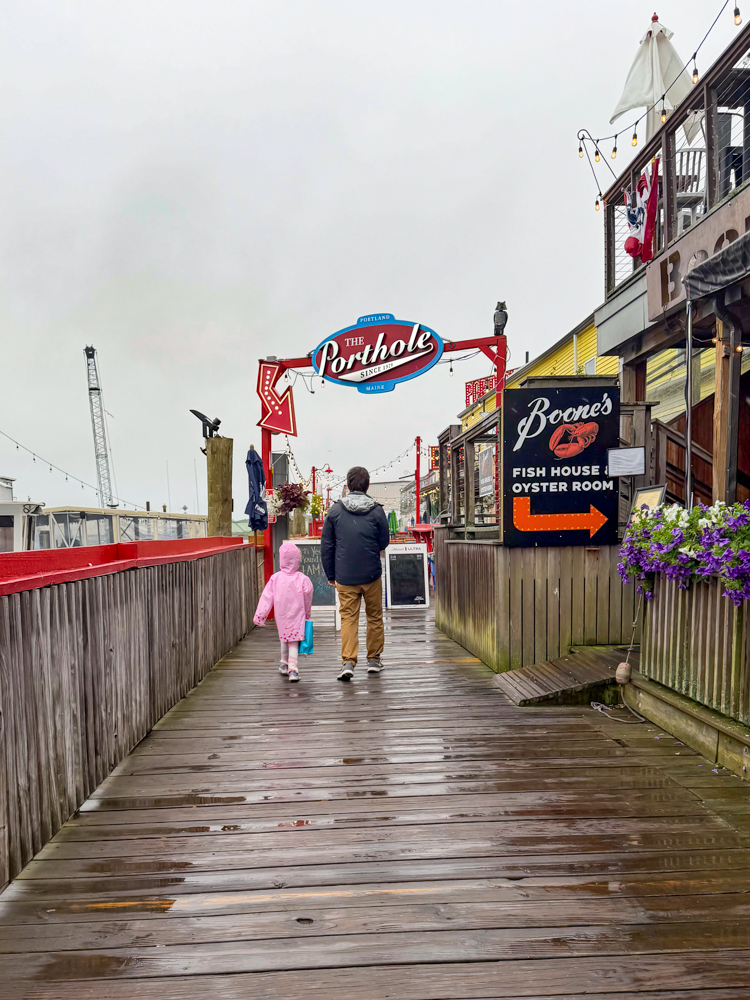
Our honest overall verdict: Portland was fine, not amazing. We suspect the miserable weather colored our first impression more than it should have, but even accounting for that, the city just didn’t fully win us over the way some other New England stops did.
The Great Lobster Roll Reckoning
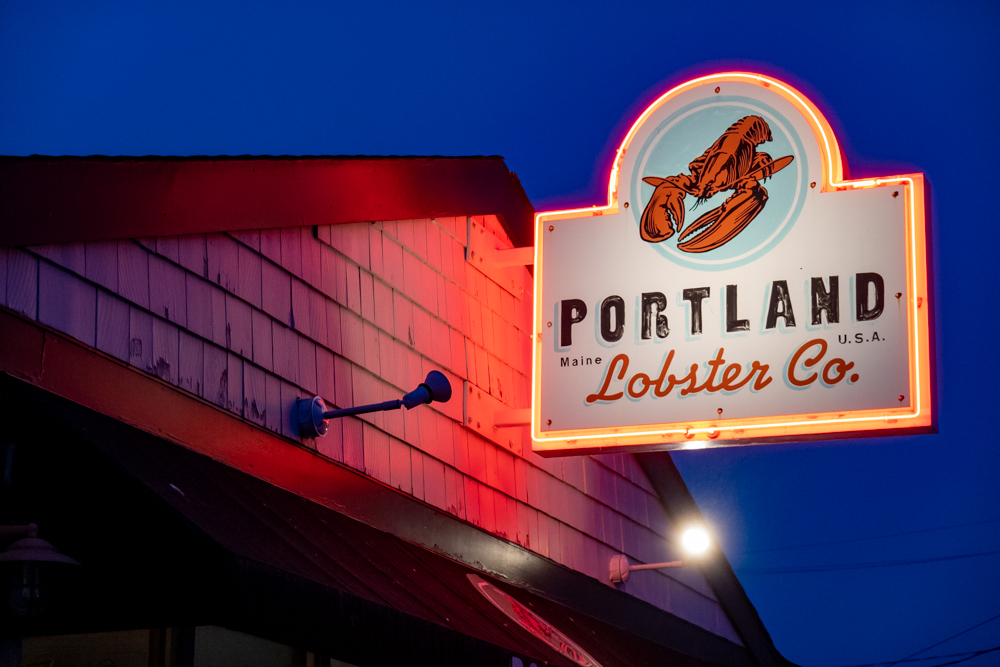
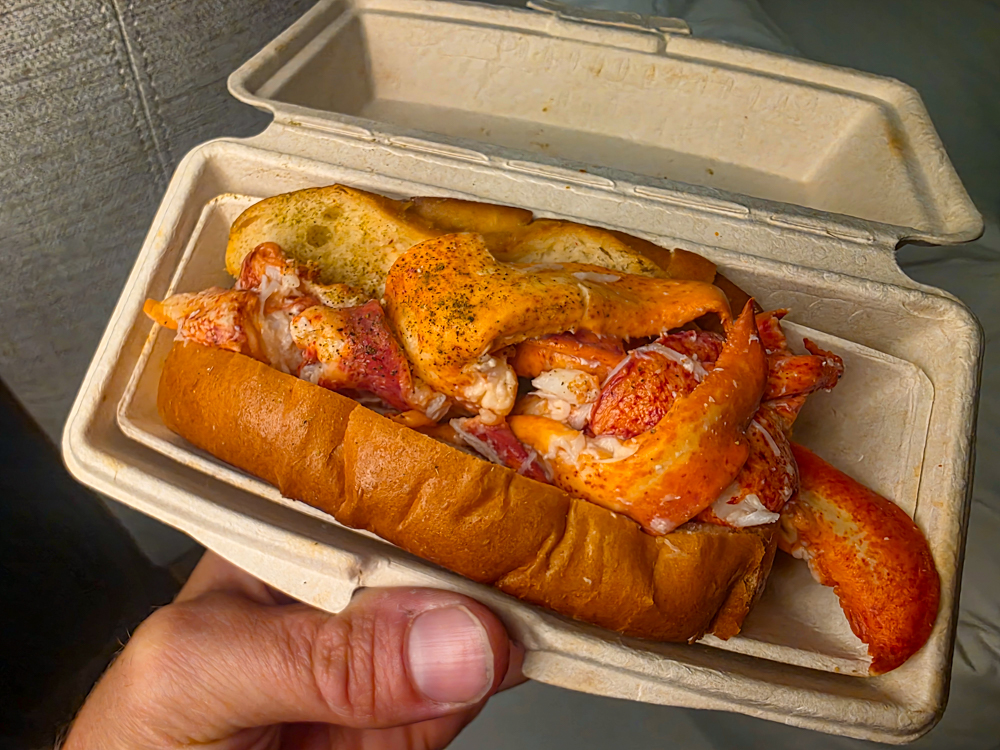
Before leaving, we made our promised return to Luke’s Lobster, because you simply cannot pass through coastal Maine without trying a lobster roll at least once. At roughly $40 per roll, which felt like a fairly aggressive tourist tax, we ordered just one to share. Full disclosure: nobody in our family actually likes lobster. This was a purely FOMO-driven purchase, undertaken entirely on principle.
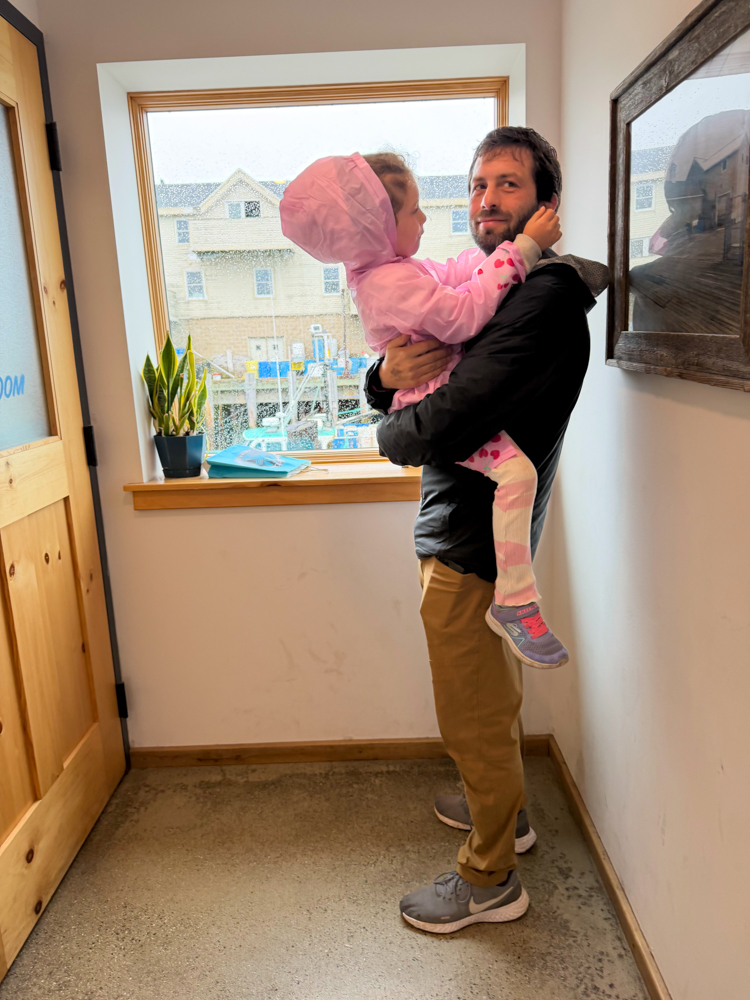
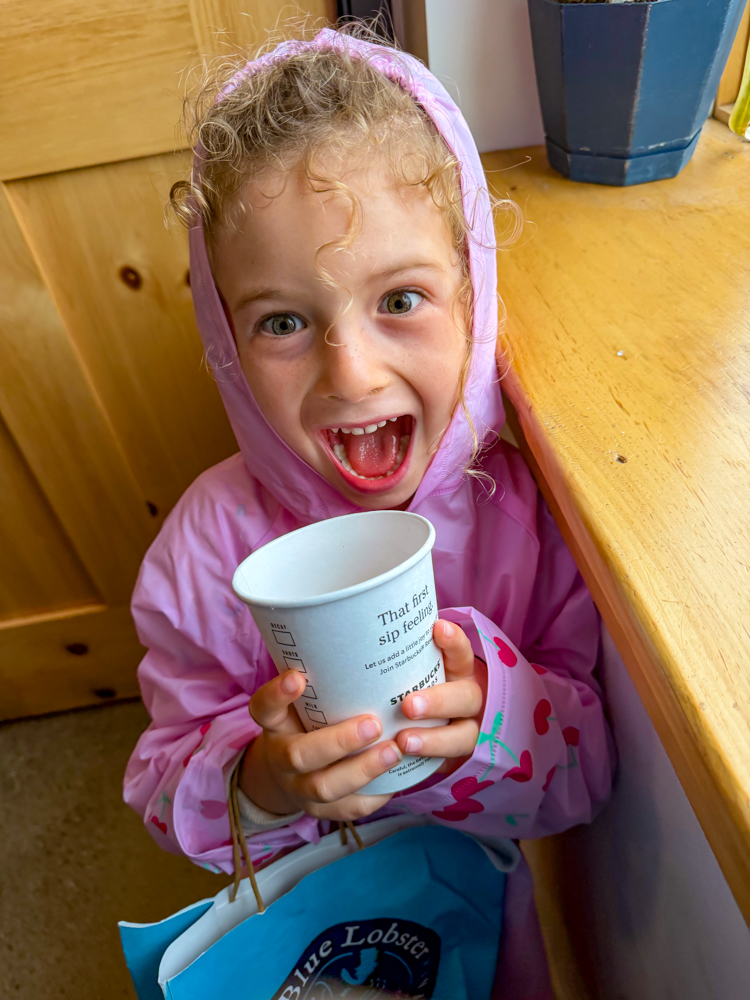
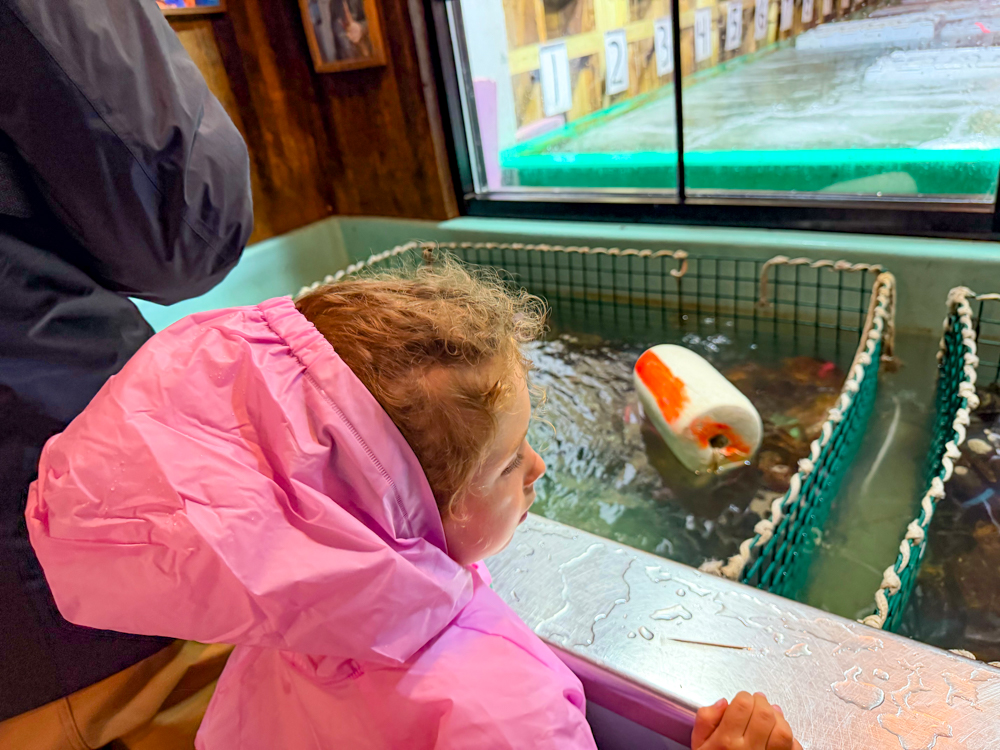
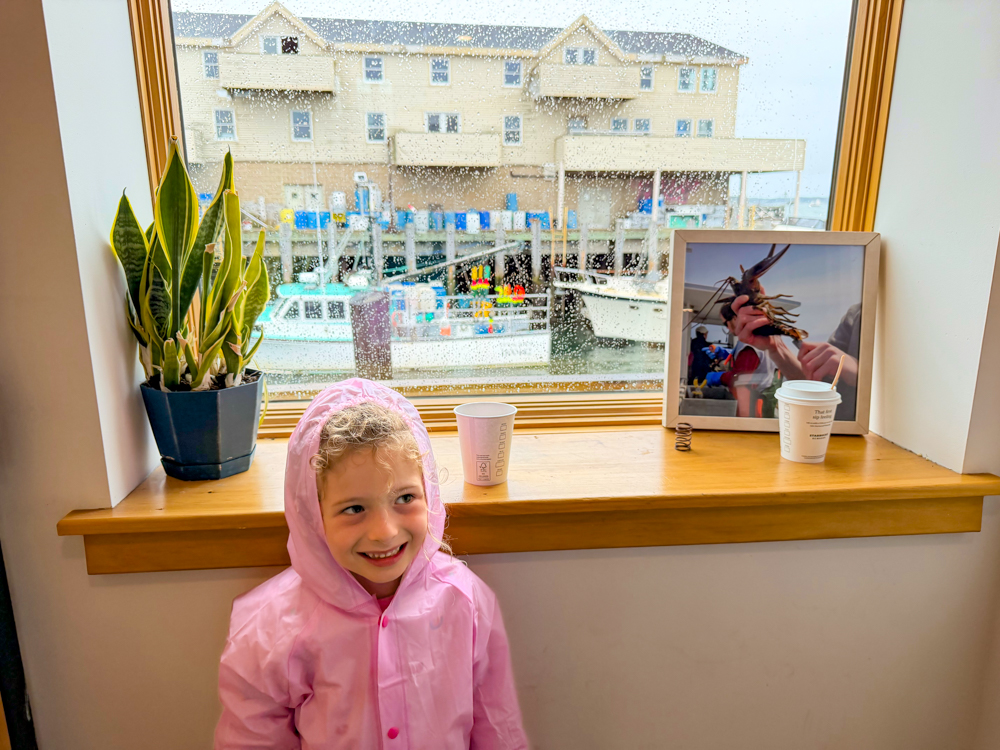
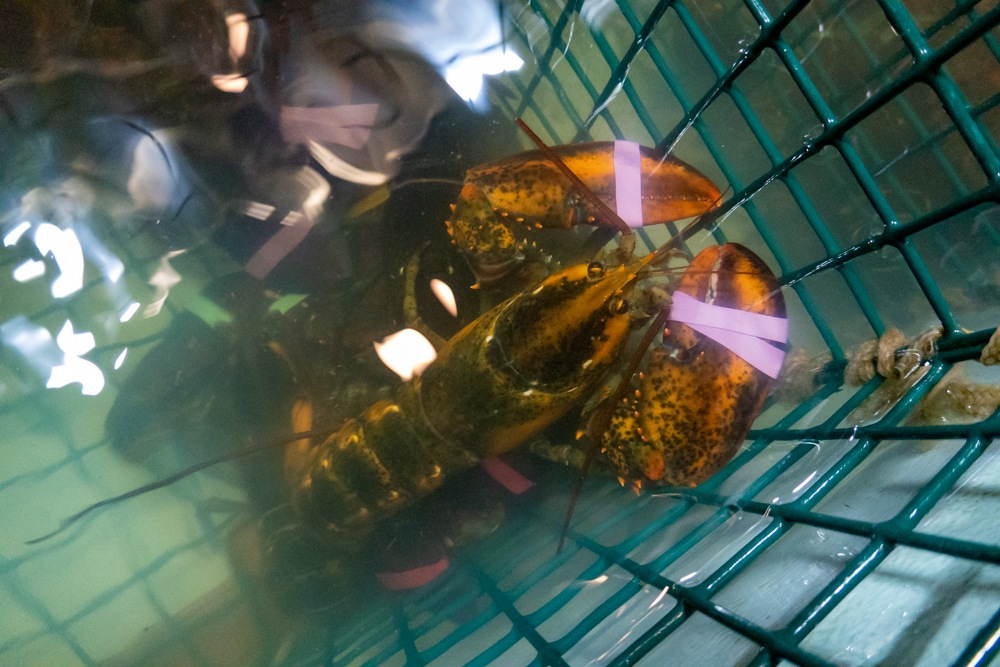
We waited about 30 minutes for our order, opting for takeout instead of the full hour wait for a table, standing next to the restaurant’s lobster tanks the whole time. Watching those poor lobsters shuffle around, blissfully unaware of the fate we all knew awaited them, was a small moral gut-punch we chose to power through.
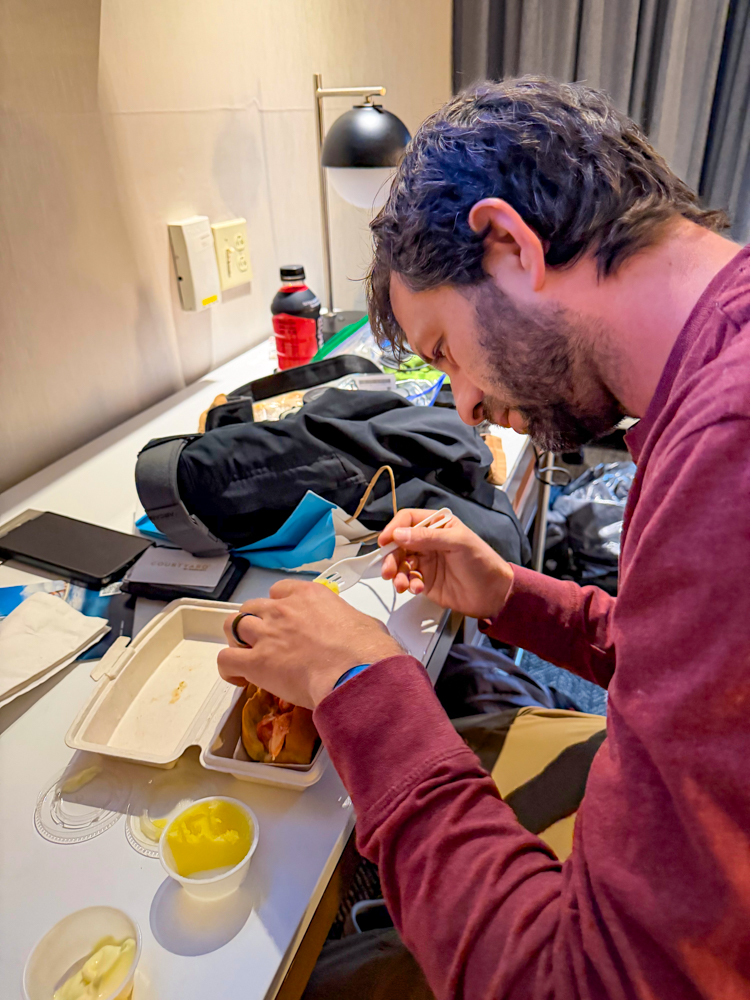
Back at the hotel, after Eitan’s very serious, very thorough visual analysis of the roll (the man takes his snack inspections seriously), we all finally tried it together. The verdict: very fresh, but not much flavor. Solid, harmless, and something none of us feel any burning need to order again. FOMO: successfully resolved. Lobster roll: box checked.
Bonus pic of the day:
Have you wondered why Maine’s lobster is considered the best in the world?
Frigid Water Temperatures: Driven by the cold Labrador Current, Maine’s icy coastal waters prevent the meat from absorbing excess salt and keep the texture firm and succulent rather than mushy.
Two Large Claws: Unlike warm-water spiny or rock lobsters—which lack big front claws and only yield meat in their tails—Maine lobsters have massive crushing claws filled with delicate, savory knuckle and claw meat.
Rocky Seafloor Habitat: The jagged, island-pocked coast of Maine provides an ideal benthic environment rich with natural prey like crabs, clams, and sea urchins, which enhances the rich flavor profile of the meat.
Conservation Laws: Maine pioneered sustainable management rules over a century ago. Regulations require throwing back lobsters that are too small (under a 3¼-inch carapace) or too large (over 5 inches), protecting the prime breeding stock in the population.

 WHERE IS NOODLE