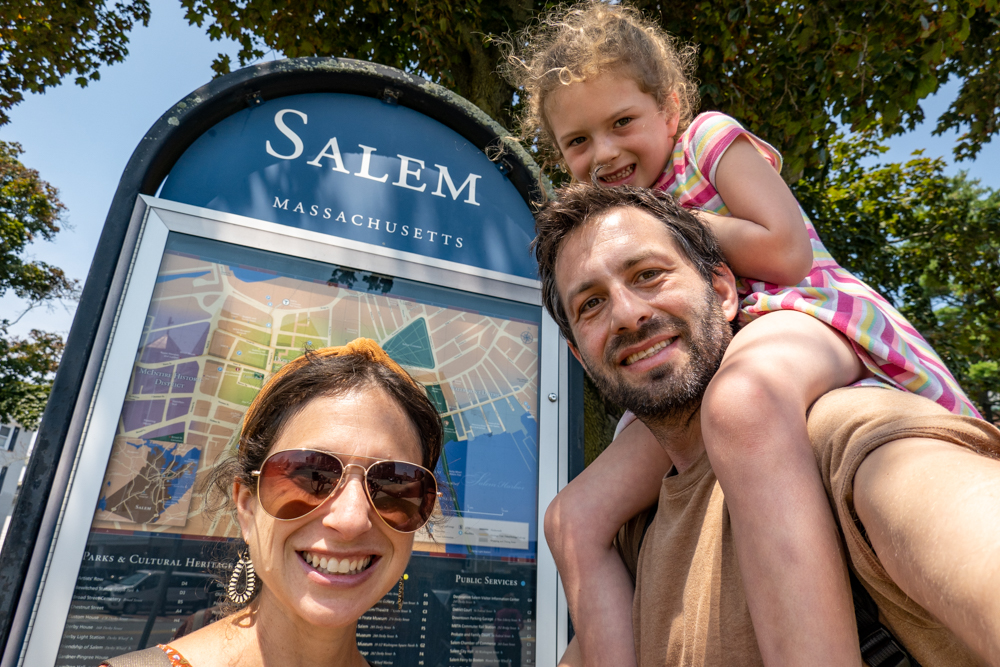
We packed up our bags and pointed the car north for a short drive to one of the most famous (and most haunted) towns in America: Salem, Massachusetts, forever known for its dark history of witch hunts. This one’s a heavy history day, so grab a coffee, like we did.
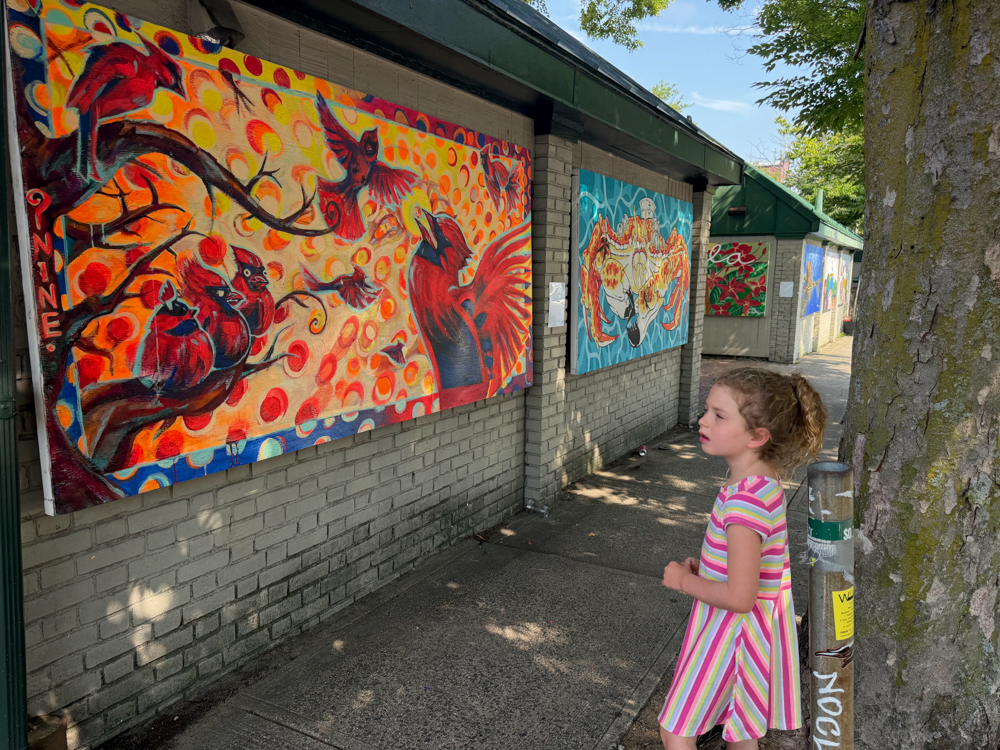
We eased into the morning with a quick stop at a café for a croissant and some coffee, the essential fuel for a day of walking through the site of one of the strangest chapters in colonial history.

A Town That Runs on Witches
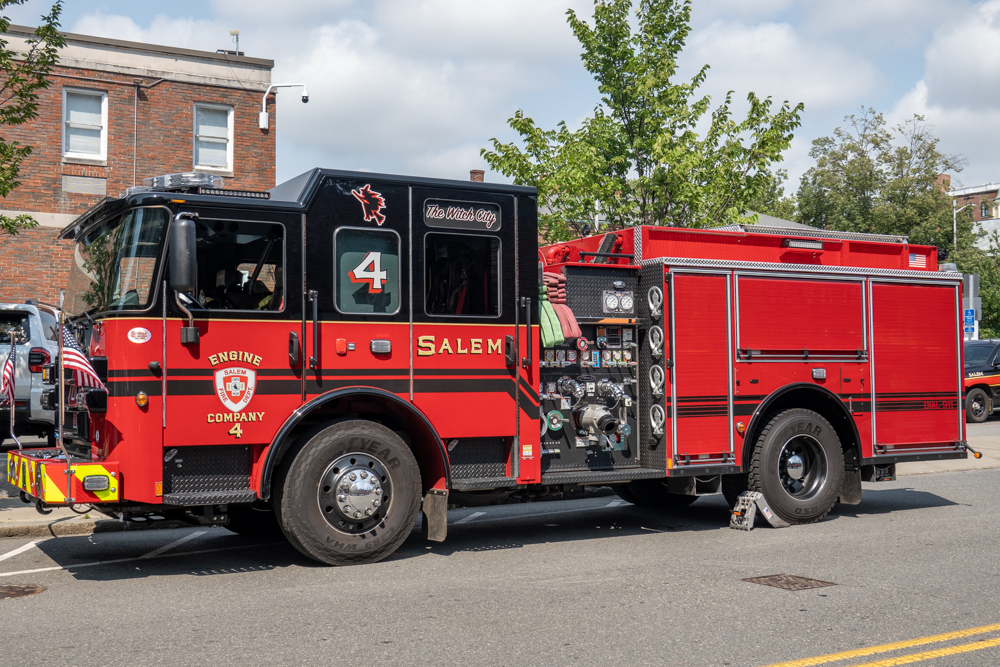
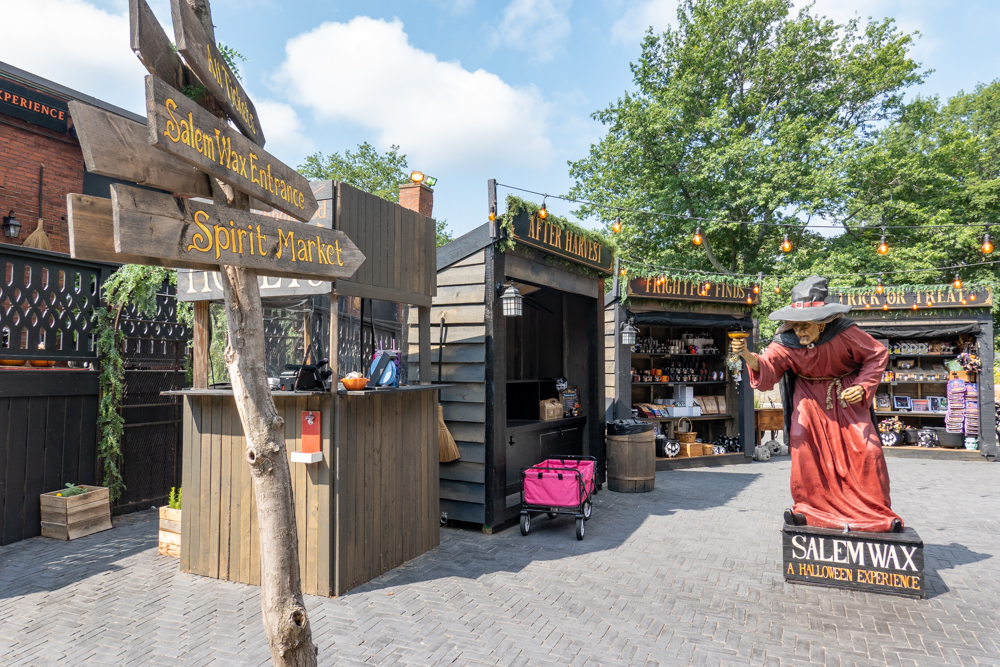
Salem is genuinely adorable, though it does have the feel of a very elevated tourist trap, packed with unique character. And the theme is committed. Nearly every shop leans into witches, spells, and the supernatural, and even the town’s fire trucks are decorated with witch logos. When a municipality puts a witch on its emergency vehicles, you know the branding is airtight.
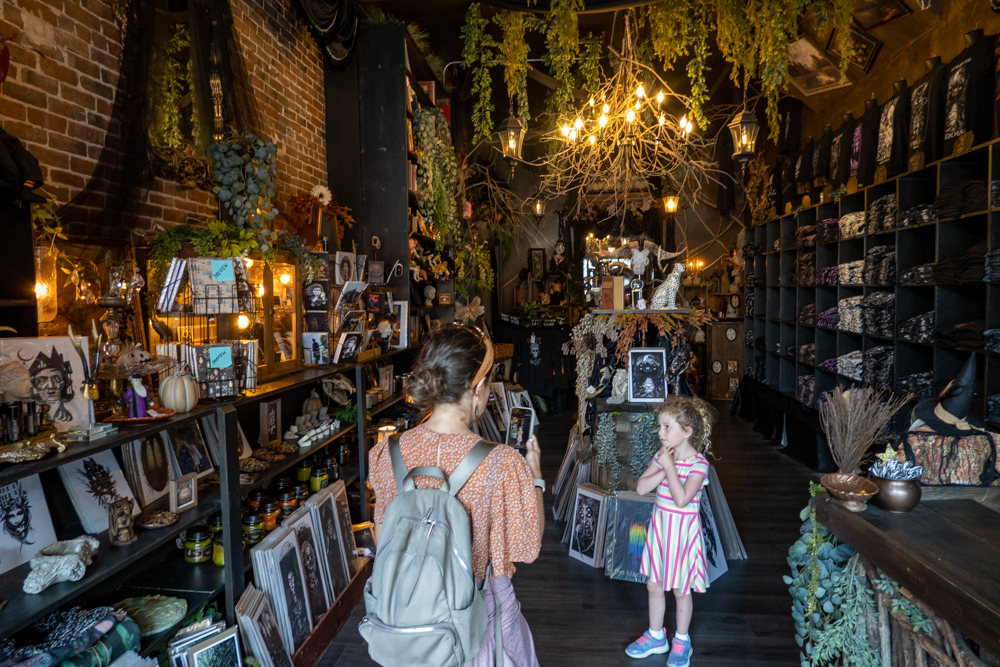
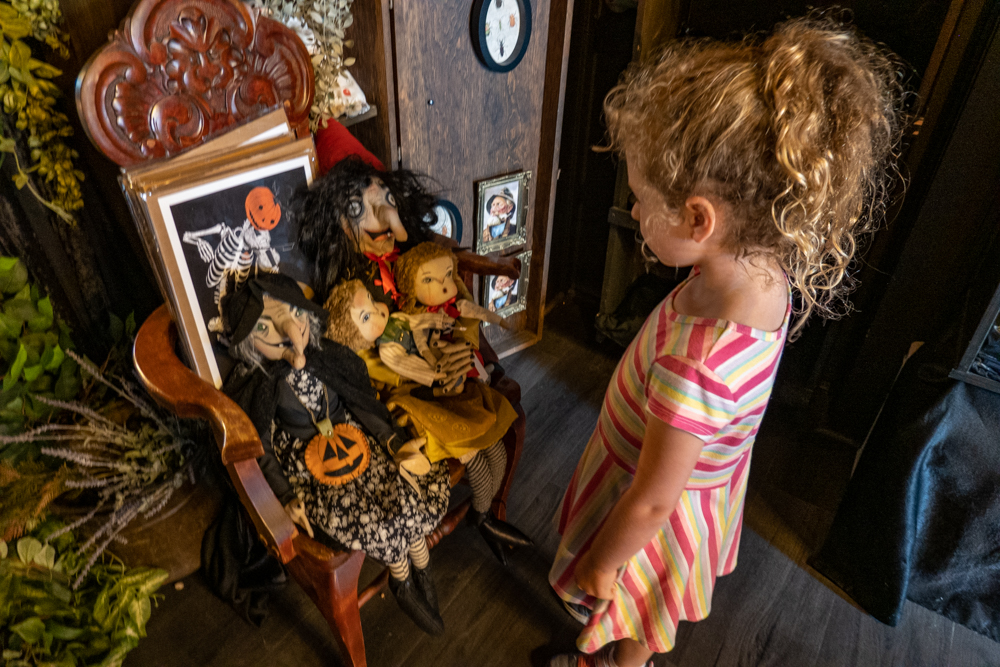
But first, the history that made all of this, because it’s essential to understanding the town. In 1692, a group of young girls in Salem Village began behaving strangely and accused local women of bewitching them. What followed was one of the most infamous cases of mass hysteria in history. Over the next roughly 15 months, more than 200 people were accused of practicing witchcraft. Thirty were found guilty, and nineteen were executed by hanging (fourteen women and five men). At least five more died in Salem’s grim, disease-ridden jails awaiting trial.
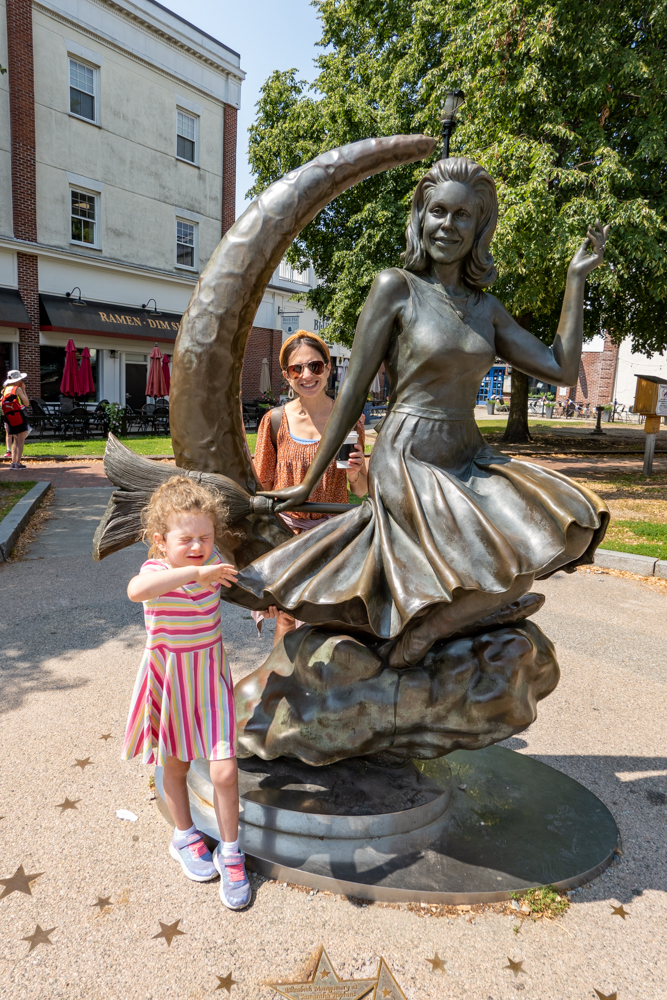
The accusations were fueled by a toxic brew of religious extremism, property disputes, personal grudges, fear, and social tension, and the “evidence” often amounted to little more than a bad dream or a pointed finger. By 1693 the hysteria collapsed almost as fast as it began, and Massachusetts spent decades afterward formally apologizing and compensating the victims’ families. It remains a sobering lesson in what fear and groupthink can do to a community.
Walking Downtown
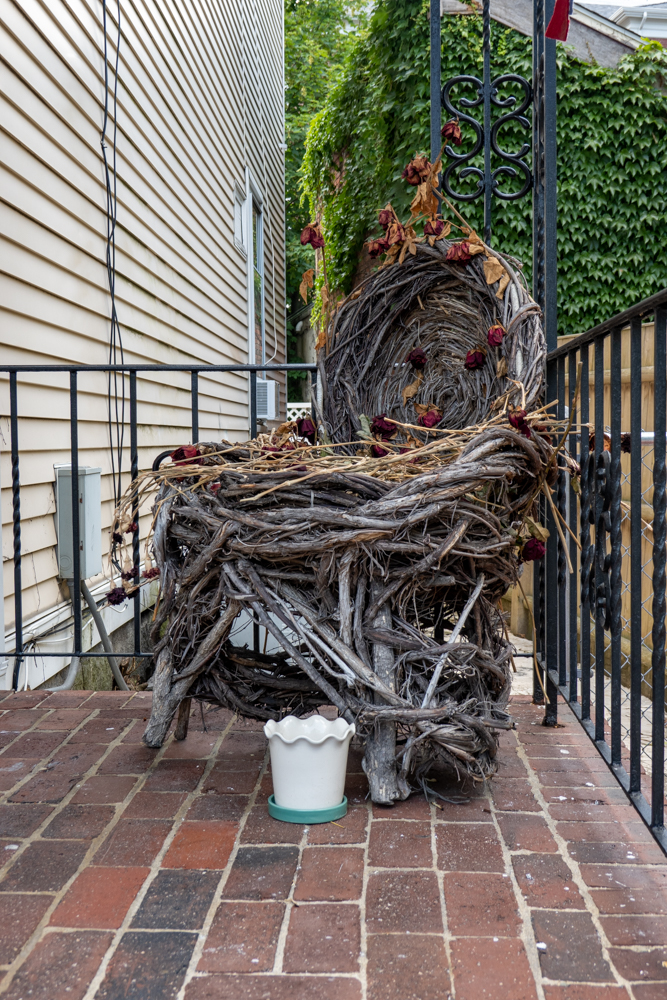
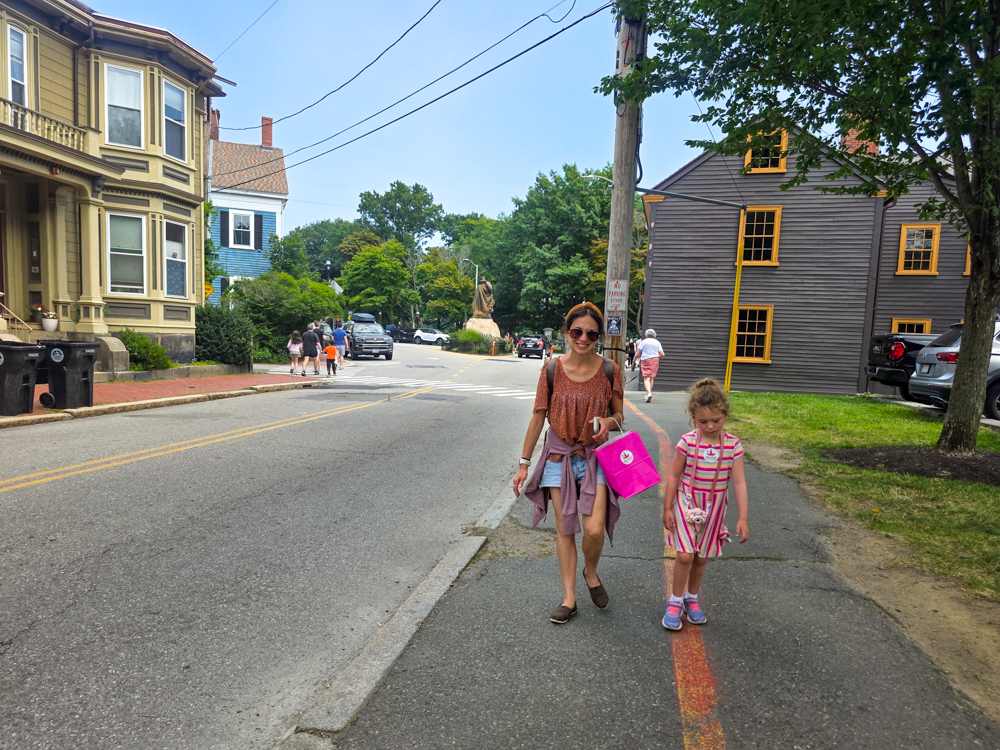
We strolled the main downtown area, mostly along Essex Street, the pedestrian heart of Salem. We passed the town hall and a few of the campy monster and horror “museums,” which we chose to skip, mainly because we’re not eager to sign Ariela up for five consecutive years of nightmares. Some experiences can wait until she’s older, or never.
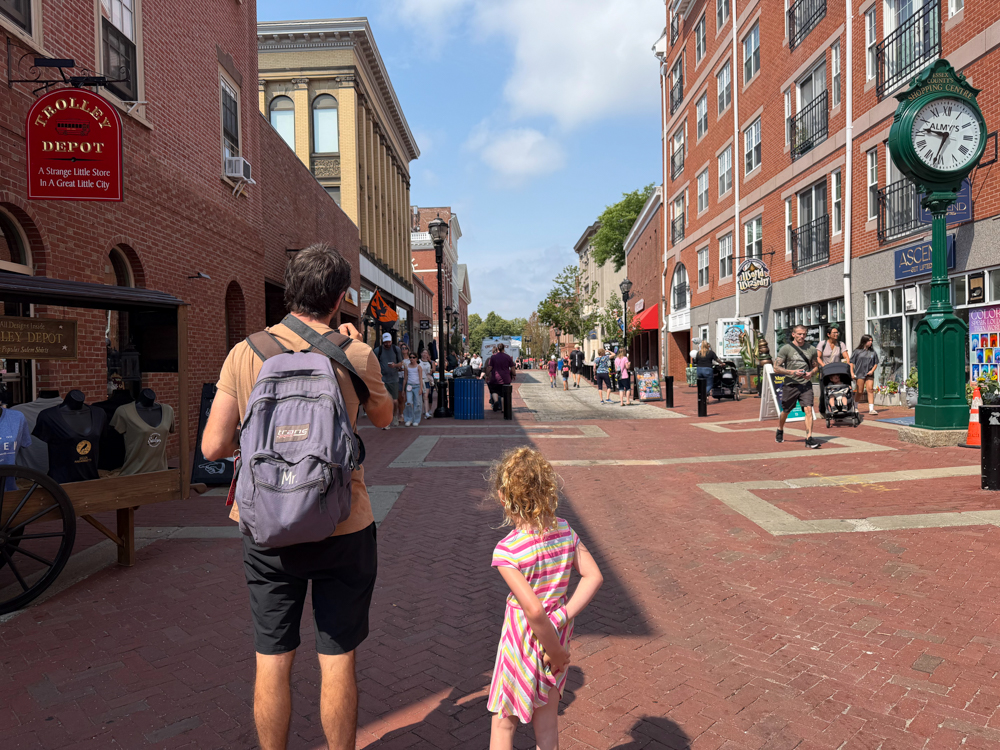
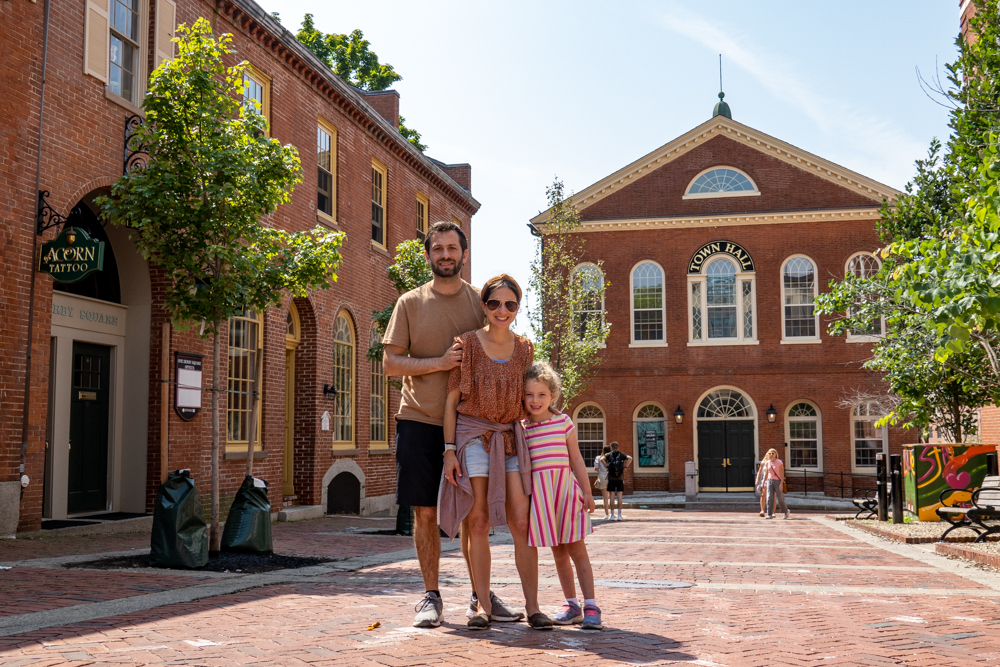
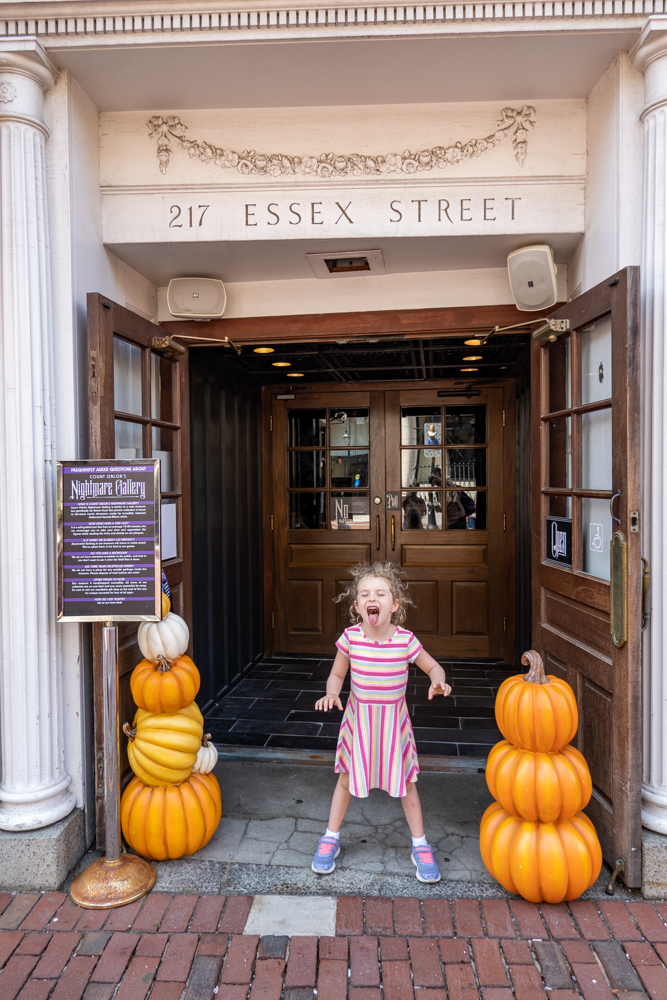
A few cute photo ops later, we arrived at one of the most historically significant buildings in town.
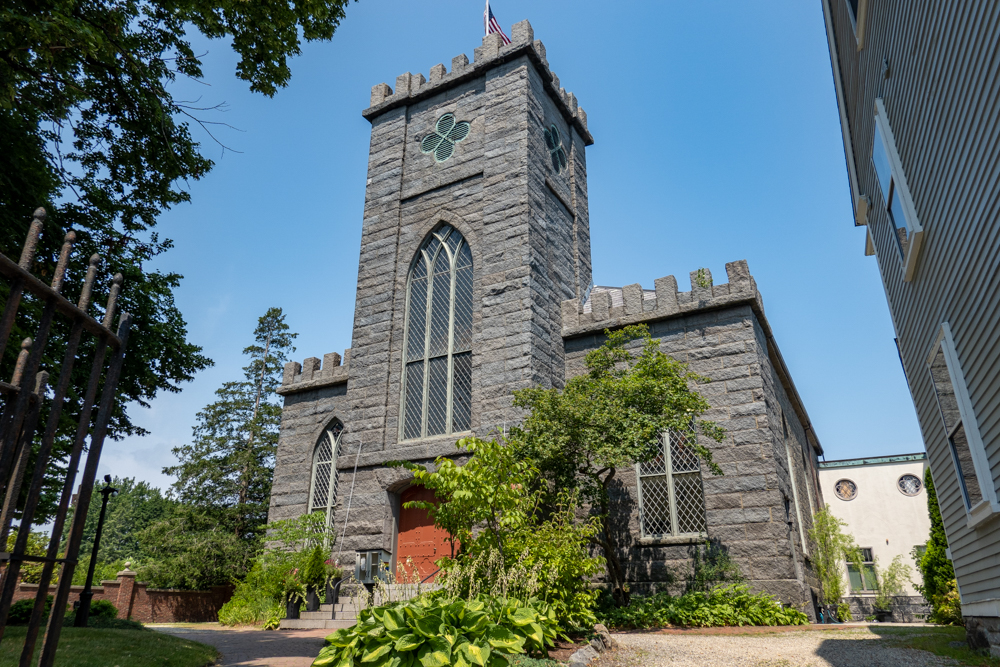
The Witch House: The Real Deal
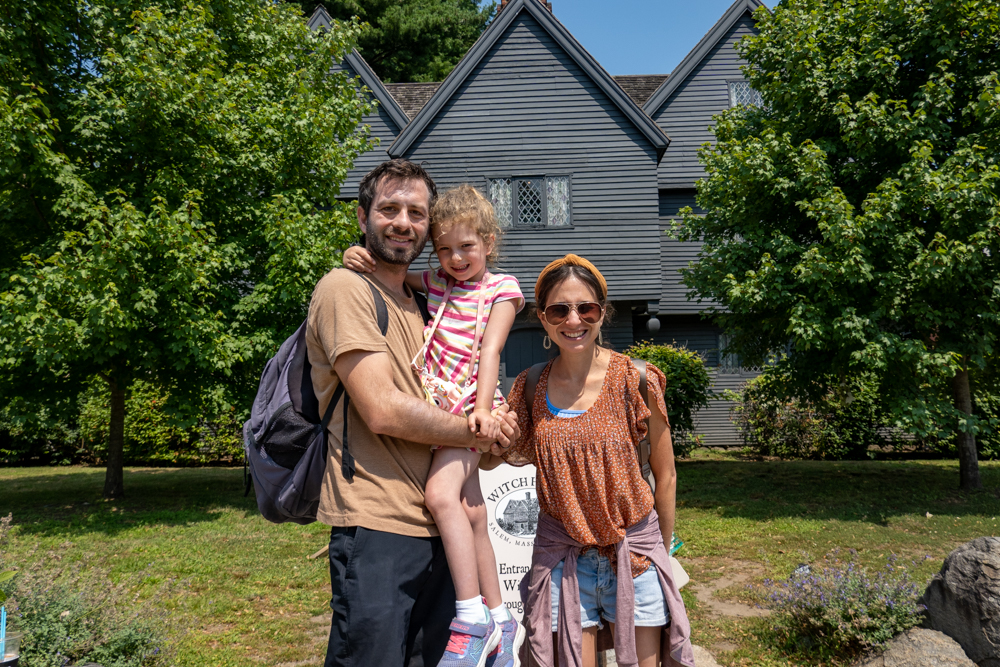
The Witch House is the star of Salem’s genuine history, and it comes with a common misconception worth clearing up. Despite the name, no witches were killed here, and no trials were held inside. It was actually the home of Judge Jonathan Corwin, one of the magistrates who investigated and sent accused “witches” to their deaths in 1692. It’s the only structure still standing in Salem with direct ties to the witch trials, which makes stepping inside genuinely eerie.
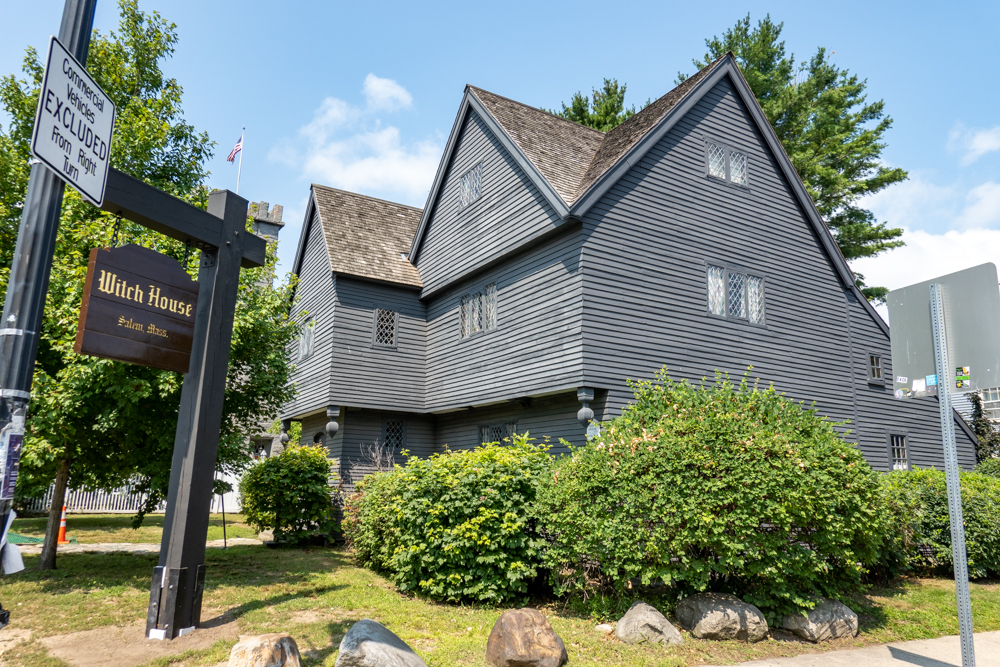
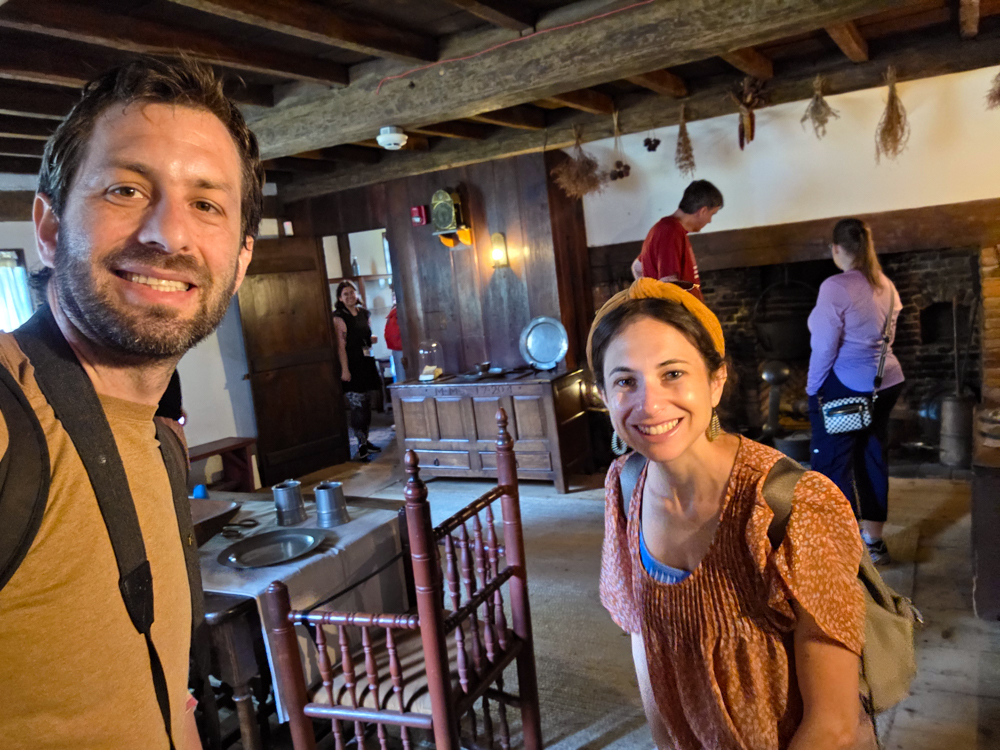
We toured the house, which is filled with period artifacts and excellent explanations of how people actually lived in the late 1600s, and how ordinary neighbors ended up accused of consorting with the devil.
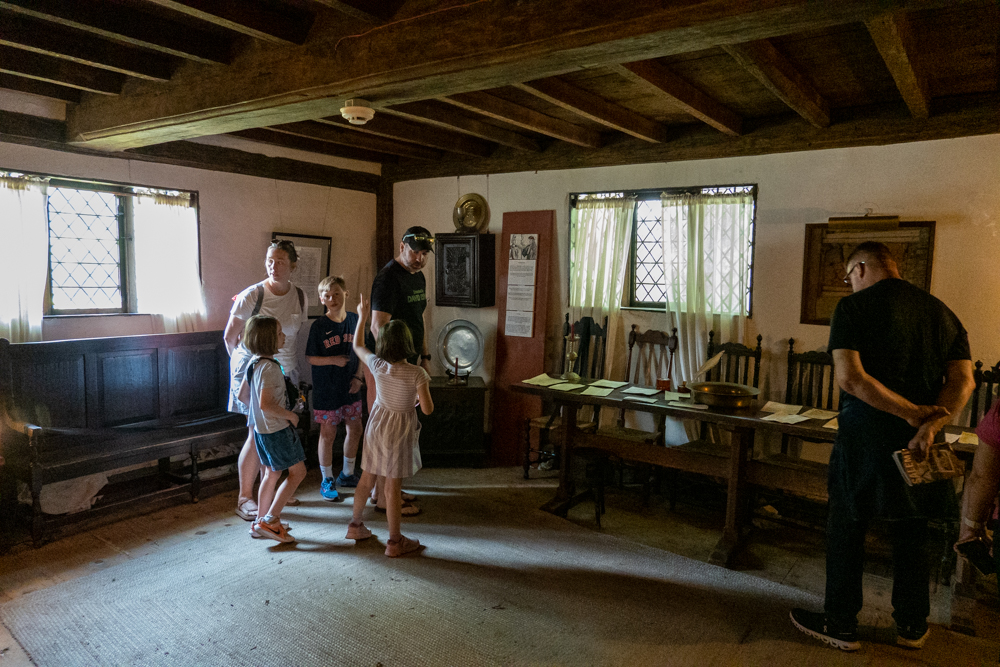
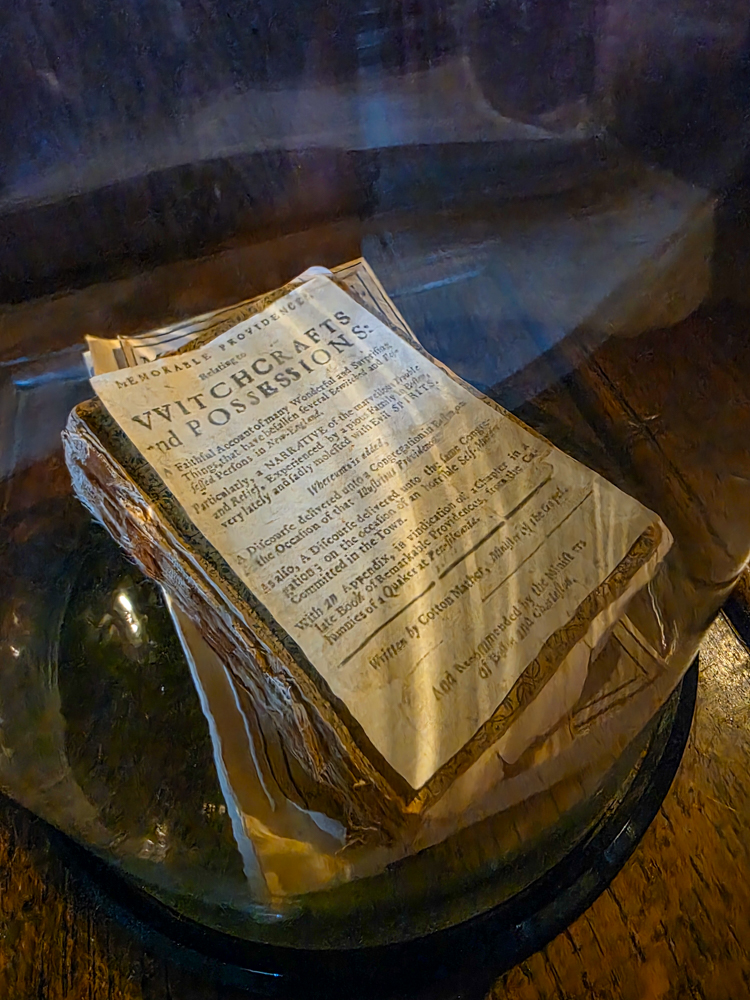
This was one piece of evidence presented agaisnt the girls, which is a “Poppet” buried within the walls of her home.
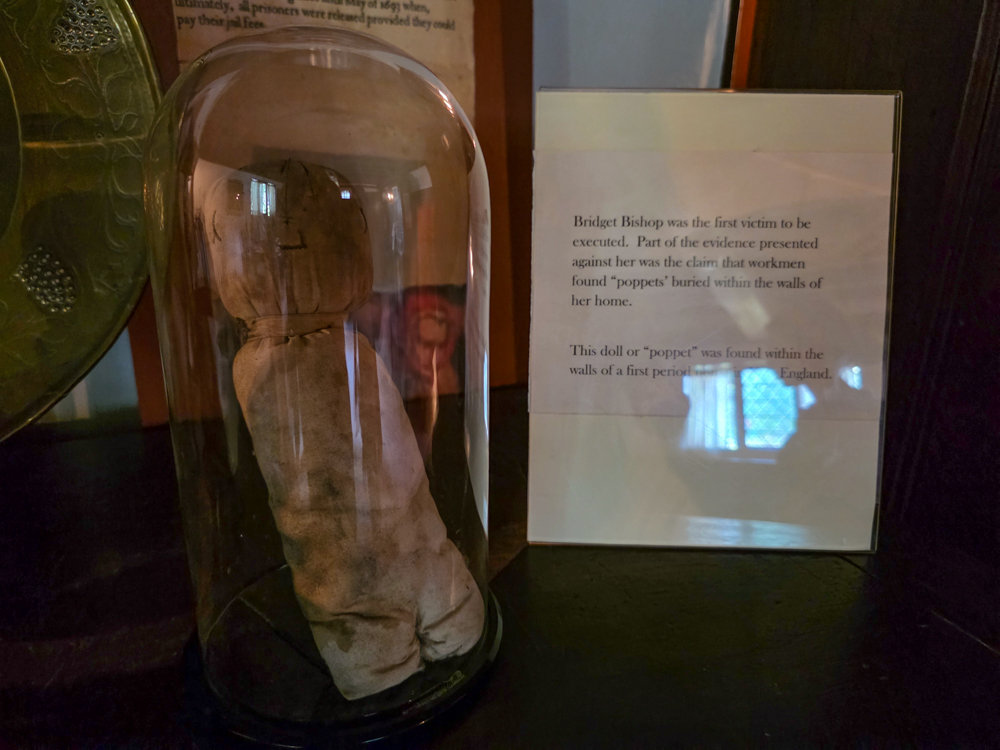
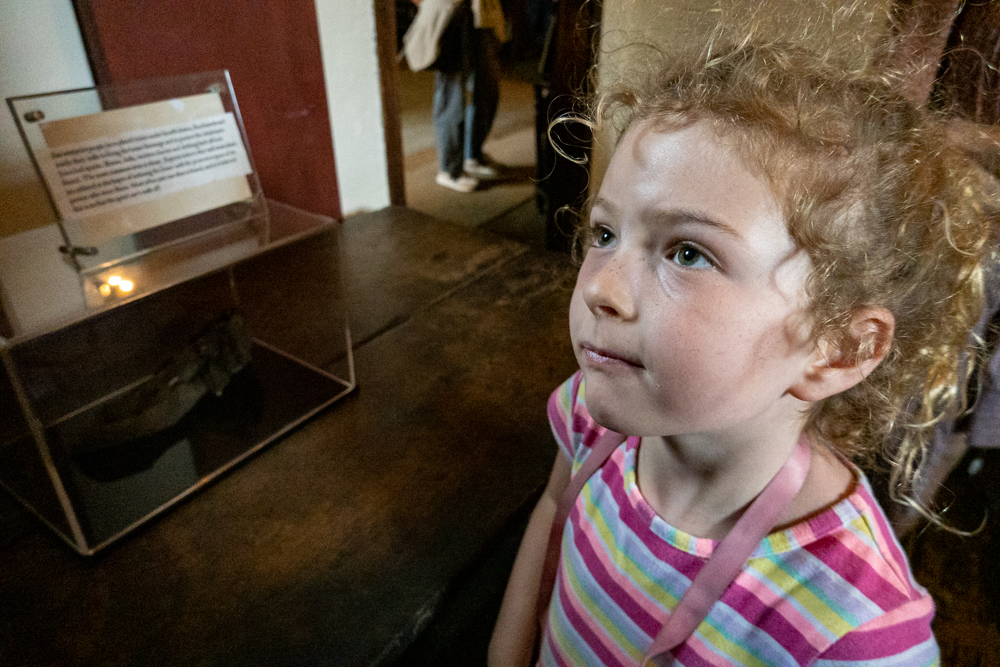
One of the creepiest details: the tenants kept shoes hidden in the walls of the house, an old folk practice meant to trap or ward off evil spirits and prevent them from moving through the home.
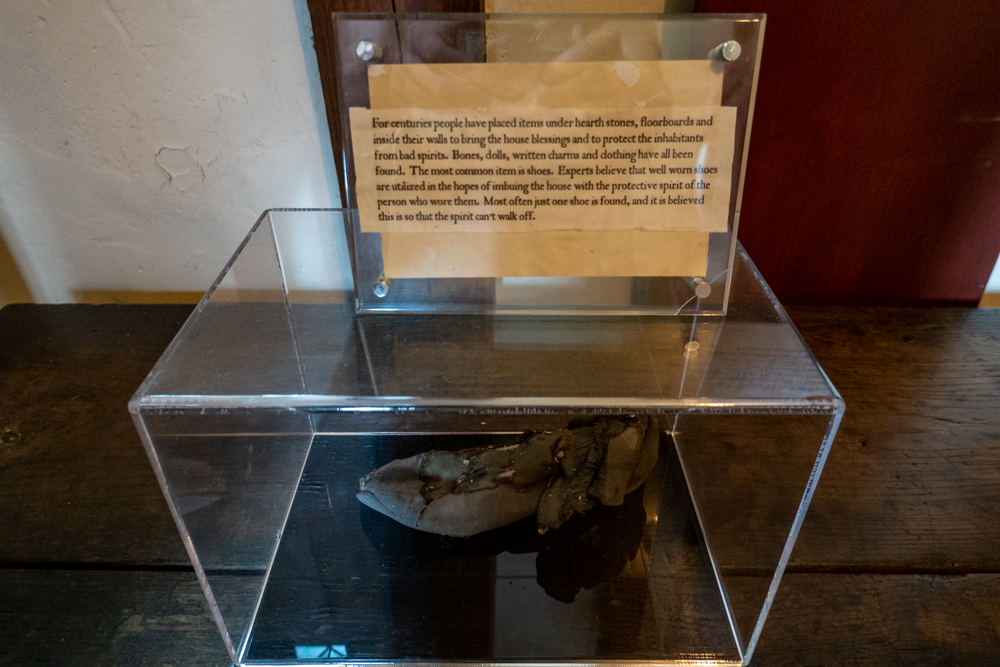
Concealed shoes have been found in old buildings all over England and New England, tucked near chimneys and doorways as spiritual security systems. Spooky, and a real window into just how deeply superstition ran in daily colonial life.
Ropes Mansion: Hello, Hocus Pocus Fans
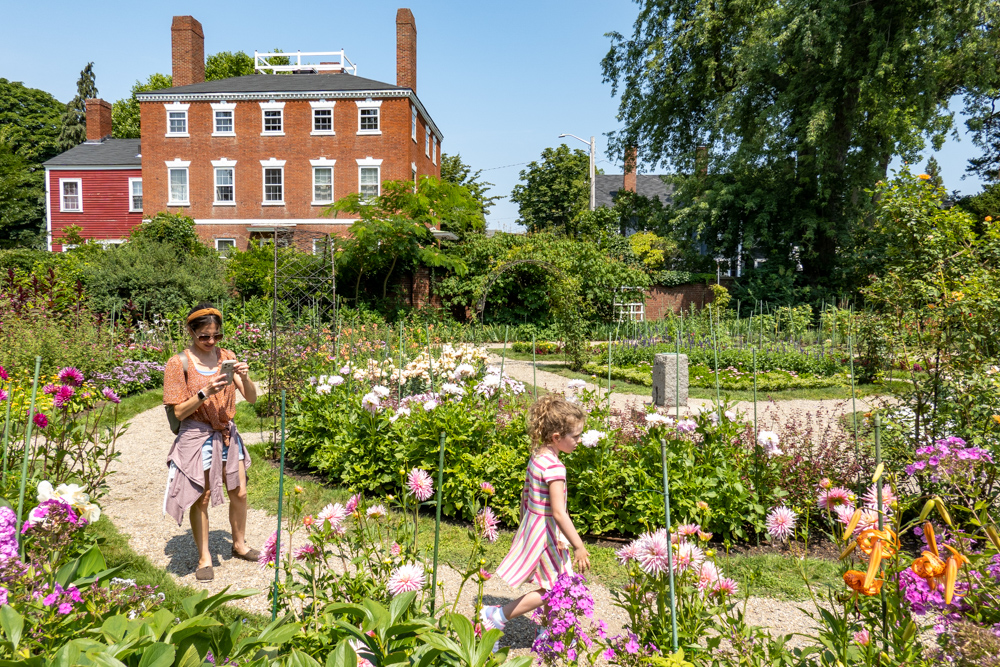
A couple of blocks away, we visited the Ropes Mansion and Garden, a gorgeous Georgian colonial home built in the 1720s. Movie buffs will recognize it instantly: this is “Allison’s house” from the 1993 Halloween classic Hocus Pocus
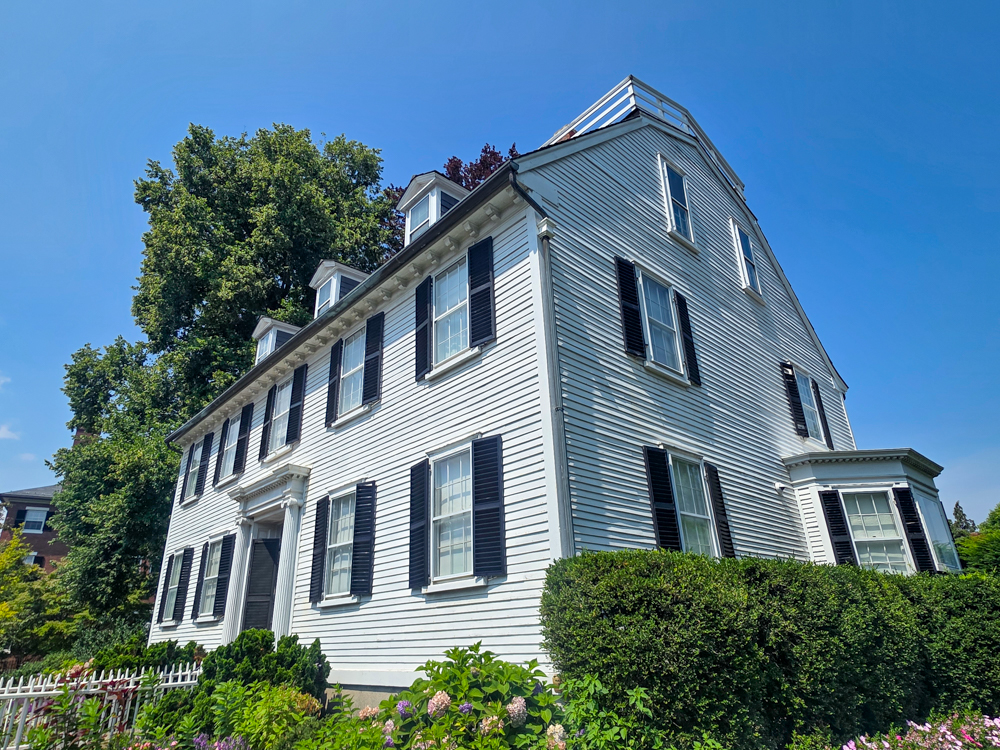
It’s owned by the Peabody Essex Museum today, and while we didn’t go inside the house itself, the formal garden tucked behind it is free, open to the public, and lovely.
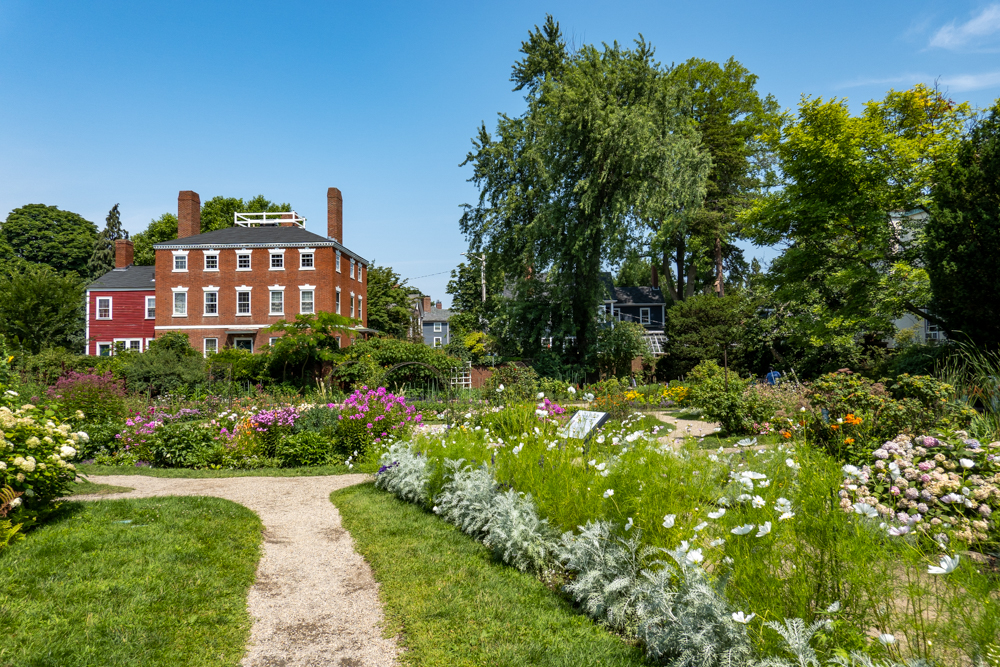
We wandered the manicured paths and enjoyed the flowers. (Bonus haunted trivia: the mansion has its own ghost stories, including a Loyalist judge who died as a mob stoned the house in 1774 and his wife who later died when her dress caught fire. Salem simply does not do “boring house history.”)
The Store Built for Ariela
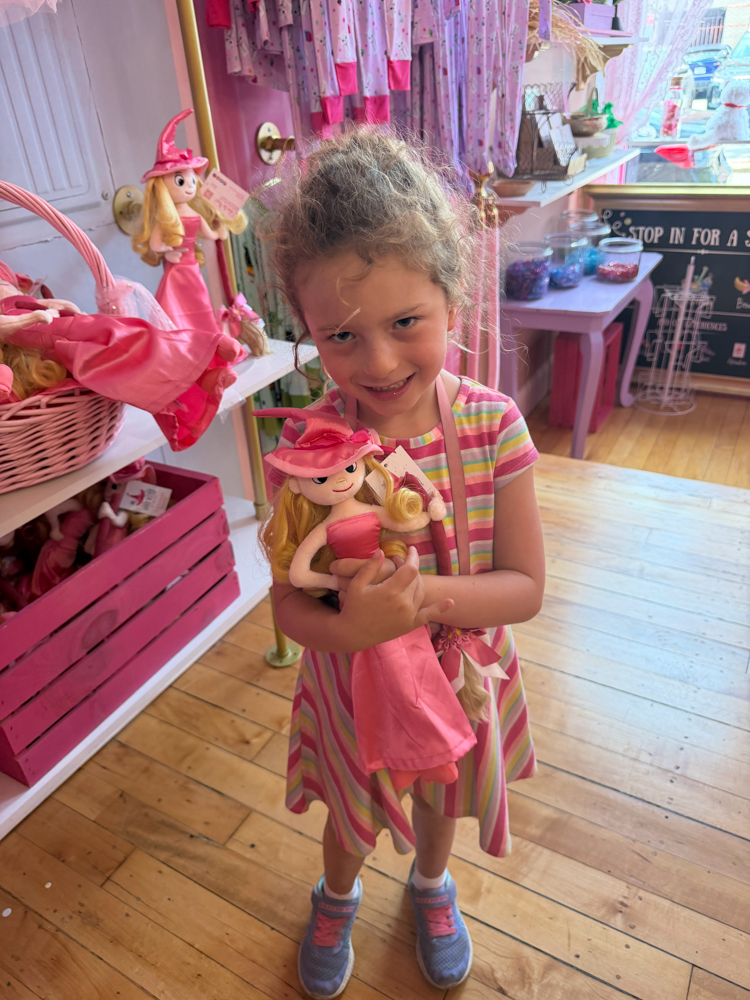
We then stumbled upon a store that appeared to have been designed in a lab specifically to target our daughter. Everything was pink, sparkly, and witch-themed, a combination so precisely calibrated to Ariela’s soul that resistance was pointless.

This is where she cashed in her one-per-vacation souvenir allowance, walking away triumphant with a pink blonde witch stuffie. Money well spent, according to the customer.
The Cemetery and the Weight of History
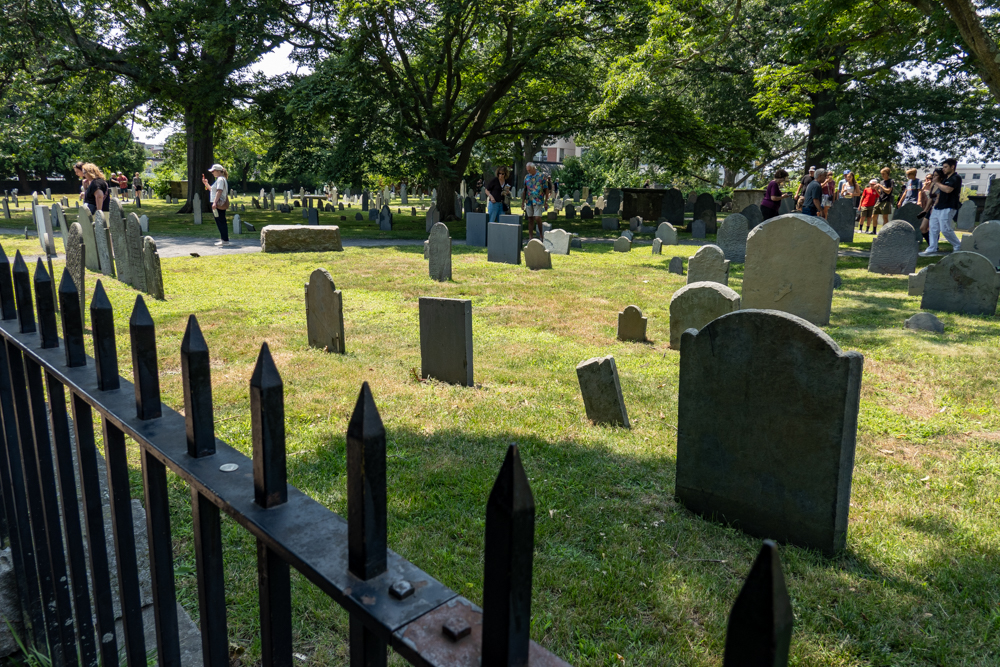
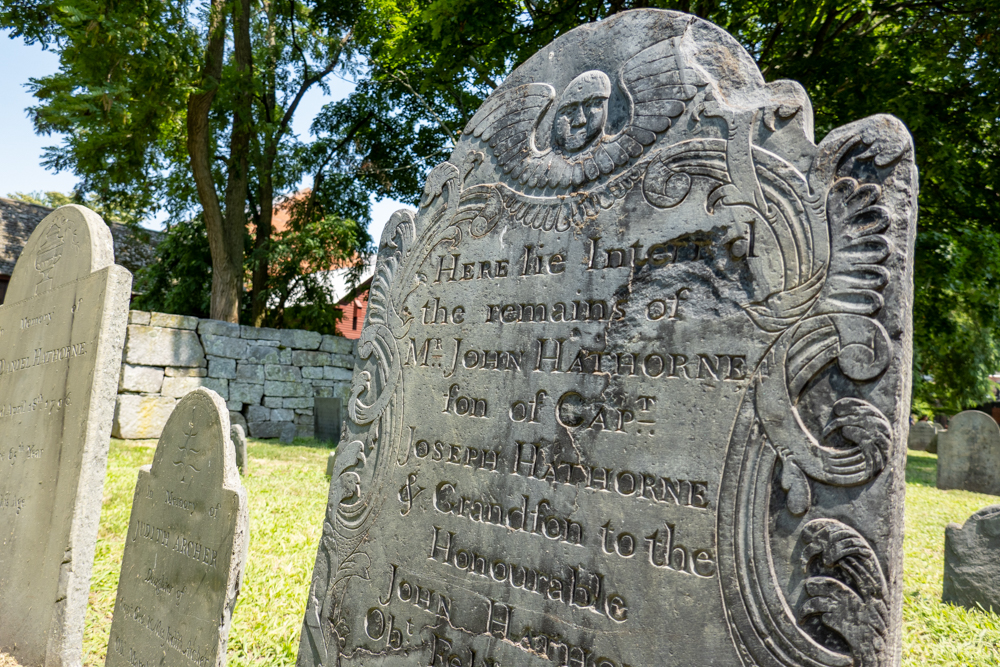
We continued to the historic burying ground connected to the witch trials, where victims and figures from that era rest.
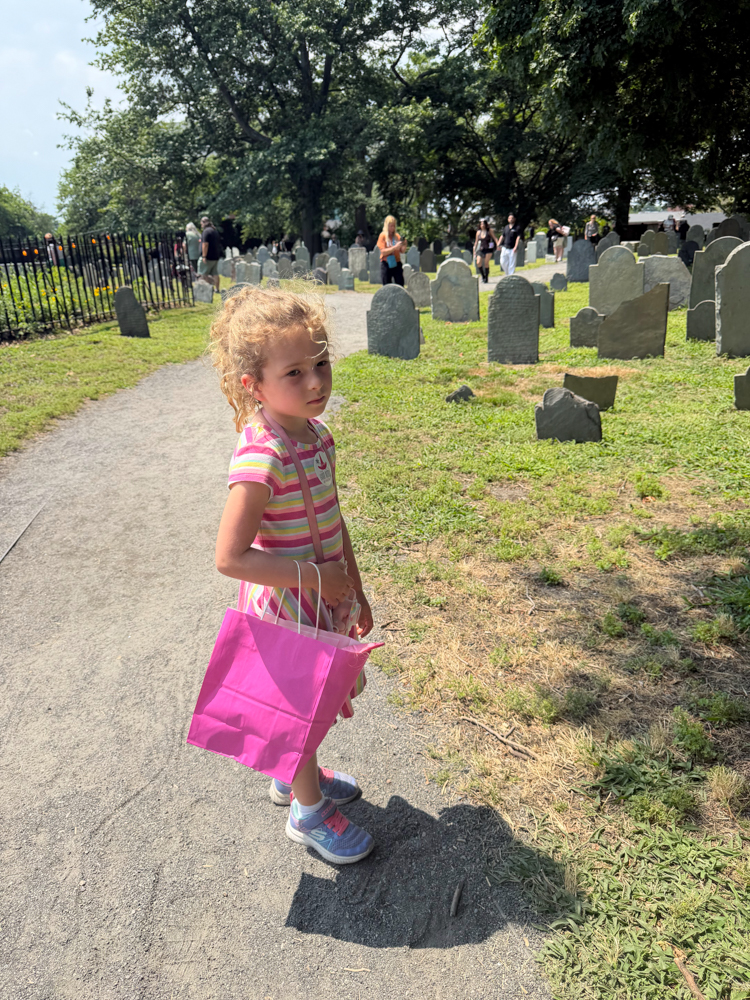
Many of the old tombstones list the cause of death, and some are genuinely disturbing to read. The one that stops everyone cold: “pressed to death.”
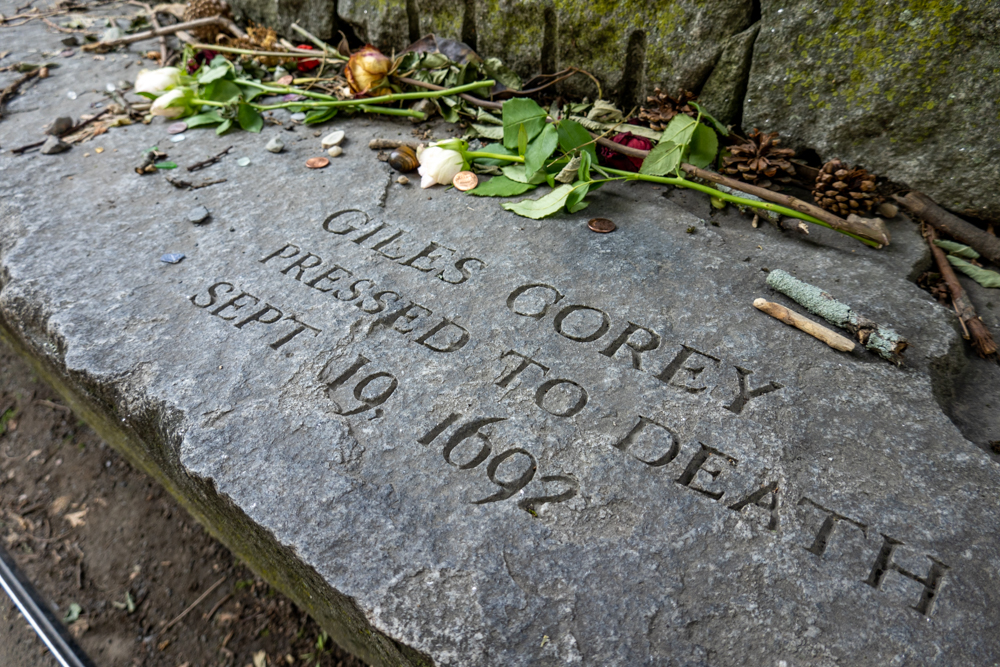
That refers to Giles Corey, an 81-year-old farmer accused of witchcraft who refused to enter a plea. Under an old English torture called peine forte et dure, he was laid on the ground beneath a wooden board while heavy stones were stacked on top, one by one, over three days, in an attempt to force him to plead. He never did, because entering no plea meant his estate couldn’t be legally seized and could pass to his children instead. According to legend, his final defiant words as they piled on the rocks were simply, “More weight.” He remains one of history’s most haunting symbols of resistance to injustice, and his very public, gruesome death helped turn public opinion against the trials. Reading his cause of death carved in stone hits differently once you know the story.
Potions, Tarot, and All Things Witchy
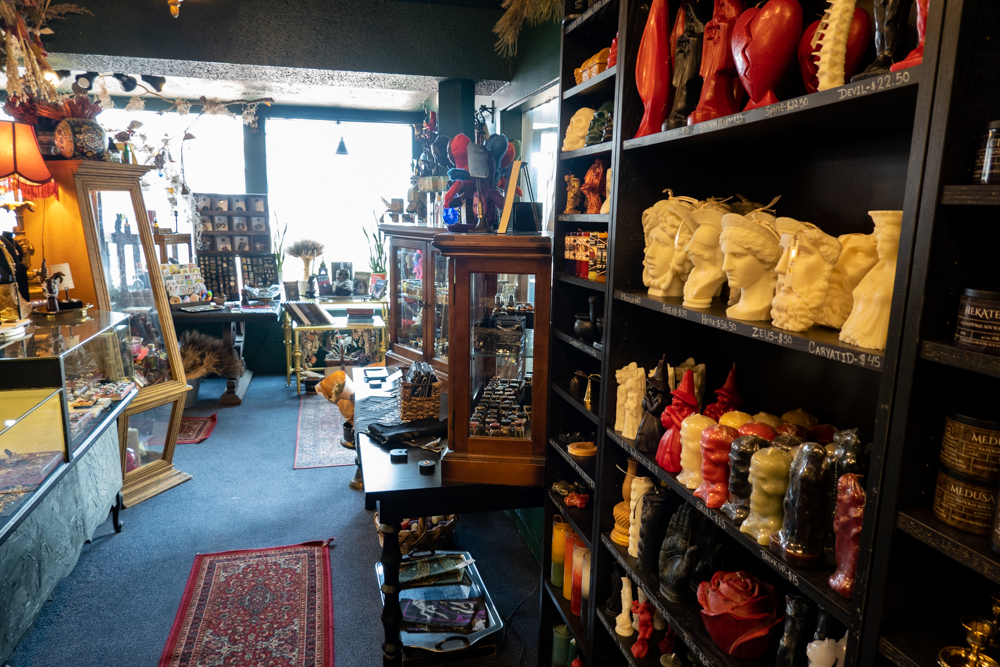
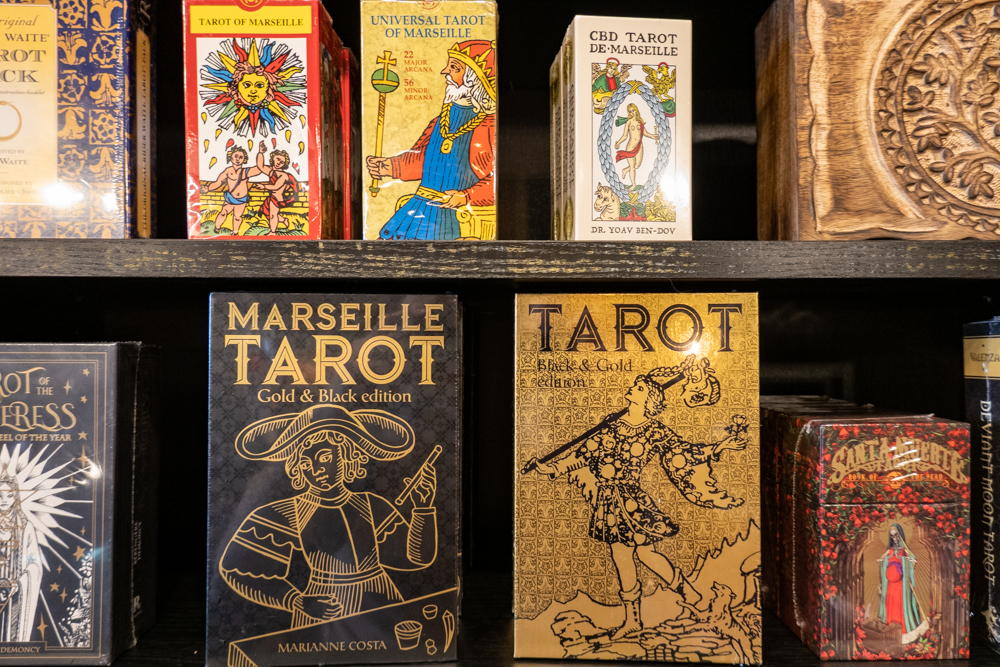
We wandered over to Wharf Street, home to a cluster of recommended witchcraft shops selling exactly what you’d expect: tarot cards, spices and herbs marketed for potions, crystals, spell books, and every mystical trinket imaginable. Whether you’re a true believer or just there for the vibes, it’s a fun browse.
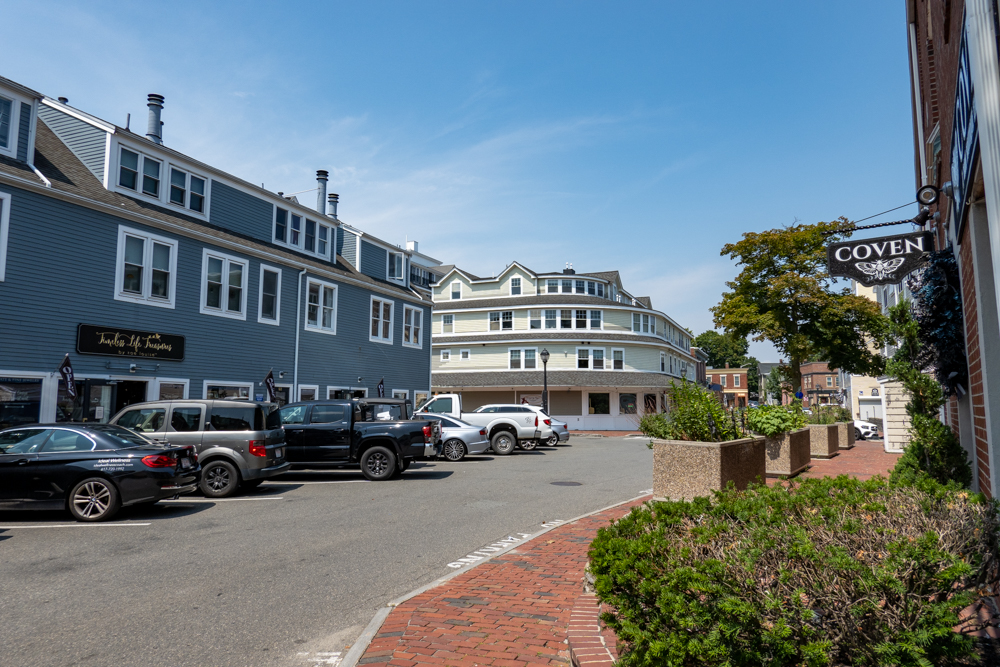
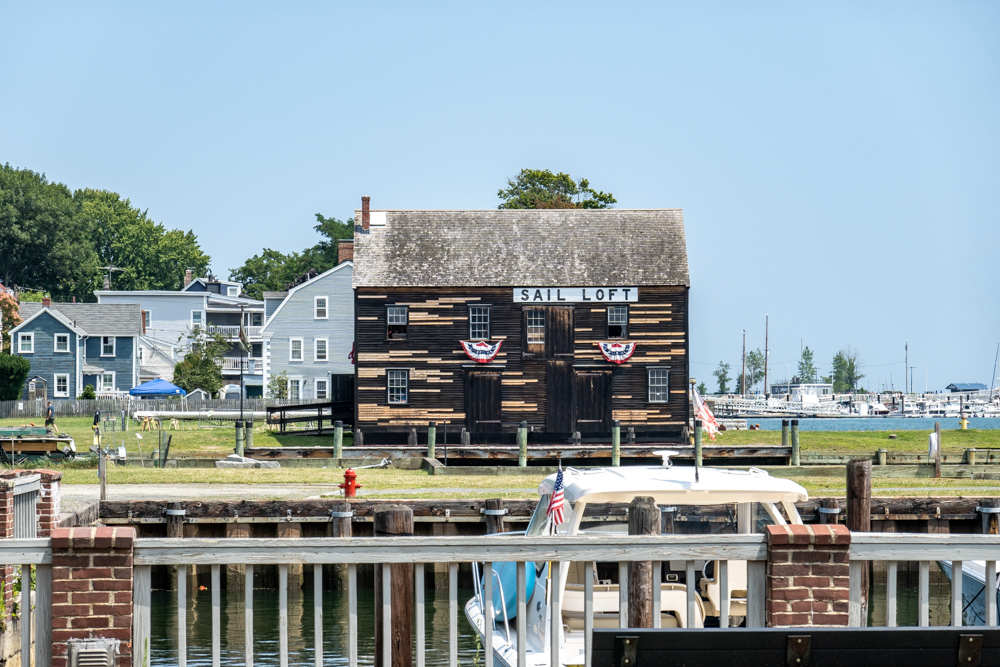
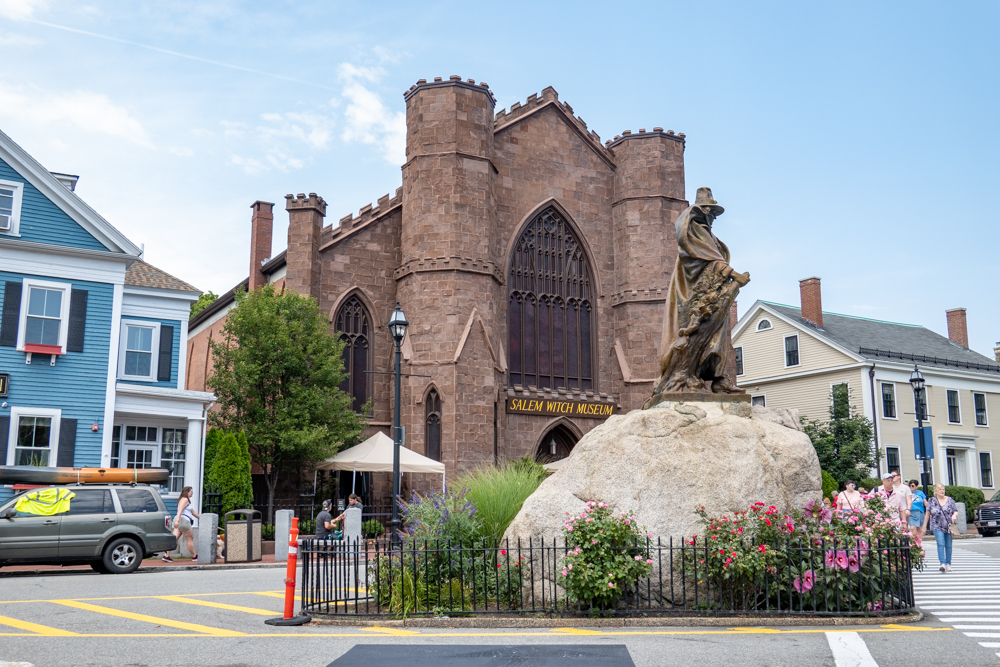
Starting our loop back toward the car, we passed the main Salem Witch Museum, which we skipped based on online reviews warning that it’s a bit intense for younger kids like Ariela. Next time, when nightmares are less of a liability.
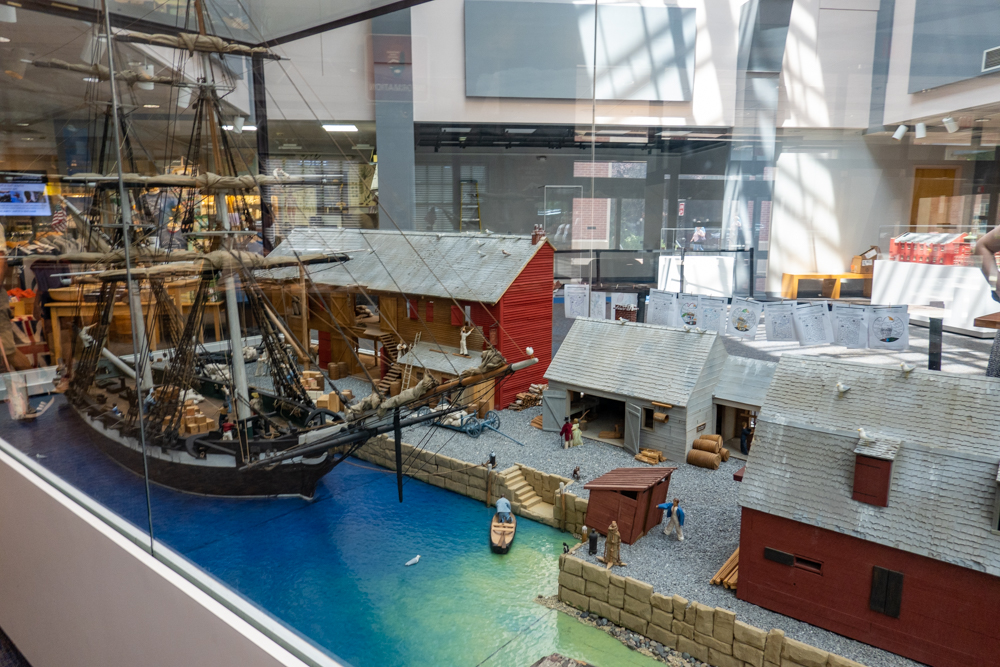
We made a quick pit stop at the National Park Service ranger station (for a bathroom break, if we’re being honest) and ended up enjoying the detailed model diorama they had inside depicting old Salem. A nice unexpected bonus.
Newburyport: Cute, Quiet, and Hangry-Inducing
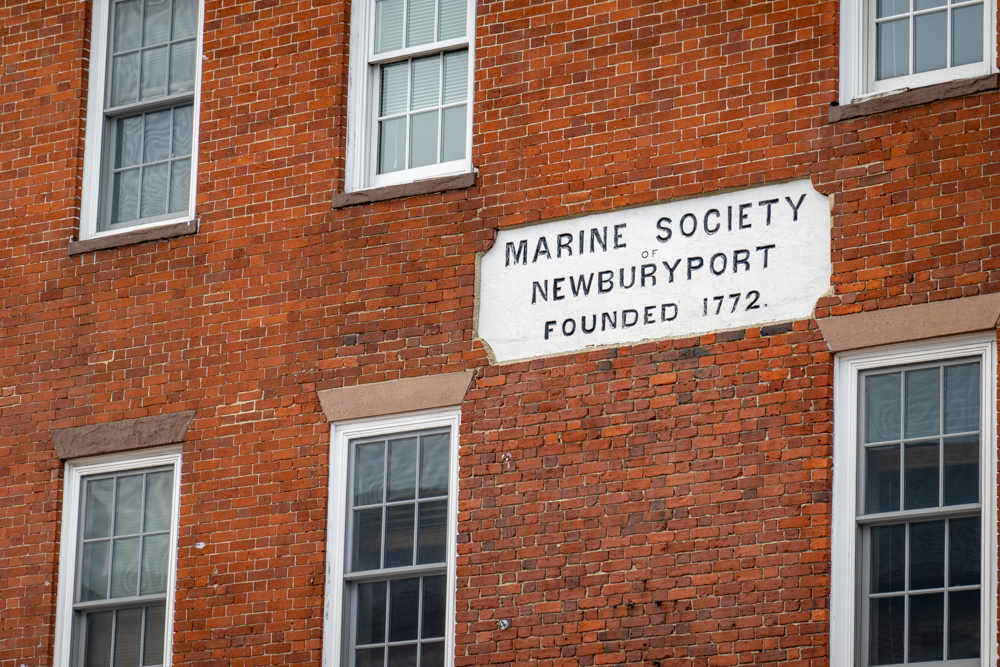
From Salem we drove to Newburyport, another charming little New England town that, in the nicest possible way, doesn’t have a ton to do.
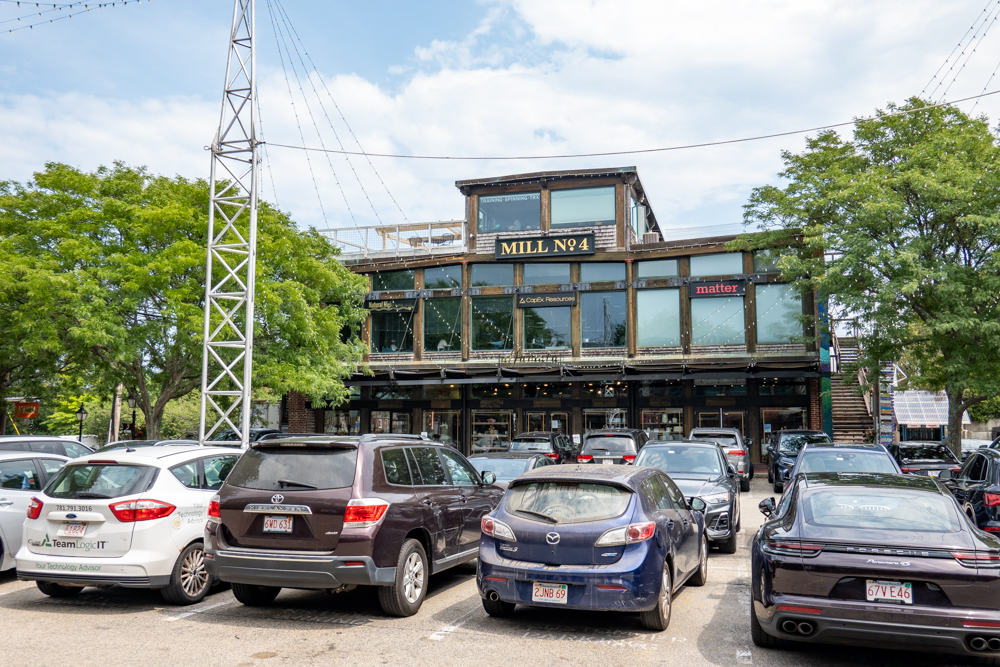
We parked in the “Mill” shopping area, where they have a bunch of stores and restaurants, but we couldnt find much to do there.
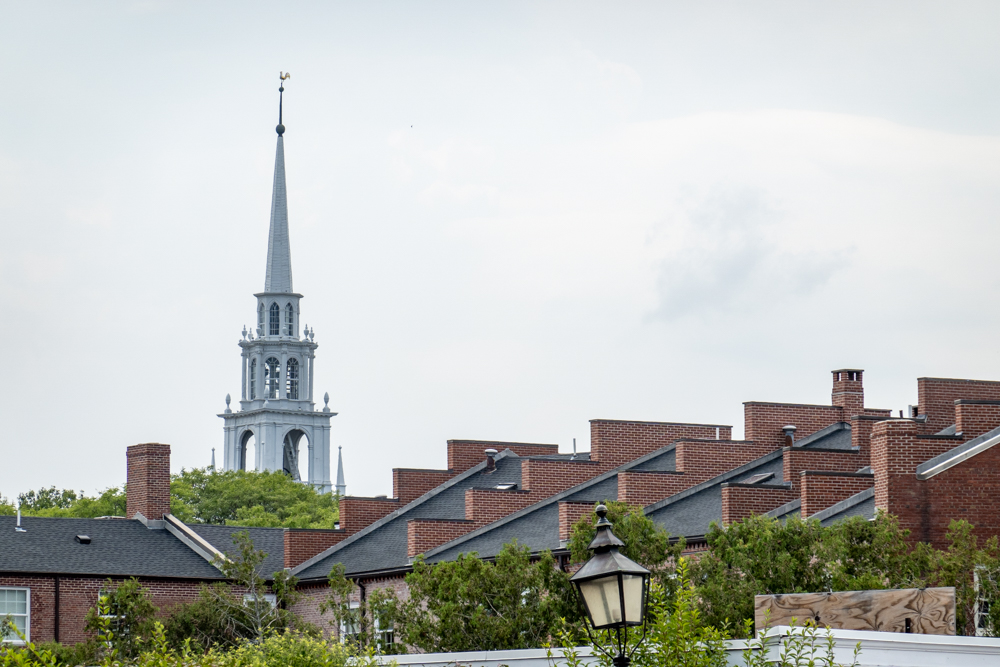
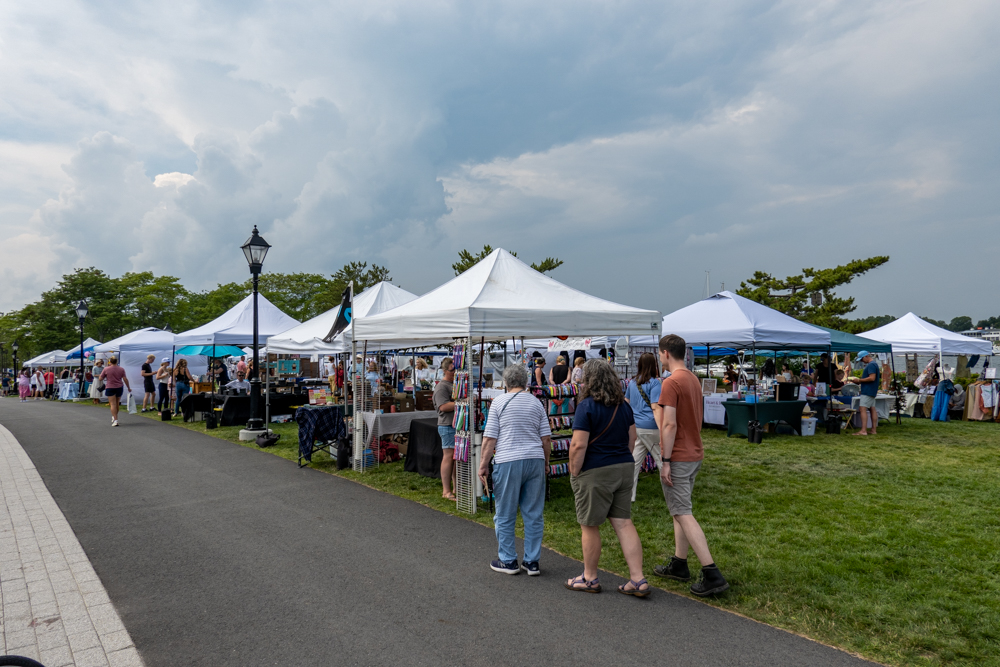
We strolled through its art and farmers market and along the pleasant waterfront. We always love unexpected markets in the cities we visit.


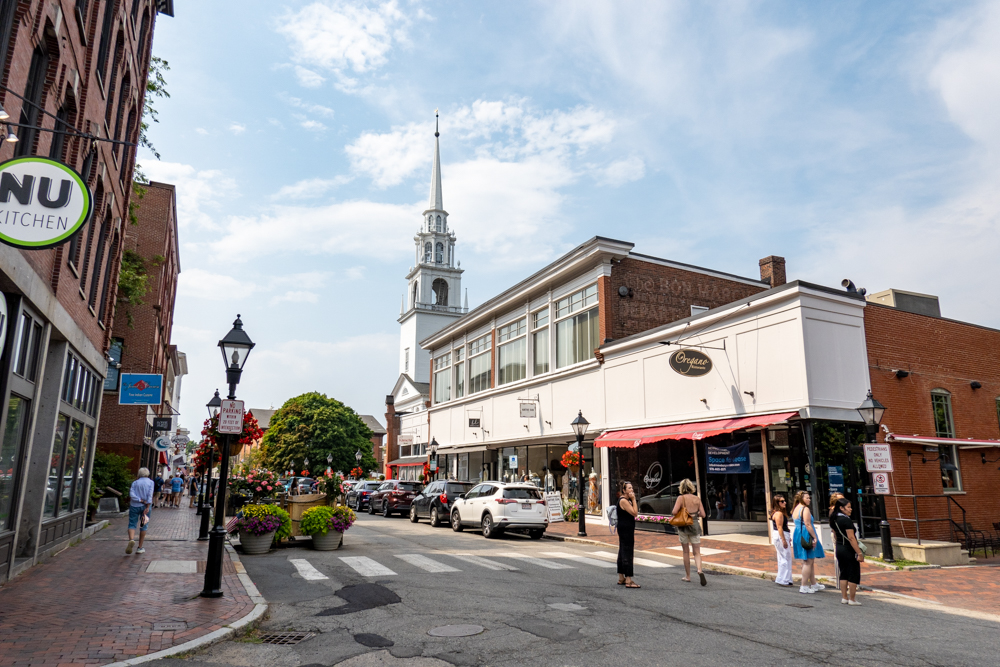
It was a lovely, low-key walk, right up until the collective family blood sugar dropped and hanger set in. We wisely stopped at a nice restaurant on the main street to refuel before anyone staged a mutiny.
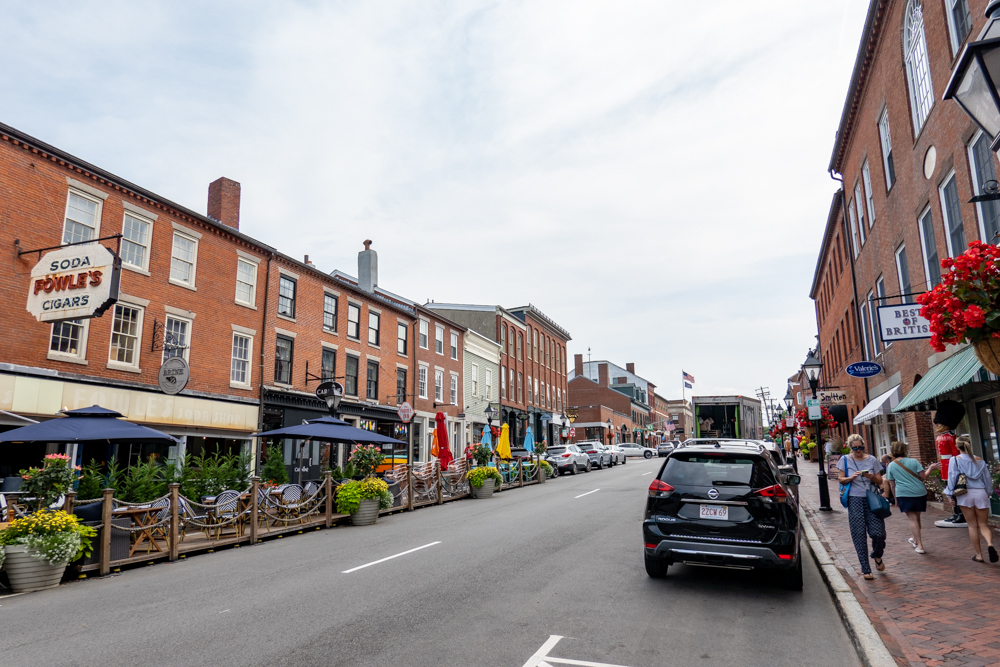
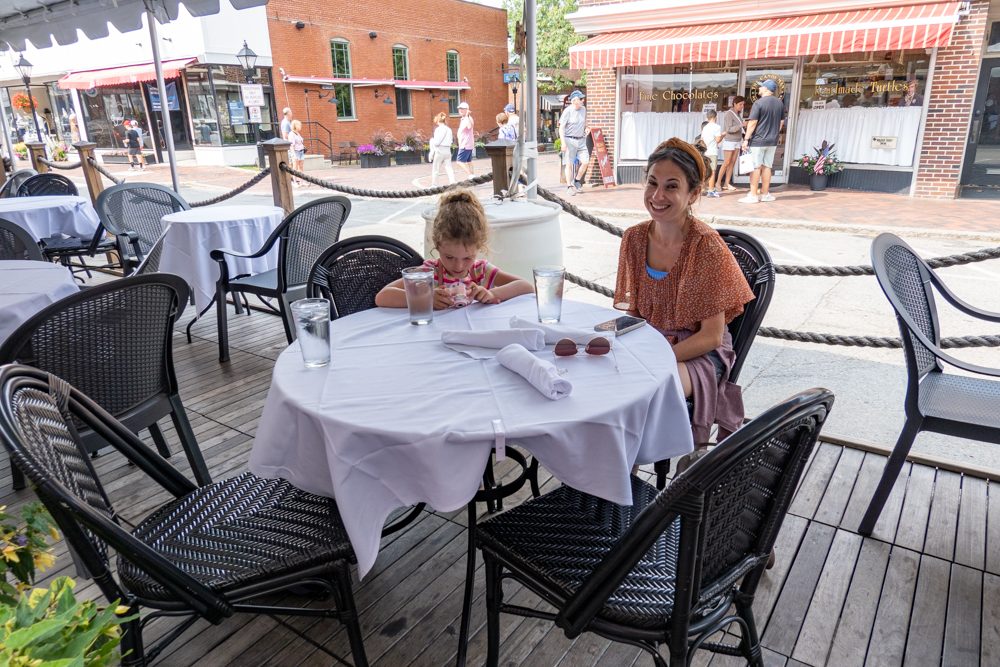
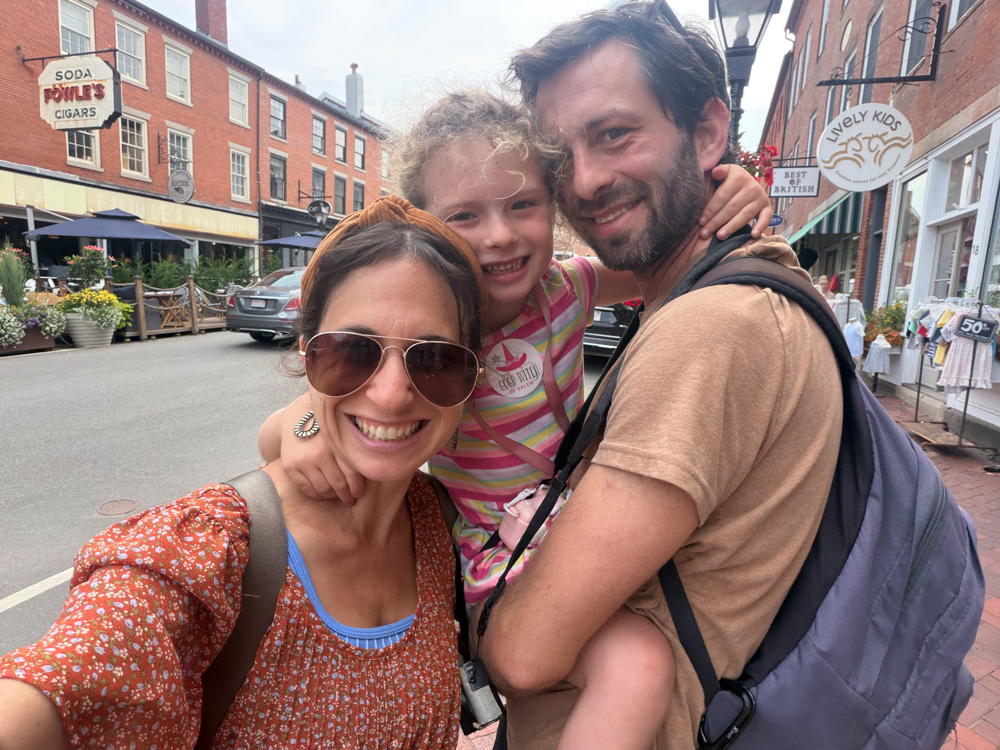
Eitan went to pick up the car back at the Mill and drove back to pick up the girls.
Onward to Maine
With bellies full, we hit the road again toward our final stop of the night: Portland, Maine. We rolled in with a bit of daylight left and drove downtown to get a first taste of the city, but I won’t get ahead of myself here. Portland gets its own post, so stay tuned for that adventure next.

Bonus Pic of the Day: The Mystery Flag
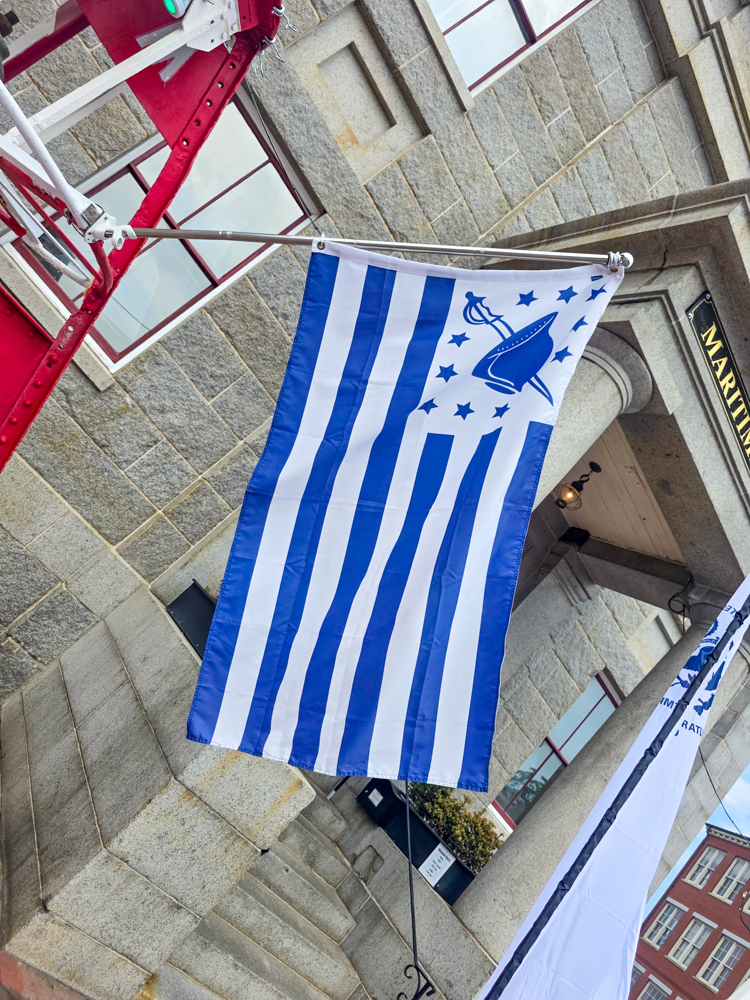
Everywhere we looked, from buildings to cars, we kept spotting the same blue and white striped flag emblazoned with a helmet and sword logo. Apparently, this was a Yankee Homecoming Flag, its a flag based on the Yankee Homecoming festival in Newburyport. Which is the he nation’s longest continuously running homecoming festival, founded in 1958.

 WHERE IS NOODLE