We spent around 1 week road-tripping around Iceland in 2018 with Sarah’s family, and I finally have the time to work on the Iceland trip blog!!
I will be dividing the blog post per day, so they will be a little long and will primarily include photos as I don’t want to bore you all with Geology and Geography information.
We traveled from Toronto to Reykjavik non-stop, a flight that lasts around 6 Hours.
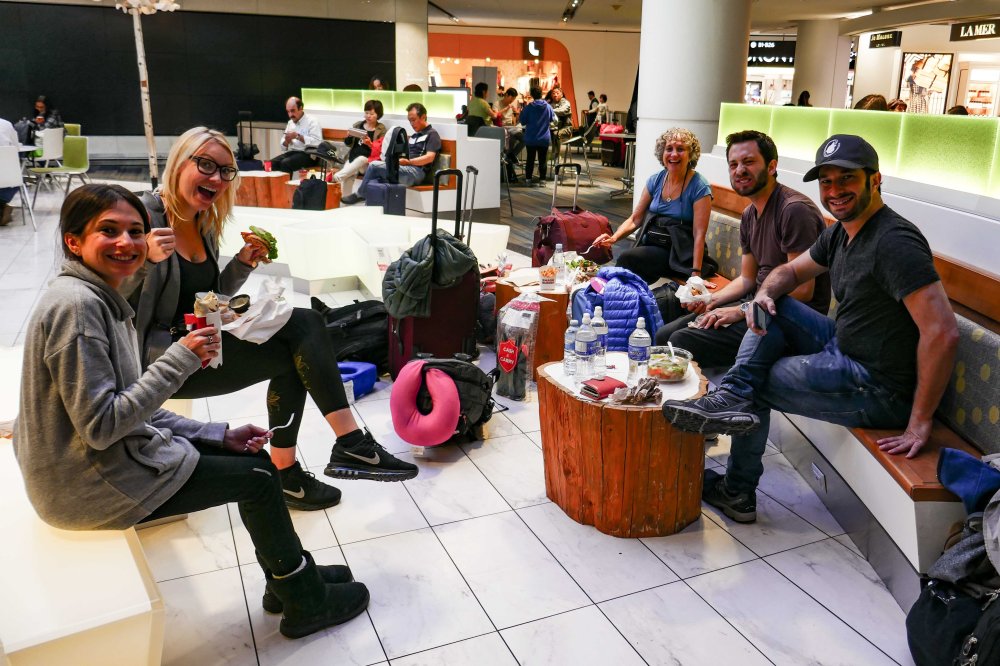
After crossing immigration, we went to the car rental agencies to get our car. Unfortunately, the car they gave us barely fit all of us, but we were lucky to find another agency with a larger van available for rent. Some of the insurances they offer here are very unique, for example, you can protect your rental from sand storm damage which seems to be pretty common on the southeast side of the island.
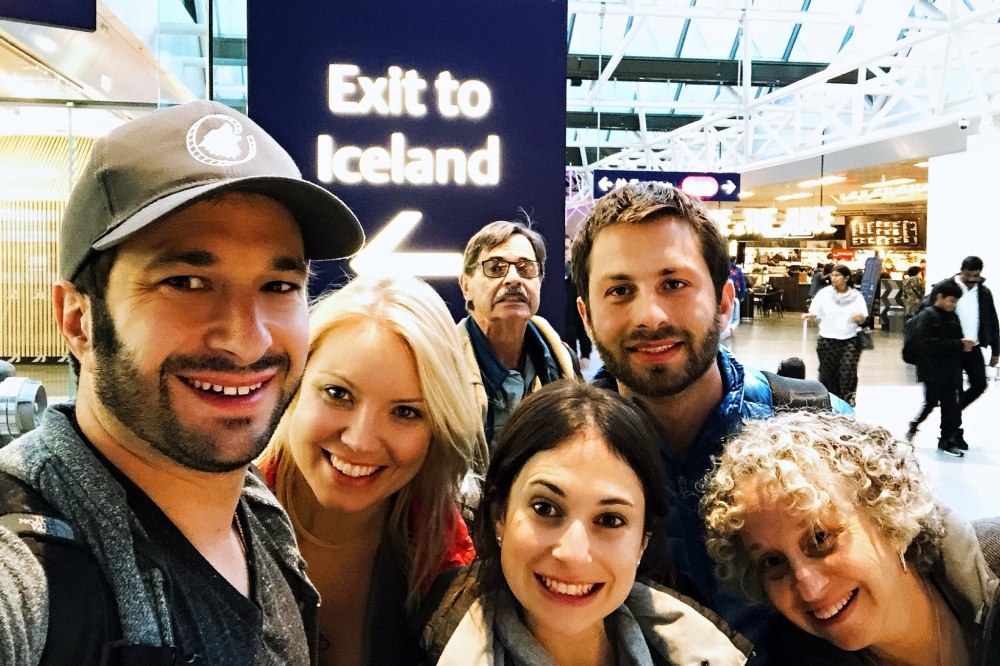

We arrived in Reykjavik and checked in to our hotel. Everybody took a nap except Sarah and Eitan who immediately went out to explore due to Eitan’s FOMO.

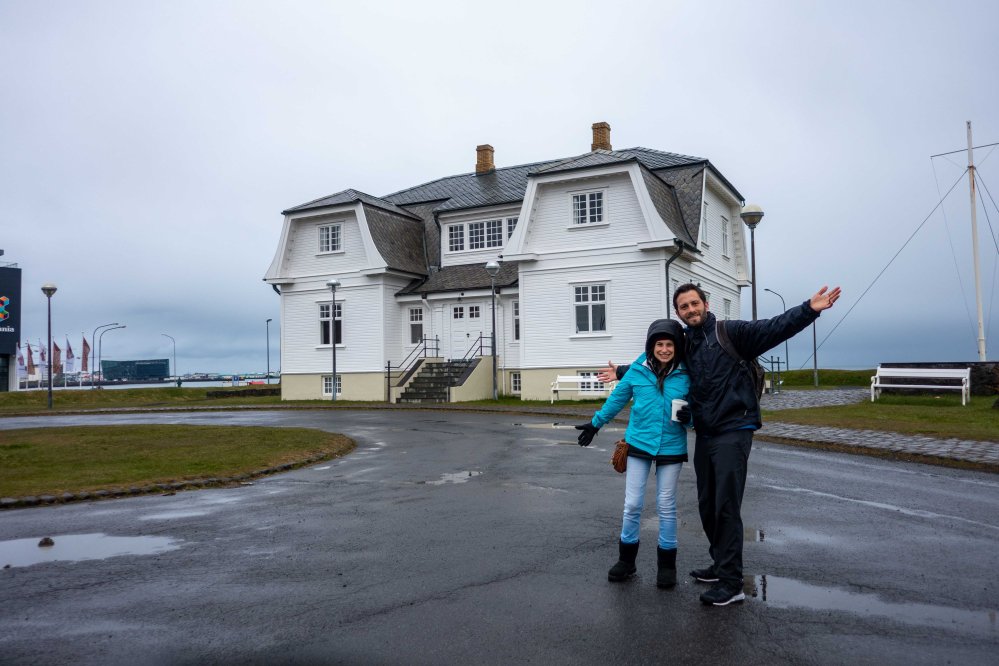
Our first spot was the Höfði House (disclaimer, I have no idea how you pronounce these words). This is a house in Reykjavík, Iceland, best known as the location for the 1986 Reykjavík Summit meeting of President Ronald Reagan of the United States and General Secretary Mikhail Gorbachev of the Soviet Union. This meeting was an important step toward ending the Cold War. Within the building, the flags of the United States and the Soviet Union are cross-hung to commemorate the meeting. Unfortunately, it was closed so we could not get in.
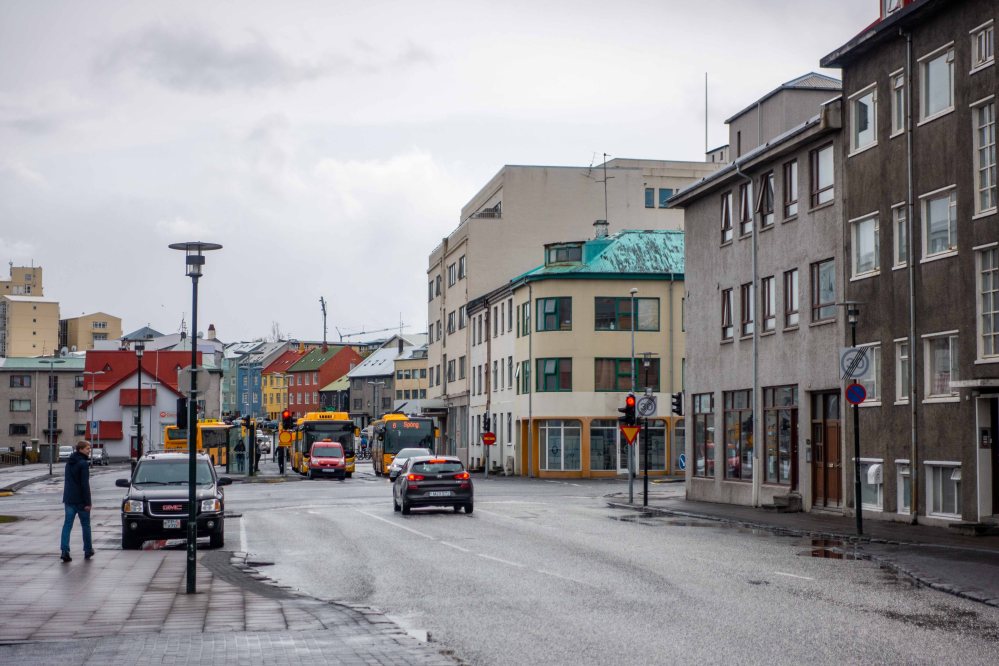
We walked around the city and found a nice brewery to have our first official Icelandic beer. The Einstok brand beer is pretty famous and now you can get it in the US very easily, but at that time it was unknown to us.
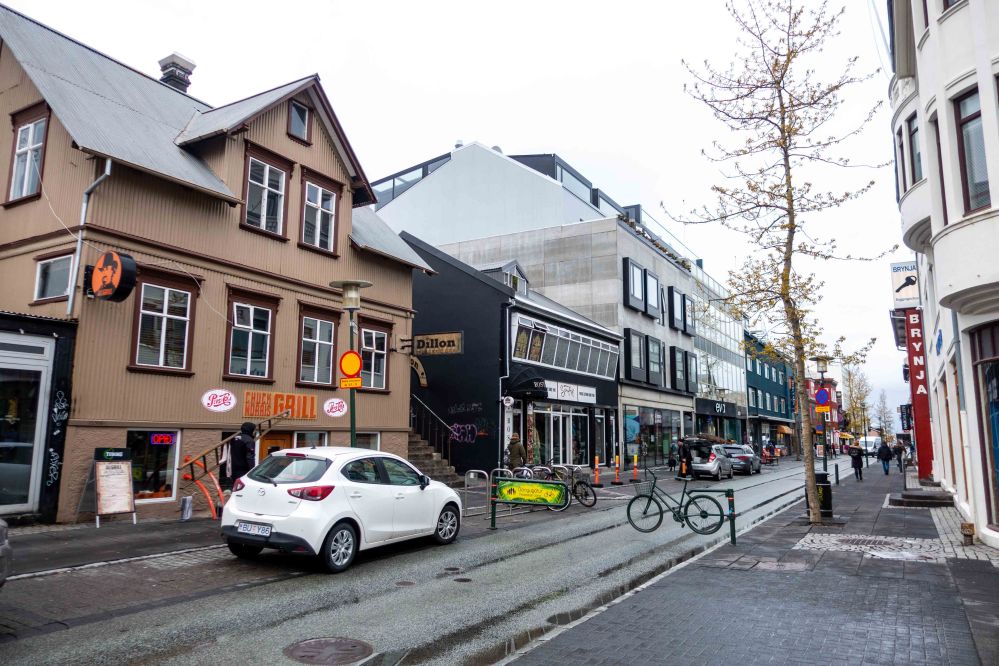
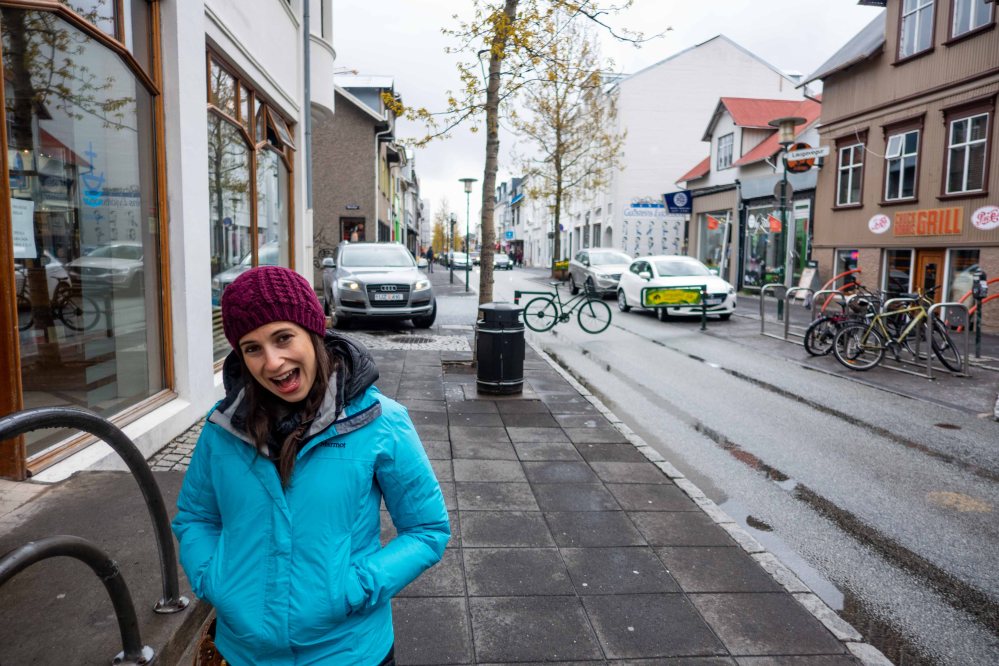

The rest of the family joined us for lunch, and we found a good vegetarian restaurant that was recommended. Food and drinks in Iceland are extremely expensive (and food is not great), due to the need to import absolutely everything.


Until the 20th century, Iceland relied largely on subsistence fishing and agriculture. Industrialization of the fisheries and Marshall Plan aid following World War II brought prosperity, and Iceland became one of the wealthiest and most developed nations in the world. It became a part of the European Economic Area in 1994; this further diversified the economy into sectors such as finance, biotechnology, and manufacturing.

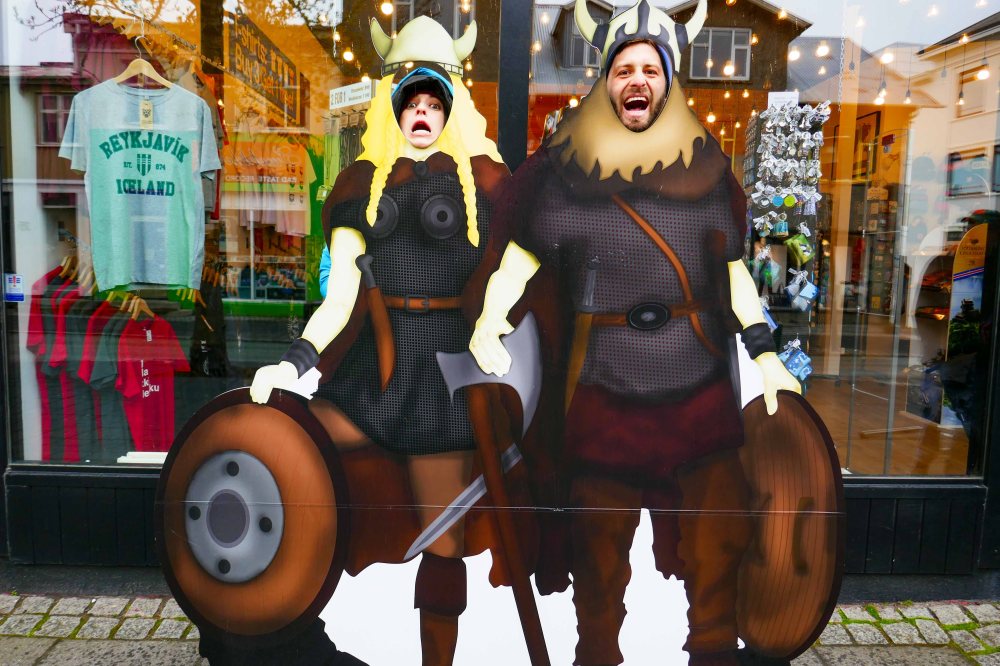
We explored the city more and walked around the streets with cute shops. There are a lot of Viking-theme shops here. Sarah was probably the shortest person on the Island at that time, which clearly prevented her from properly using the funny Viking photo displays.
Iceland was a largely uninhabited island in the northern Atlantic Ocean where Norsemen settled around 870. It began as a ‘free state’ but became a Norwegian province in the years 1262/64. As a dependency of Norway, Iceland came under the Danish-Norwegian Crown in 1380 and was, in reality, a Danish dependency from 1660.


Icelandic culture is founded upon the nation’s Scandinavian heritage. Most Icelanders are descendants of Norse and Gaelic settlers. Icelandic, a North Germanic language, is descended from Old West Norse and is closely related to Faroese.
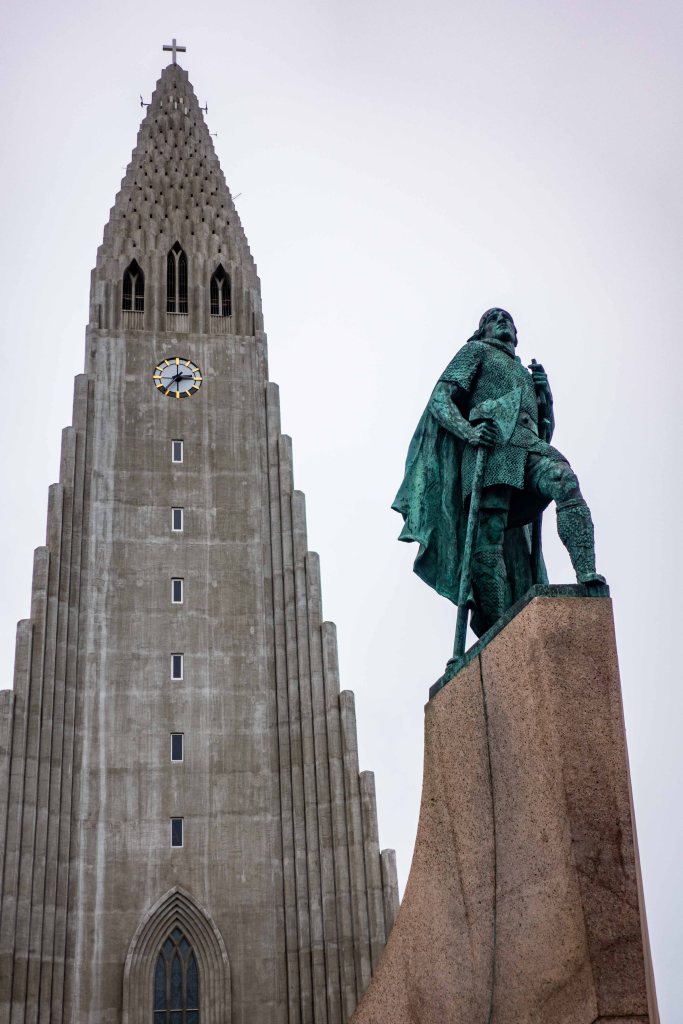
We stopped at the famous Hallgrímskirkja church, which is the largest church (Lutheran) in Iceland and among the tallest structures in the country. Known for its distinctively curved spire and side wings, it has been described as having become an important symbol for Iceland’s national identity since its completion in 1986. The church is named after the Icelandic poet and cleric Hallgrímur Pétursson (1614–1674), author of the Passion Hymns.
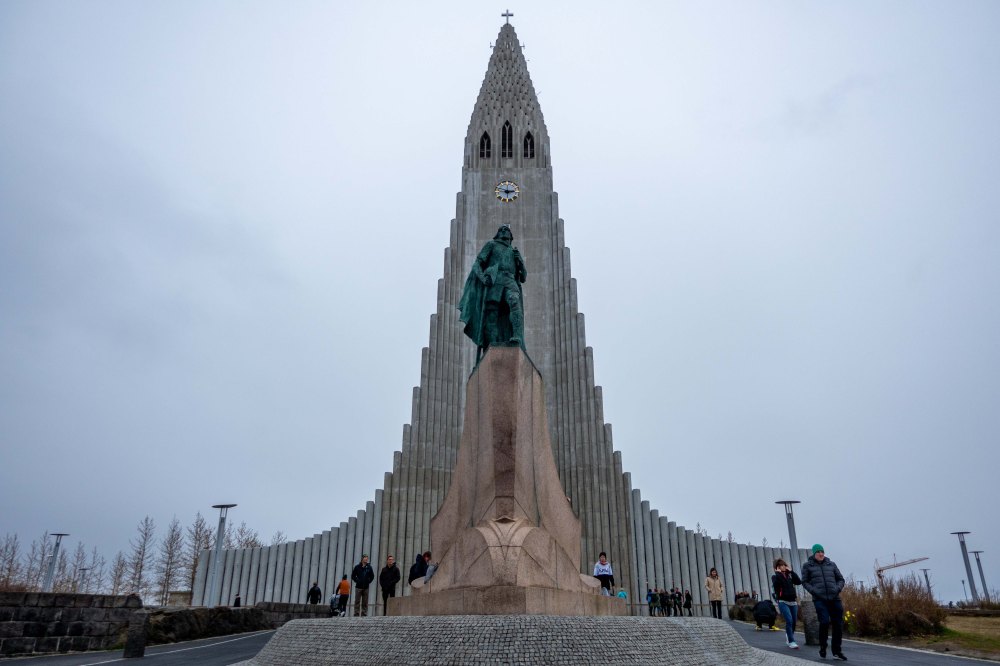

It took 41 years to build the church: construction started in 1945 and ended in 1986, but the landmark tower was completed long before the whole church was finished.

The church houses two large pipe organs. The first, a Rieger-Kloss organ was installed in 1946. It was moved to the South Wing when it opened and a new organ was built. The next pipe organ was commissioned from Frobenius in 1985. Soon after, in 1988 the church council decided that the Frobenius pipe organ wasn’t big enough and commissioned another from the German organ builder Johannes Klais of Bonn.


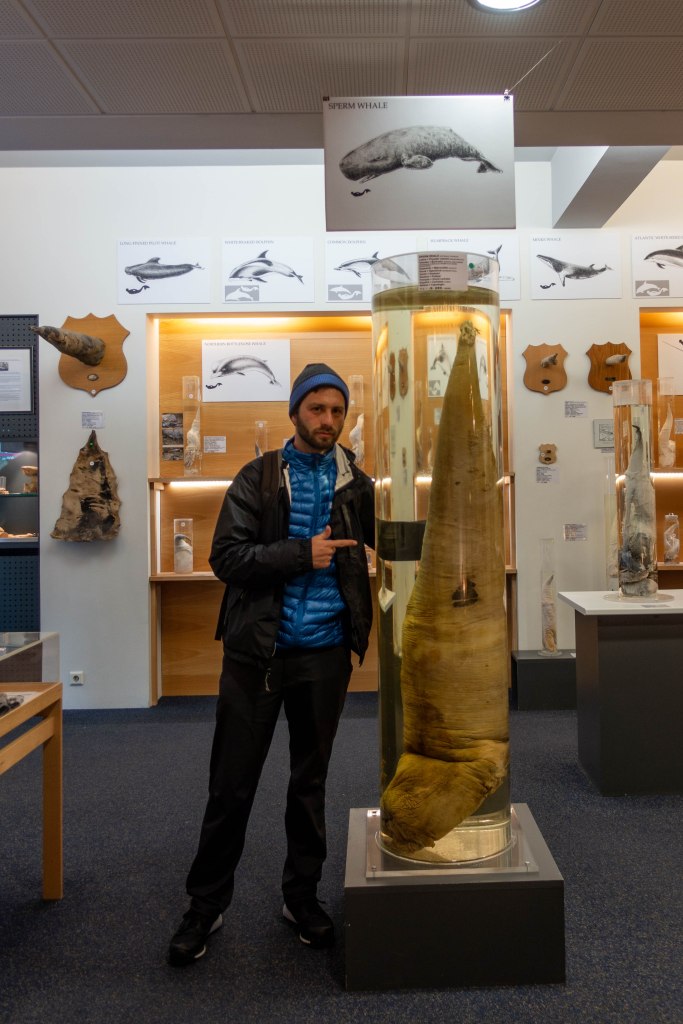
Soon after, we stopped at the world-famous Phallological Museum. Containing the worldʹs largest collection of biological phalluses, with hundreds of specimens from the entire Icelandic mammal fauna and well over 100 foreign species.

This family friendly museum is always in development and adding something new, including art and cultural items. “Erected” in 1997 by historian and teacher Sigurdur Hjartarson, the museum has become one of the main attractions in downtown Reykjavik. It keeps “growing” in size regularly and more “members” keep joining the collection.

Exhibit A: one of the biggest dicks on the planet…. and I’m talking about the Sperm Whale penis, and not the guy posing next to it.
After a penis overdose, we needed to calm down our animal urges with some wine and beer at a local bar.

We kept exploring this nice city.
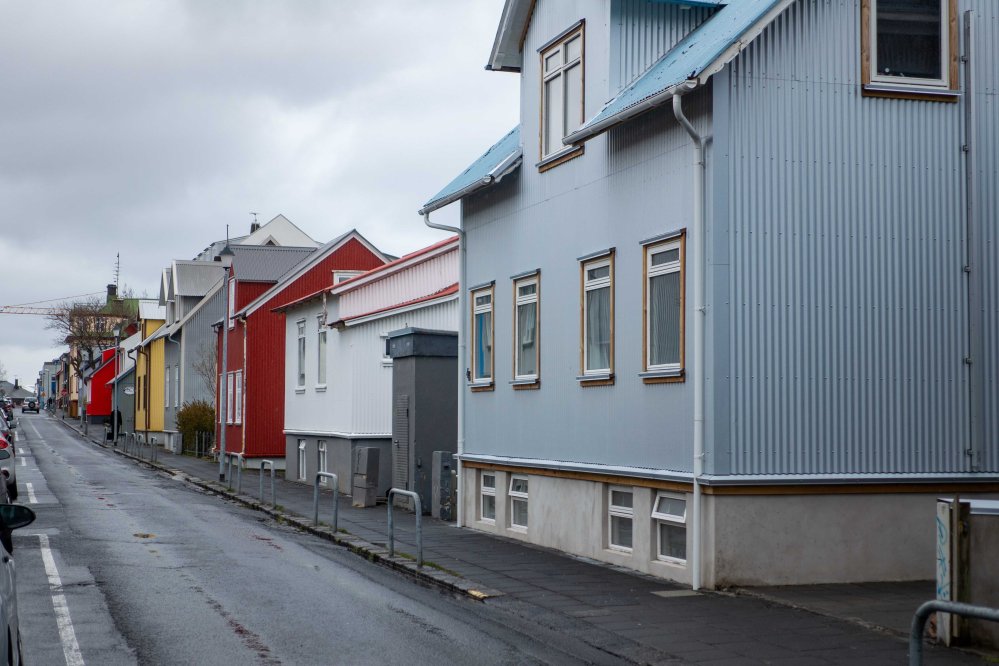
Eitan stopped at the world-famous hot dog stand called Bæjarins Beztu Pylsur (maybe I should just stop writing these names altogether). Let me assure you that these are famous because Bill Clinton ate one during his visit in 2004, and NOT because these are a culinary masterpiece.


We walked to the Harpan building. This is a concert hall and conference centre. The opening concert was held on May 4, 2011 with the Iceland Symphony Orchestra performing under the baton of Vladimir Ashkenazy. The building features a distinctive colored glass facade inspired by the basalt landscape of Iceland.
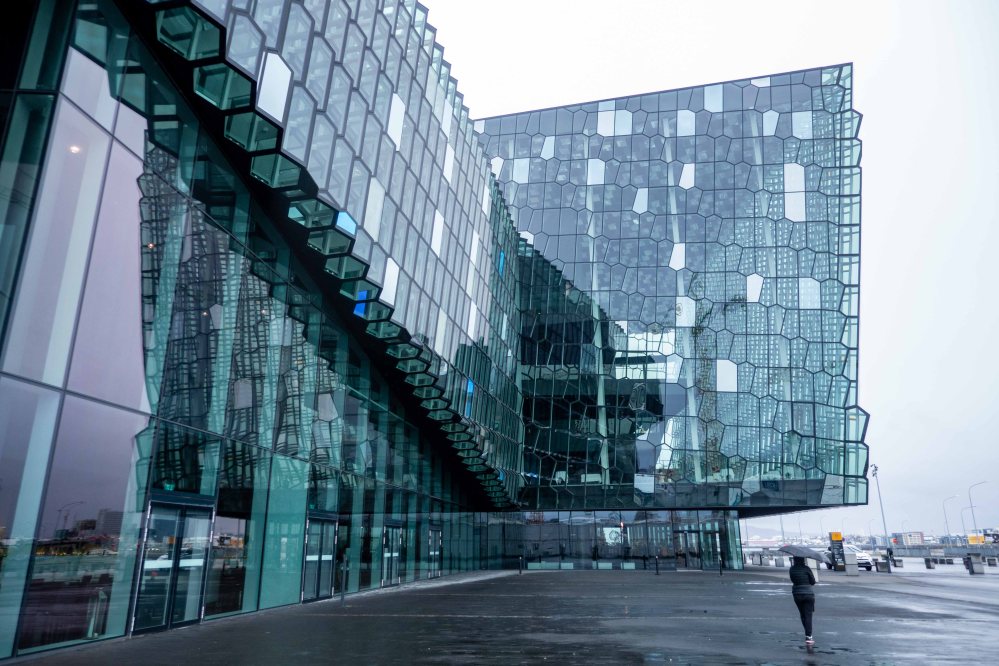

Construction started in 2007 but was halted with the start of the financial crisis. The completion of the structure was uncertain until the government decided in 2008 to fully fund the rest of the construction costs for the half-built concert hall. For several years it was the only construction project in existence in Iceland
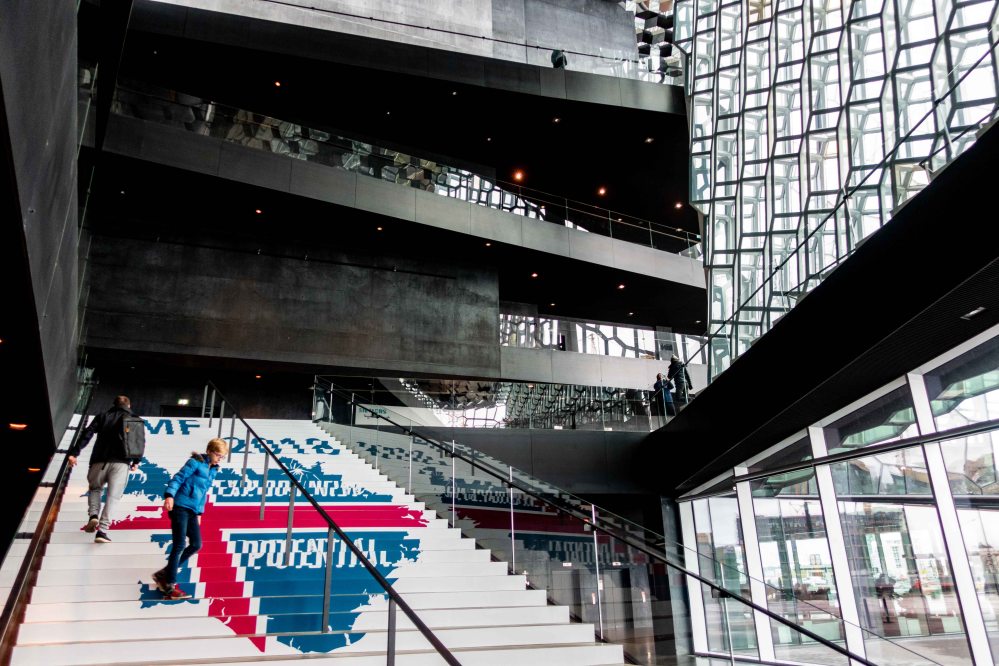

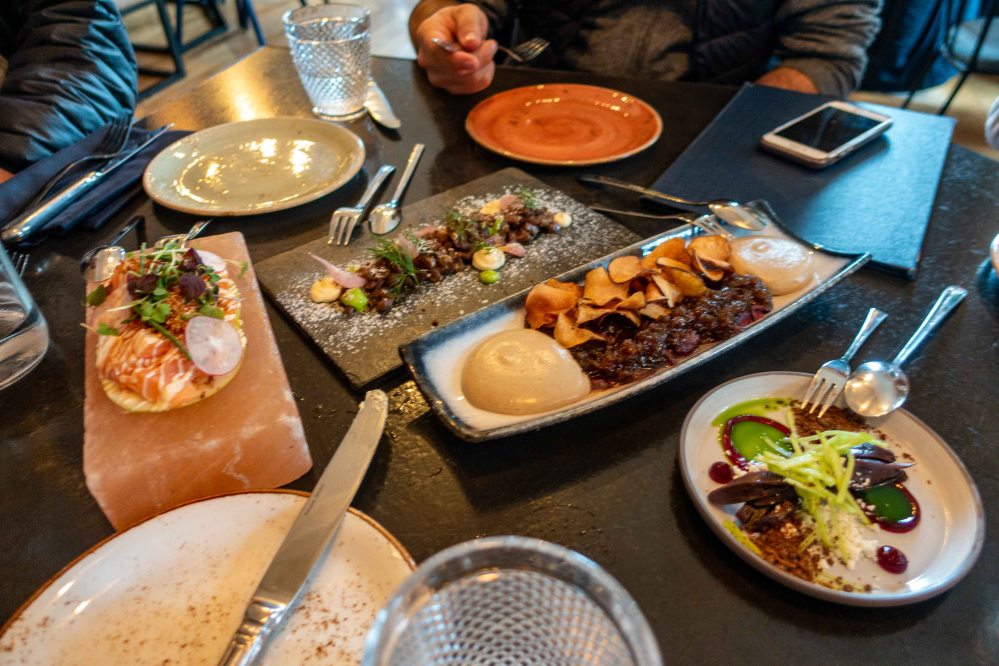
We then walked to dinner. We found a good restaurant to try very local dishes, mostly seafood. Most we don’t need to try again.
The visit to the Sun Voyage sculpture ended our day. It is a common misunderstanding that Sun Voyager is a Viking ship. It is quite understandable that many tourists think this when travelling in Iceland, the land of the Sagas. Nonetheless, it should be stressed that this was not the original intention. It is a dream boat and an ode to the sun. It represents the promise of undiscovered territory and a dream of hope, progress and freedom.
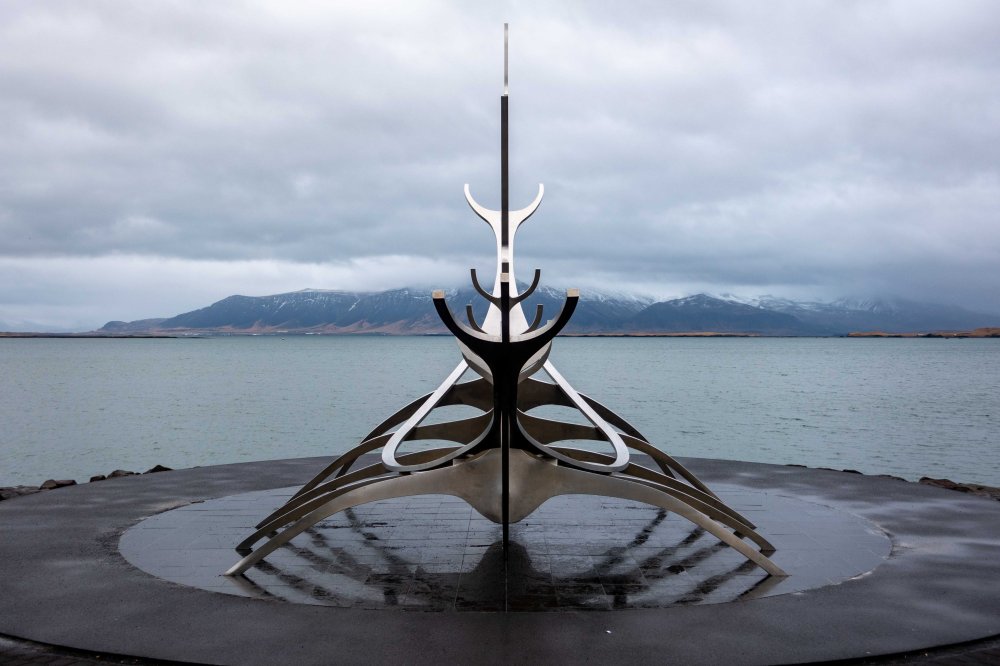
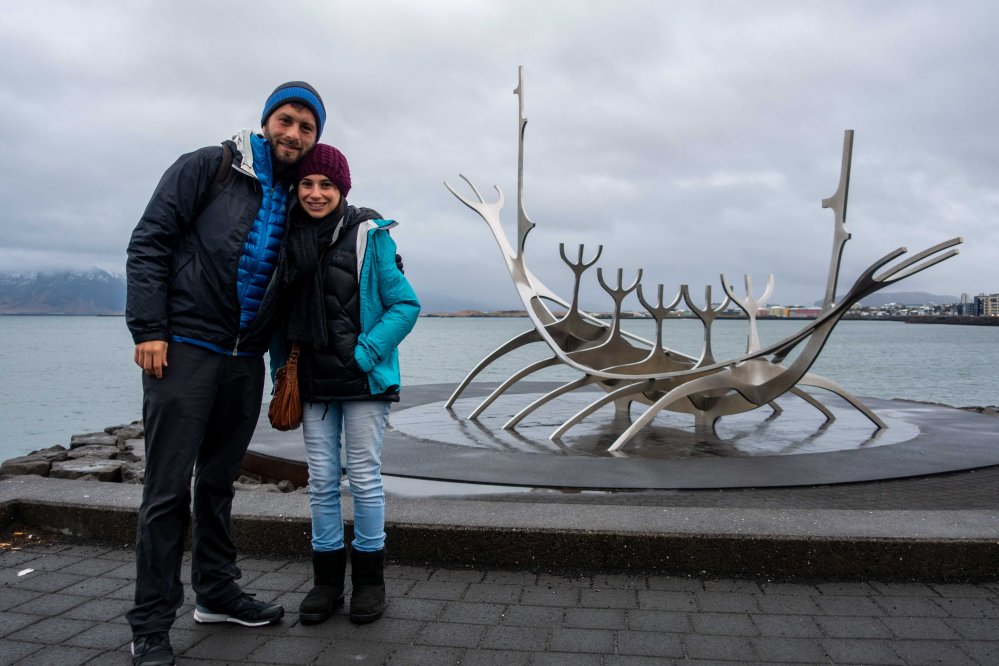
In 1986, the district association funded a competition for an outdoor sculpture to celebrate Reykjavik‘s 200-year anniversary. The Sun Voyager was the winning piece.

The next day we started our road trip around the island, and after 6 days we returned to the capital for one more night before flying back home. The only activity that we did that day was a quick visit to the Blue Lagoon. So here I added those photos to not have to make another post just of it.
We first had a very nice lunch in the restaurant attached to the lagoon. It was actually Mother’s Day, so the perfect spot to celebrate Elly.
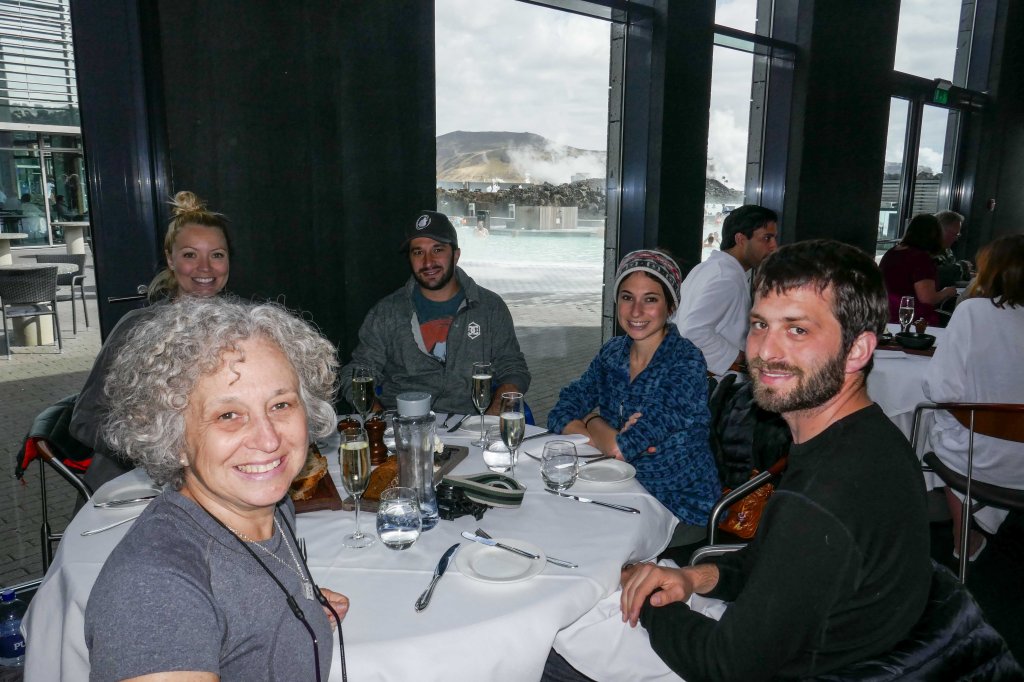
We then went to the locker rooms to change. We all got bath robes and flip-flops. There is special entrance we needed to use due to Elly’s injury (stay tuned for what happened later in the trip).
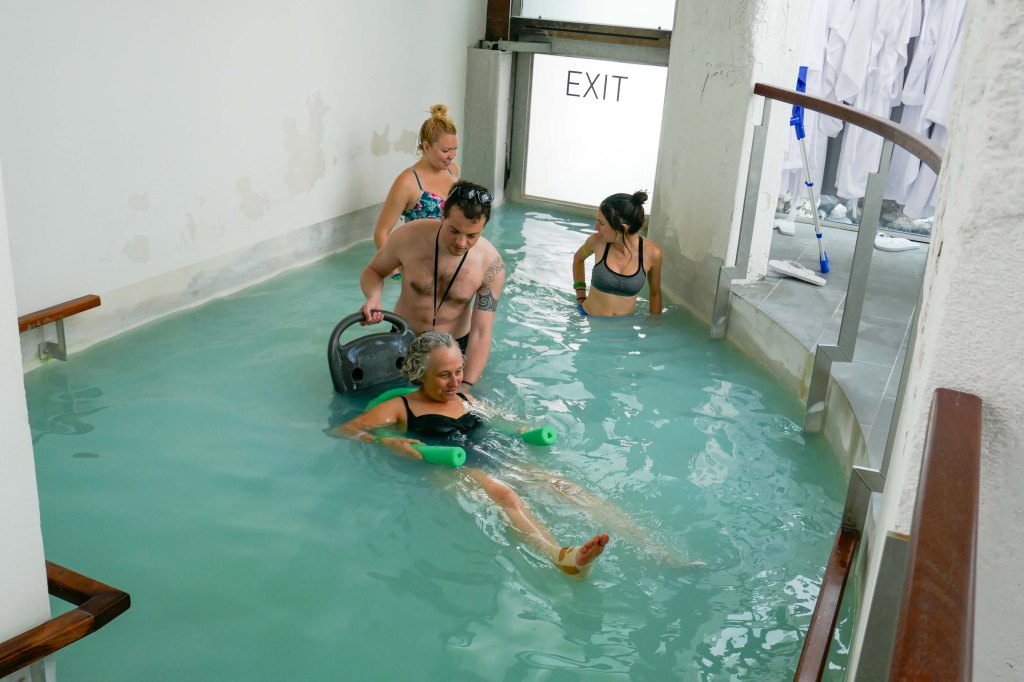
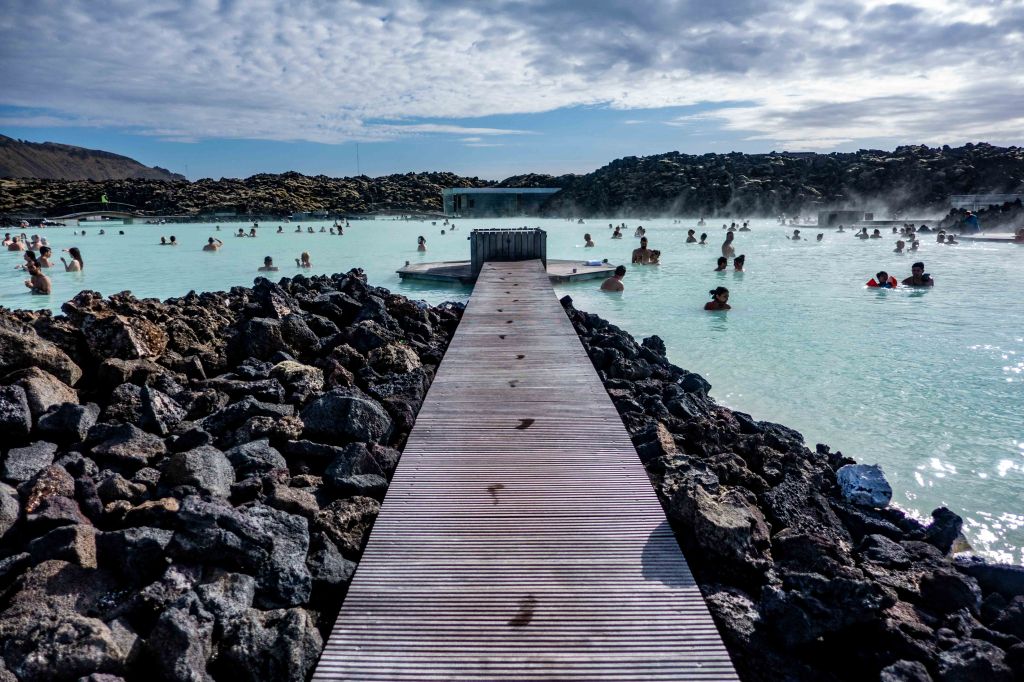
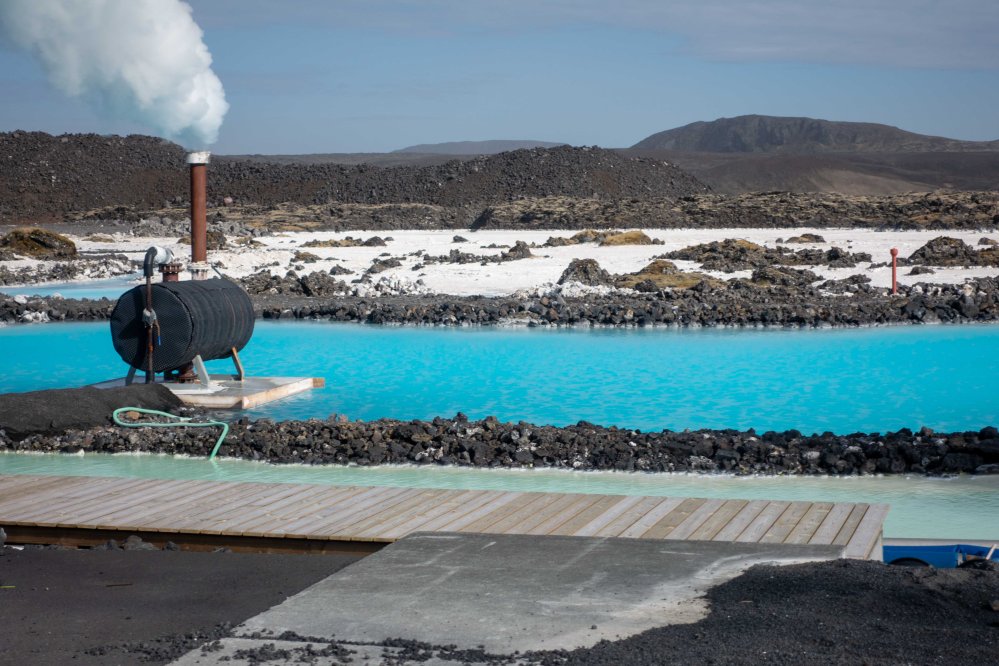
Using the lagoon cost around $80 USD for the day and it is totally worth it. The spa is located in a lava field near Grindavík and in front of Mount Þorbjörn on Reykjanes Peninsula, in a location favorable for geothermal power, and is supplied by water used in the nearby Svartsengi geothermal power station.

It is a little touristy, but as we always say, “it is touristy for a good reason”. The place is huge so you can always find a secluded space to relax. The photo below would be banned on Instagram, but this is how it really looks with all the people in there.

The ticket includes a package of mud that you apply on your skin. It apparently does wonders to your skin.
The water’s milky blue shade is due to its high silica content. The silica forms soft white mud on the bottom of the lake which bathers rub on themselves. The water is also rich in salts and algae.
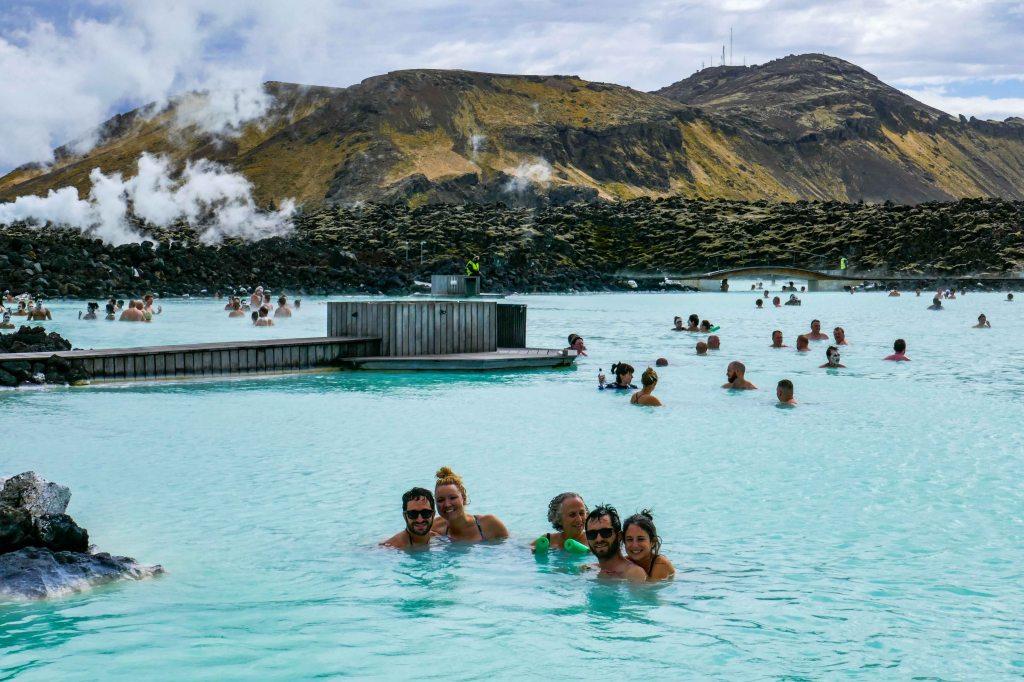
The water temperature in the bathing and swimming area of the lagoon averages 37–39 °C (99–102 °F), and there is even a bar inside the lagoon!

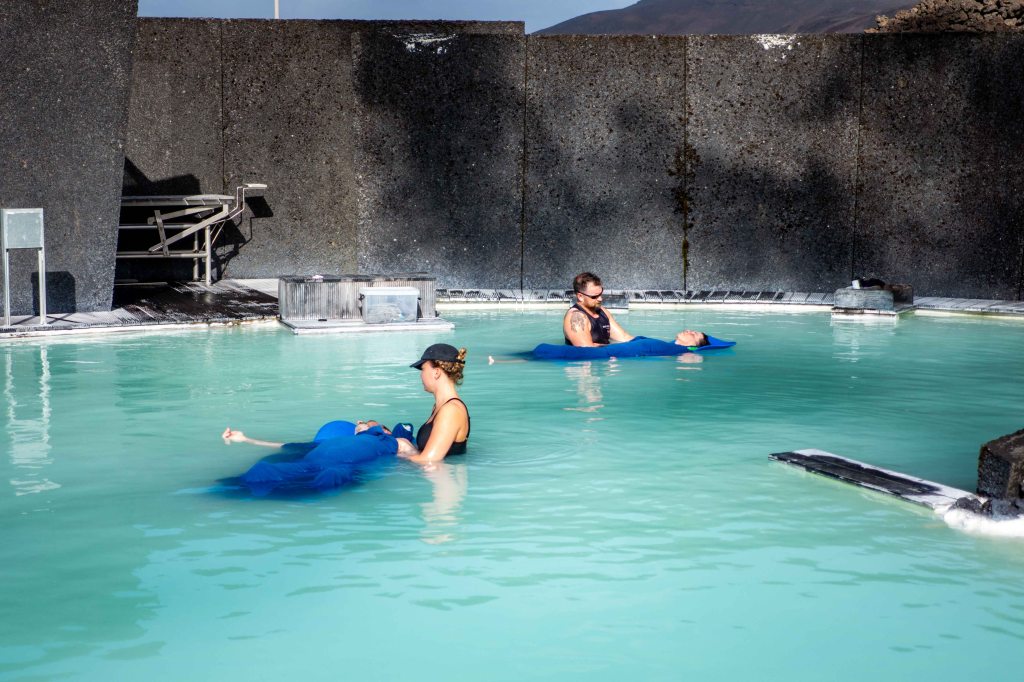
Dan and Elly were very nice to gift us a water massage. Very unique and incredibly relaxing. They float you in the water while you get a massage.
Very nice scenery on the way to the parking lot.

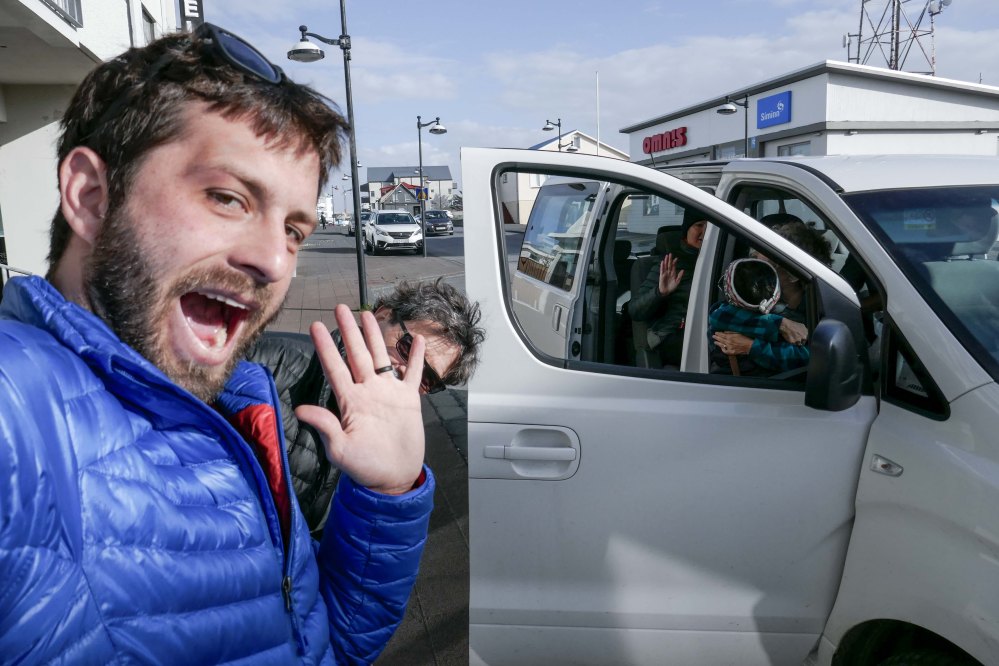
We said our goodbyes as the rest of the family was leaving to catch a flight while Eitan and Sarah needed to stay one more night to catch their flight the next morning.

Sarah passed out very early. The blue lagoon does drain all your energy!

Bonus pic of the day:
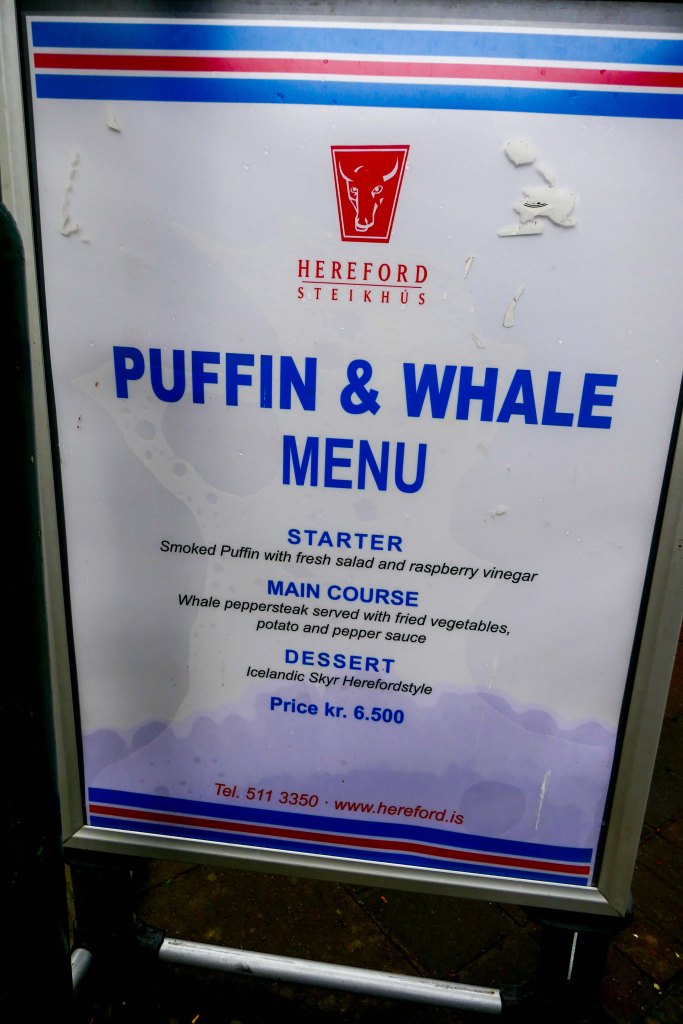
There is a long history of whaling and eating whale meat in Iceland. Whale hunting began in Iceland as early as the 12th century, and stranded whales have always been a significant windfall.
Iceland is a part of the International Whale Commission and has been since the beginning, apart from a few years. Icelanders quit the commission in 1990 as a protest against the complete whaling ban. The government joined again in 2002.
Icelanders have a completely different relationship to eating whales than horse meat. While it was literally banned for centuries to eat horses, and quite the social stigma to do so even during famines, eating whales has never had the stigma. Even today, when whaling is banned on most of the planet, and many don’t eat it for animal welfare reasons, about 75% of Icelanders approve of whaling.

 WHERE IS NOODLE
I should edit this one, right?
LikeLike