The Noodles embarked on another adventure last month. After absolutely loving our Caribbean cruise with Ariela last year, we found ourselves stuck in full analysis paralysis trying to decide where to go next. Eventually, we realized something simple: we already knew we loved cruising. So instead of reinventing the wheel, we booked another one — this time with entirely new islands and a completely different starting point.
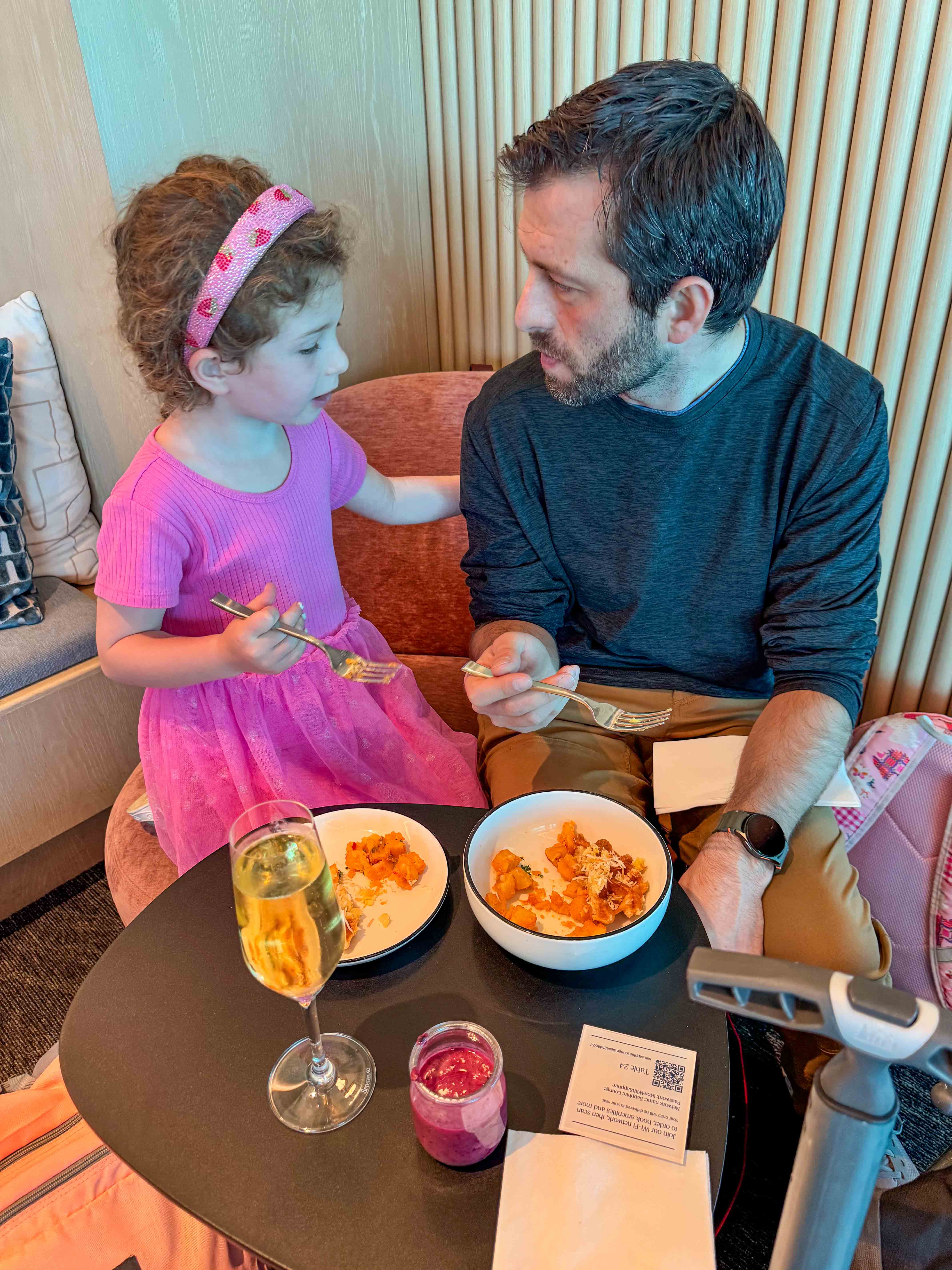
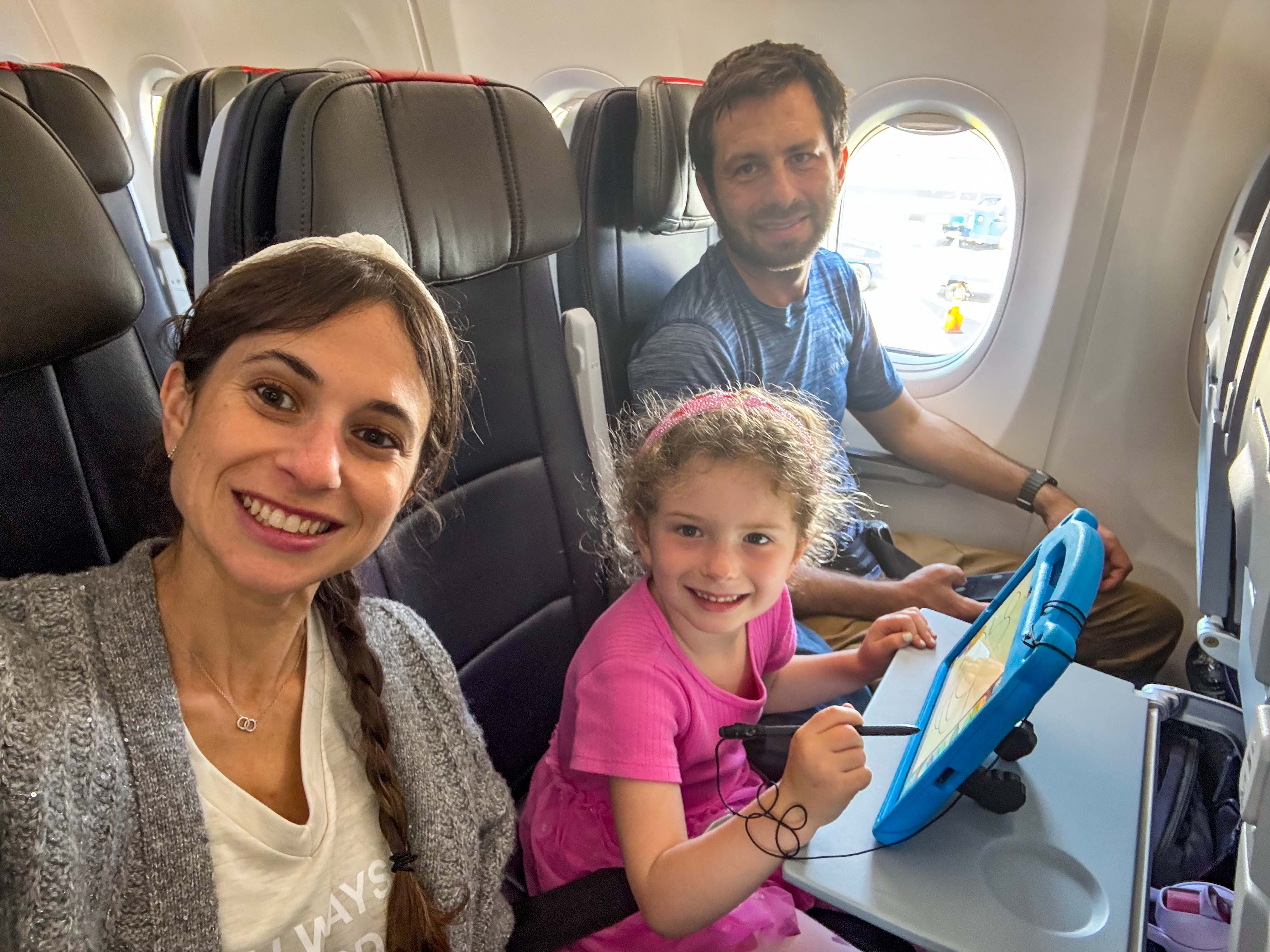
Rather than sailing out of Orlando again, we chose Miami and decided to turn the trip into something bigger by spending a few extra days exploring South Florida and taking a road trip through the Florida Keys. Getitng there was uneventful, and after spending some time at the airport lounge, we boarded out 5 hour flight to Miami.
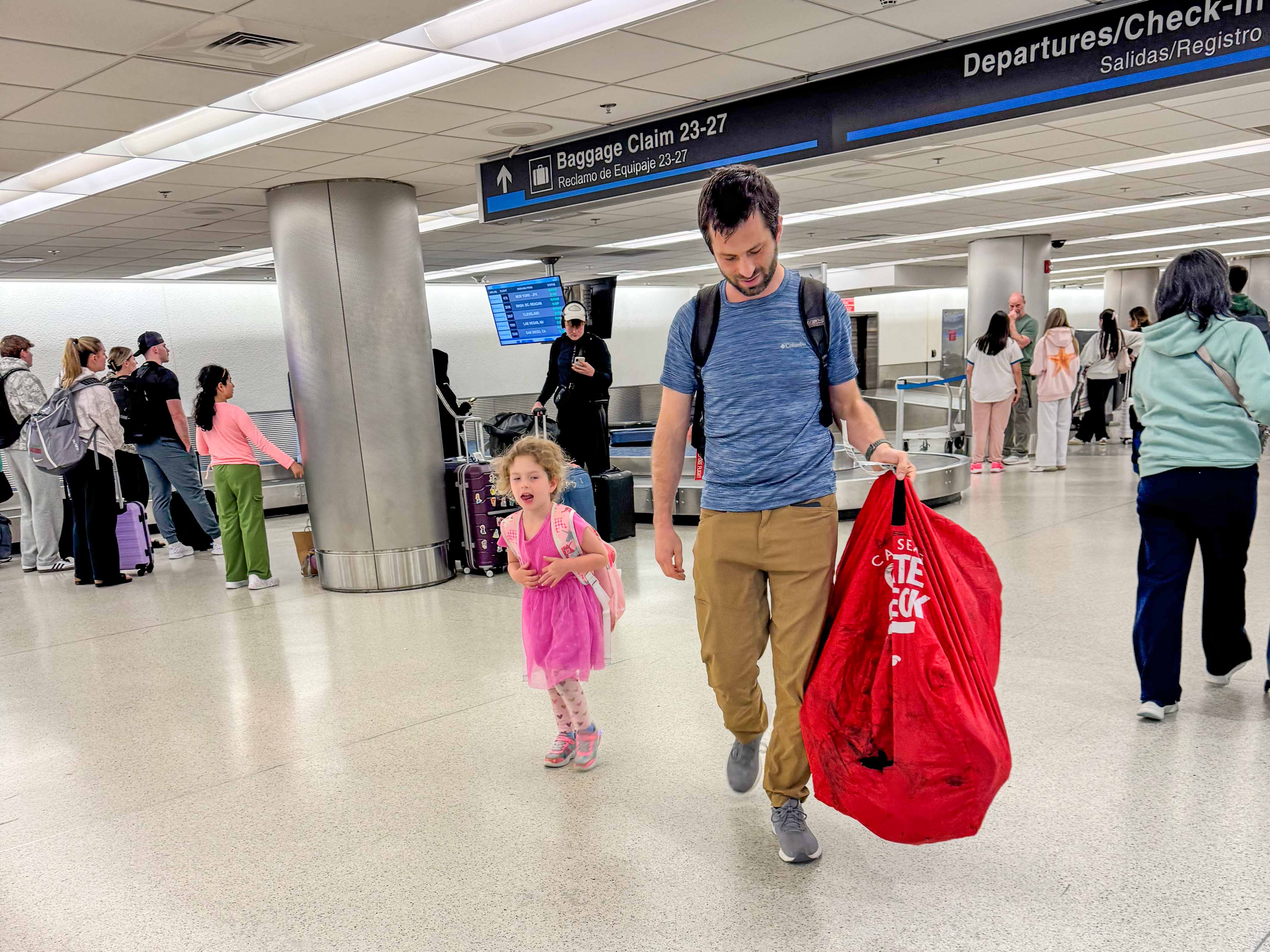
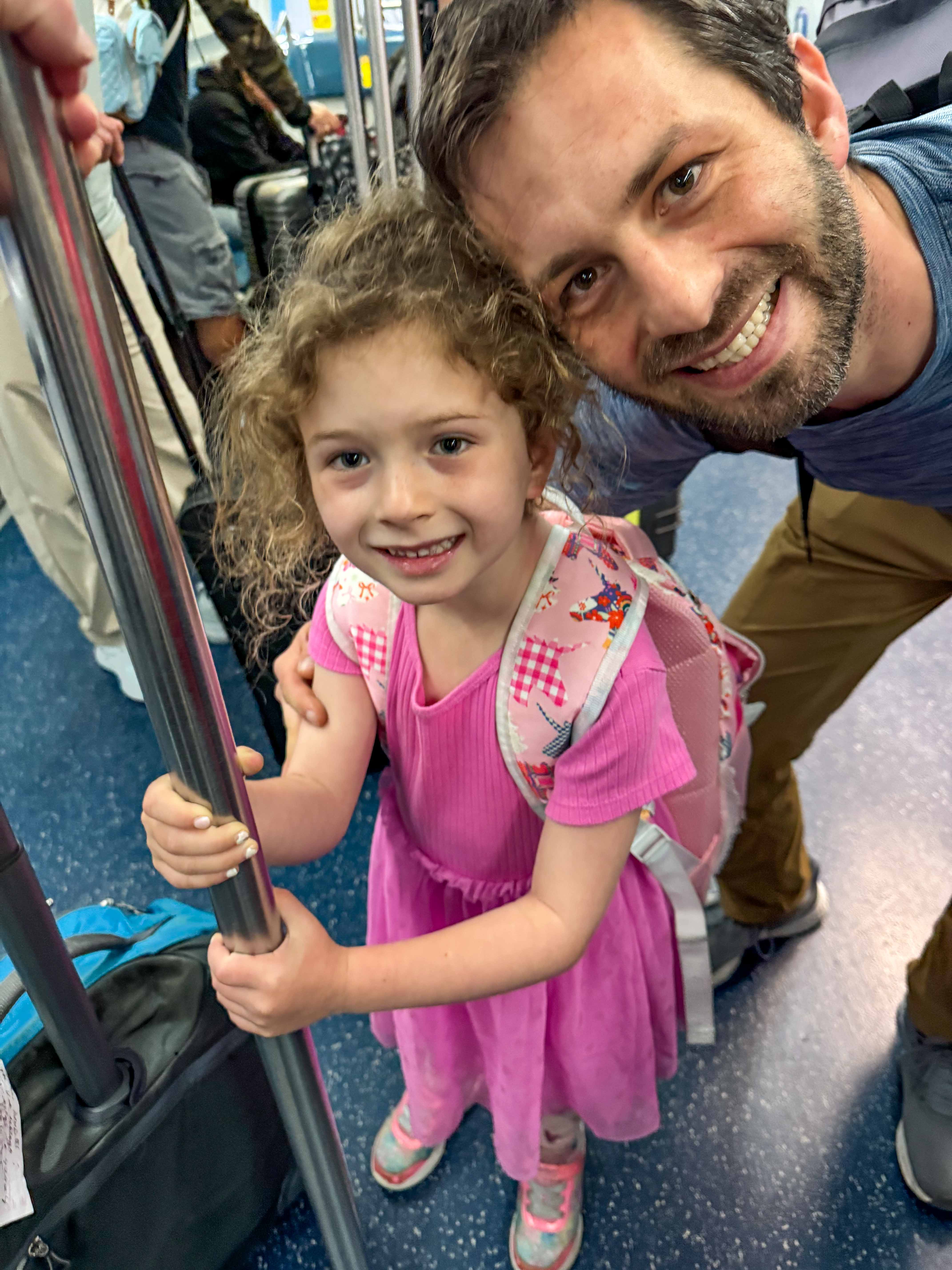
After getting our bags (always nerve wraking until they appear in the bag claim area) and jumping on a train to go to the rental car area, we stopped at McDonalds and went straight to sleep.
Waking up the next day was hard becuase of the jetlag, but we were excited to start exploring Miami. Our first full day was dedicated to one of Miami’s most iconic neighborhoods: Little Havana.
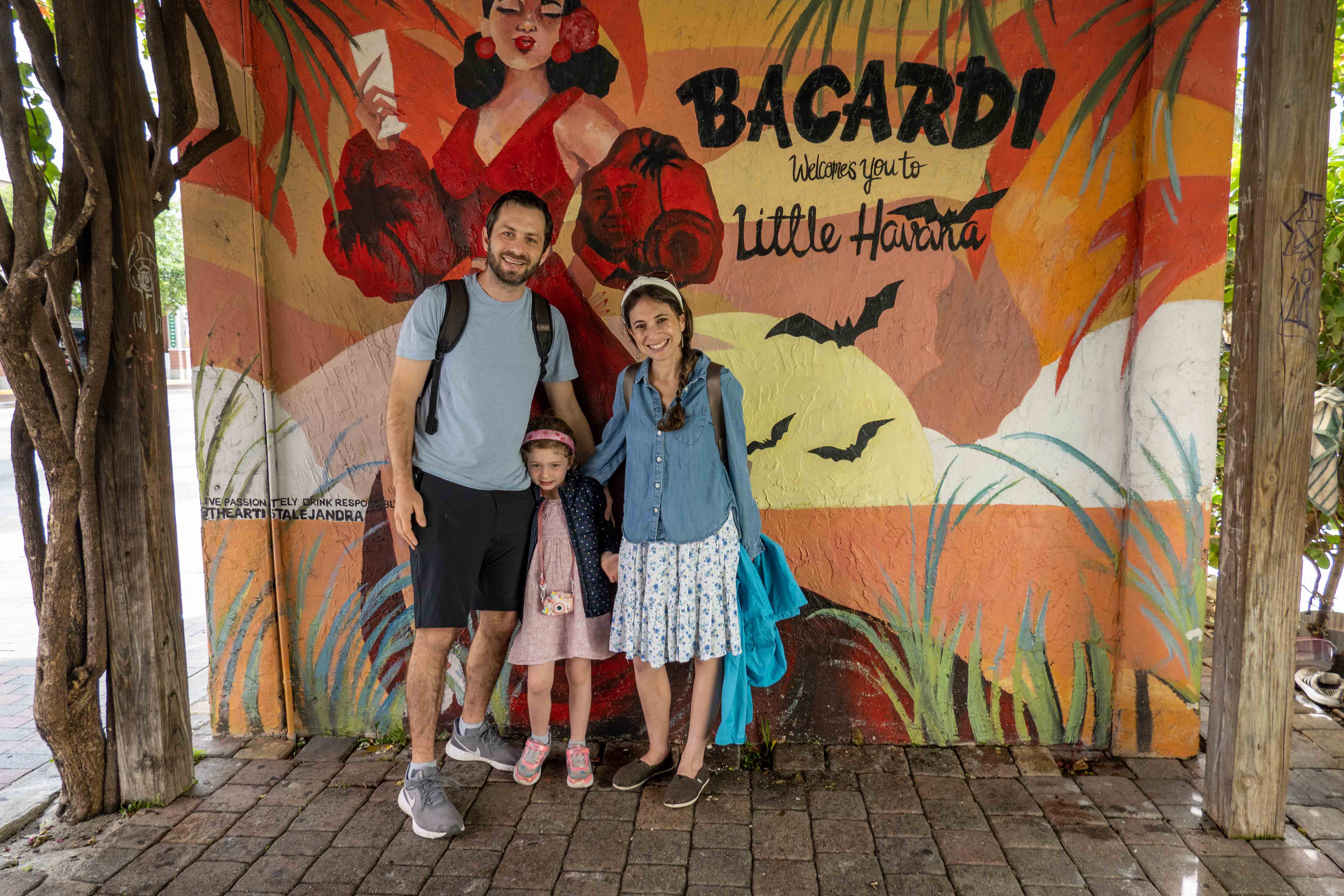
Little Havana is technically only a few blocks long, but culturally it feels enormous. The neighborhood became the heart of Miami’s Cuban community after thousands of Cuban immigrants arrived following the Cuban Revolution in the late 1950s and early 1960s. Walking through the area feels less like a tourist attraction and more like stepping into a living piece of Cuban-American history.
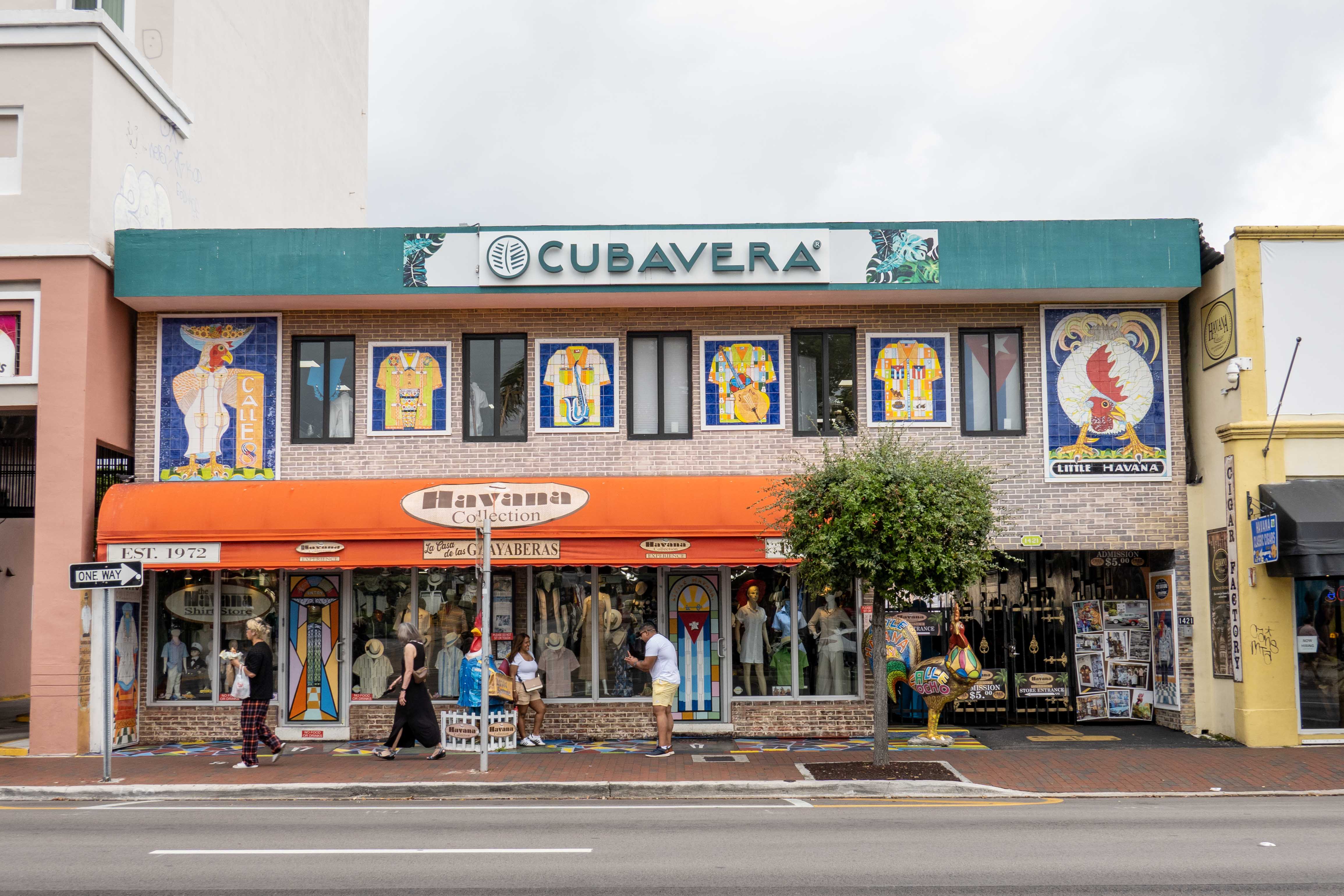
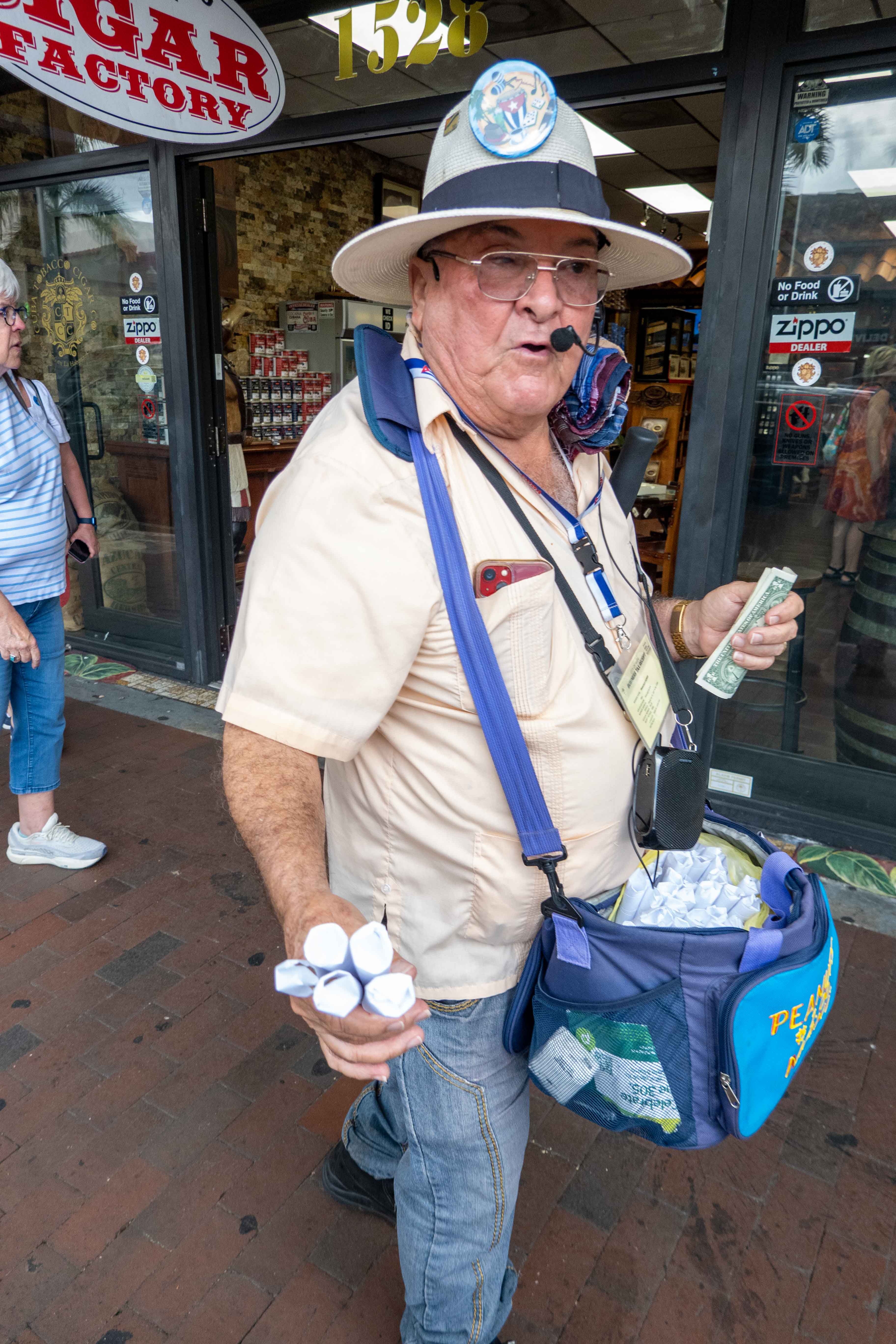
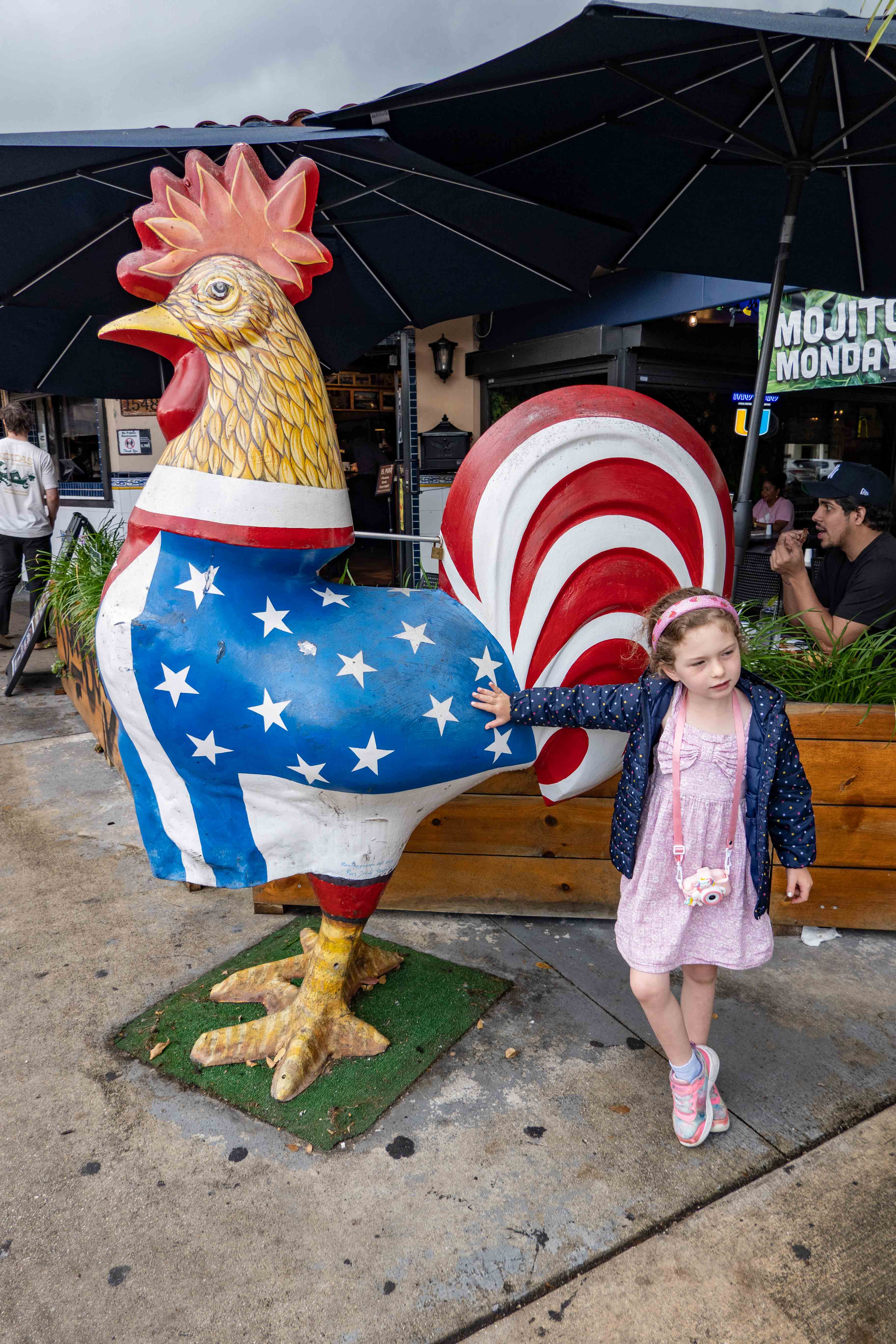
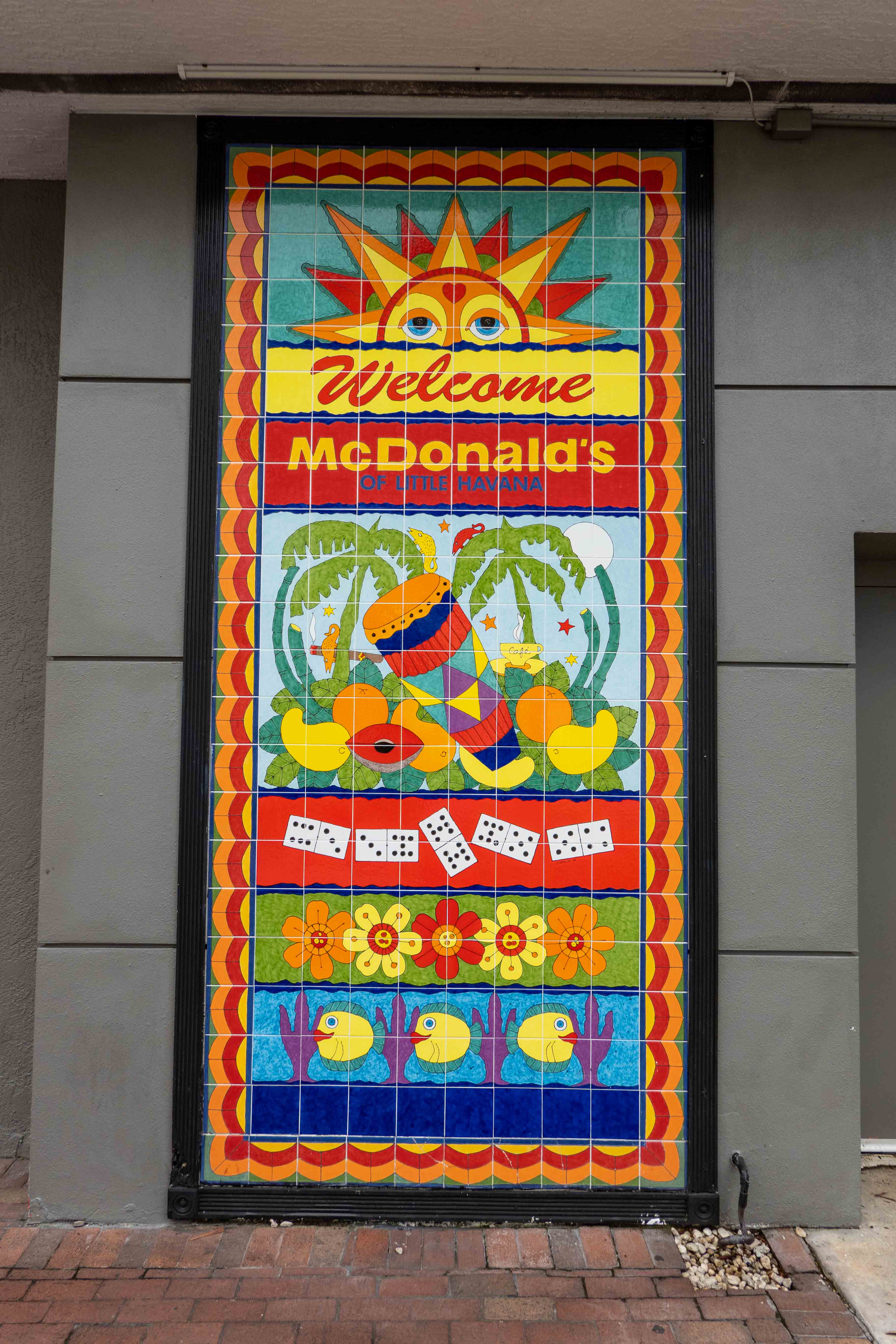
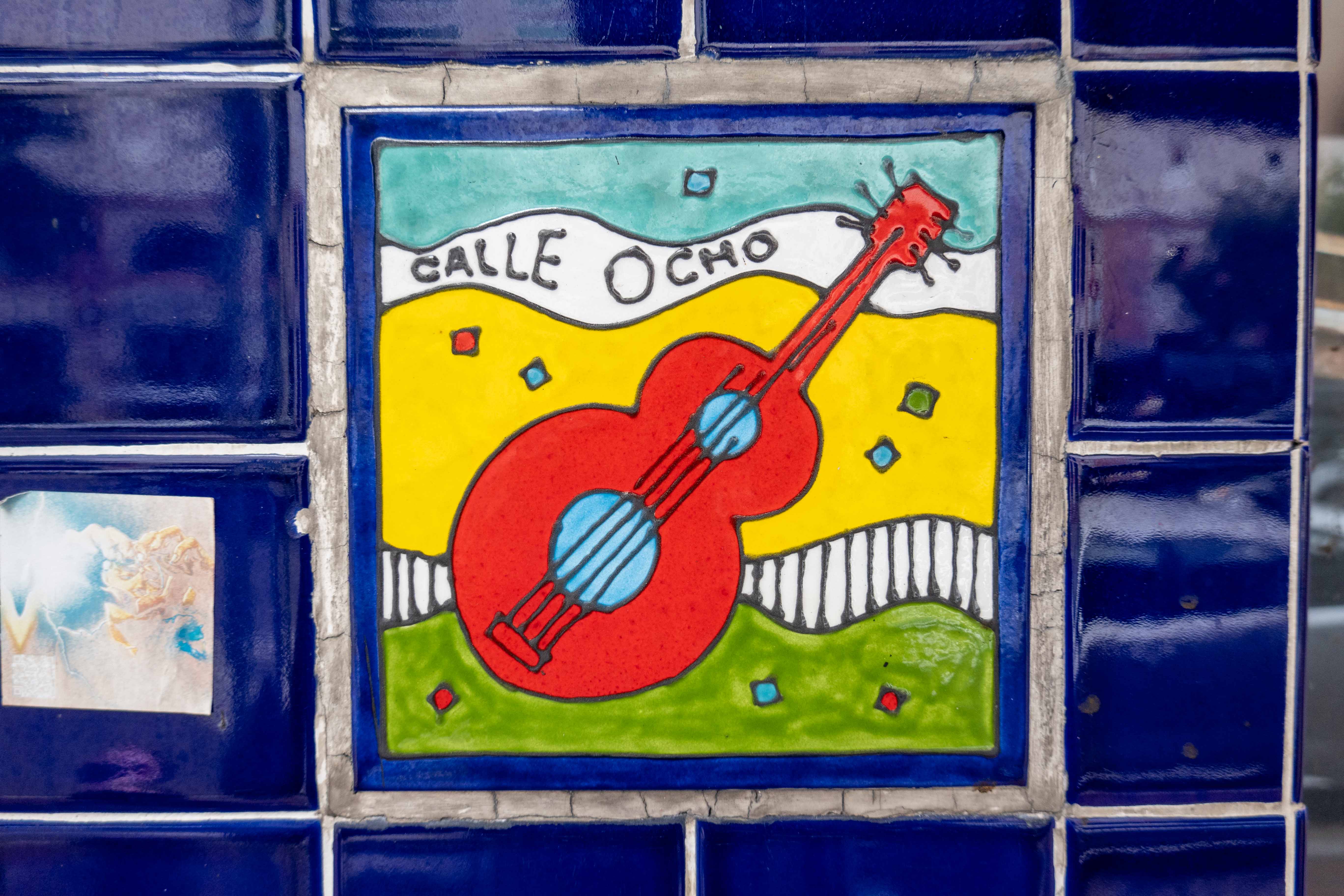
The center of everything is Calle Ocho — also known as SW 8th Street. The street is packed with Cuban restaurants, cigar shops, Latin music pouring from open doors, colorful murals, coffee windows serving strong Cuban espresso, and street vendors selling everything from souvenirs to bags of roasted peanuts. Even the McDonald’s somehow felt Cuban-themed.
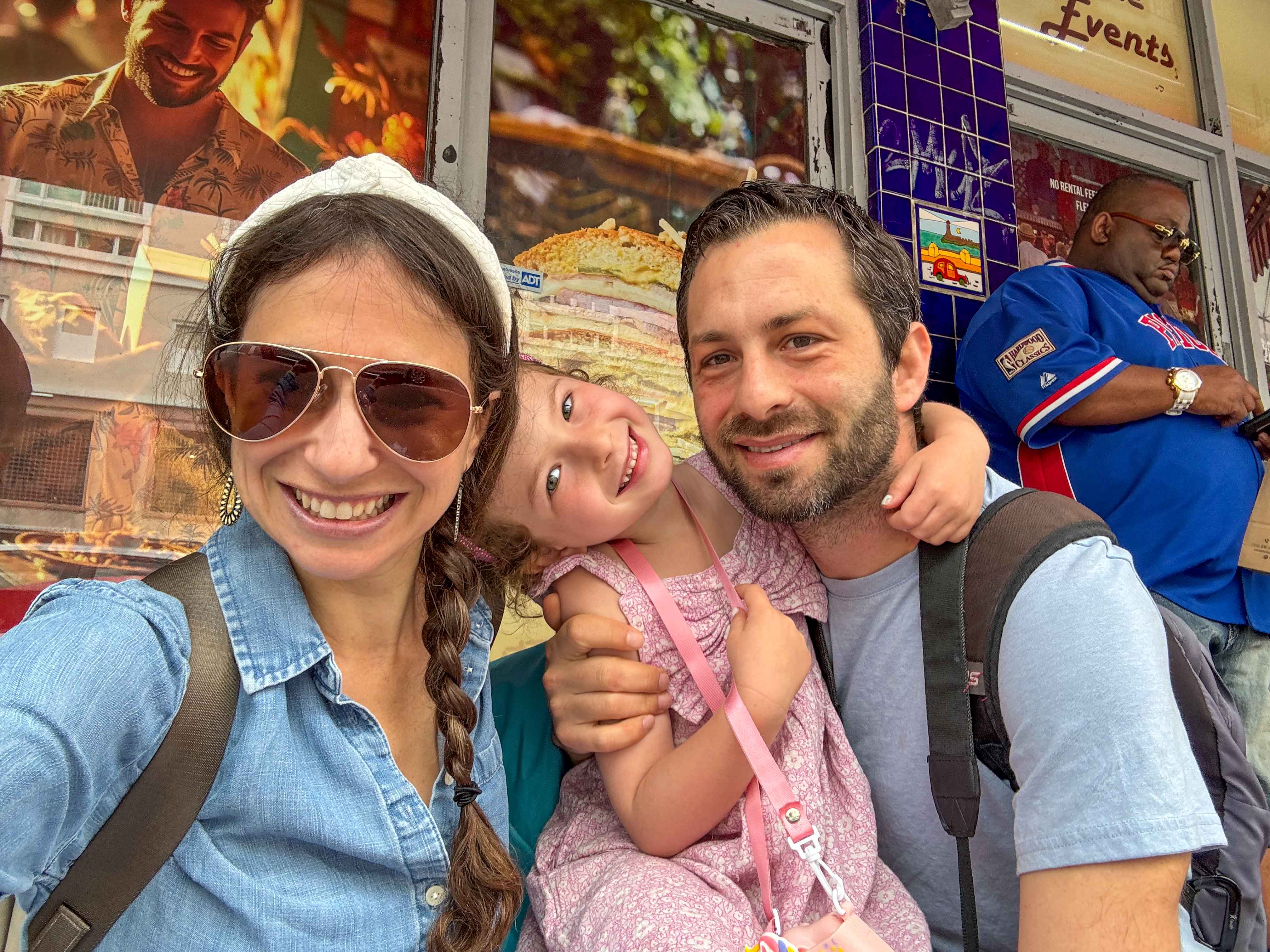
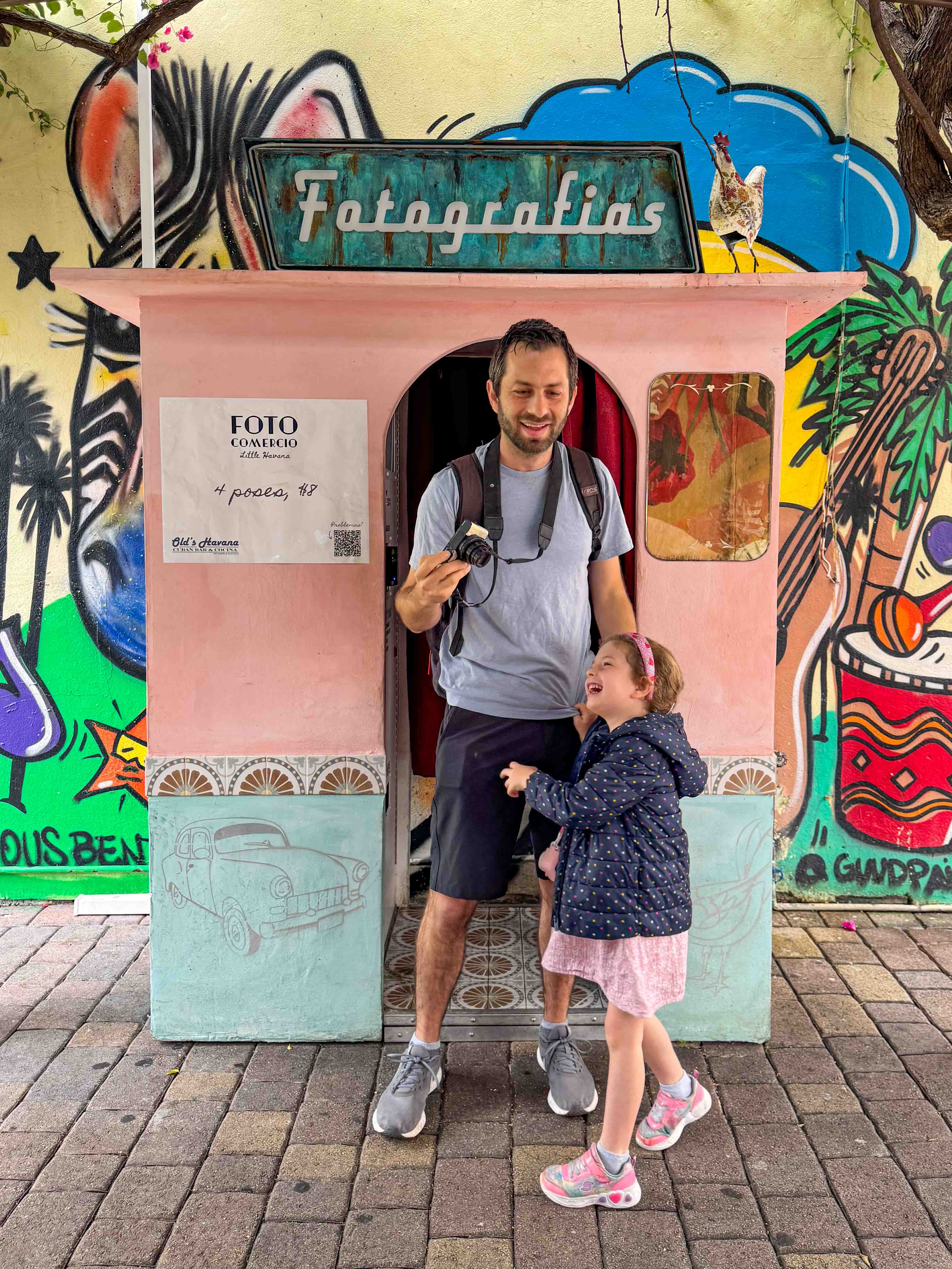
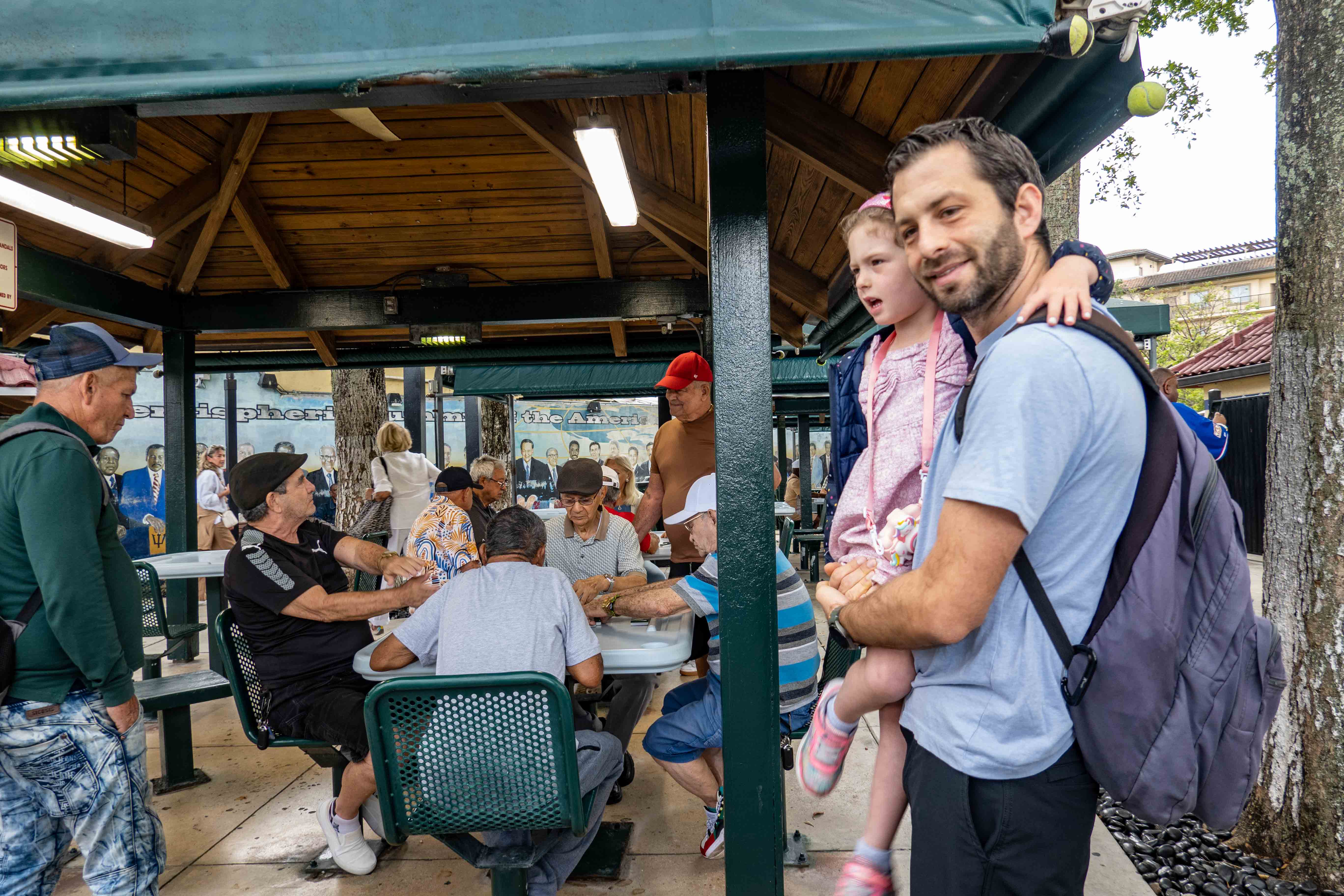
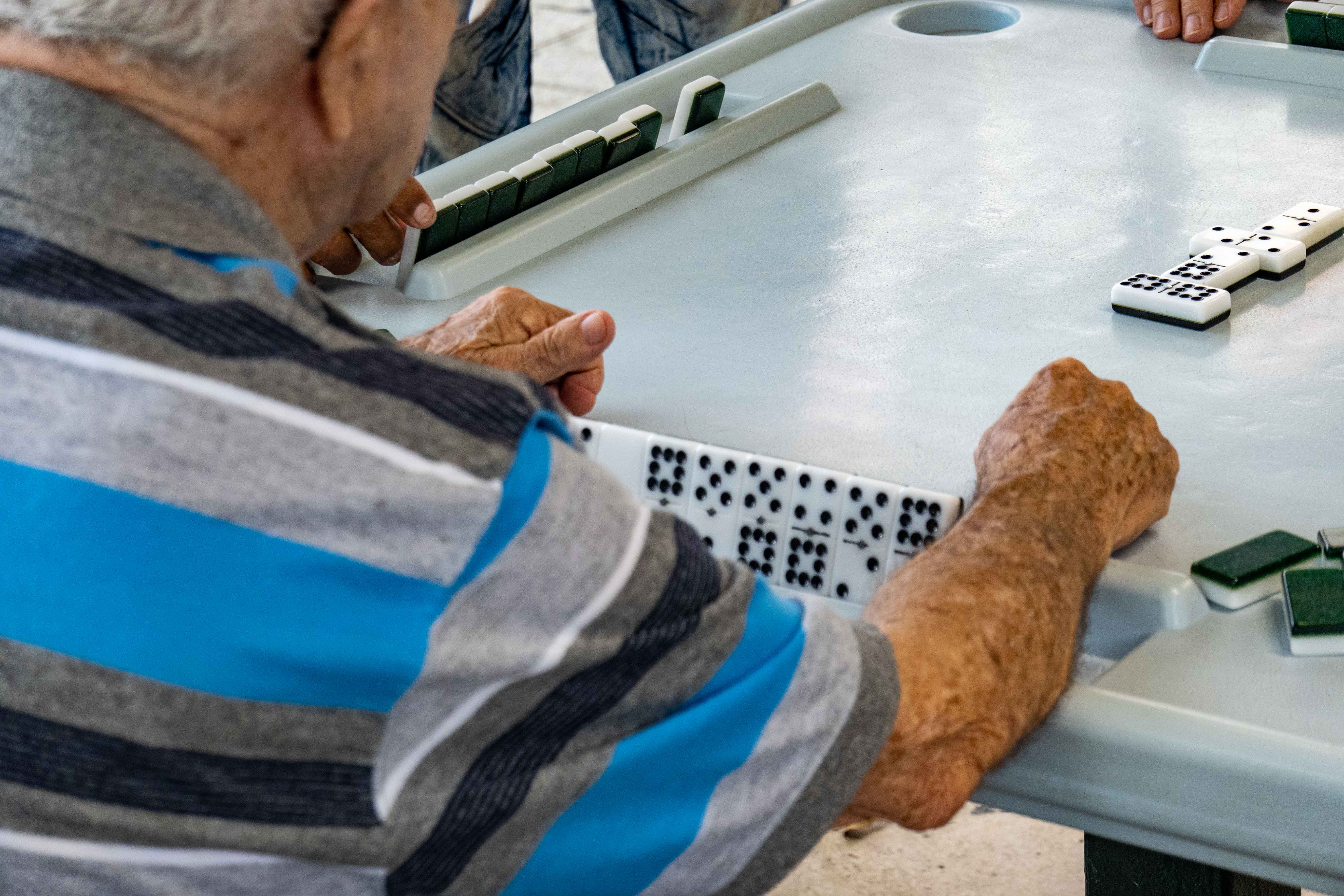
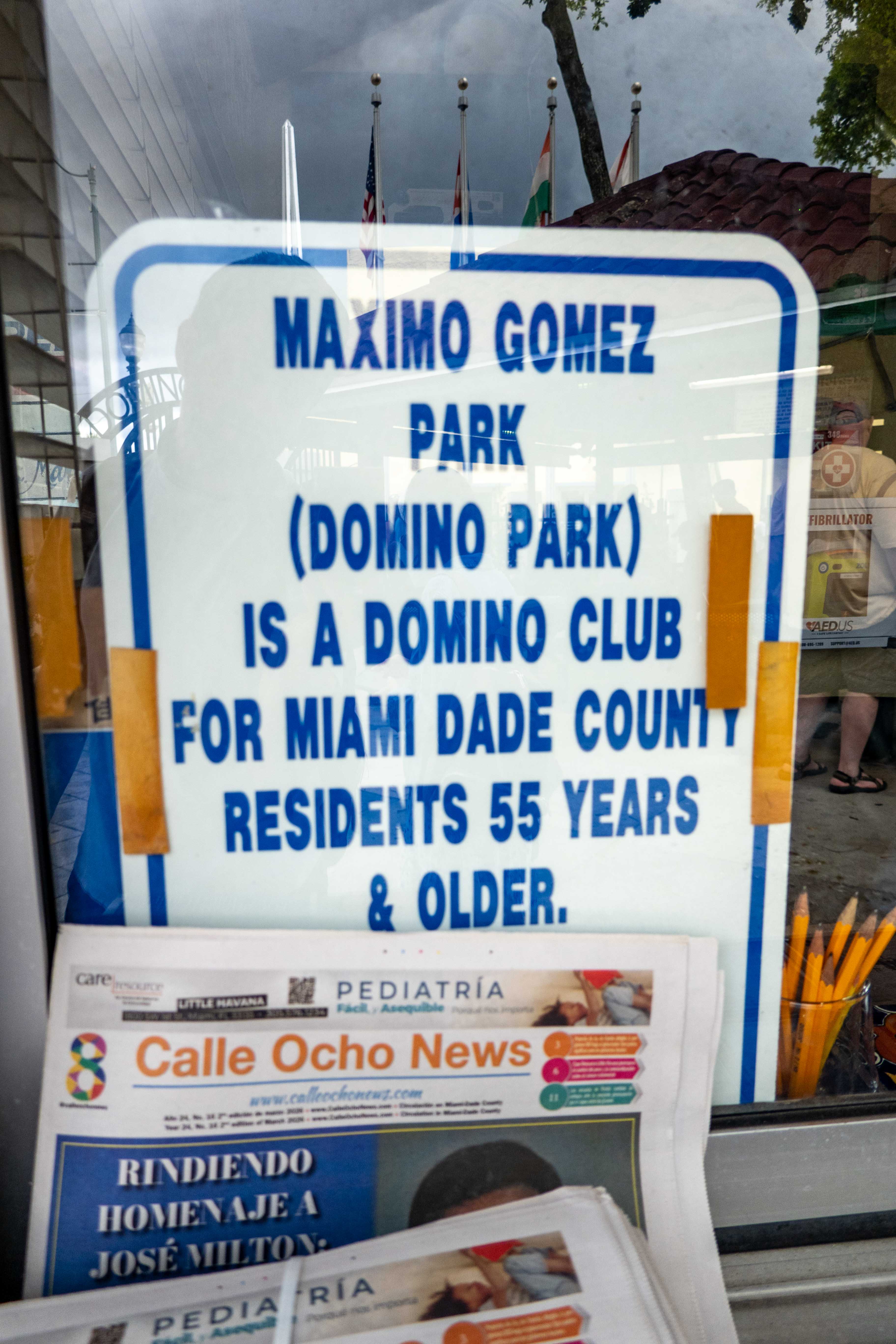
One of our favorite stops was Domino Park, officially called Máximo Gómez Park. For decades, local Cuban retirees and regulars have gathered there daily to play dominoes, debate politics, and socialize. Dominoes are serious business there — not just a game, but part of the culture.
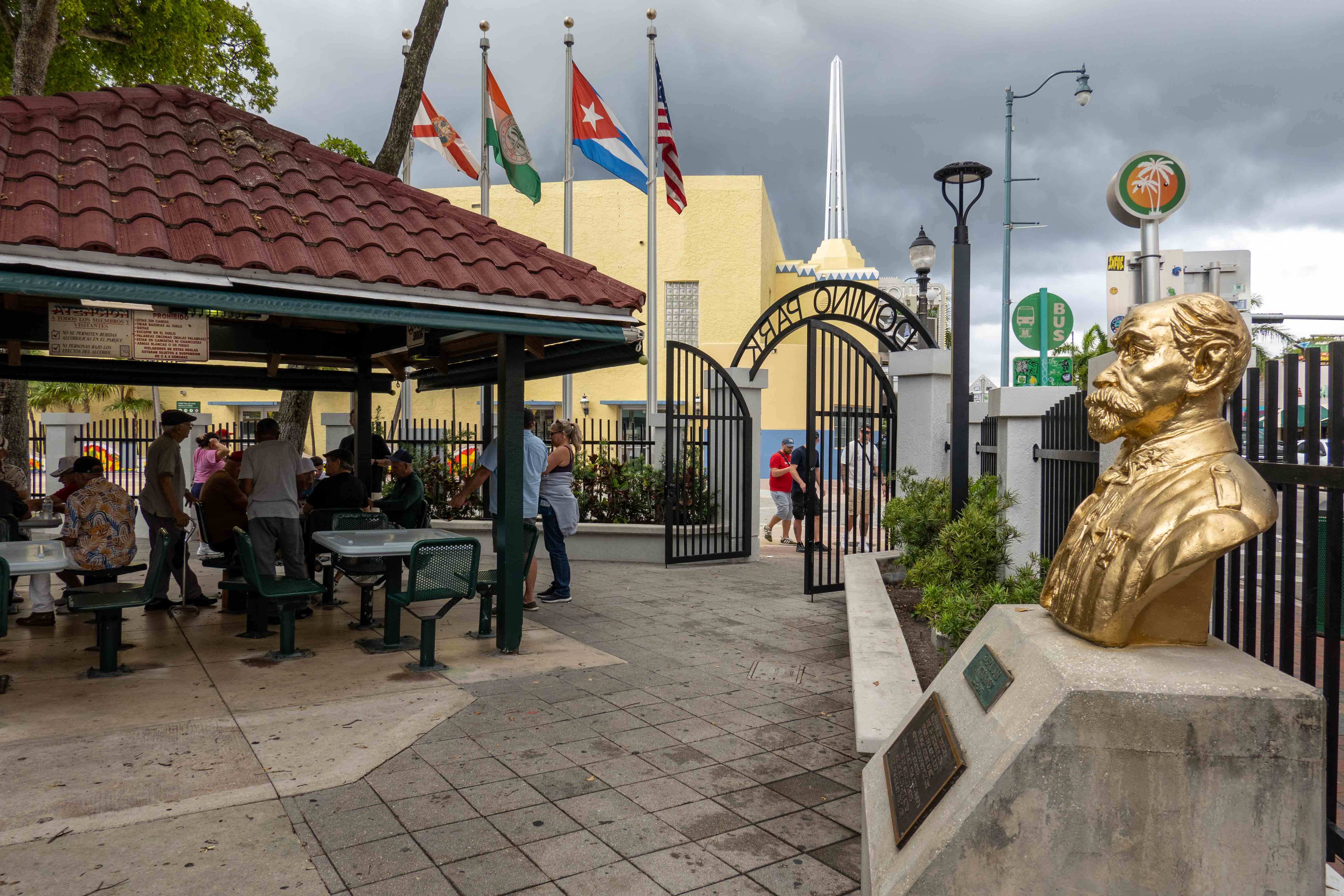
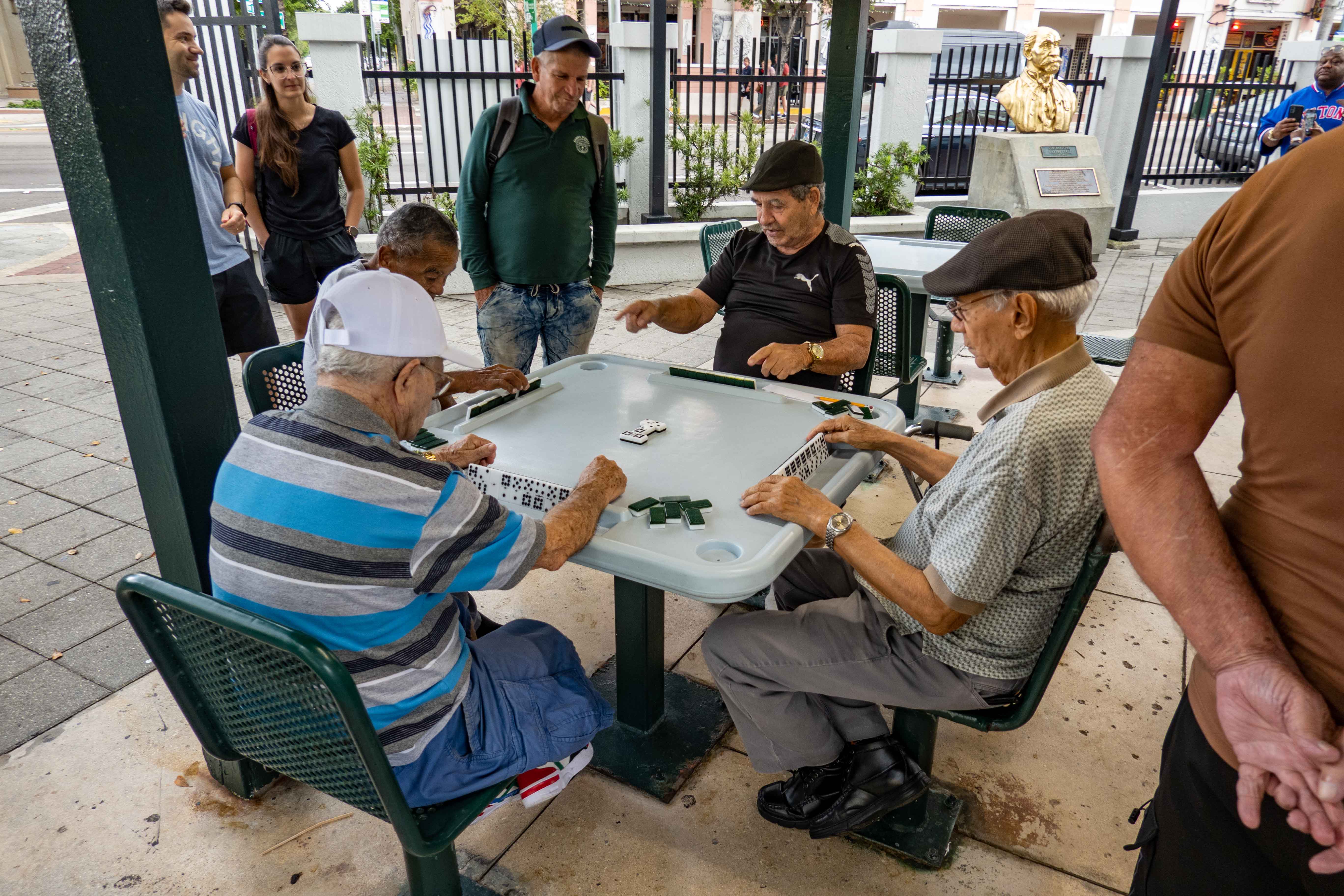
Ariela was immediately fascinated because she already knows how to play at home and absolutely loves beating Daddy whenever she gets the chance.
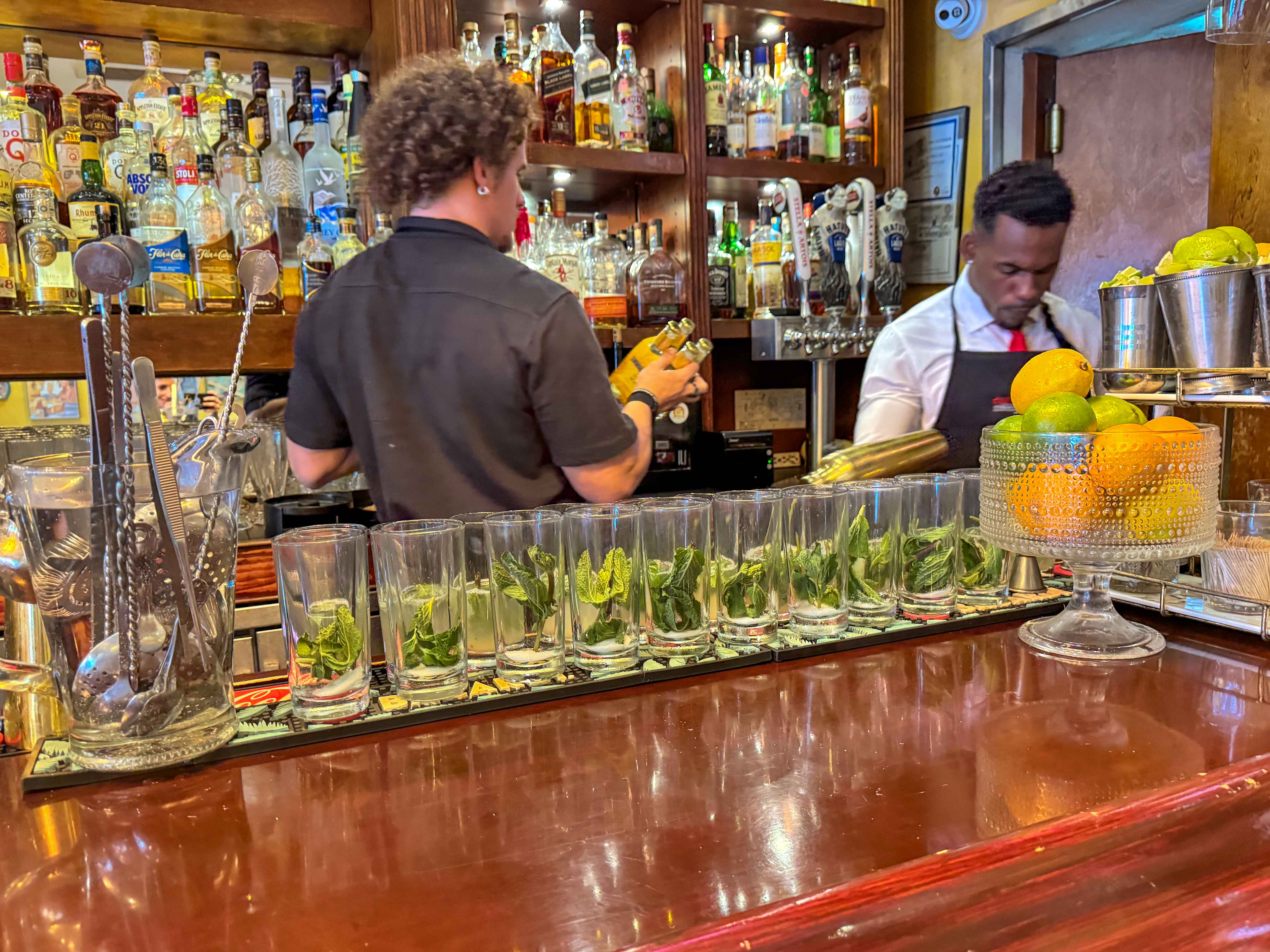
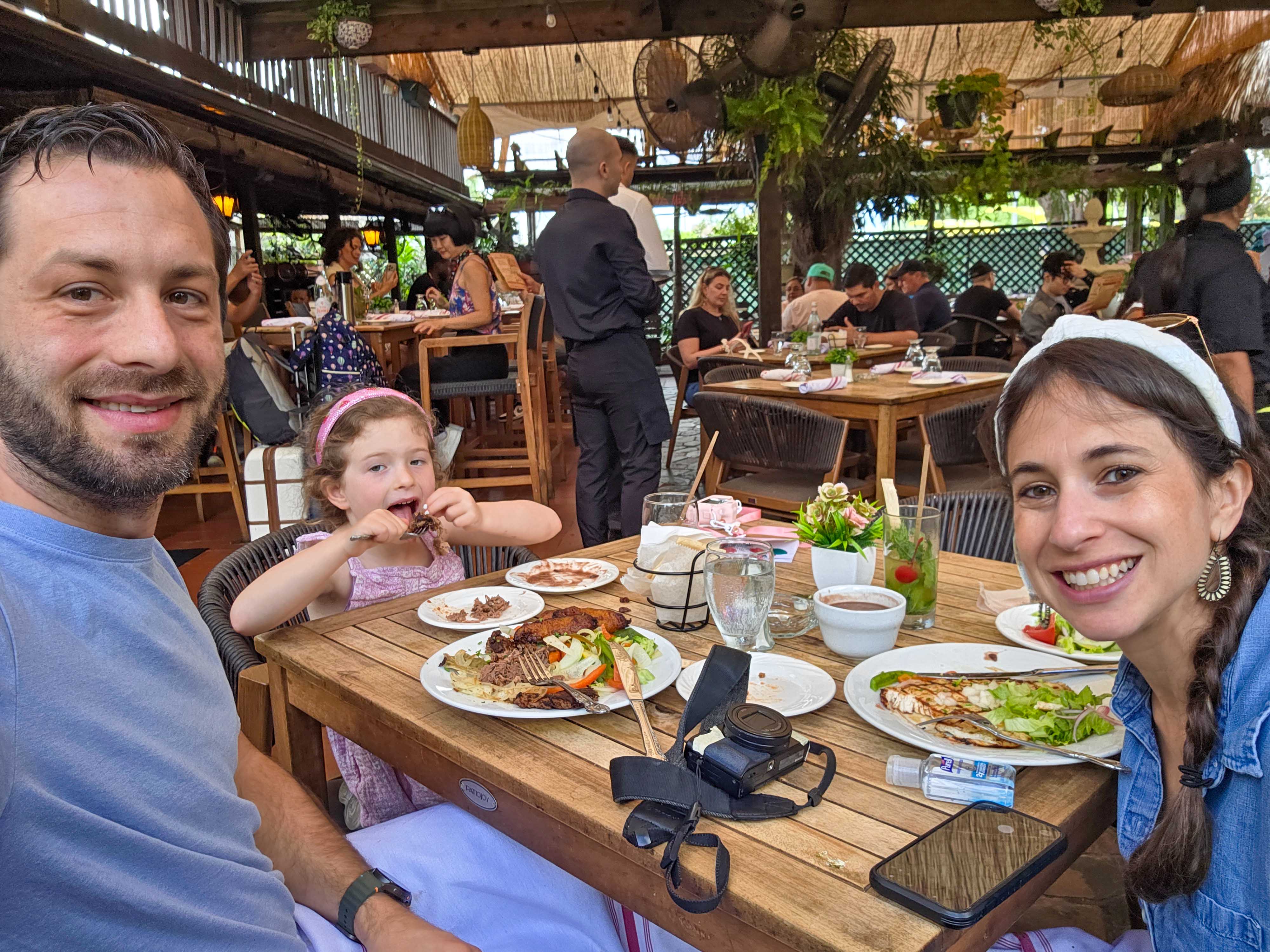
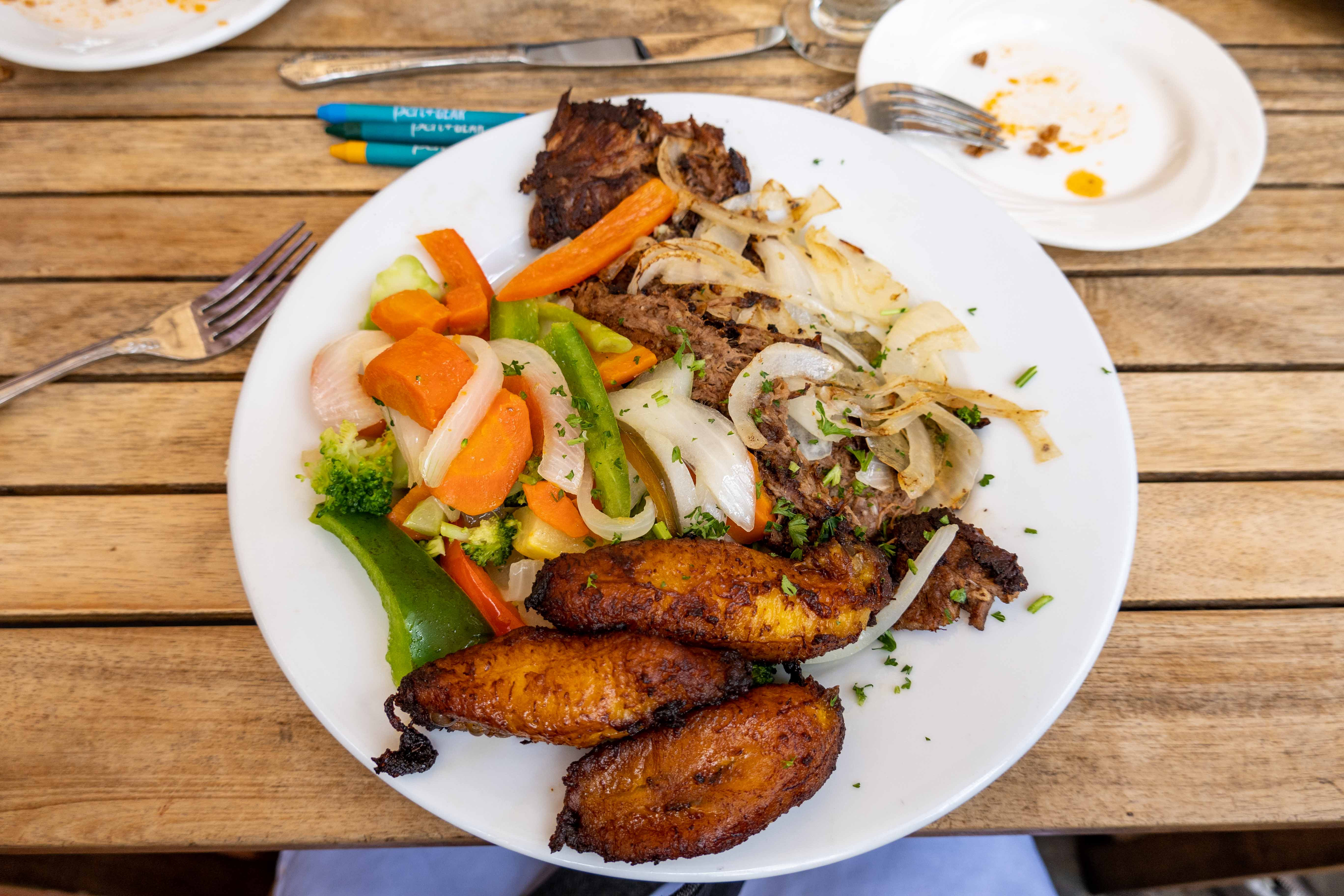
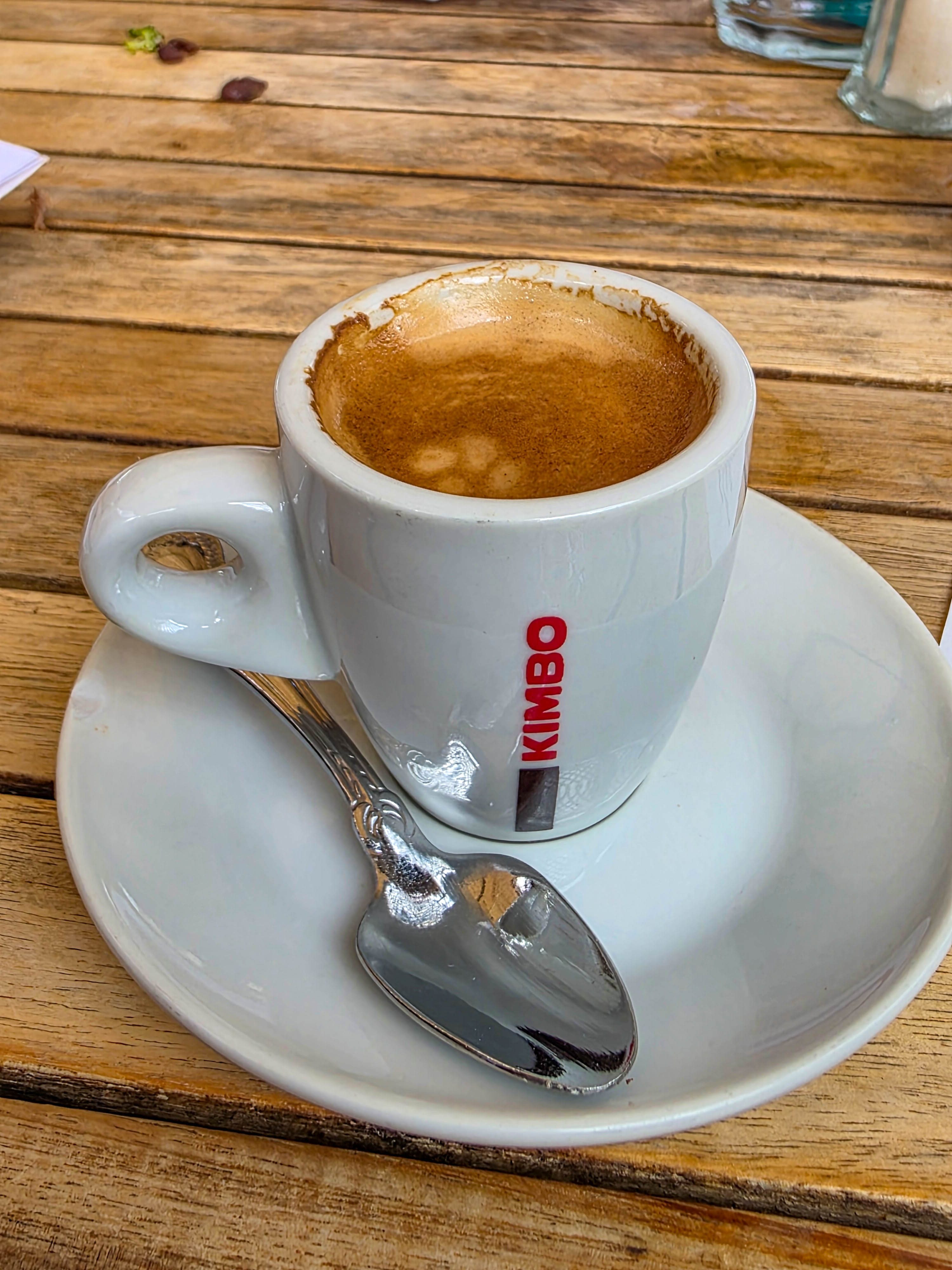
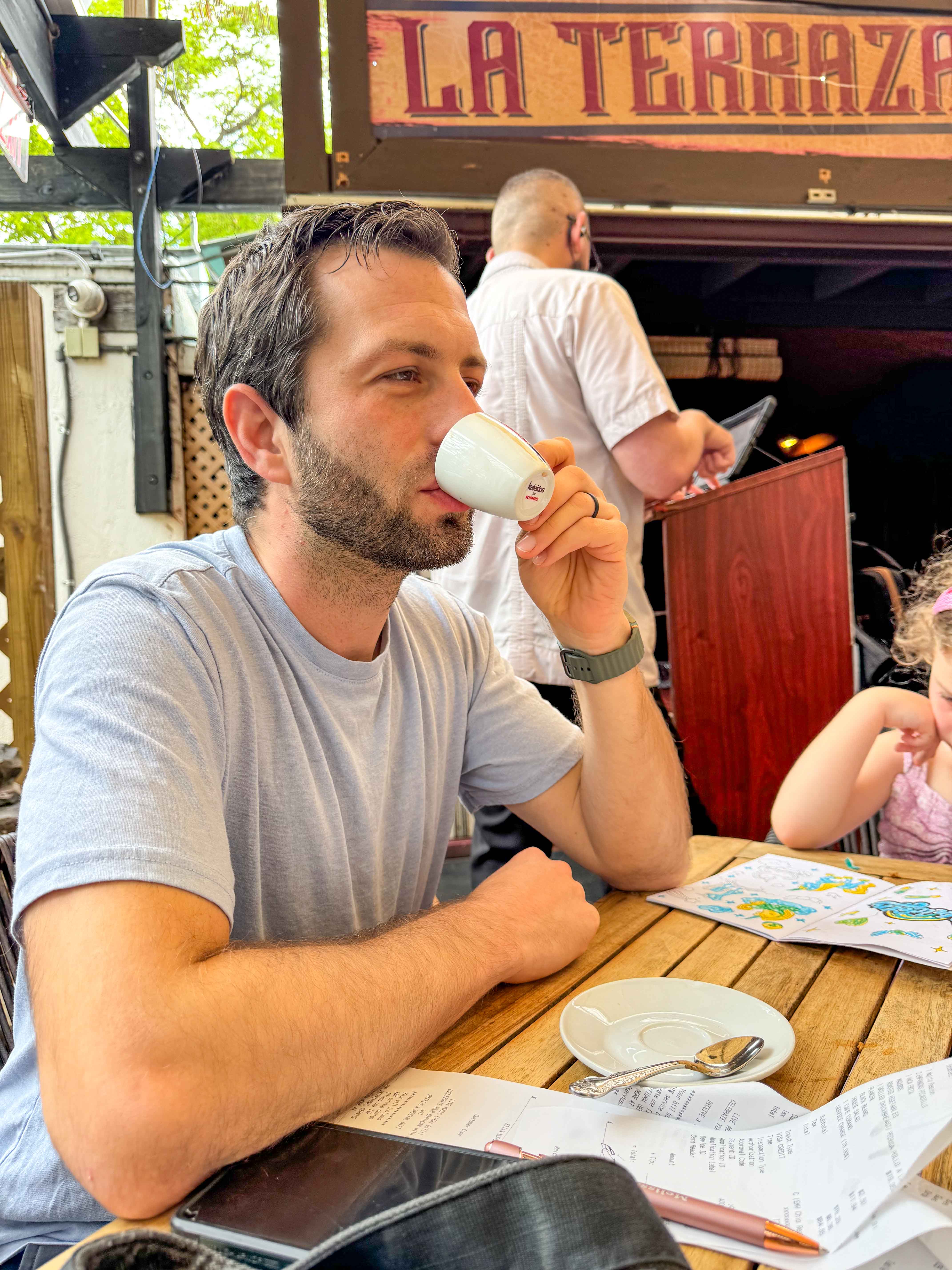
For lunch, we ate at Old’s Havana Cuban Bar & Cocina, which ended up being one of the best restaurants of the entire trip. Eitan ordered a delicious Vaca Frita — crispy shredded beef cooked with garlic, onions, and lime — while Sarah had perfectly grilled chicken. Between the music, atmosphere, food and the passion fruit Mojito (a refreshing, iconic cocktail made with white rum, fresh lime juice, sugar, fresh mint, and club soda), it felt like the exact kind of place you hope to stumble upon while traveling. We could not leave without a Cuban coffee, which is an esspresso with what it feels like 2 pounds of sugar added. Sweet, intense, and will wake you up even if you are on a coma.
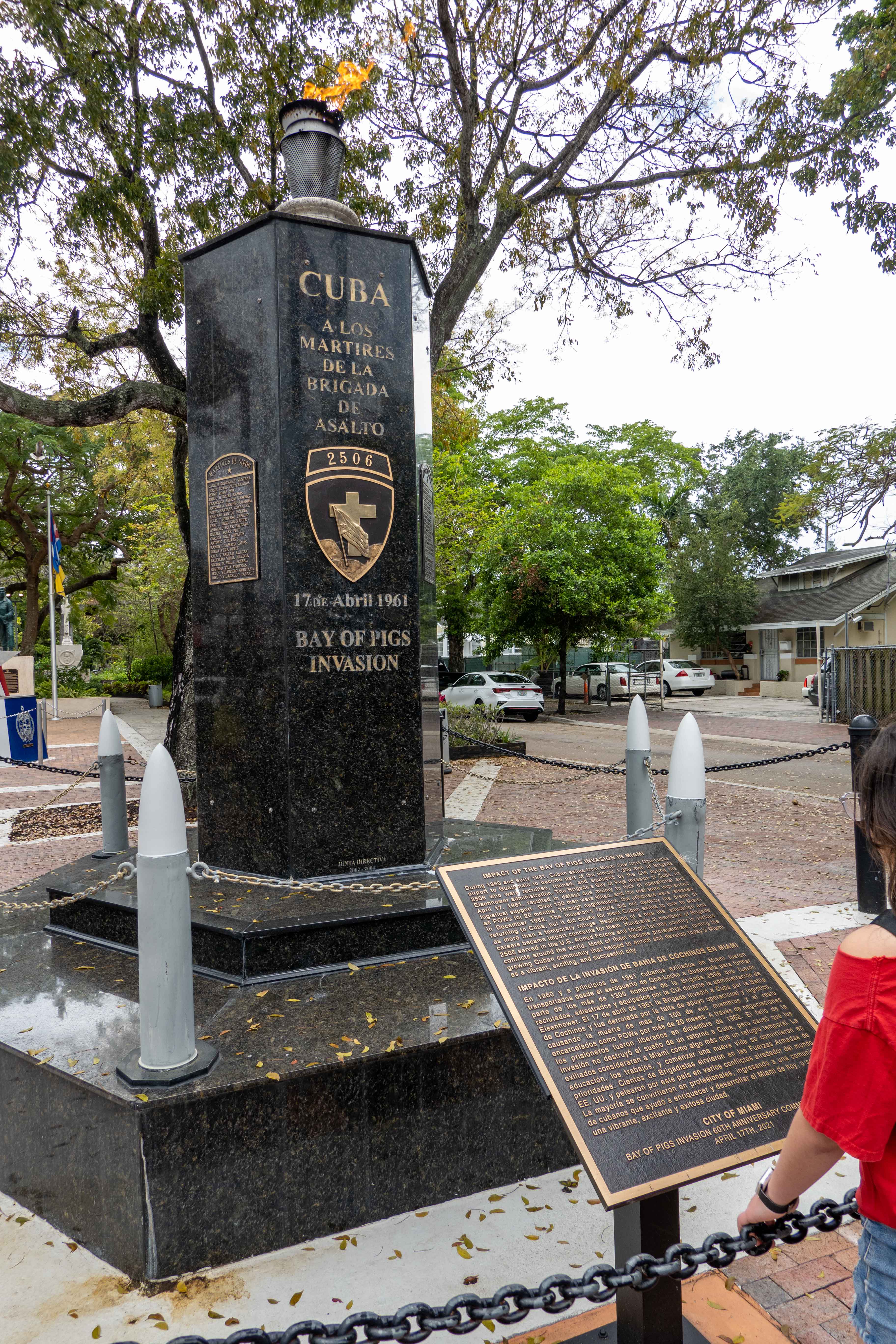
As we continued exploring, we came across the Bay of Pigs Memorial Park, a memorial dedicated to the failed 1961 Bay of Pigs invasion. The operation was an attempt by Cuban exiles, backed by the United States, to overthrow Fidel Castro’s government. Instead, it became one of the Cold War’s most famous political and military failures and deeply shaped Cuban-American identity in Miami.
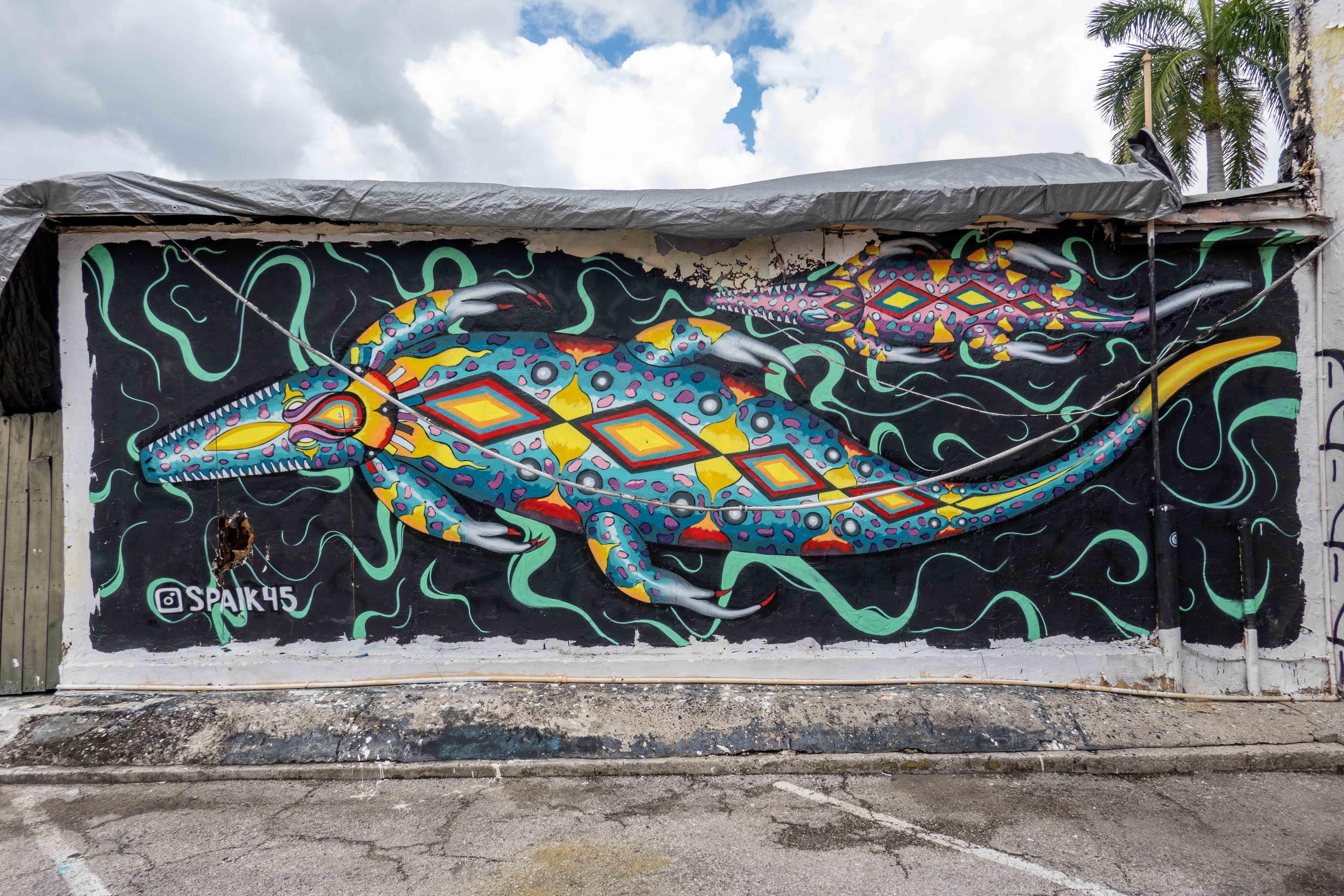
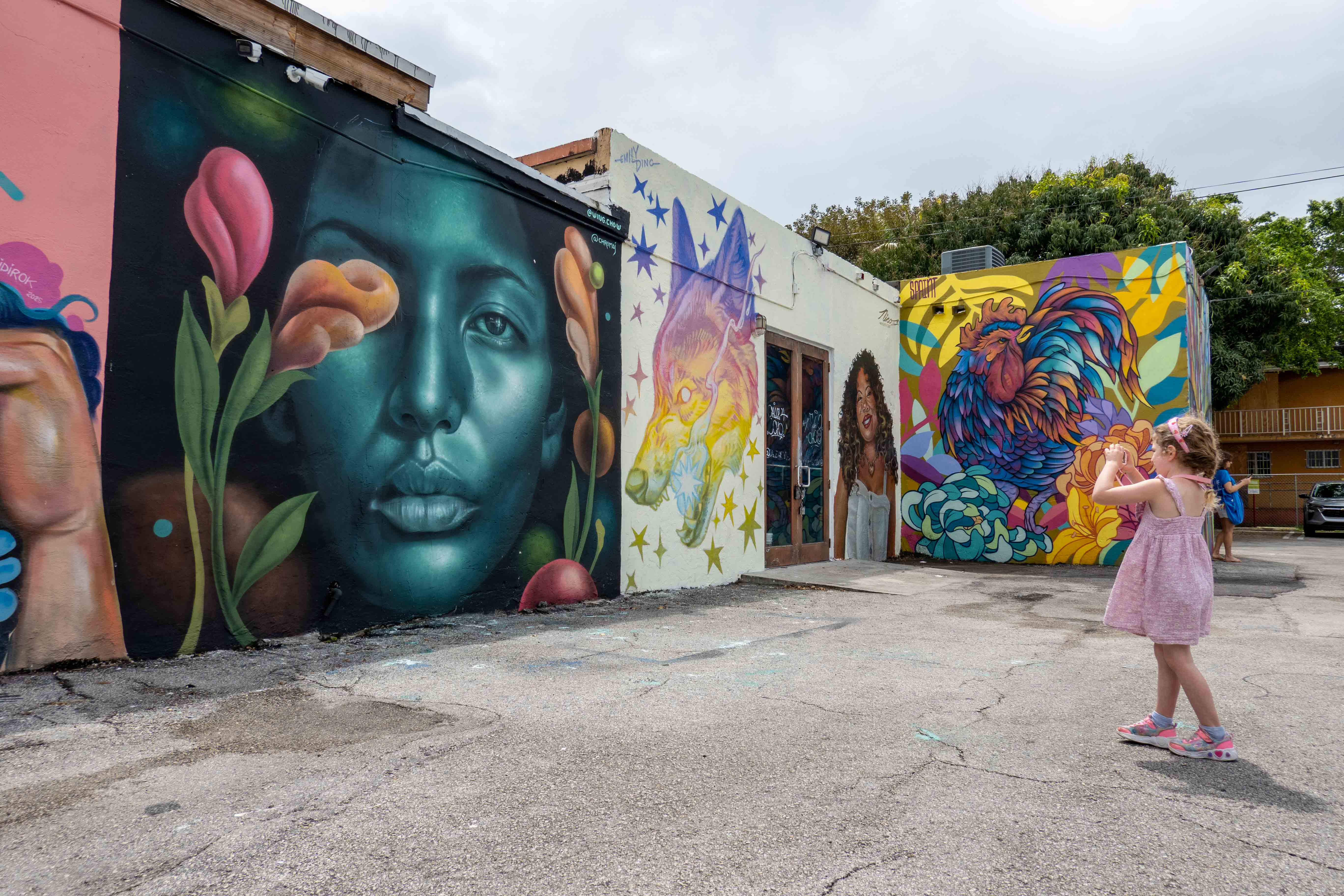
The side streets surrounding Little Havana were filled with vibrant murals and street art celebrating Cuban culture, music legends, immigration stories, and Latin American pride.
Ariela spent quite a while photographing them with her personal camera, treating the alleyways like her own little photography mission.
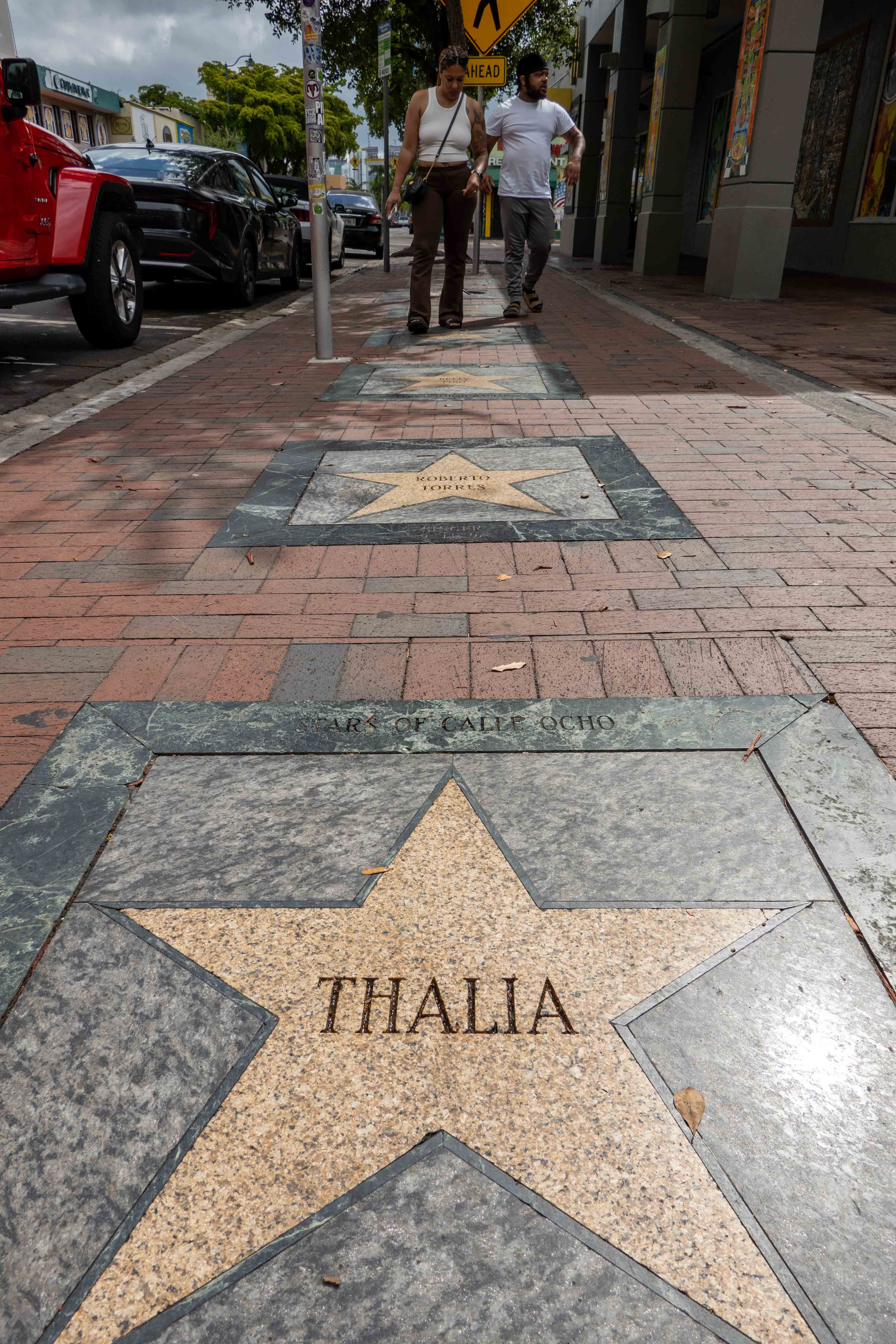
At the Calle Ocho Walk of Fame, spanning 12th to 17th avenues, the stars embedded in the sidewalks celebrate Cuban and Latin American icons, like Celia Cruz and Gloria Estefan, for their positive impact on the destination’s culture and history.
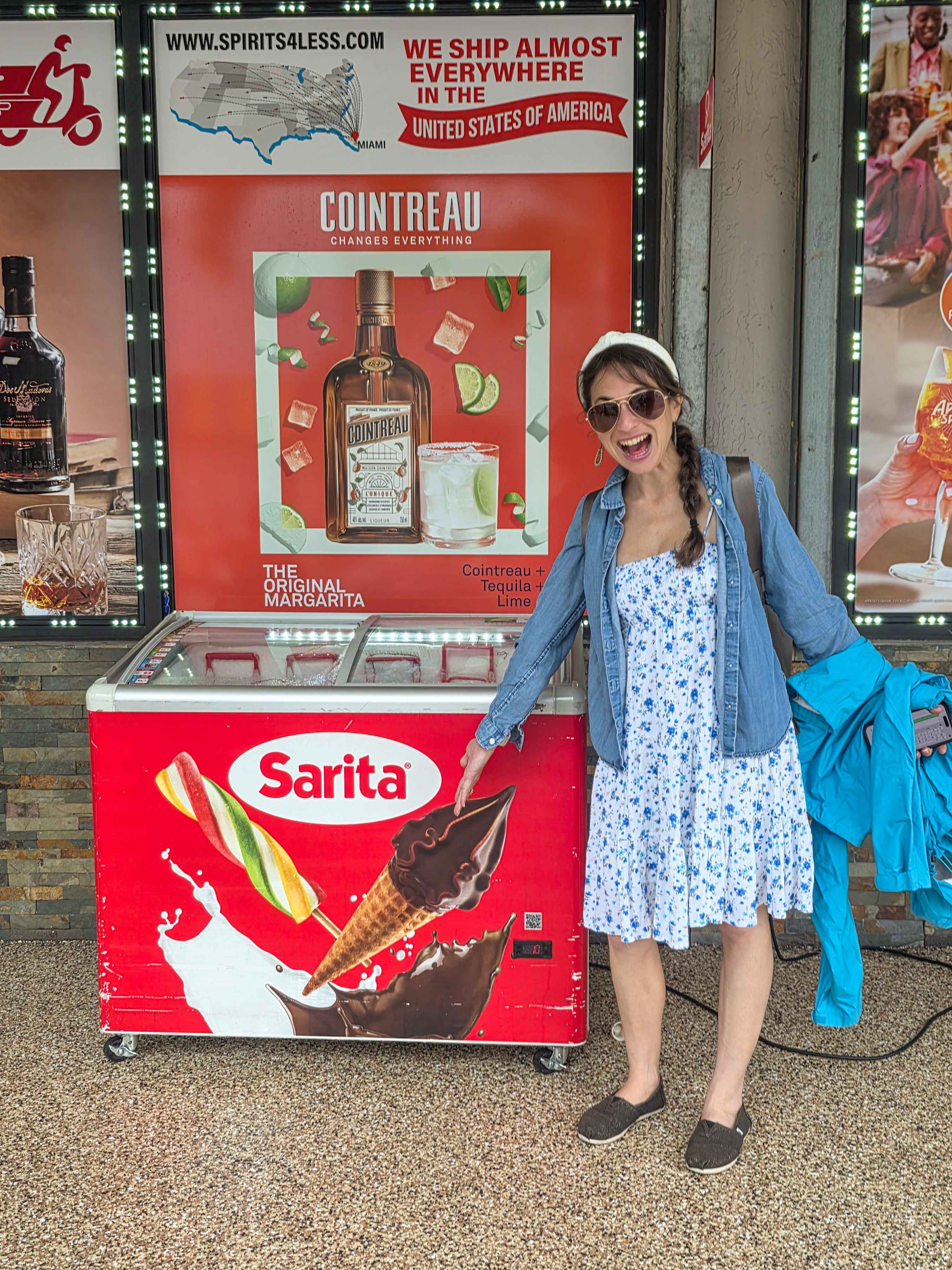
We even found a Sarita store!
Our next stop was the legendary South Beach. Despite all the online horror stories about parking, we were surprised to find it neither impossibly difficult nor outrageously expensive. Once parked, we began walking through the famous Art Deco Historic District, one of the largest collections of Art Deco architecture in the world. Many of the pastel-colored buildings date back to the 1920s and 1930s, built during Miami Beach’s explosive growth as a luxury vacation destination.
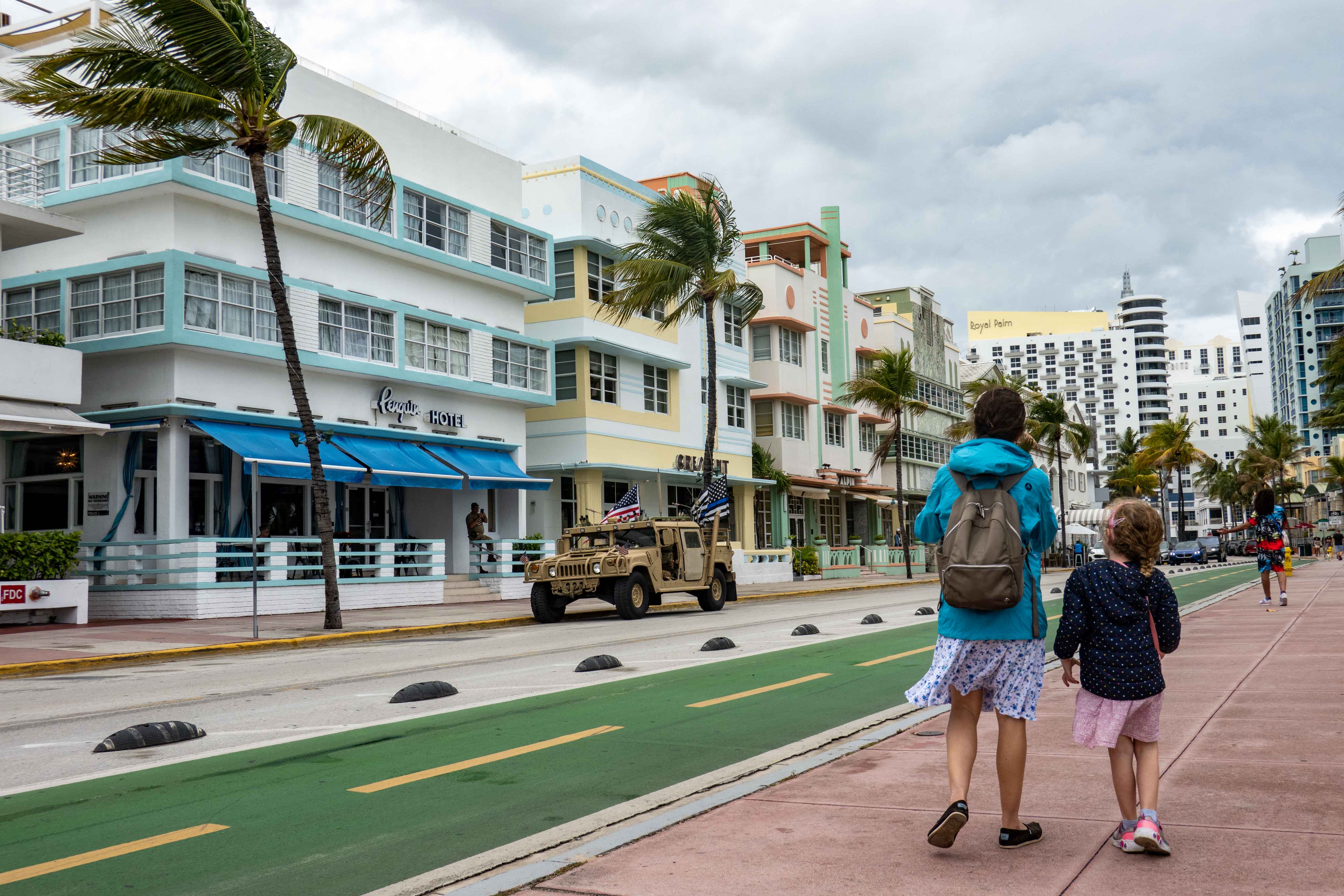
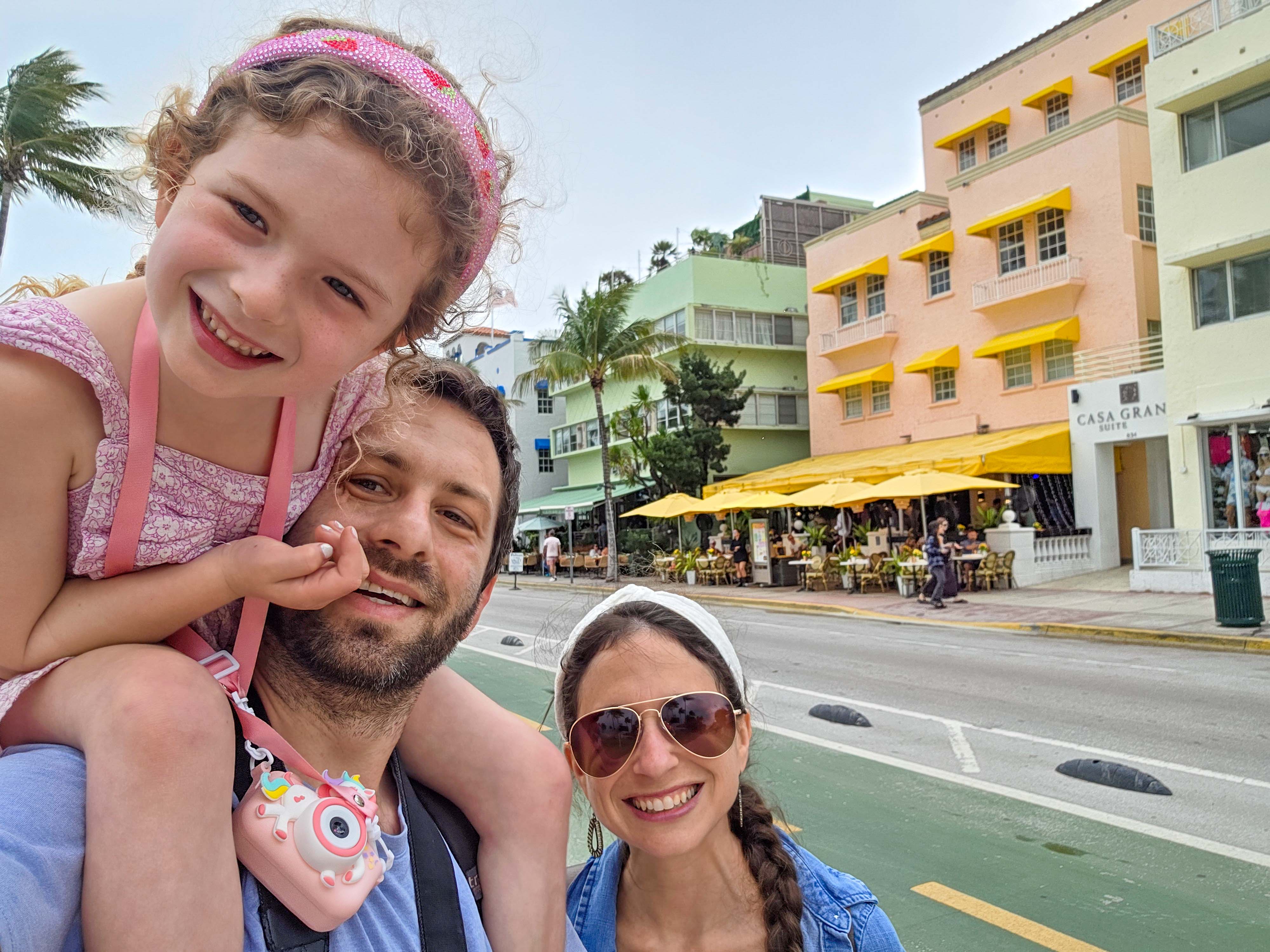
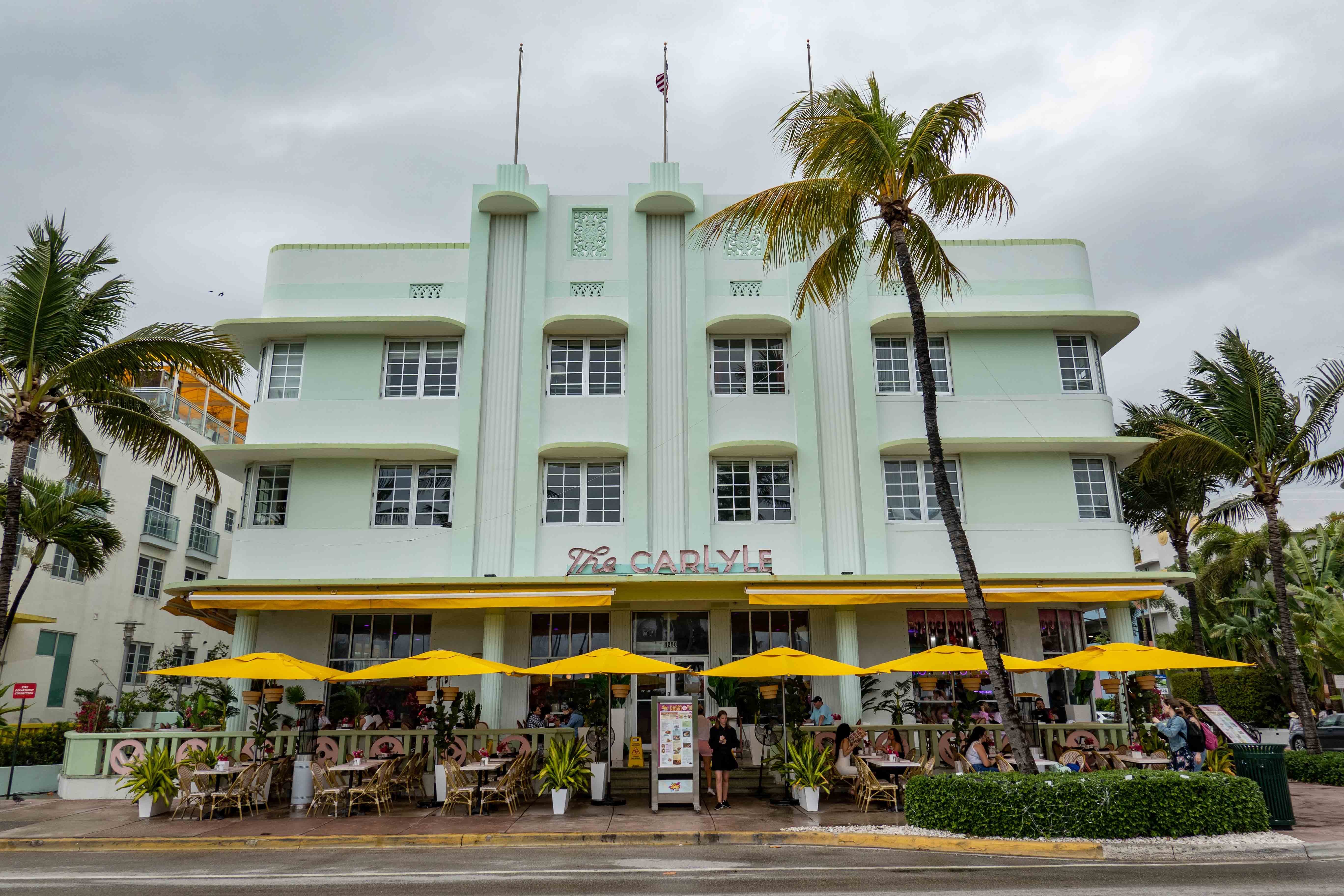
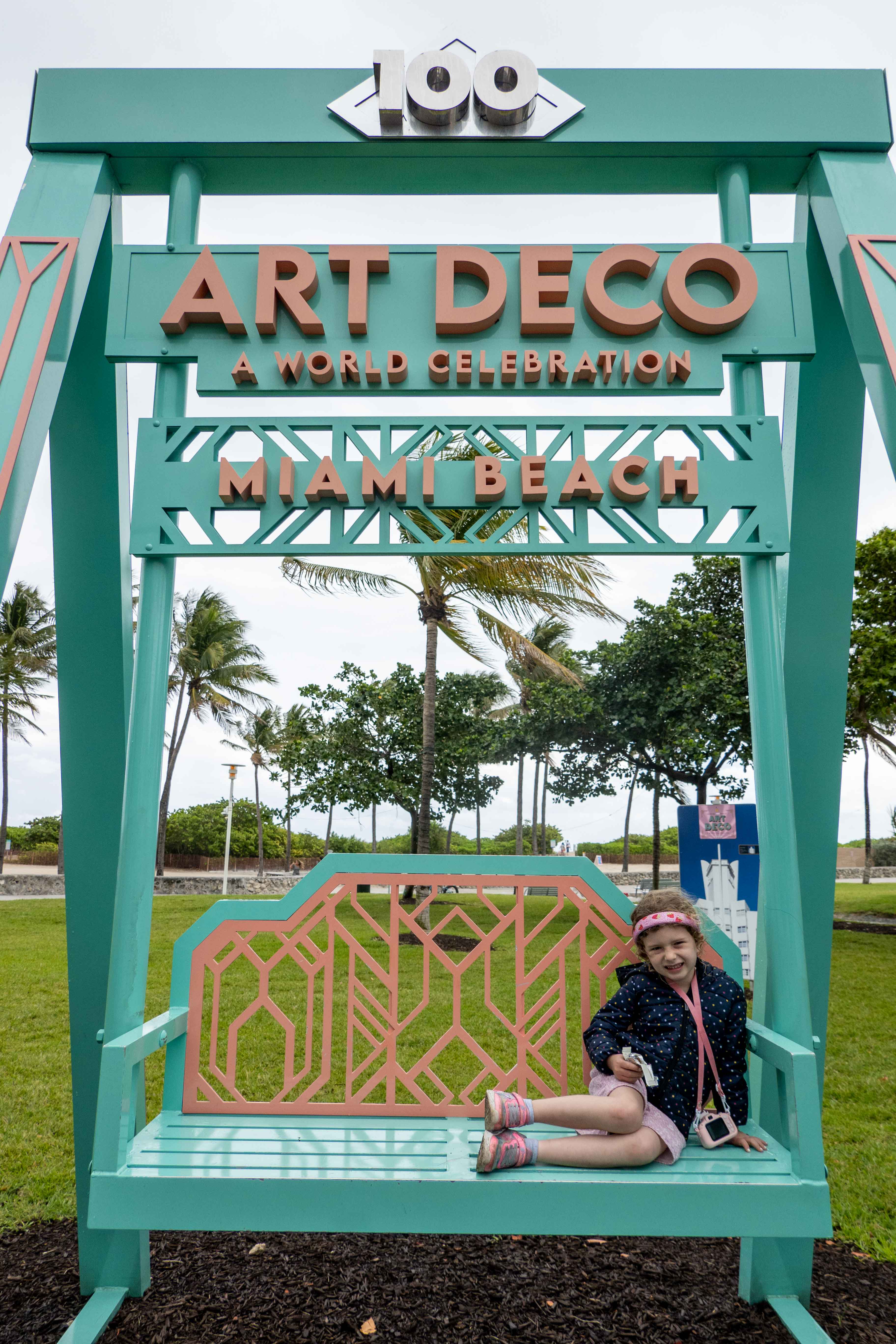
One of the first landmarks we passed was the famous Versace Mansion, officially known as Casa Casuarina. Fashion designer Gianni Versace purchased and restored the mansion in the 1990s, turning it into one of the most recognizable homes in Miami. Today, it operates as a luxury hotel and restaurant. We originally thought it was a museum. Instead, we discovered it required reservations and a dress code — requirements we were nowhere close to meeting. They would not even let Sarah use the restroom inside.
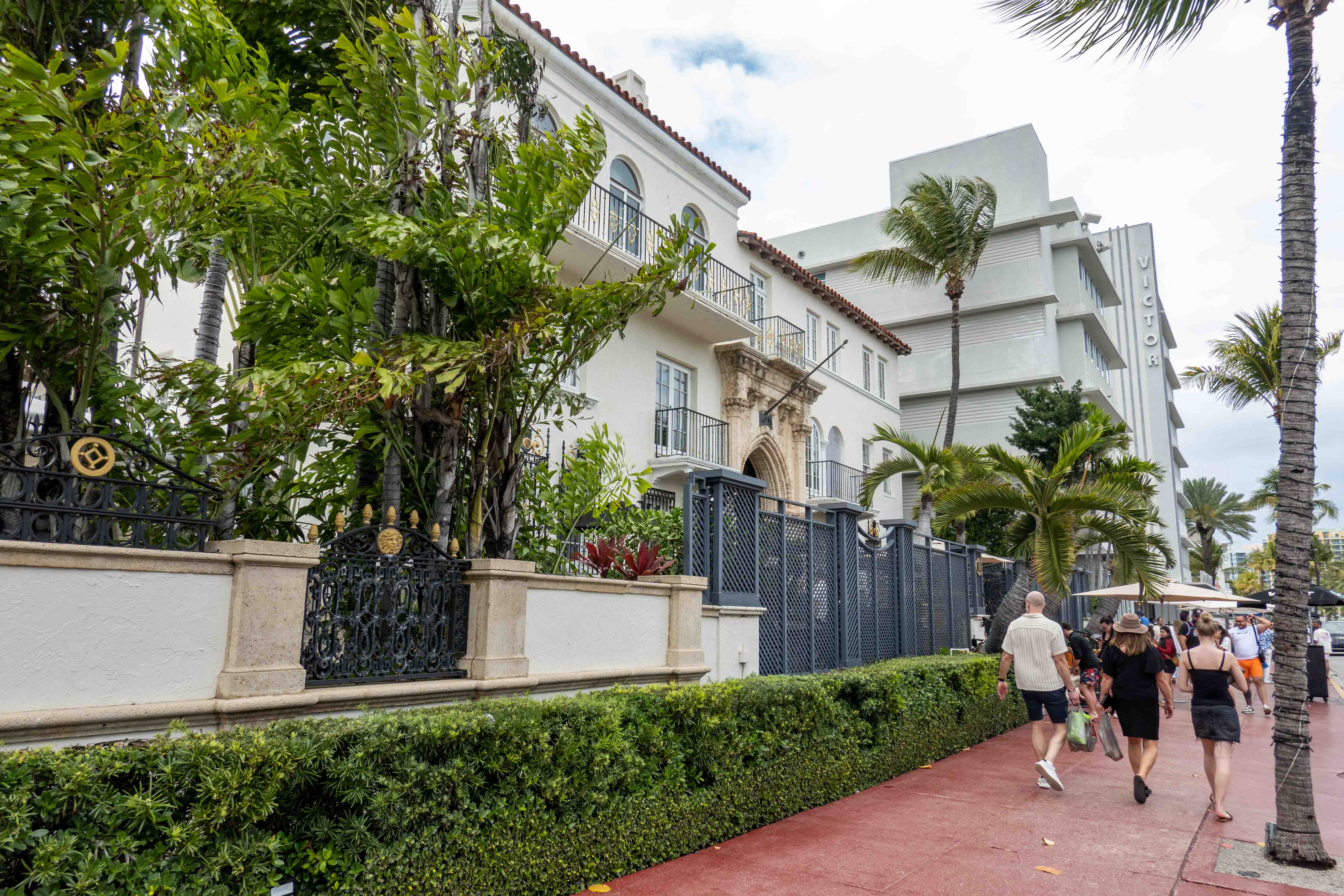
After being rejected for being peasants — we headed toward the beach itself.
South Beach absolutely lived up to the hype. The sand stretched endlessly, the water was beautiful, and the colorful lifeguard towers looked like movie props scattered along the shoreline. Each tower has its own unique design and has become one of Miami Beach’s most recognizable symbols.
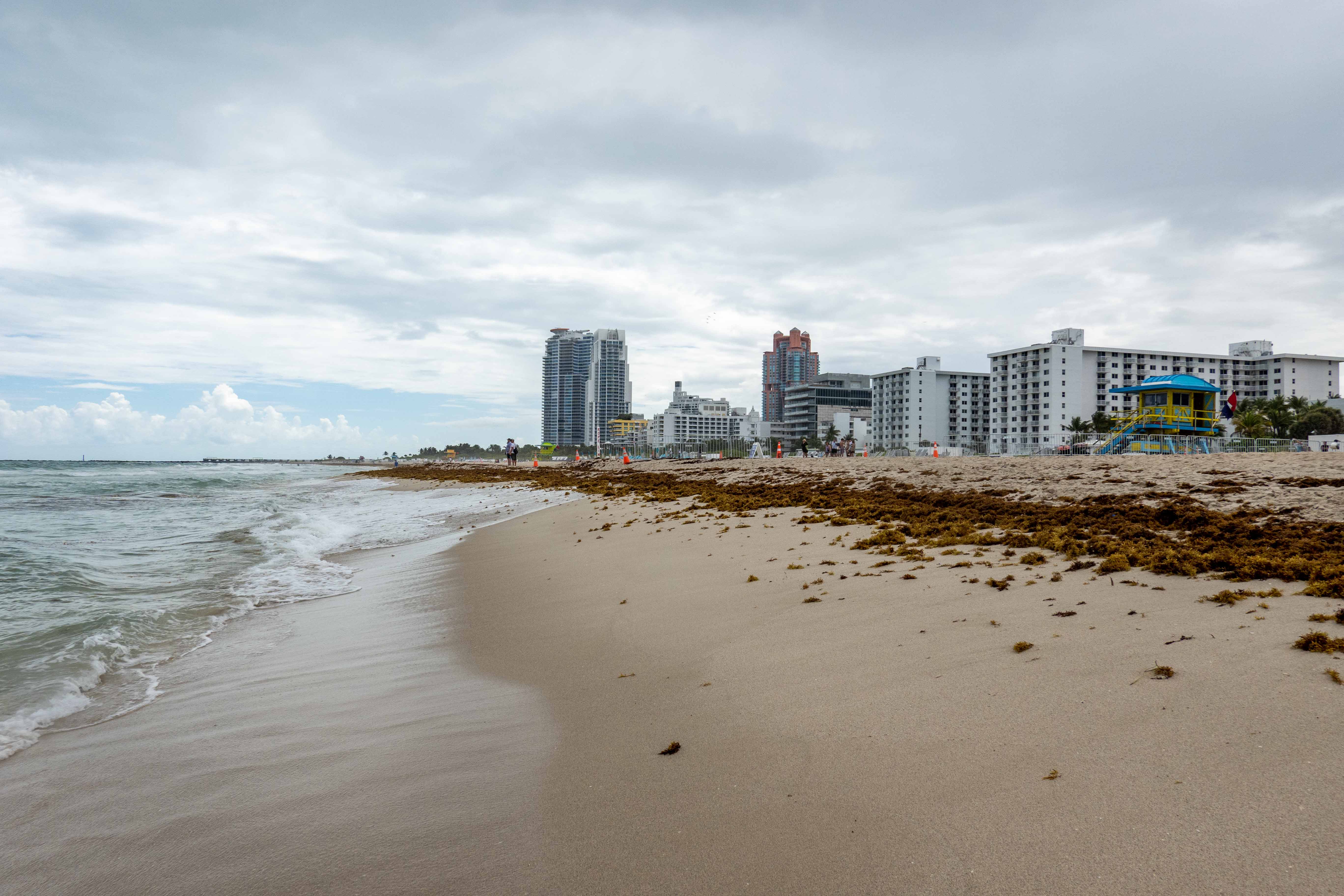
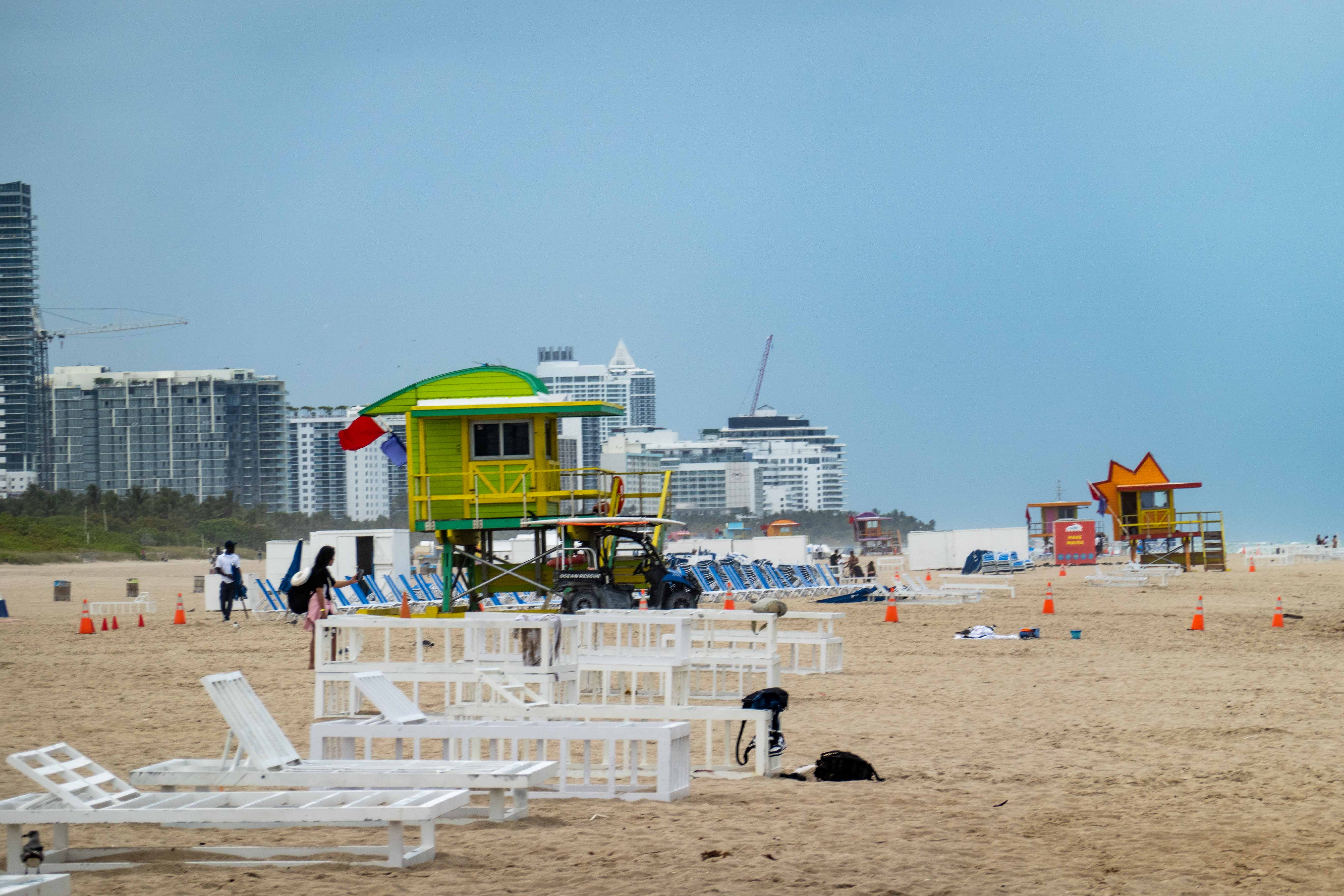
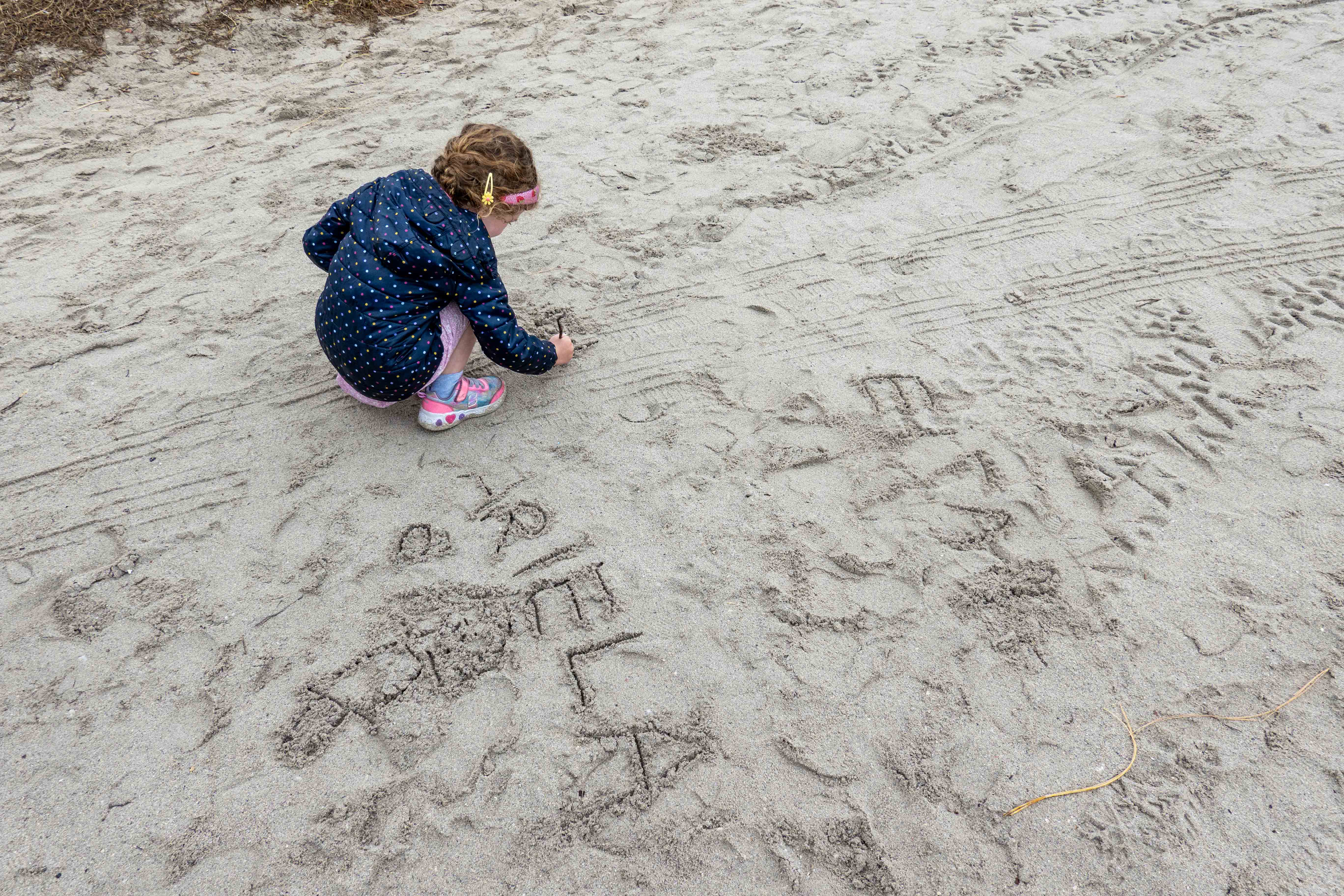
The weather decided not to cooperate for a while, so we had to duck under cover during one of Miami’s classic sudden rain showers before continuing our walk to the famous Miami Beach Sign for the mandatory family photos.
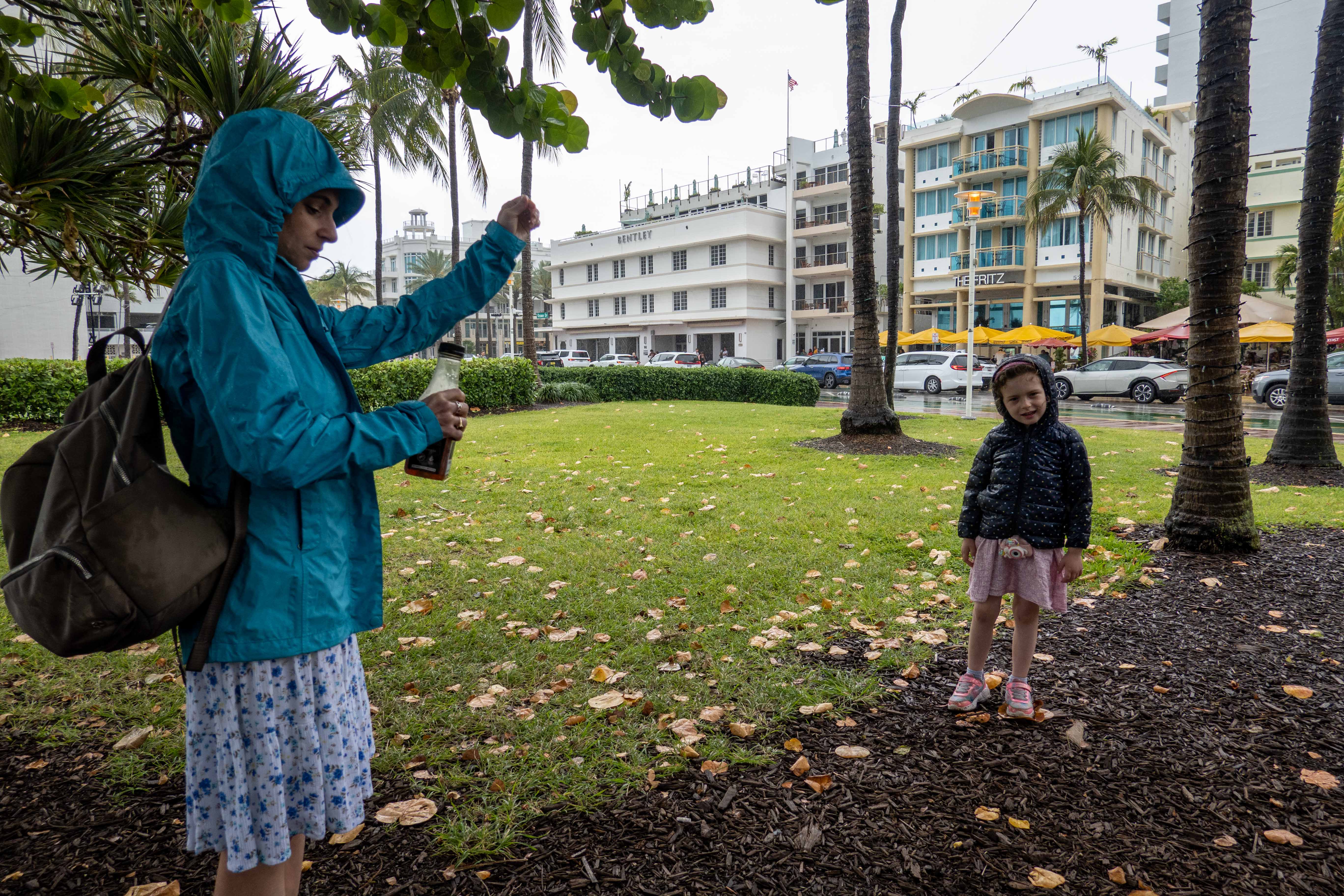
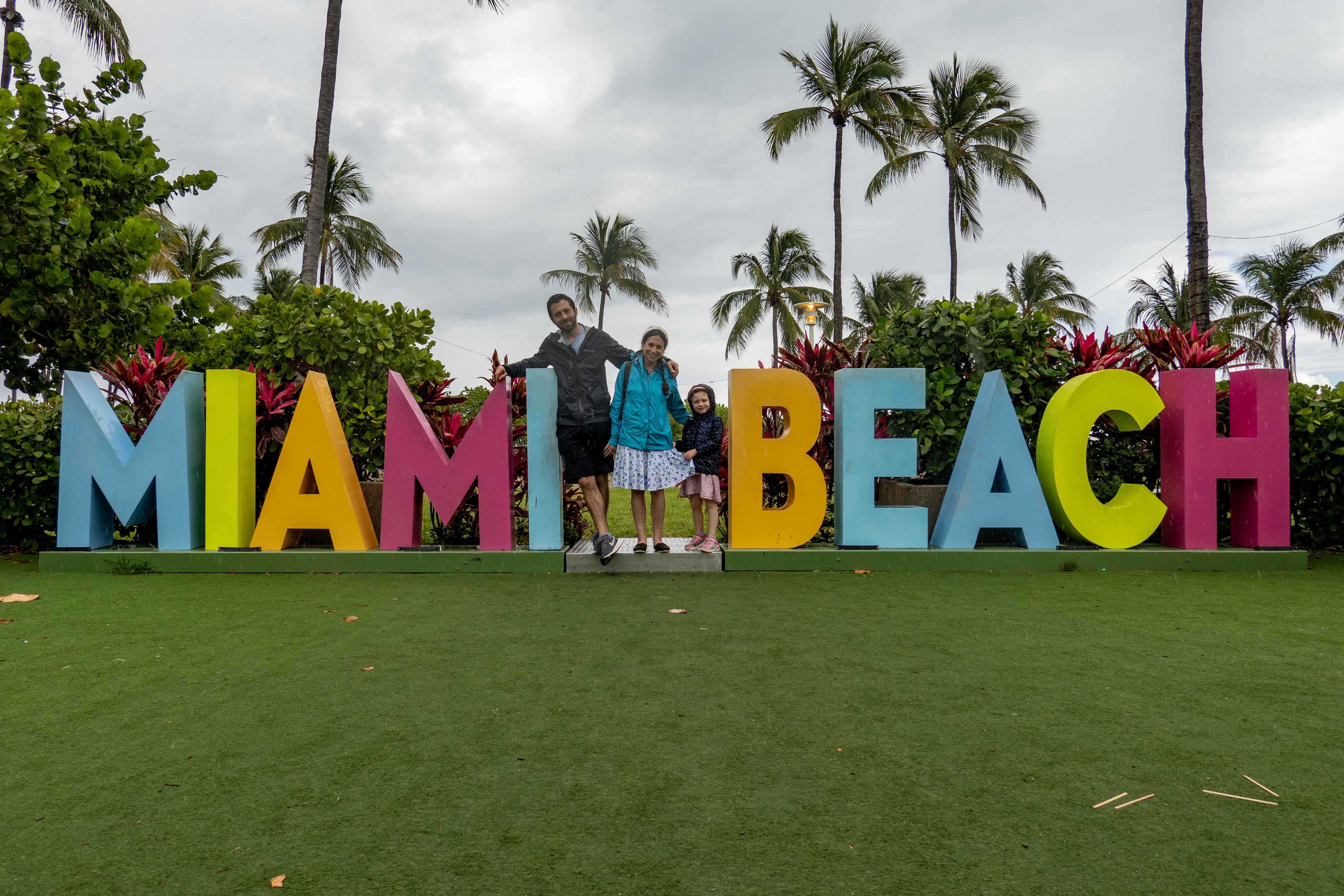
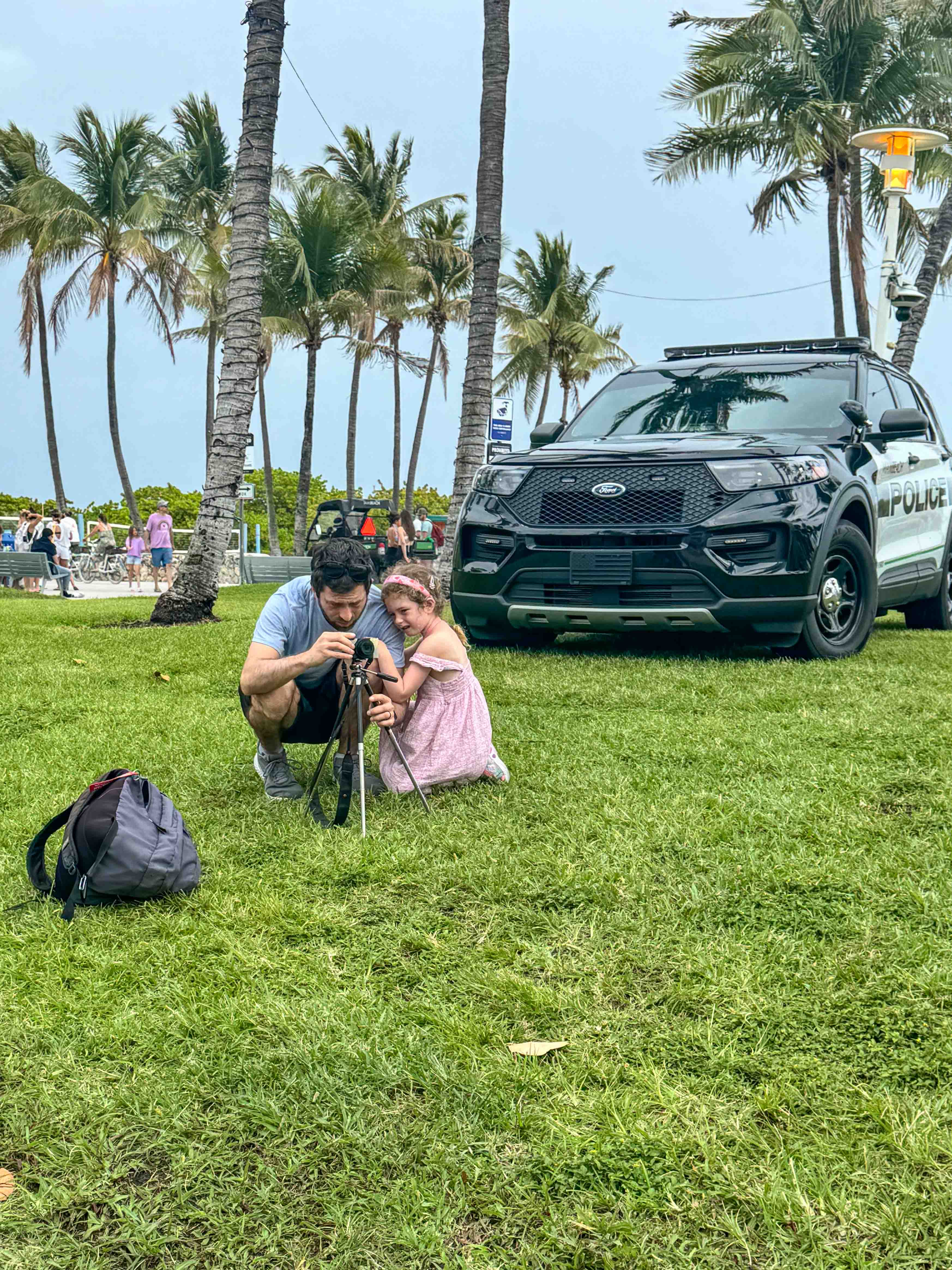
Ariela always ready to help daddy set up the perfect shot.
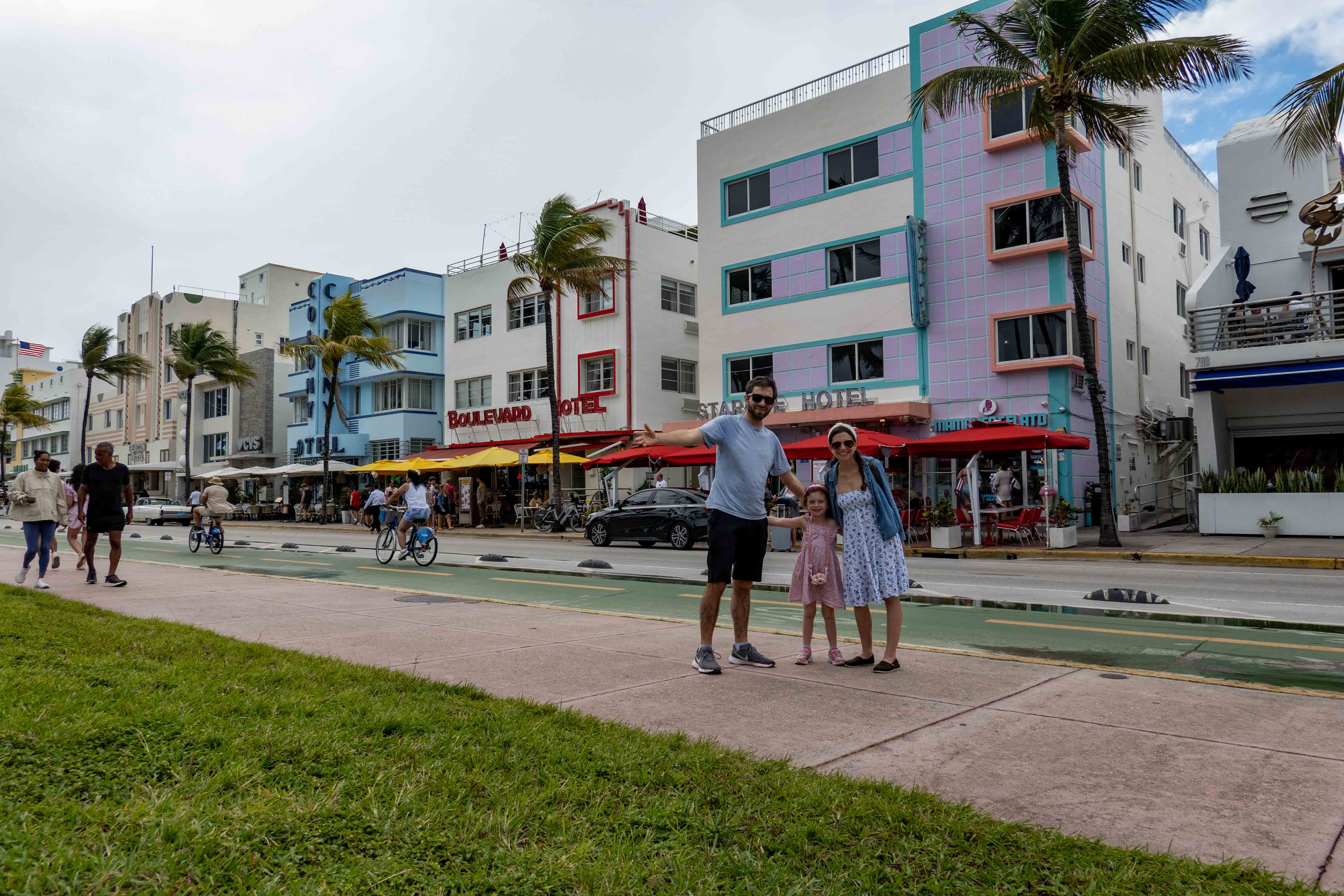
We continued our walk back, passing more beautiful buildings.
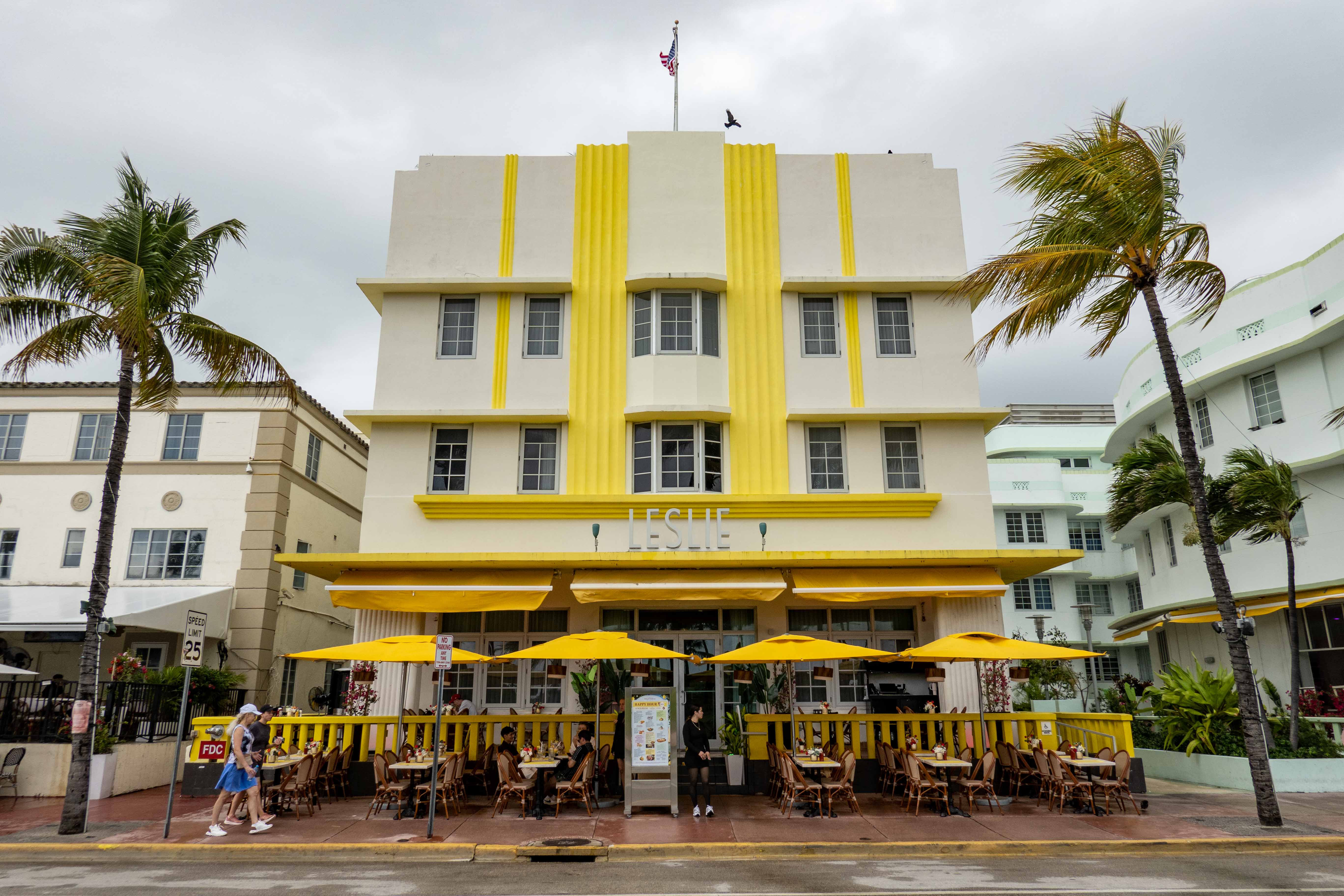
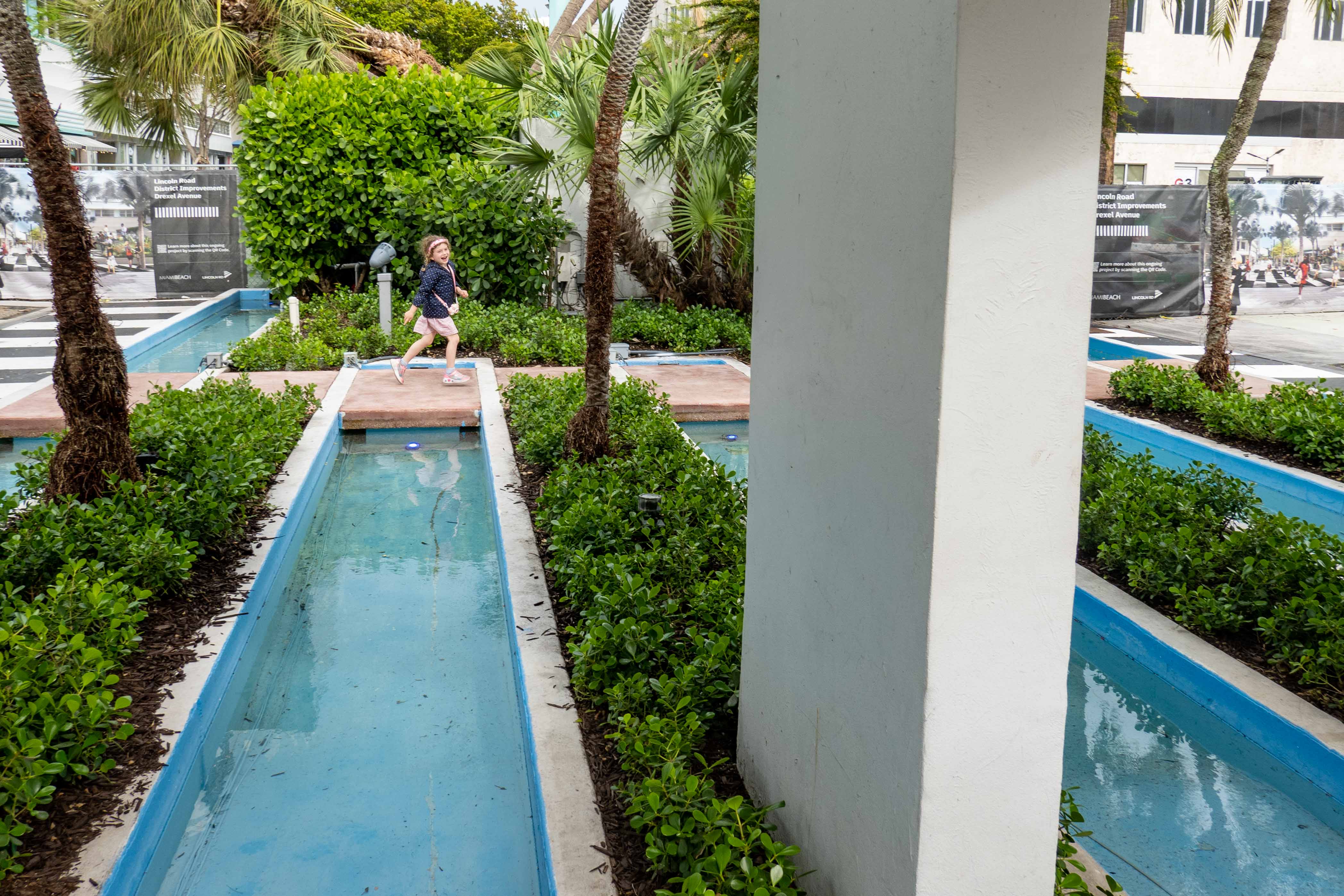
From there, we made our way back toward Lincoln Road, a pedestrian-only shopping and dining district originally designed in the 1950s by famed architect Morris Lapidus. The street stretches for over a mile and is packed with restaurants, shops, outdoor seating, and performers. If you read the sign below ( I know you wont), it says that this road is reagrded as one of the first instances in the United Stated where a major thoroughfare was closed to traffic and pedestrianized.
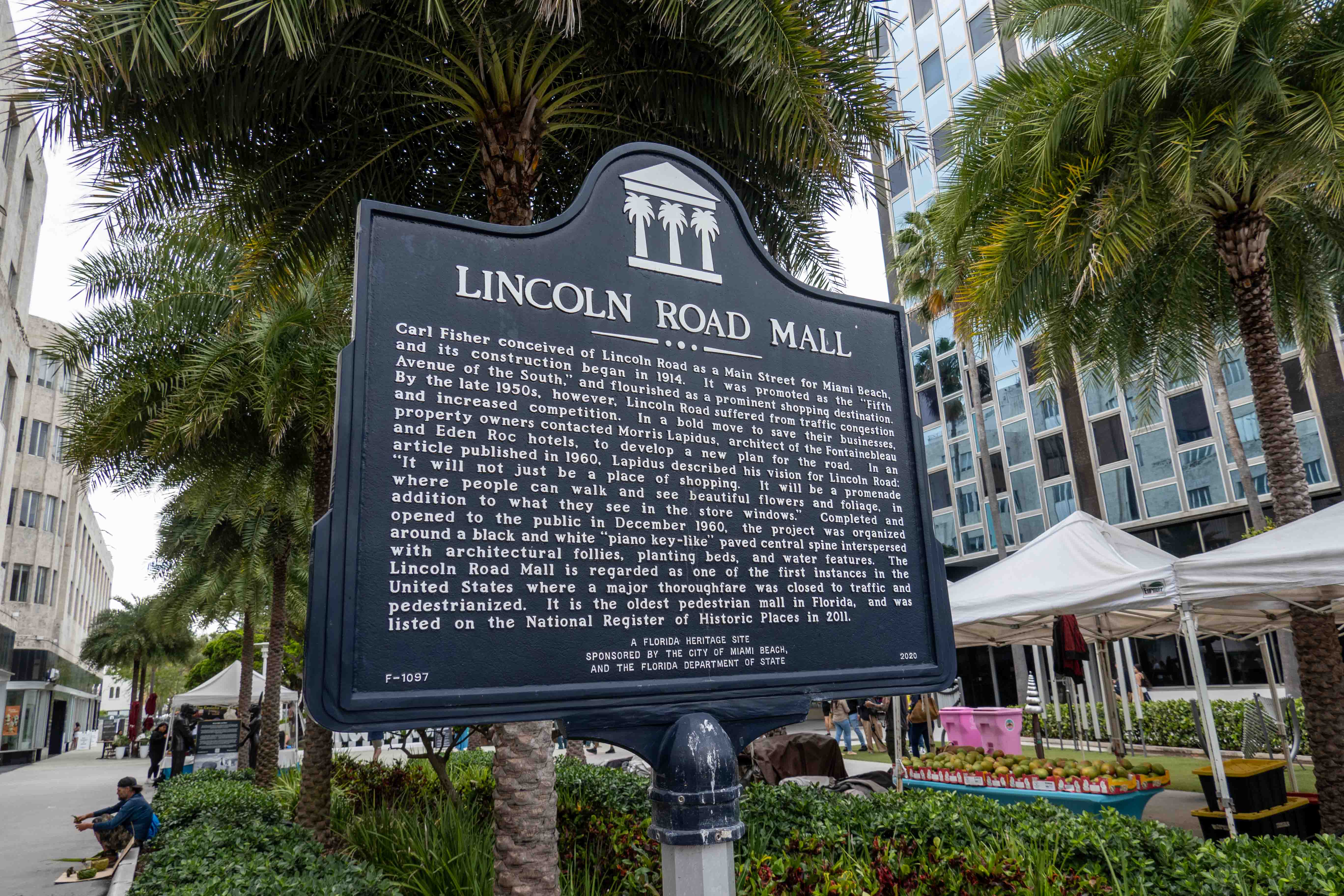
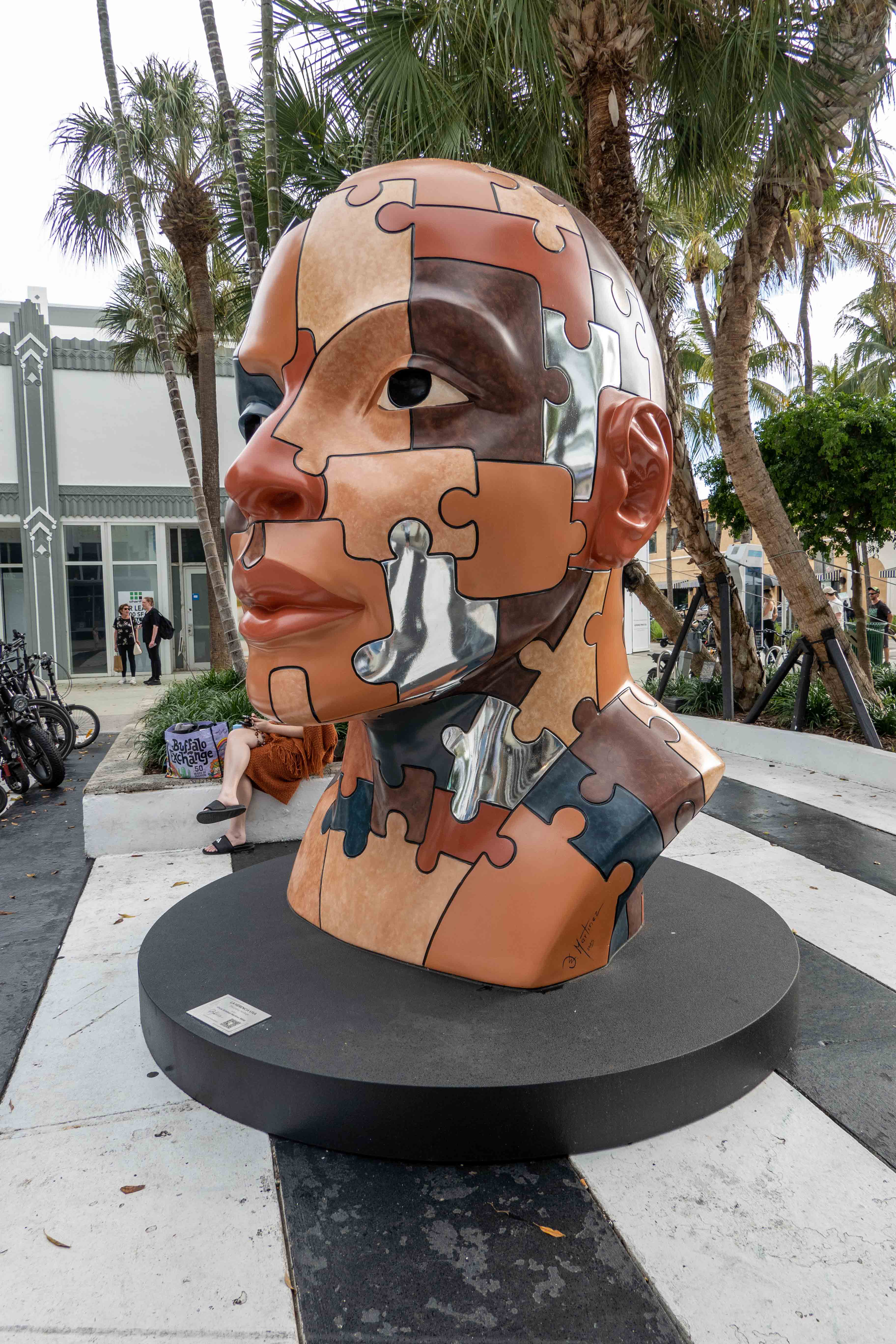
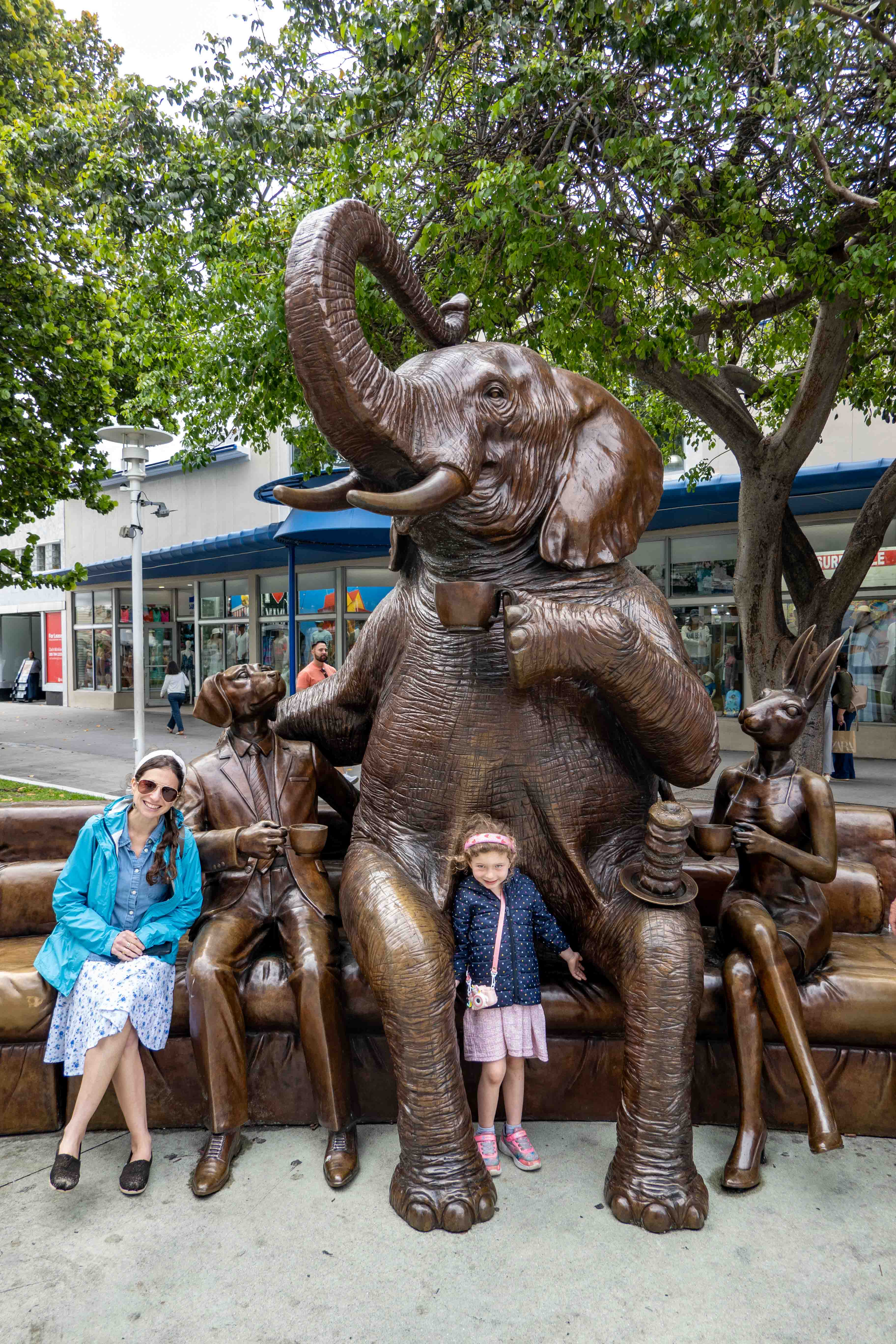
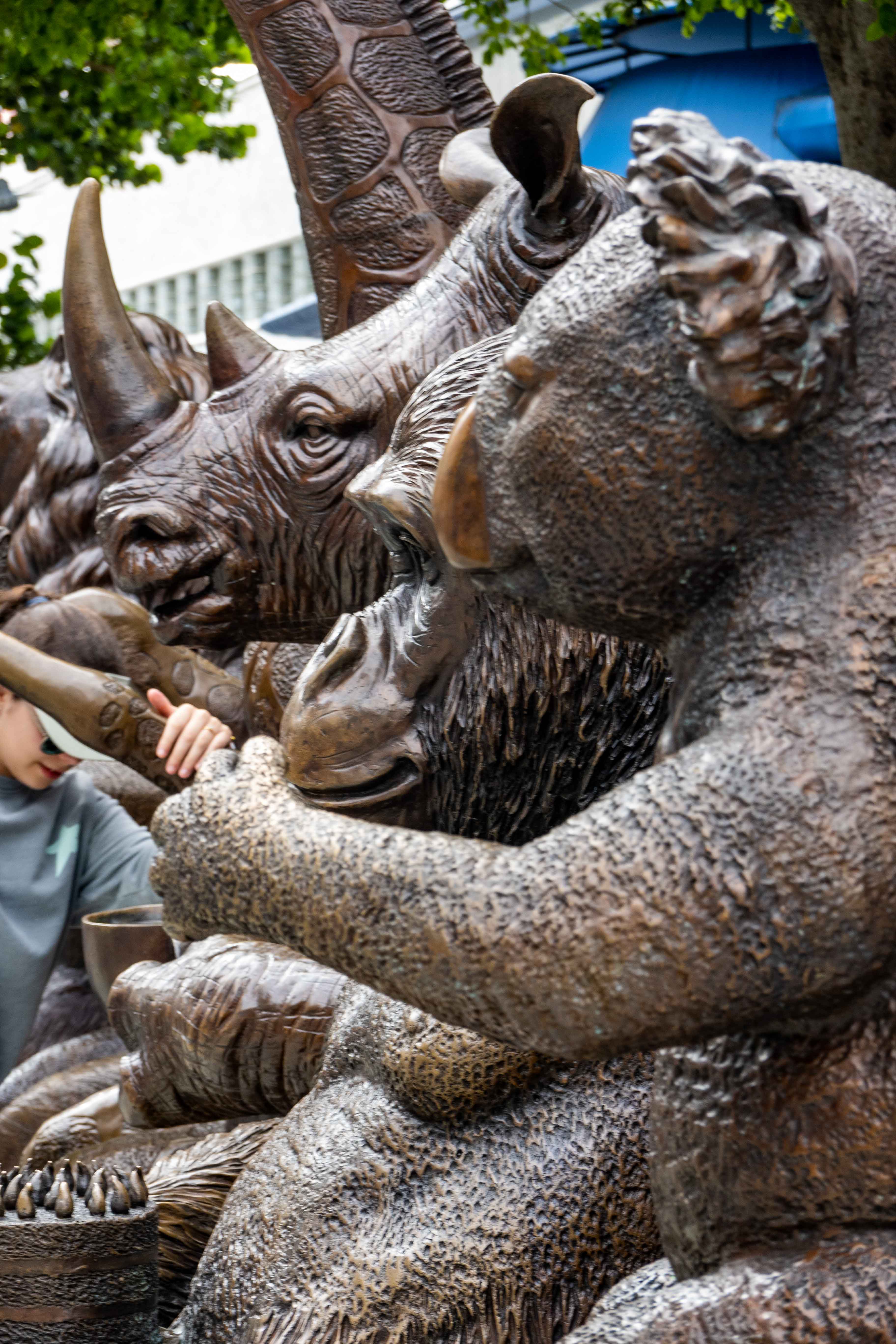
They had some amazing statures of animals.
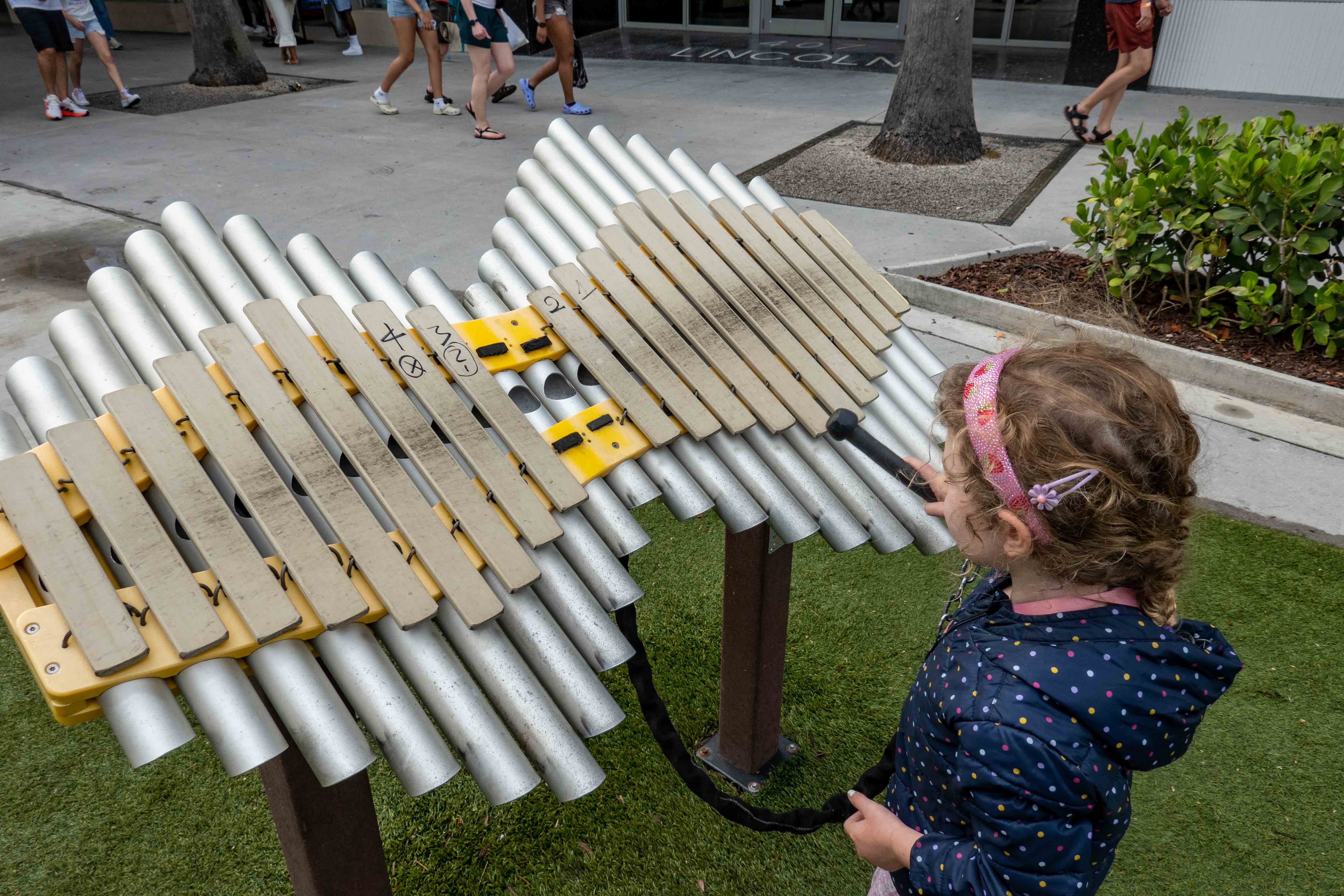
There was an area with some many instruments for the kids to play!
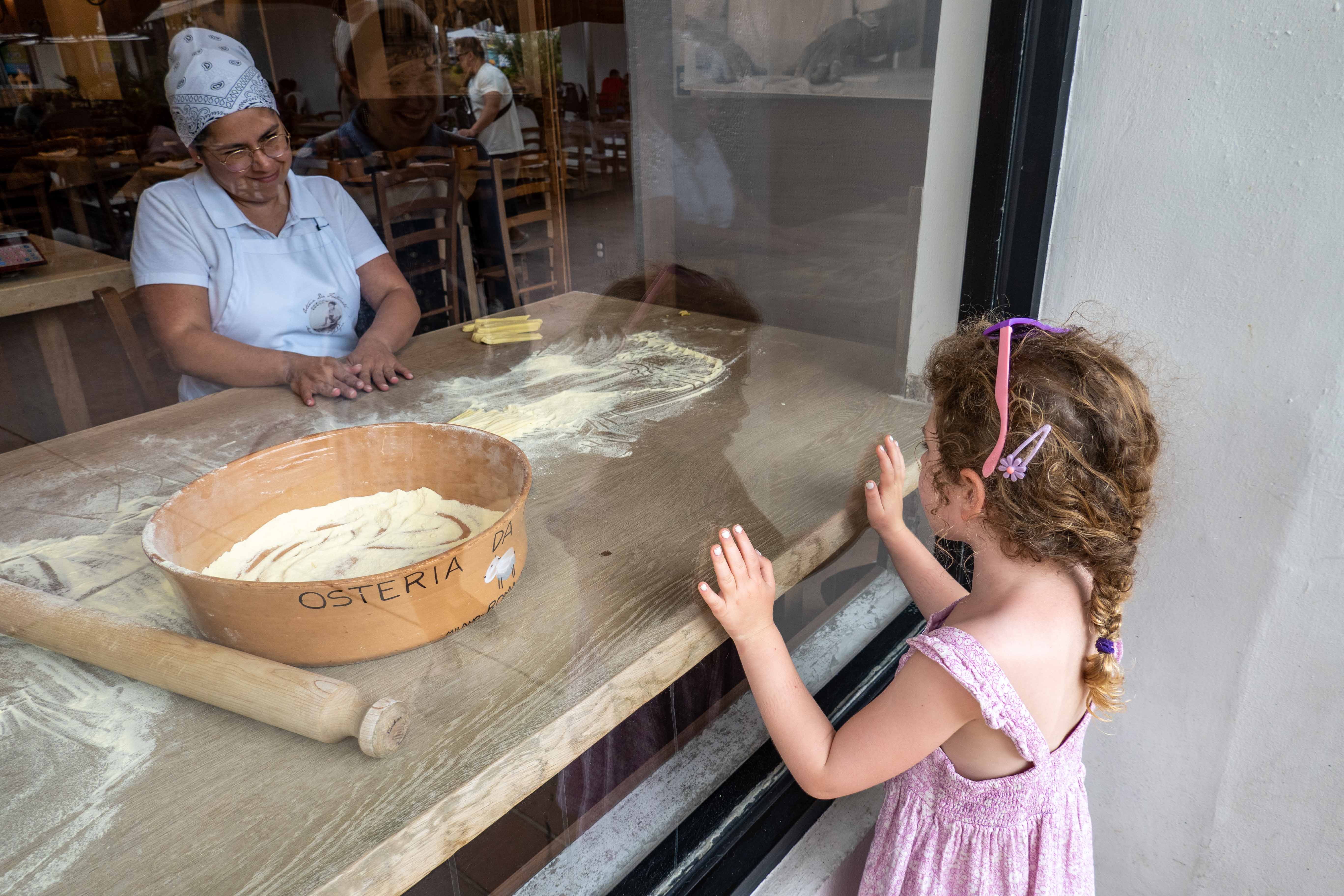
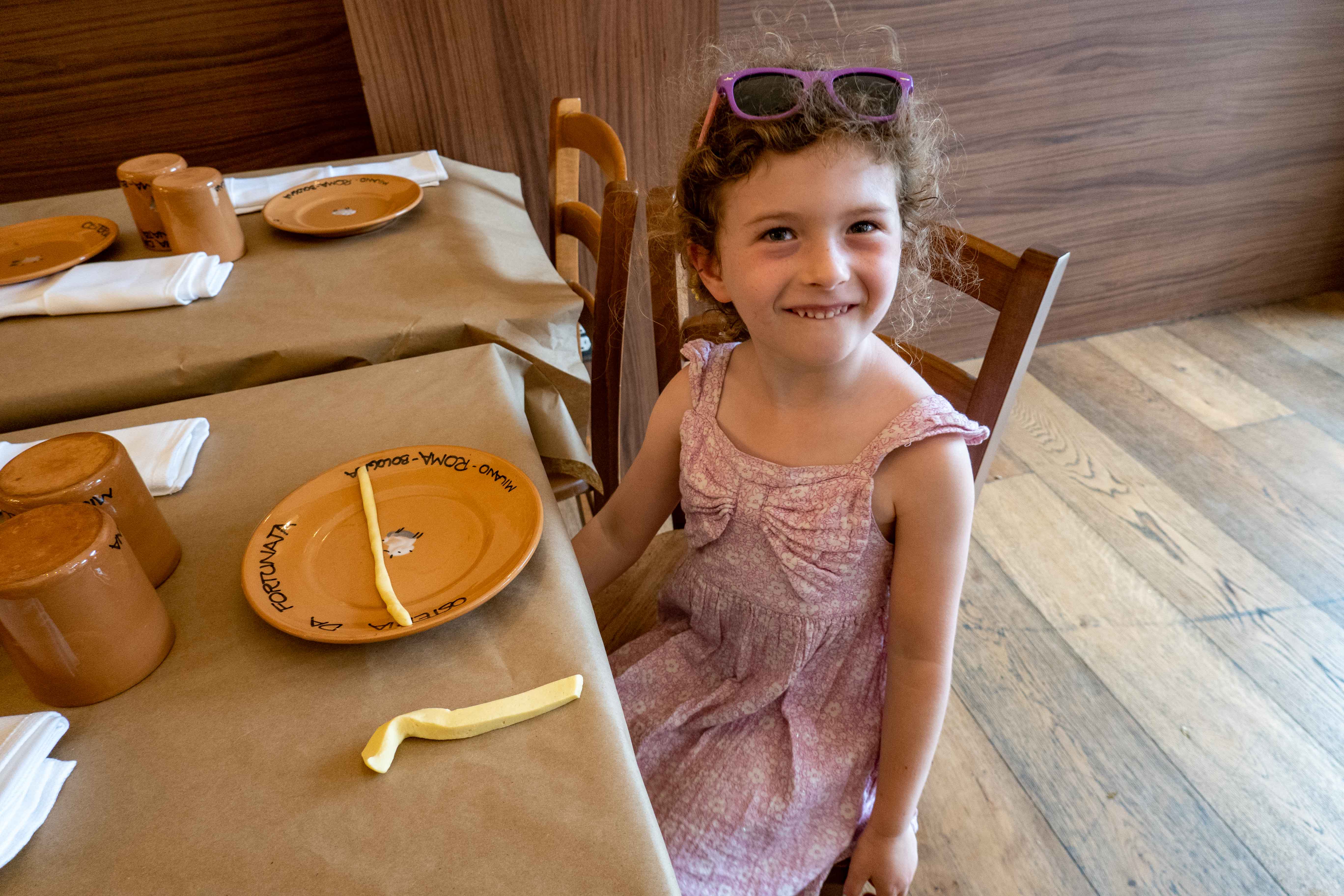
One unexpected highlight came when we stopped at a restaurant where fresh pasta was being handmade right in front of customers. Ariela became so fascinated watching the process that one of the ladies invited her inside and handed her some dough so she could make her own pasta. Those little unplanned moments always end up becoming the memories that stick.
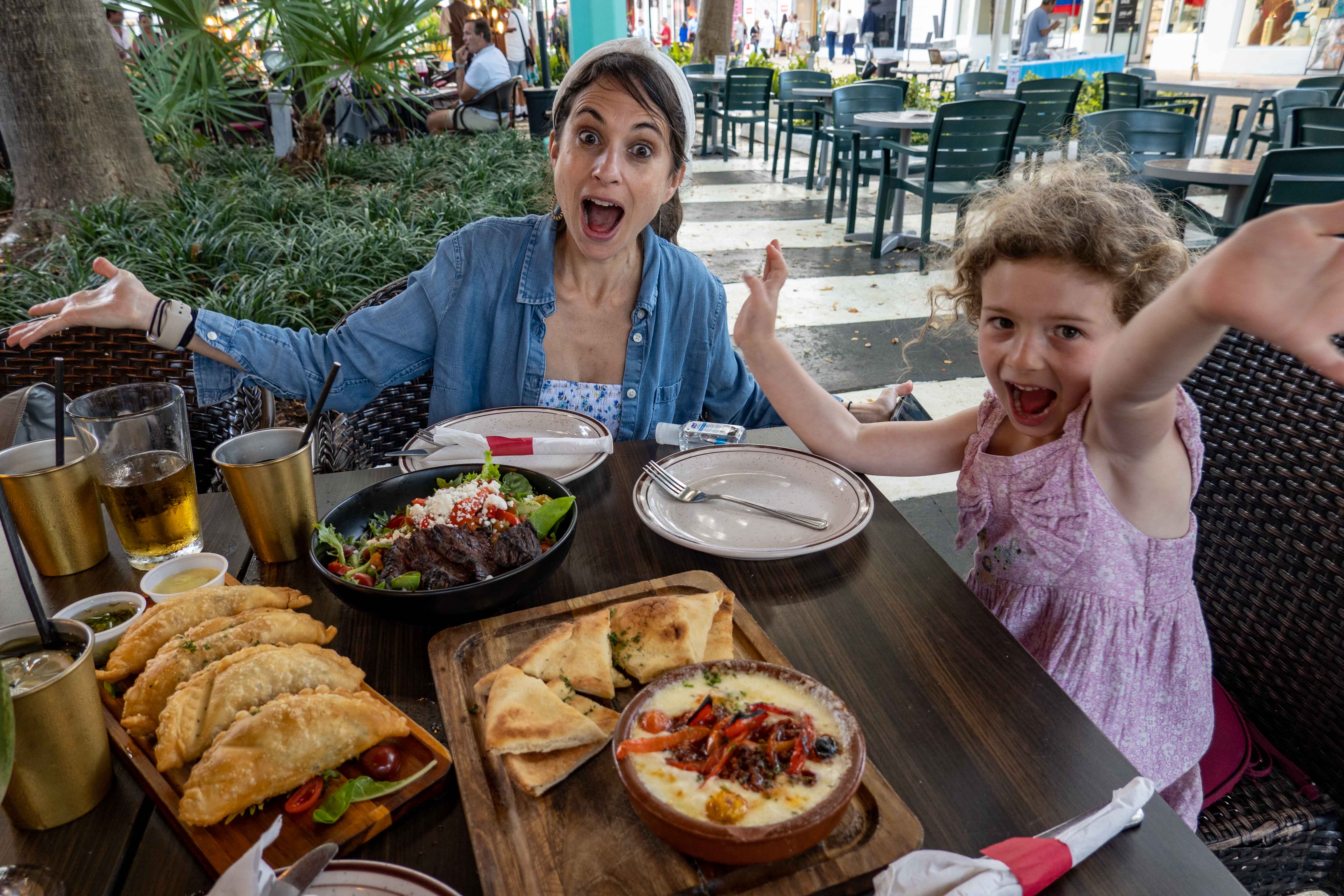
After what felt like an hour of wandering around and playing hide-and-seek through the busy streets, we finally settled into an Argentine steakhouse for dinner.
We ordered empanadas, melted provoleta cheese with chorizo, and a steak salad that completely hit the spot after a long day of walking. Interestingly, Ariela’s favorite empanada flavor — cheese and corn — was almost impossible to find in Miami, despite the city’s massive Latin American food scene.
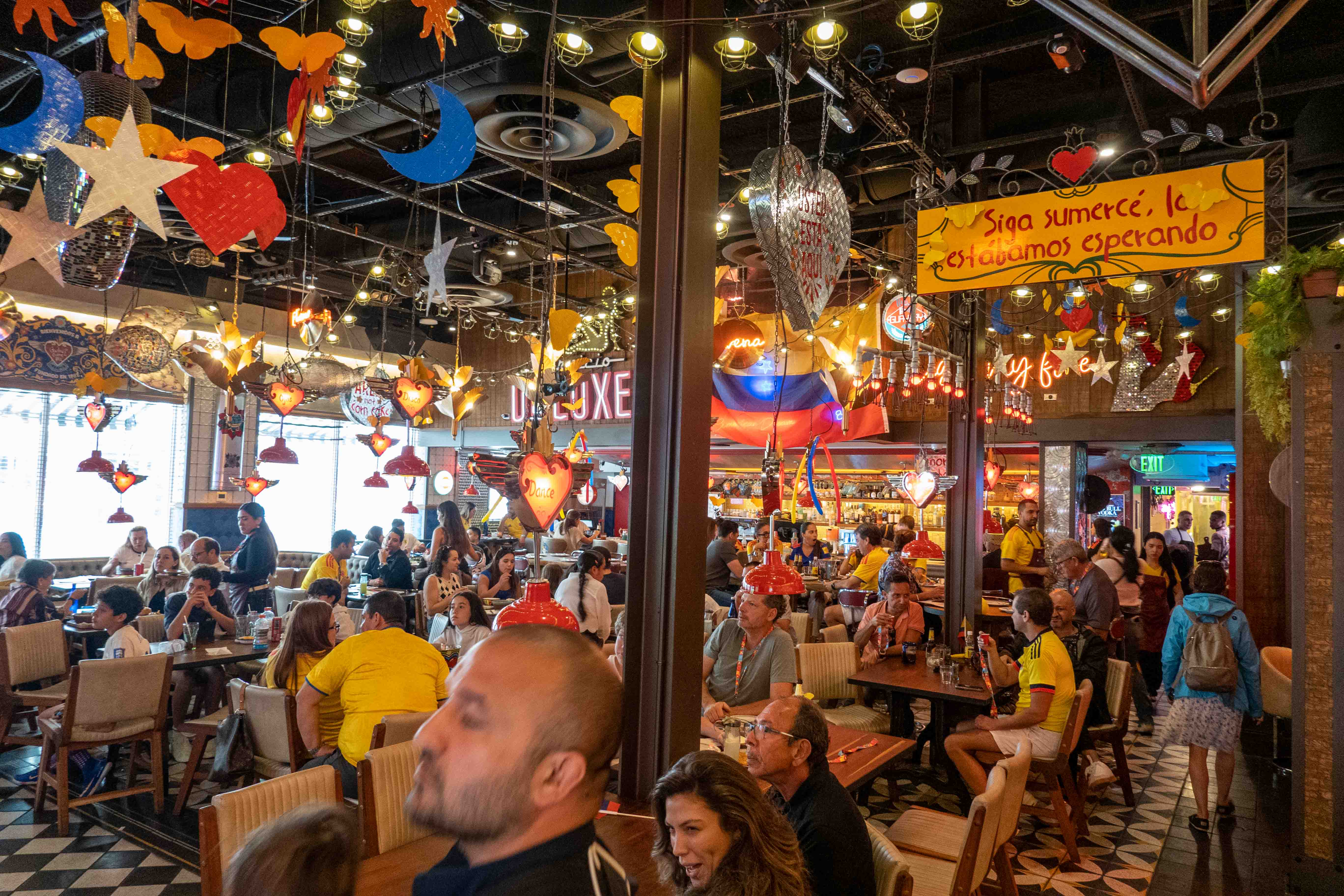
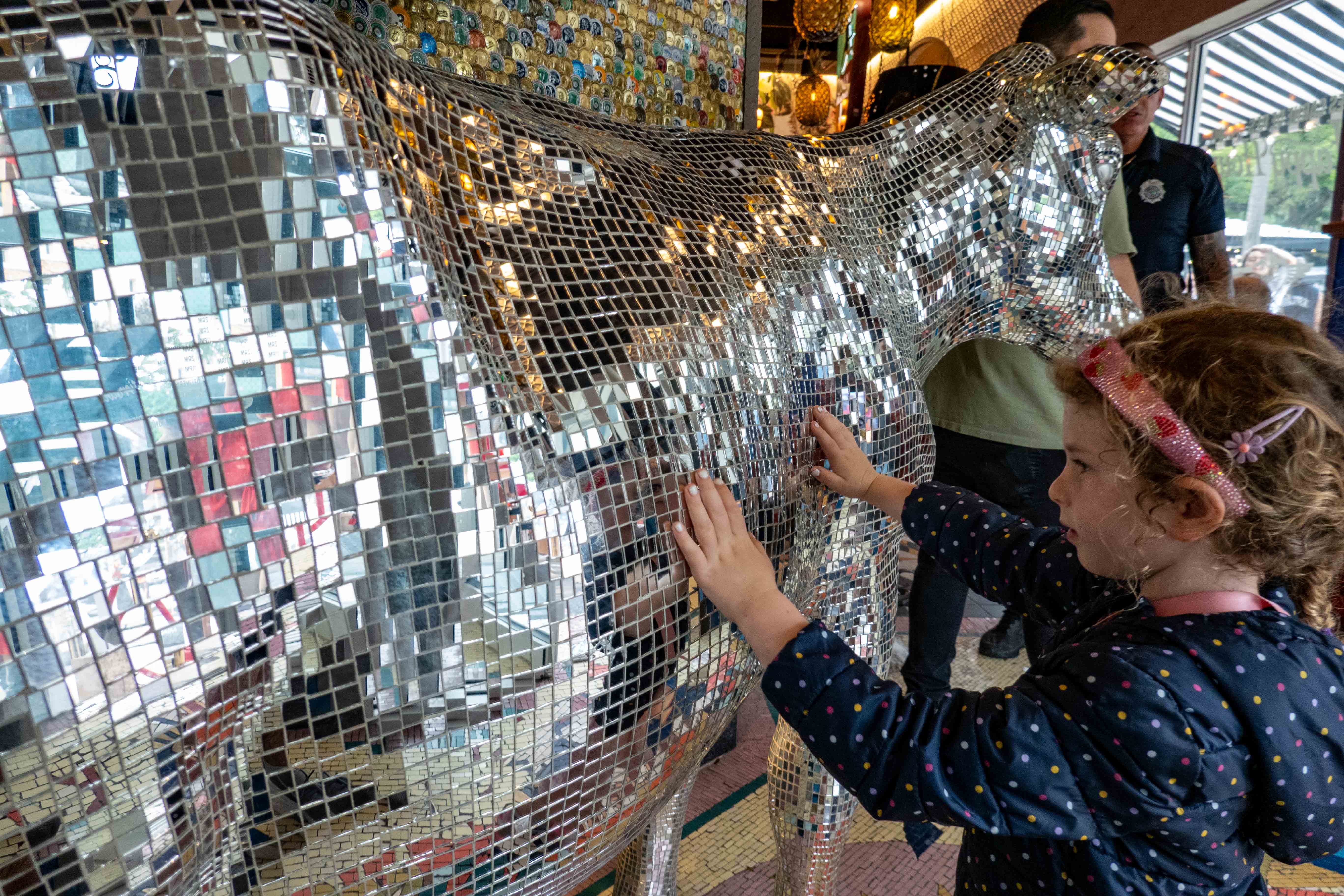
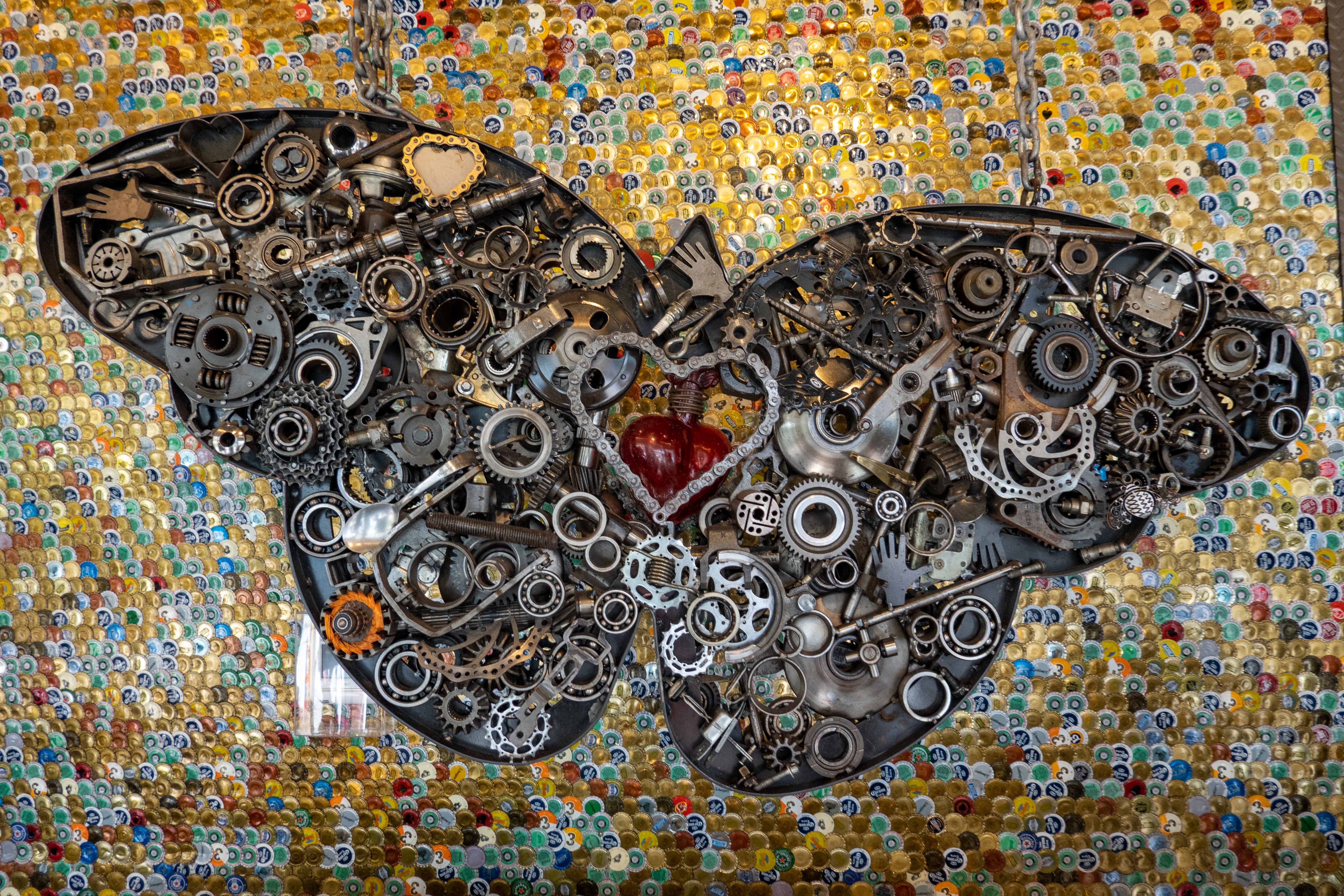
Here, we also stumbled at the restaurant Andres, Carne de Res. This is another location of the very famous Colombian restaurant we visited in Bogota a few years ago. The decoration is very unique and Ariela was fascinated by the art’s shininess. The Colombian National team was playing a qualifying round for the World Cup, so the palce was packed with Colombian fans.
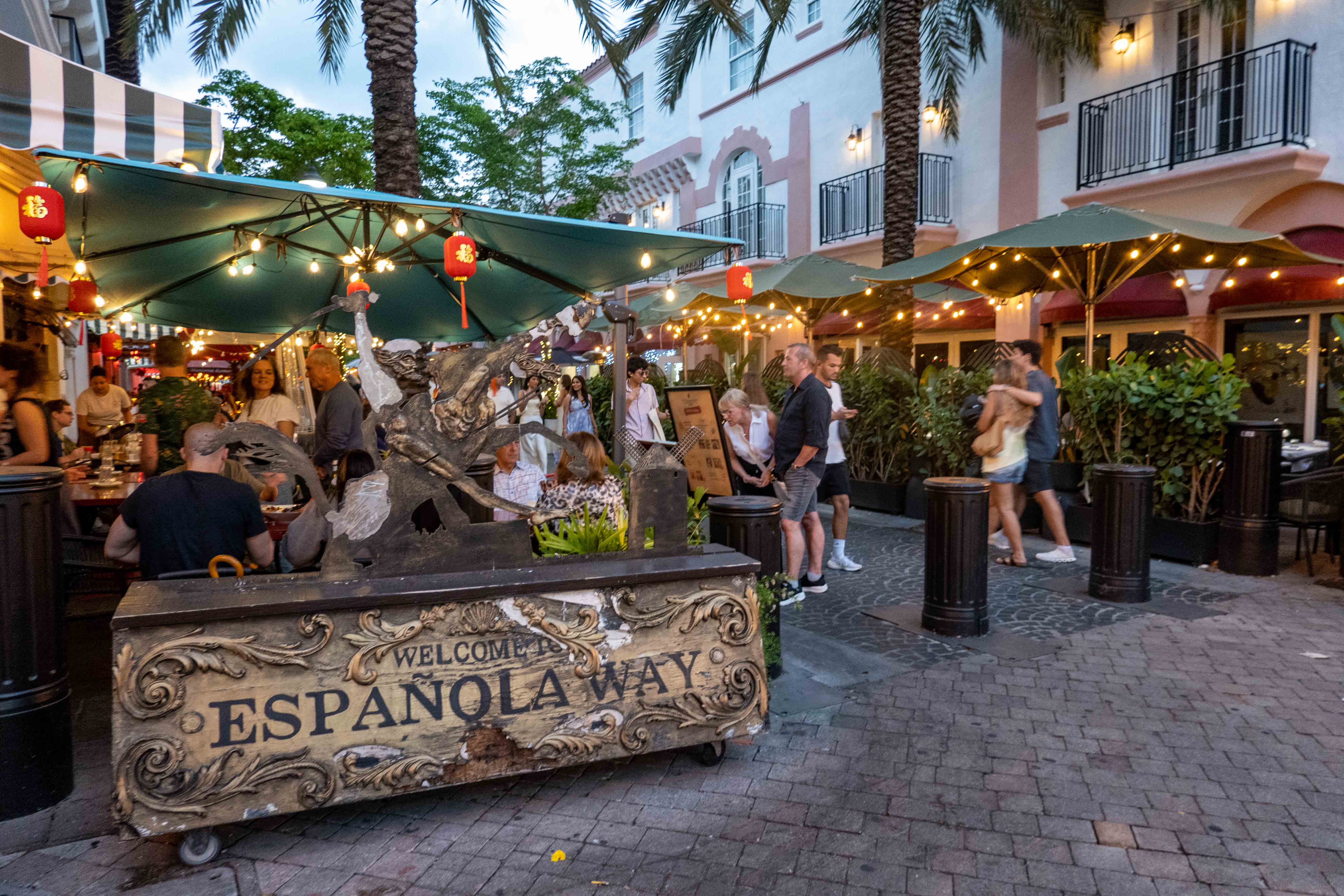
After dinner, we walked through the lively area of Española Way, a narrow historic street lined with outdoor restaurants, string lights, and Mediterranean-style architecture. Built in the 1920s, Española Way was designed to resemble a romantic Spanish village, and at night it feels almost completely detached from the modern high-rise energy surrounding the rest of Miami Beach.
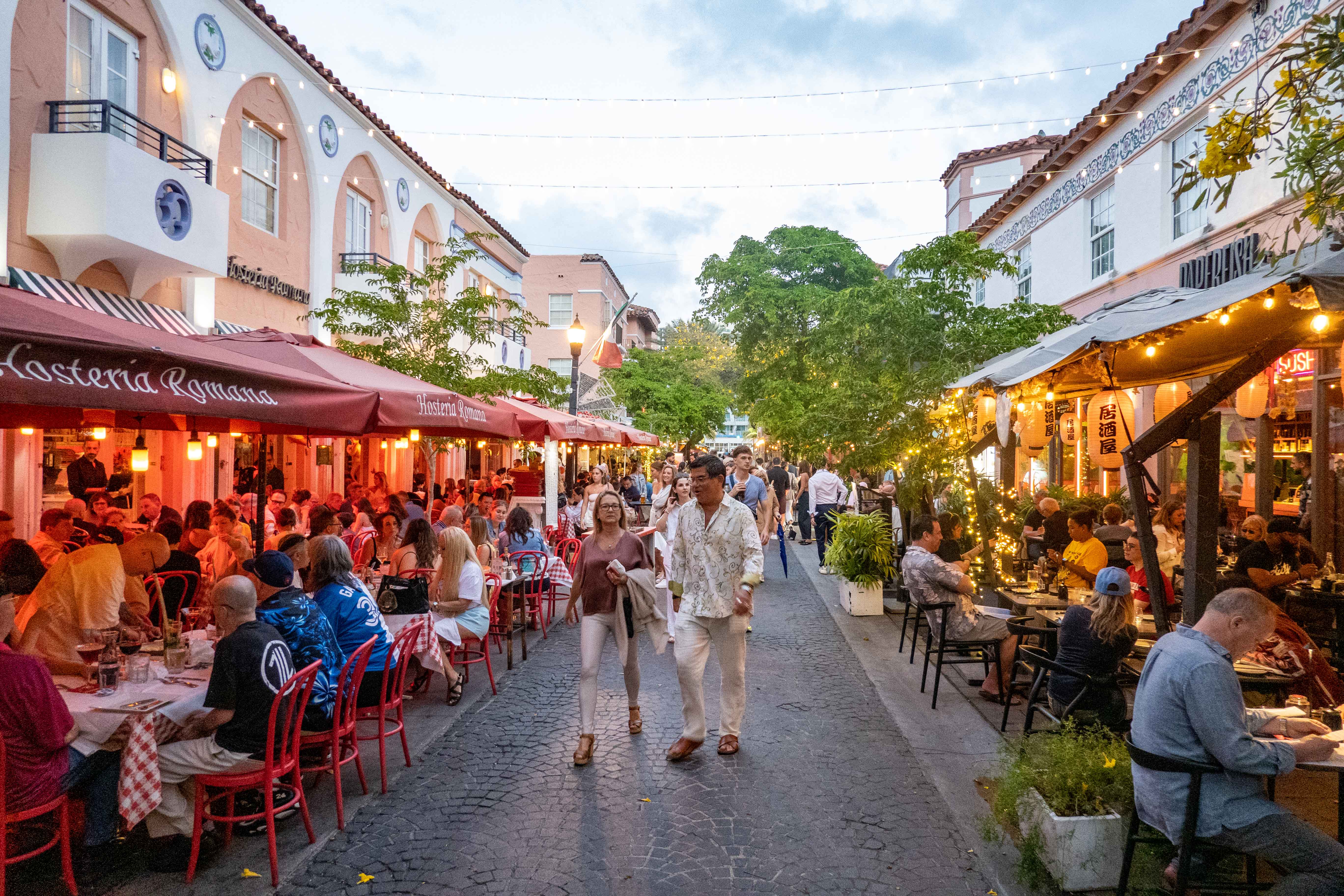
It was the perfect ending to our first full day in Miami. Stay tuned for the second day, where we are joined by our friend, Thomas!
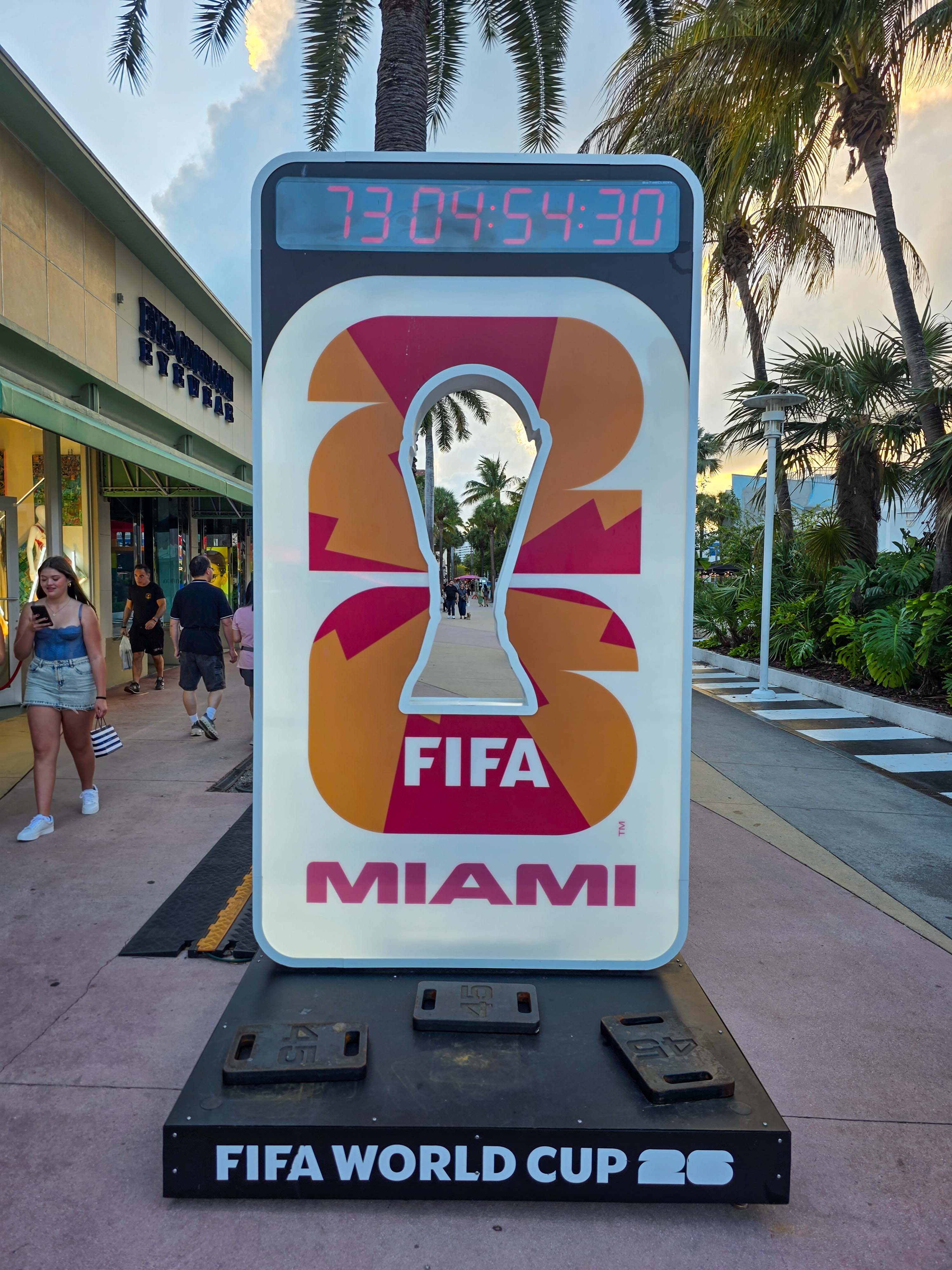
Bonus pic of the day: Miami is one of the host cities for the World Cup 2026 that will be played this summer. We got tickets to go see a game in L.A. which is another host city.

 WHERE IS NOODLE