Eitan’s dream and big bucket list item, has always been to see the Aurora Borealis, also known as the Northern Lights. And finally, after many years of waiting, the solar maximum (more on this later) was happening this year. Eitan decided to pull the trigger, and after his father-in-law Dan bailed on him, my very nice wife agreed to take his place. Tania and Nadeem impressed us with their willingness to join our exhausting adventure as well! This made us really happy as we traveled with them in Croatia, and we had a blast.
Planning for this trip was a little complicated, as everything must align to maximize your odds of seeing the Aurora. But we knew that no matter how much we planned, luck was the biggest factor, and without luck, we could spend a week in Fairbanks and not see the Aurora.
Location: We chose Fairbanks, Alaska due to several reasons:
Location in the Auroral Oval – Fairbanks is situated directly under the auroral oval, a ring-shaped zone around the geomagnetic pole where auroras are most active. This means a high chance of seeing them frequently.
High Geomagnetic Activity – Alaska experiences strong geomagnetic storms, which enhance aurora visibility. Even during periods of lower solar activity, Fairbanks still gets regular auroras.
Dark, Long Nights – From September to April, Fairbanks has extended periods of darkness, allowing for longer and clearer viewing opportunities.
Low Light Pollution – While Fairbanks is a city, it’s relatively small and surrounded by vast wilderness, making it easy to find dark skies just outside town.
Aurora Forecasting & Tourism – Fairbanks has excellent aurora prediction services and many guided tours to help visitors experience the lights at the best times and locations.
We also planned this during the Solar Maximum, which is the period of peak solar activity in the 11-year solar cycle, during which the Sun’s magnetic field is most active.
And we also booked it during a new moon week, so the moonlight does not interfere with seeing the Aurora.
But what we could not plan for was clear skies, which in Fairbanks, a forecast even for the same day can be unpredictable.
—
Ariela stayed for 4 nights with her wonderful grandparents, as this trip was not meant to be for a 4-year-old. We luckily were all in good health, and Ariela was on the last leg of a bad cold from a few days prior
Once in the airport, we enjoyed the new Chase lounge, which is probably one of the best lounges we have been to. Next time, we will get there so early to enjoy all the free perks.
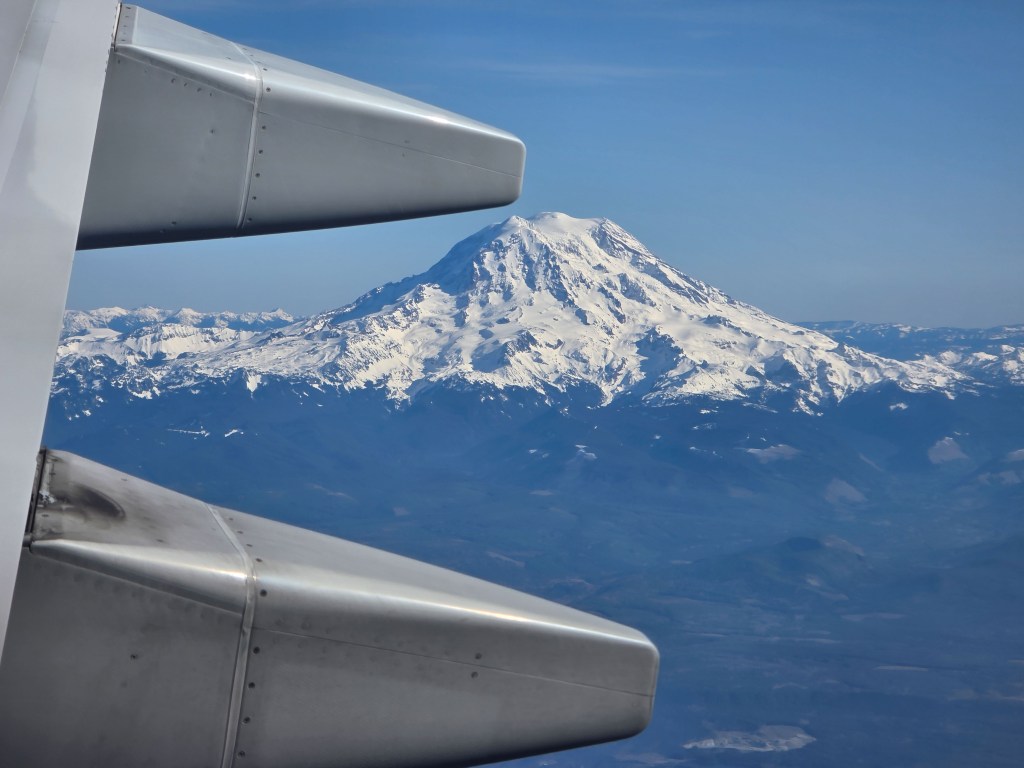
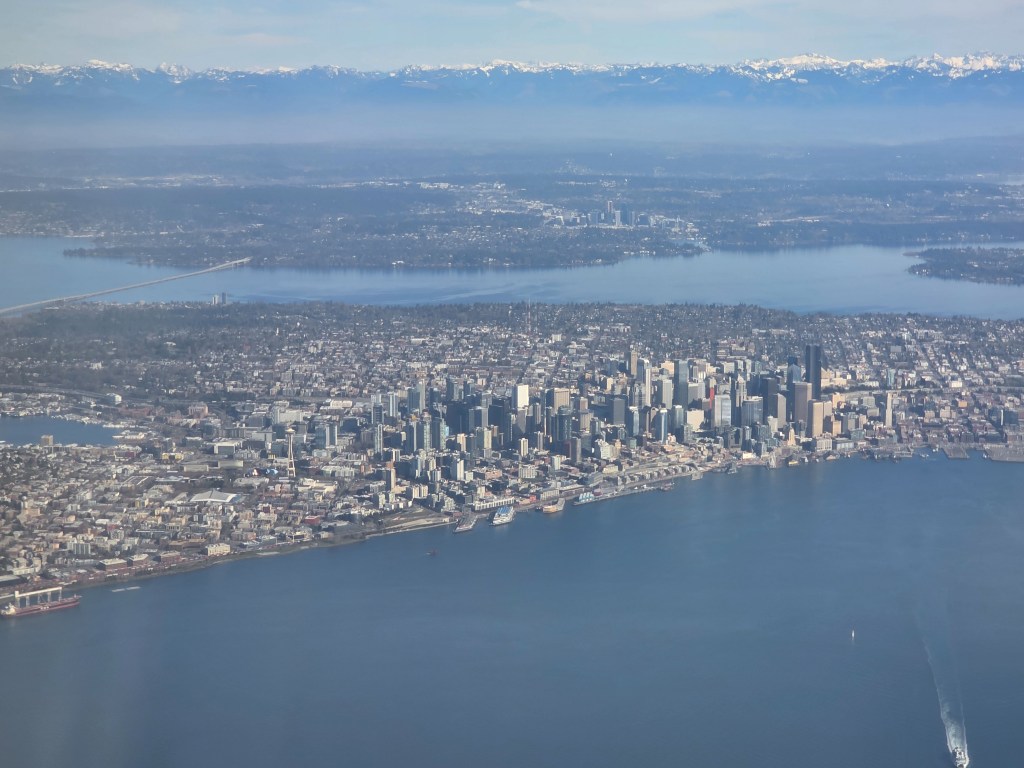
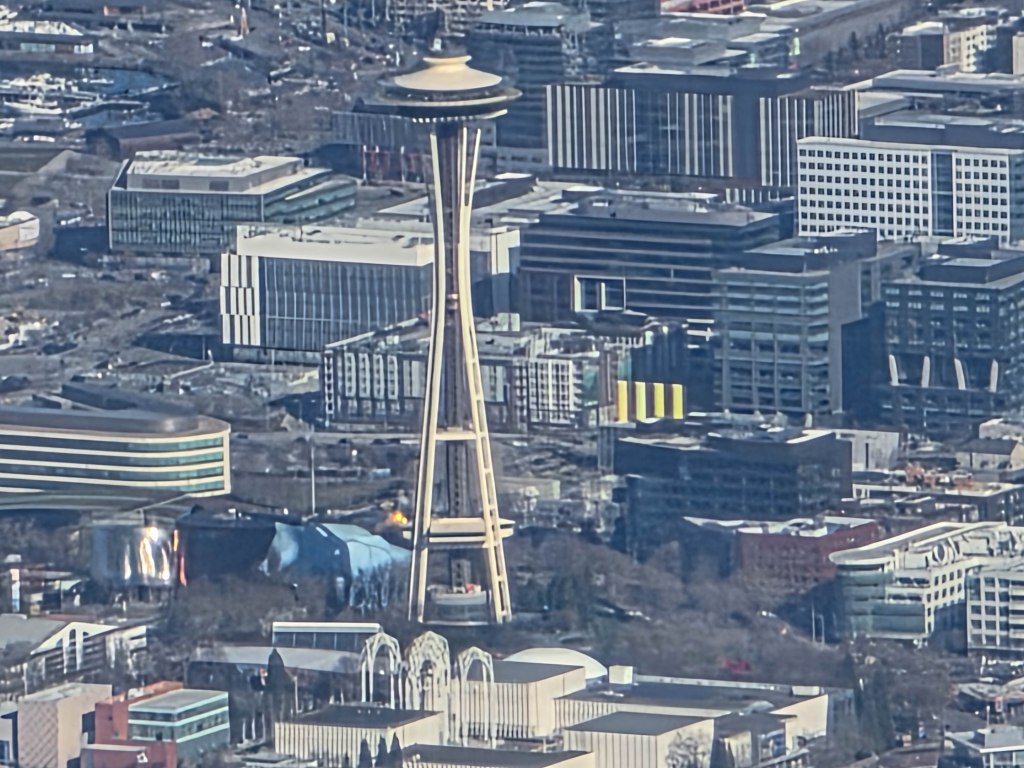
The flight had a quick layover in Seattle with incredible views of Mt. Rainier and Seattle’s downtown, which we used to eat some lunch at a less nice lounge.
The next flight was a 3.5-hour flight to Fairbanks, Alaska.
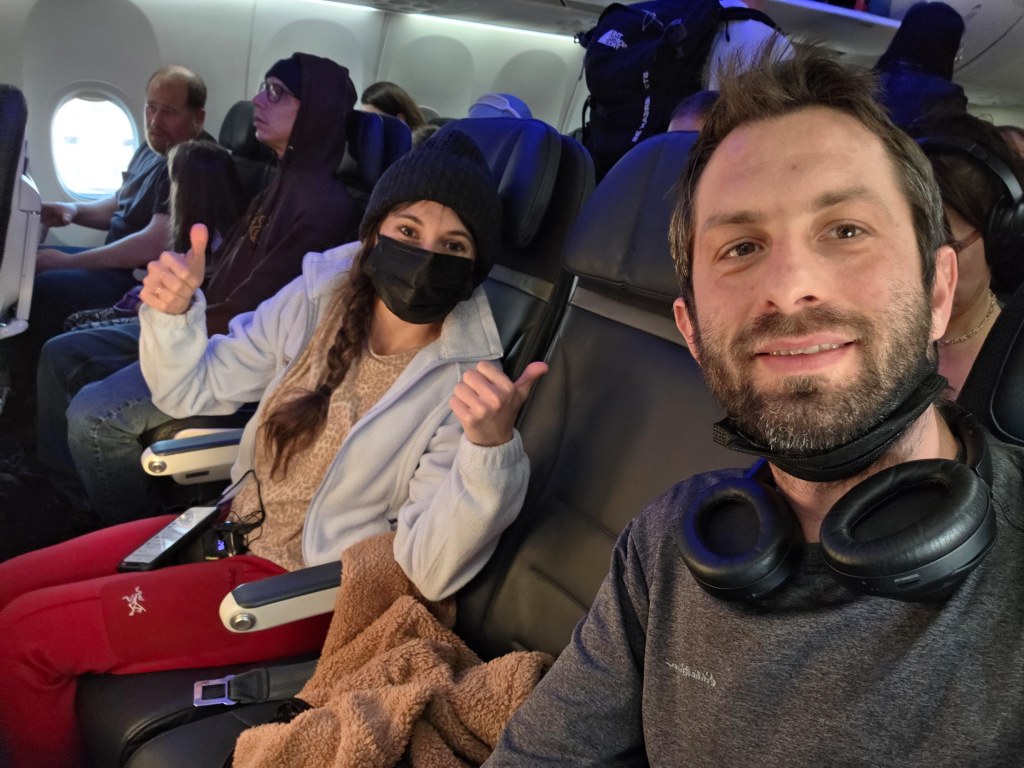
We arrived around 9 pm, and luckily, there was a “heat wave” that made the weather nice ranging from 15-38 degrees Fahrenheit. This was so unusual as the normal temperature around this time was -35F. The cold was a reason Sarah was hesitant about this trip, so this was really good luck!
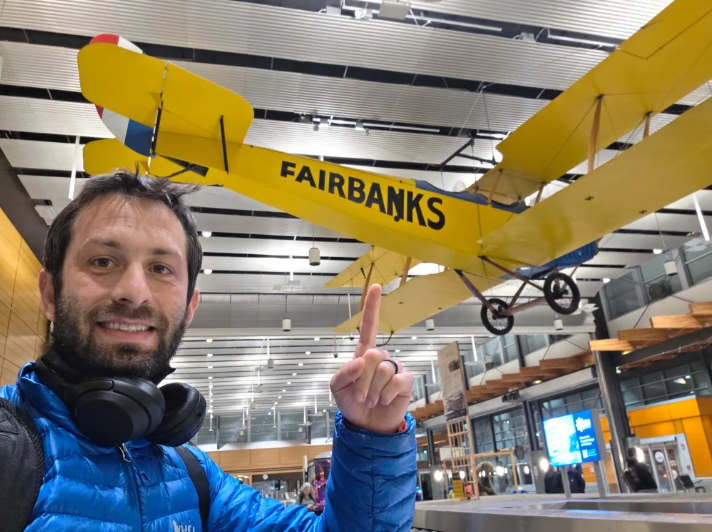
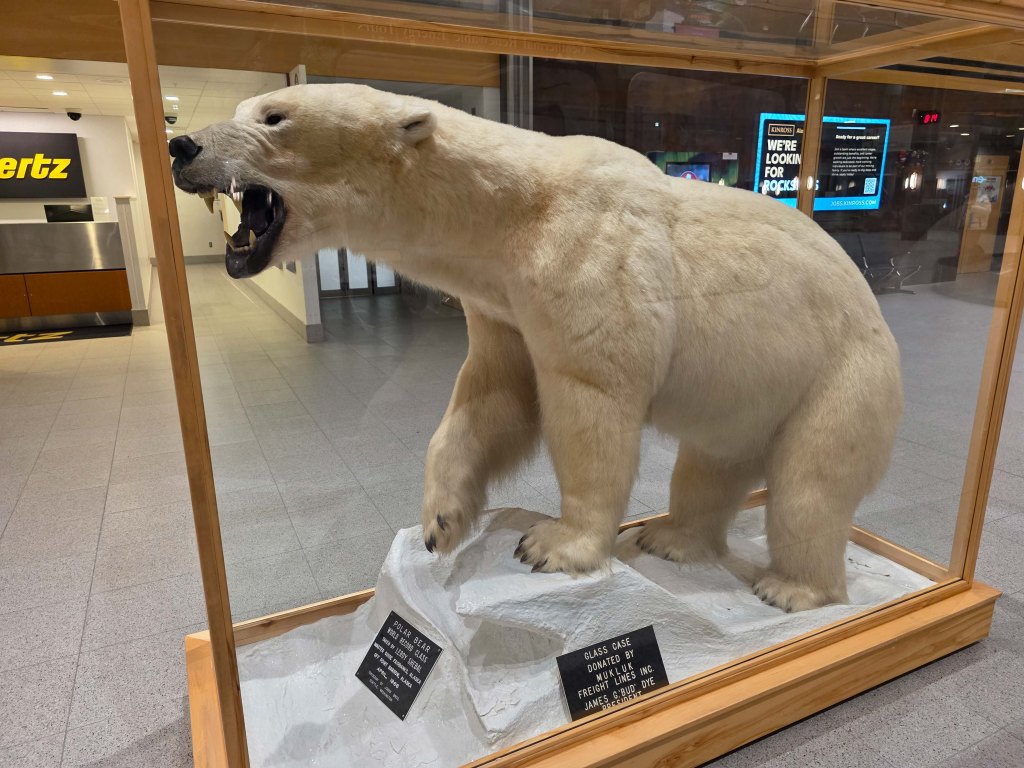
We took a free shuttle to our amazing hotel, Pikes Lodge, which was just a few minutes from the airport. We were so anxious and nervous and were already trying to see the Aurora, but there was nothing in the skies.

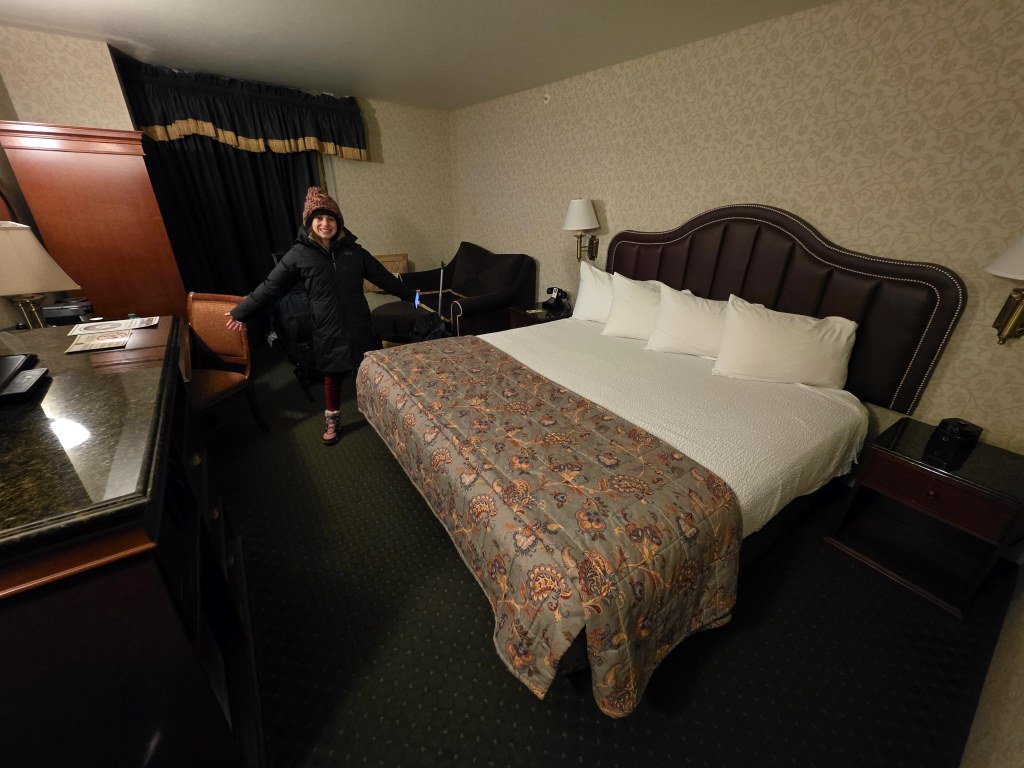
After checking in and asking for the Aurora wake-up alarm (they wake you up if the Aurora is visible) we had a quick dinner bite and went to sleep…. Well, kind of… Eitan was half awake, looking at his Aurora prediction apps. And luckily he was as they have to call each room and they hadn’t called our room yet so we may have missed it!
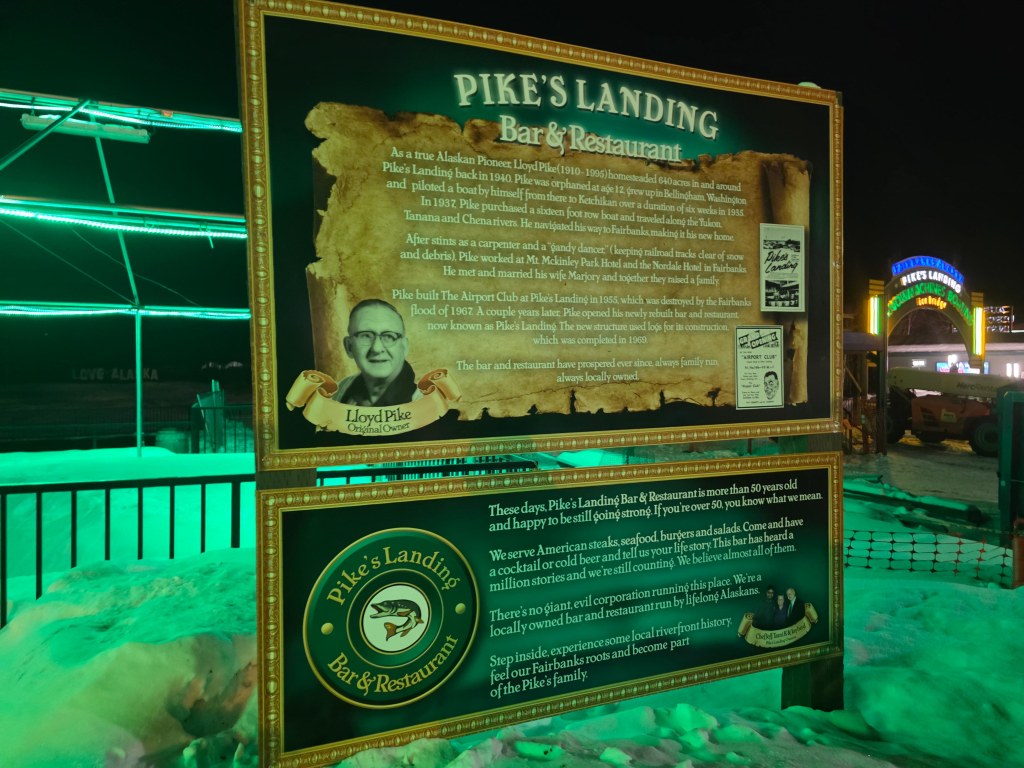

A couple hours later, the alarm on Eitan’s phone was ringing and ringing, and once Eitan checked his phone we saw a text from Tania “The Auoras are out!!”. We got some clothes on as fast as we could and ran through the door to the viewing area. And they were there!! What a thrilling and relieving moment!!
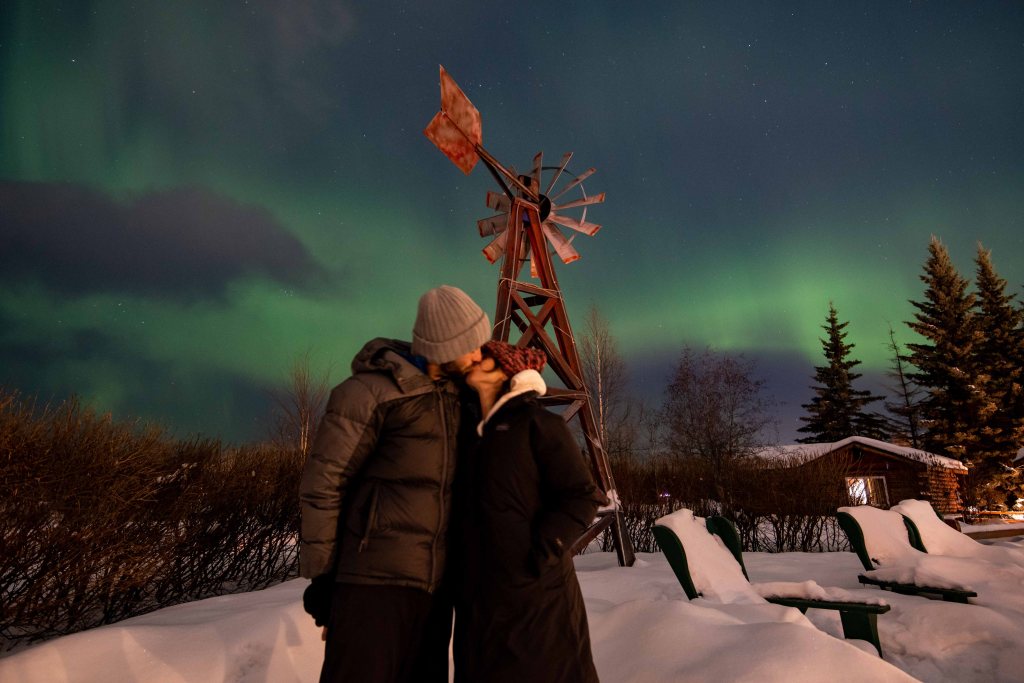
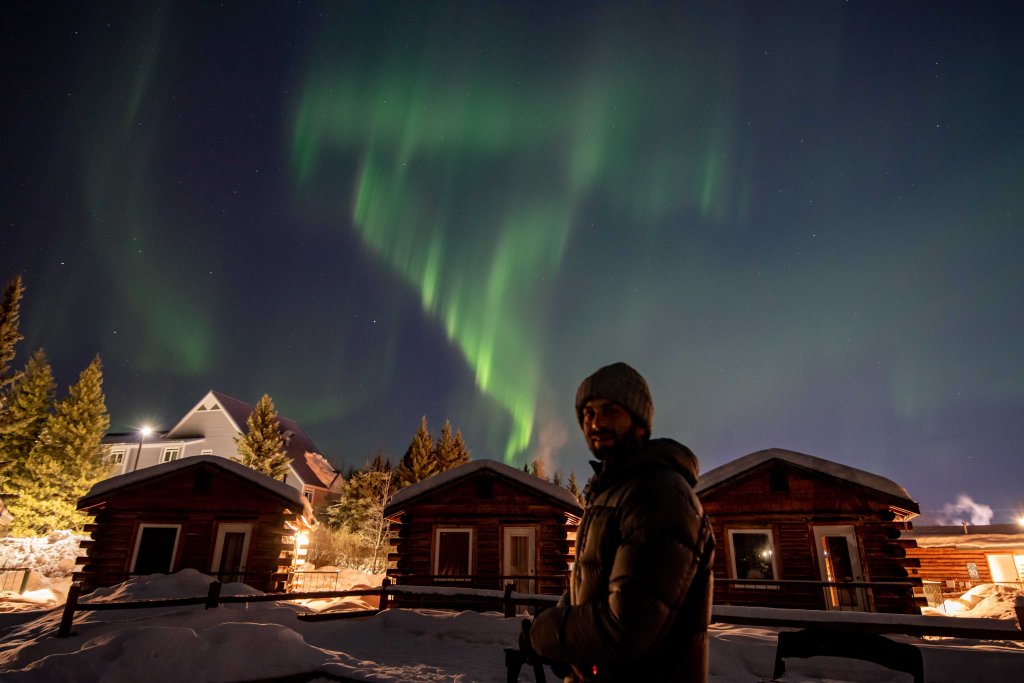
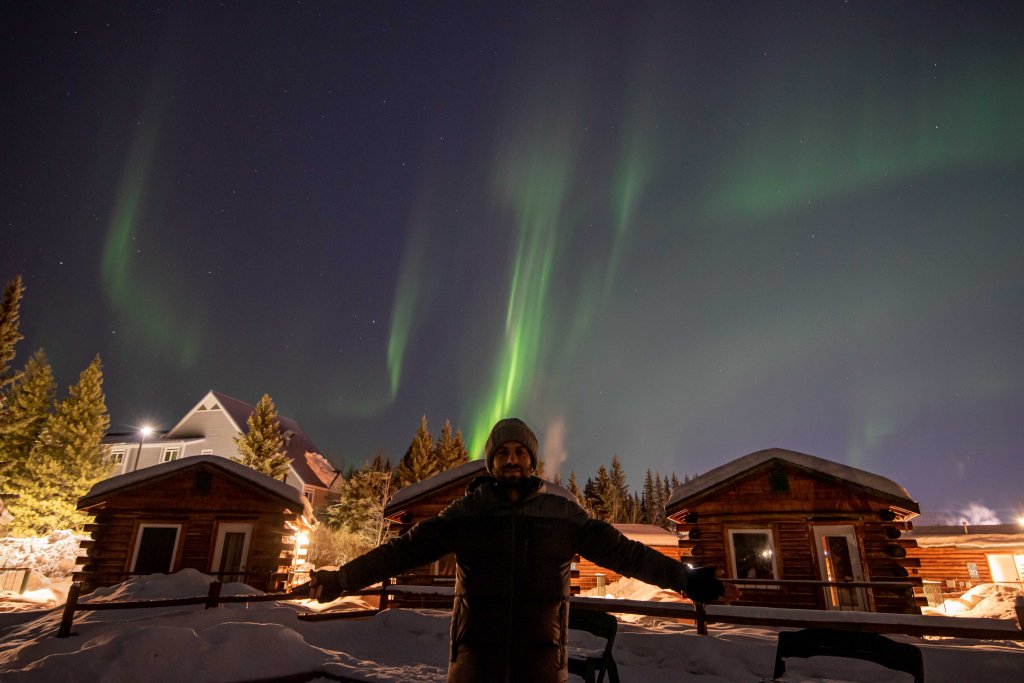

We kind of felt an immediate relief that we already saw the lights. If we couldn’t see them any more during the next three nights it would still be ok since we saw them at least once. We took a few photos while we waited for Nadeem and Tania, who were just arriving from the Airport and had a great entry to their trip as they saw the lights from the shuttle heading to the hotel!

We enjoyed the Auroras for another 30 minutes; they were moving and had different intensities of color from gray to light green.
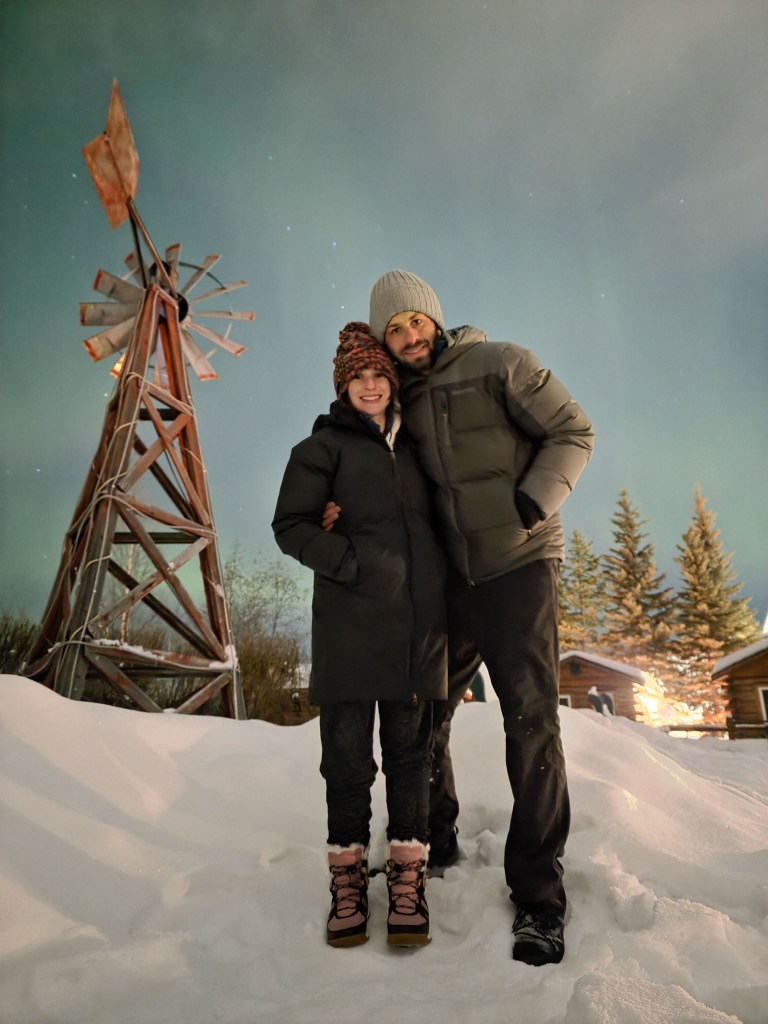
We went back to the room, but Eitan came back a few minutes later because he is so intense when he travels and suffers from FOMO. But the Auroras were not visible anymore.
The next day Eitan woke up early to pick up the rental car that was delivered to our hotel which we would use to visit a few sights in the city. Then we had the amazing free buffet breakfast at the hotel.
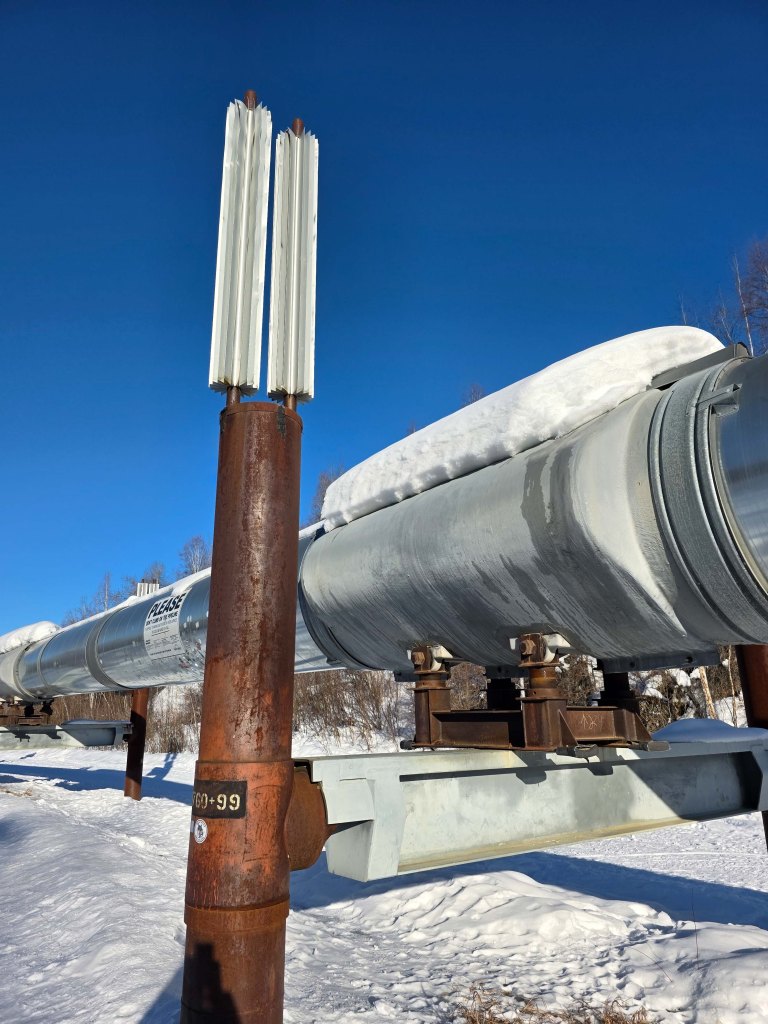
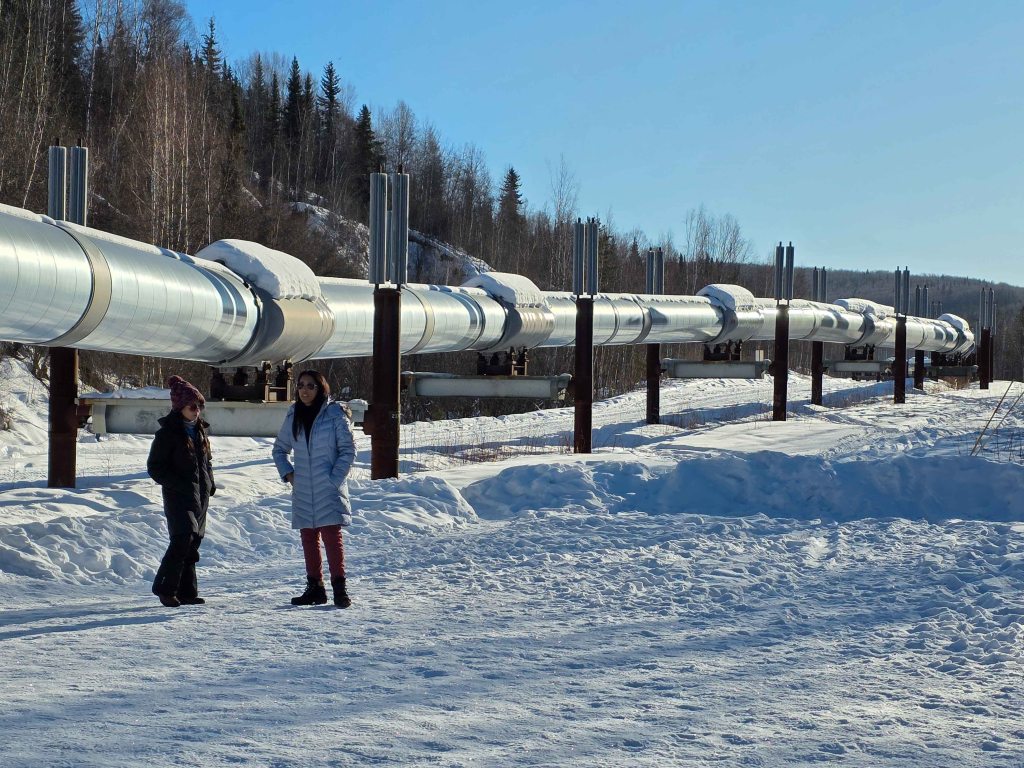
Our first stop of the day was the famous (only to nerds like Eitan) Trans-Alaskan pipeline system (TAPS). This is an 800-mile (1,287 km) pipeline that transports crude oil from the oil fields of Prudhoe Bay in northern Alaska to the port of Valdez in southern Alaska. It was built between 1974 and 1977 in response to the discovery of vast oil reserves in the Arctic region.
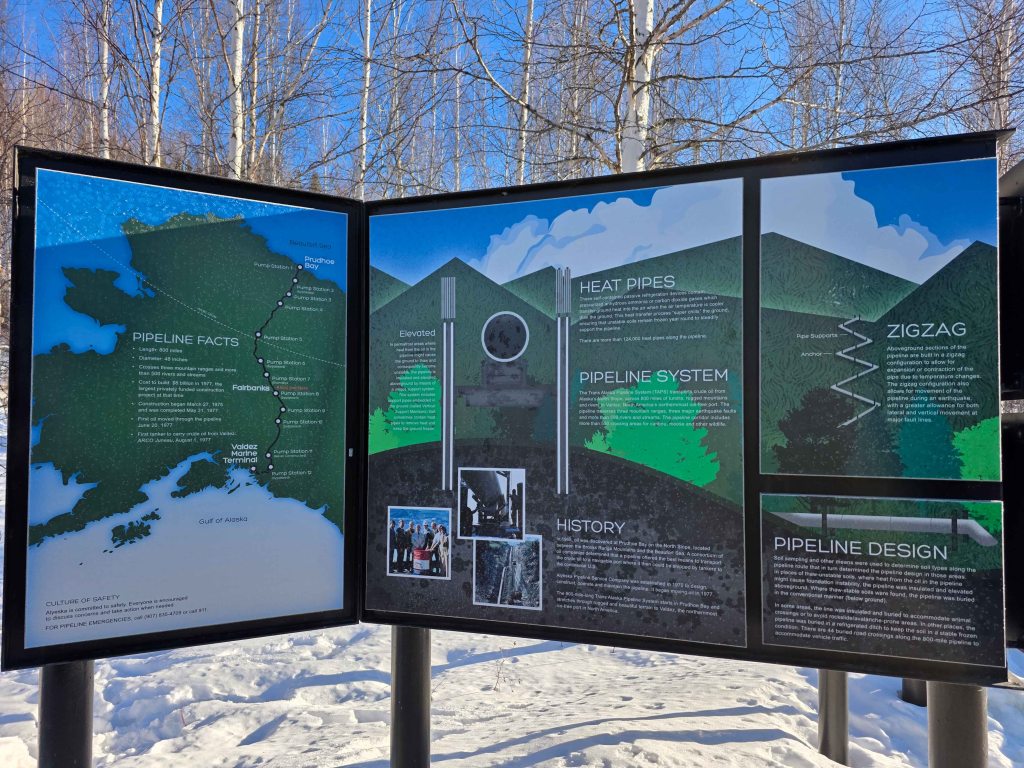
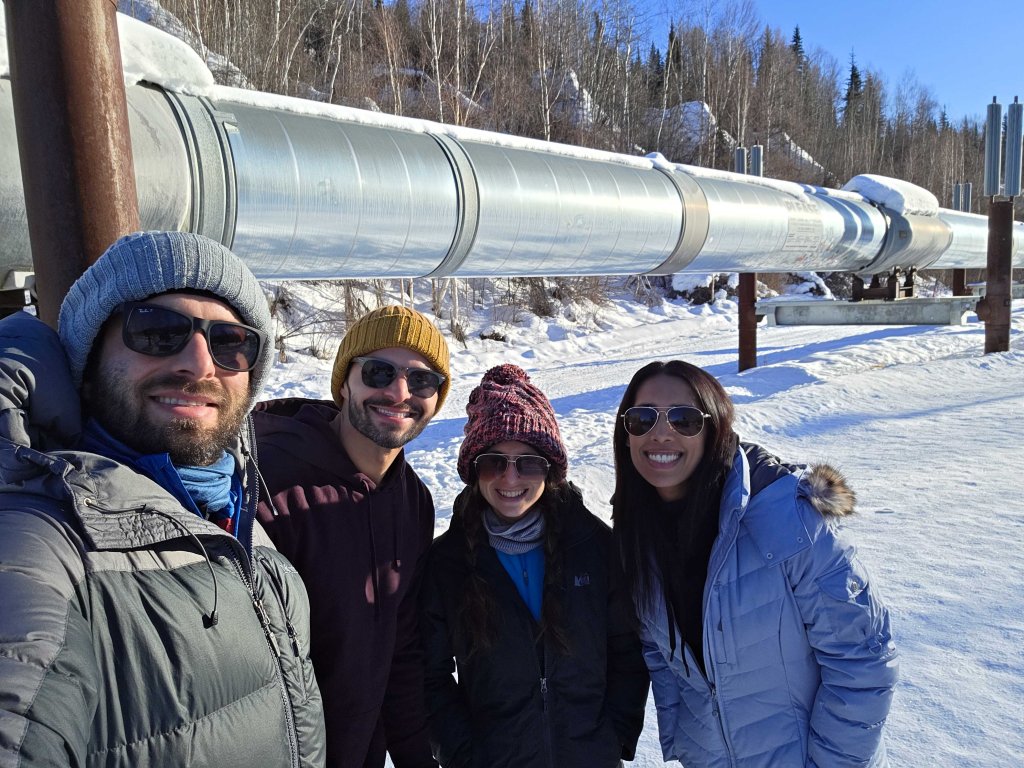
Originally designed to transport 2.1 million barrels per day but now operates at a reduced rate.
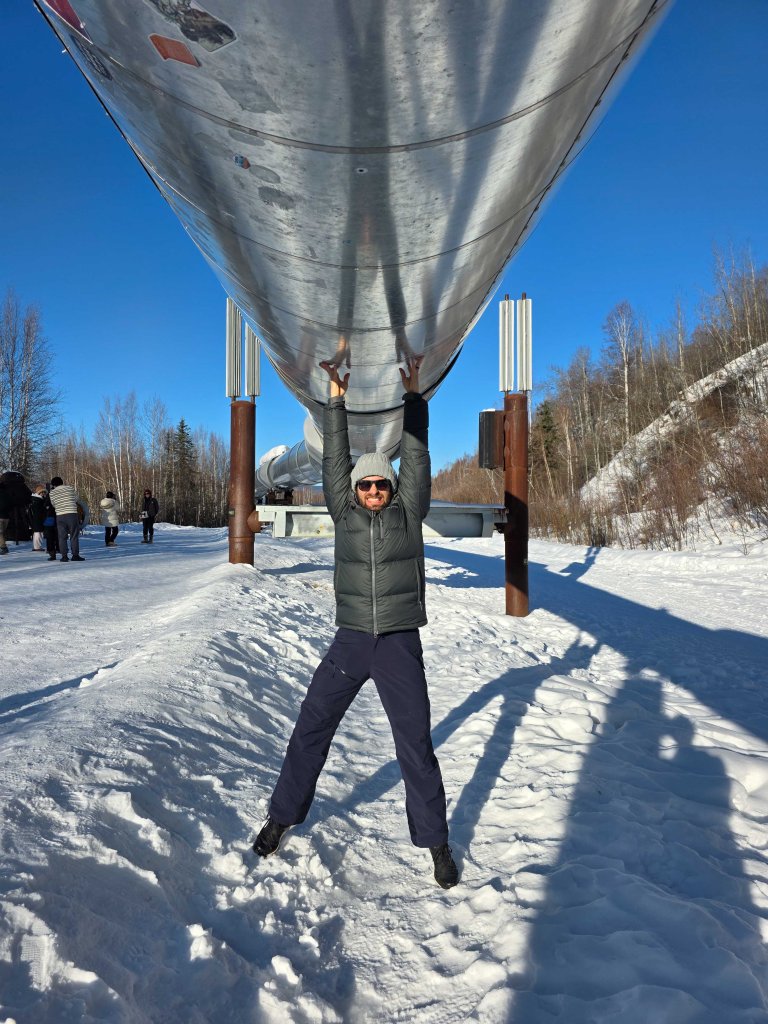
Built over permafrost, mountains, and rivers, requiring innovative engineering solutions like elevated supports to prevent melting the permafrost. Those posts are heat exchangers that help move the heat from the ground.
The pigs are specialized maintenance devices used to clean, inspect, and monitor the pipeline. The name “pig” comes from the squealing sound they make as they move through the pipe.
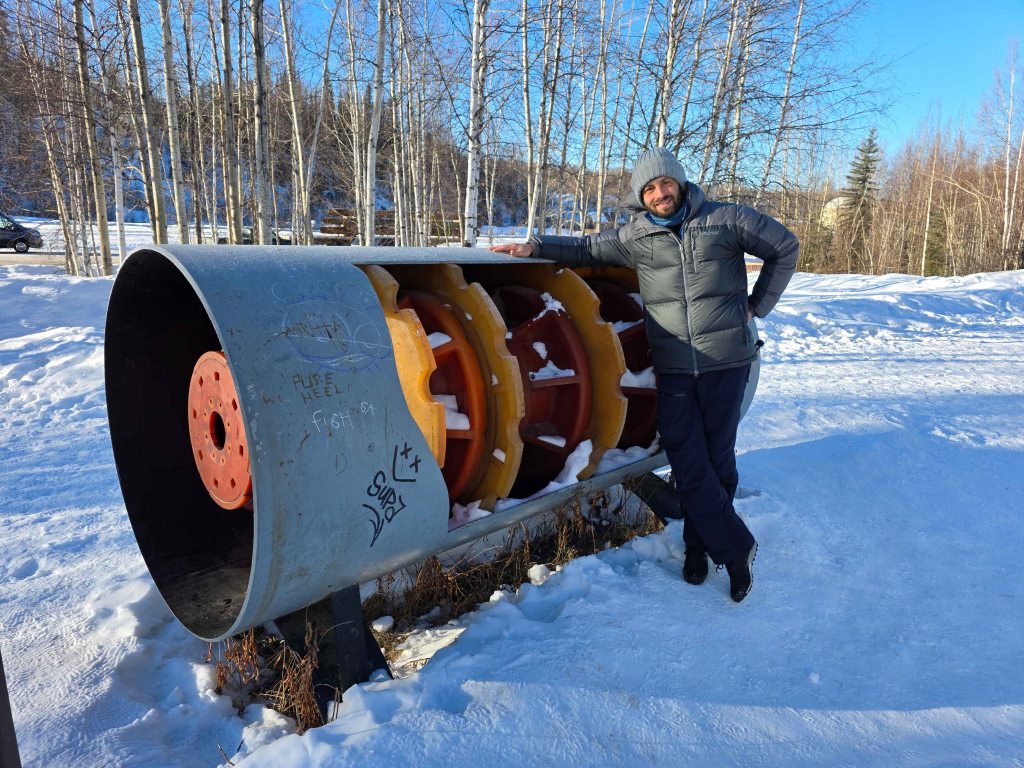
Pigs are inserted at special stations and pushed through the pipeline by the force of the flowing oil.
As they travel, they collect data and clean the pipe before being removed at designated pigging stations.

Regular pigging helps prevent blockages, corrosion, and leaks, ensuring the pipeline remains safe and operational.
While Nadeem and Eitan read every super interesting sign, Sarah and Tania showed a remarkable un-interest and barely looked at the pipe but enjoyed catching up about life as they had not seen each other in awhile. We were back in the car to go to our next stop.
We drove to the east of the city to the place where we would be going dog sledding. The company was called Paws for Adventure, and they were amazing.
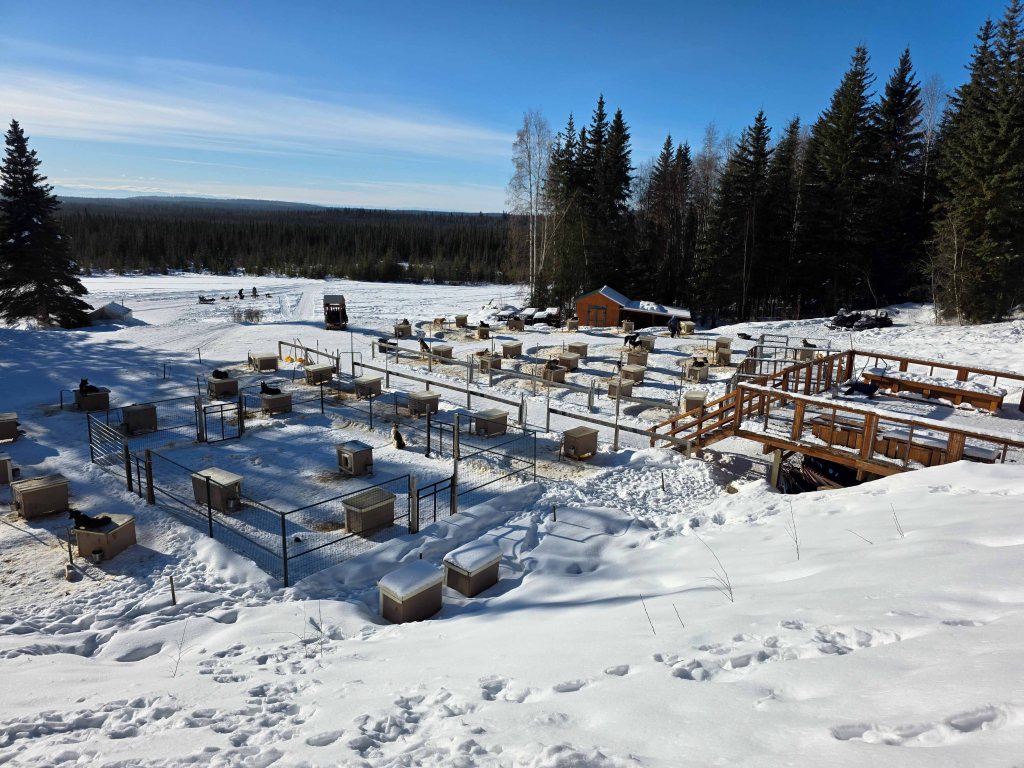
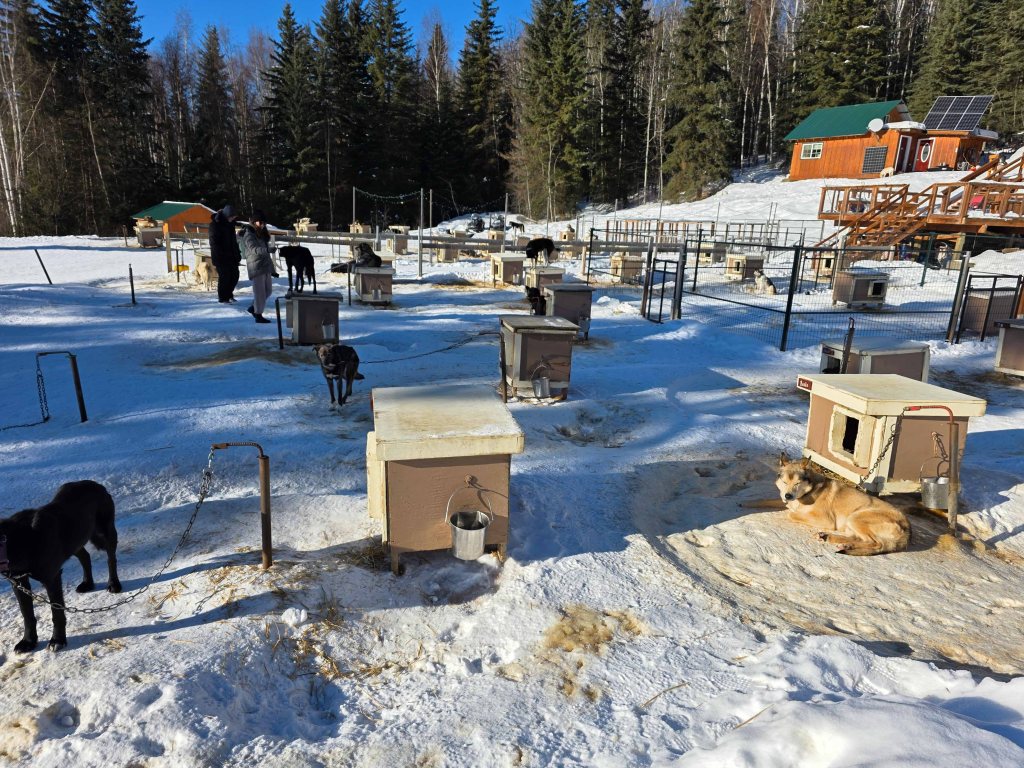
They had a warm hut with cookies and coffee as you wait, but they also allow you to pet all the dogs that they use for sledding.


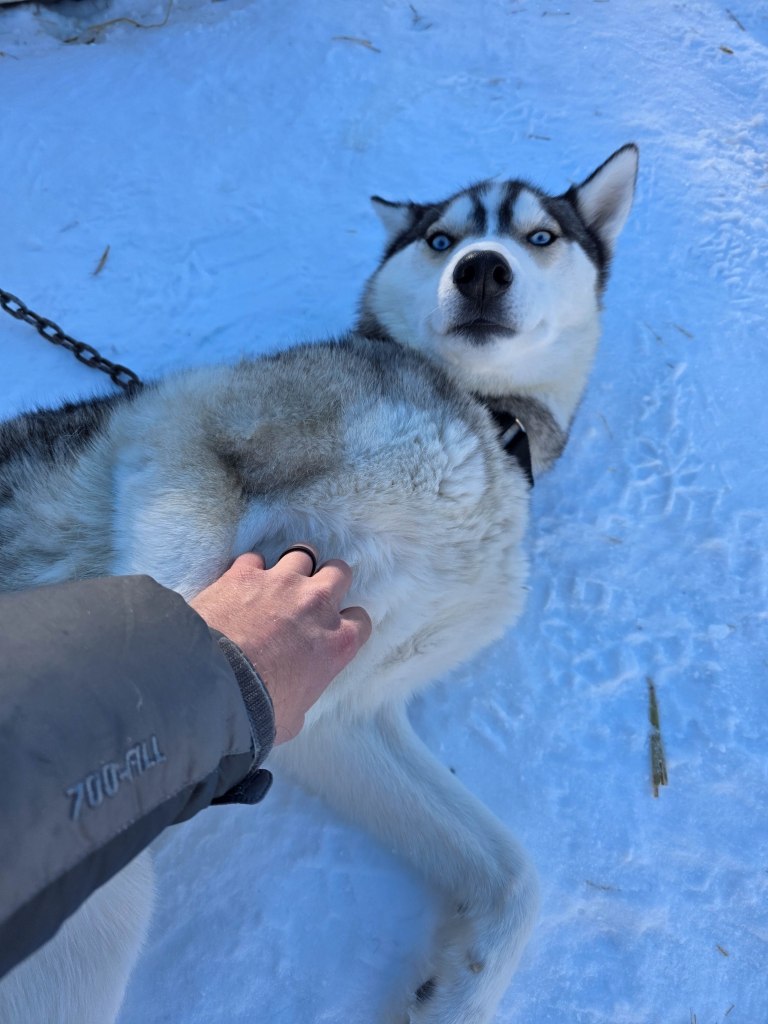
Nadeem and Eitan chose the 1-hour tour, and Tania and Sarah got the 30-minute one. They opted for shorter because if we did have the -30 degrees weather this would have been much less enjoyable. Once they assigned our sleds and musher (sled pilot), we were off to an amazing adventure.
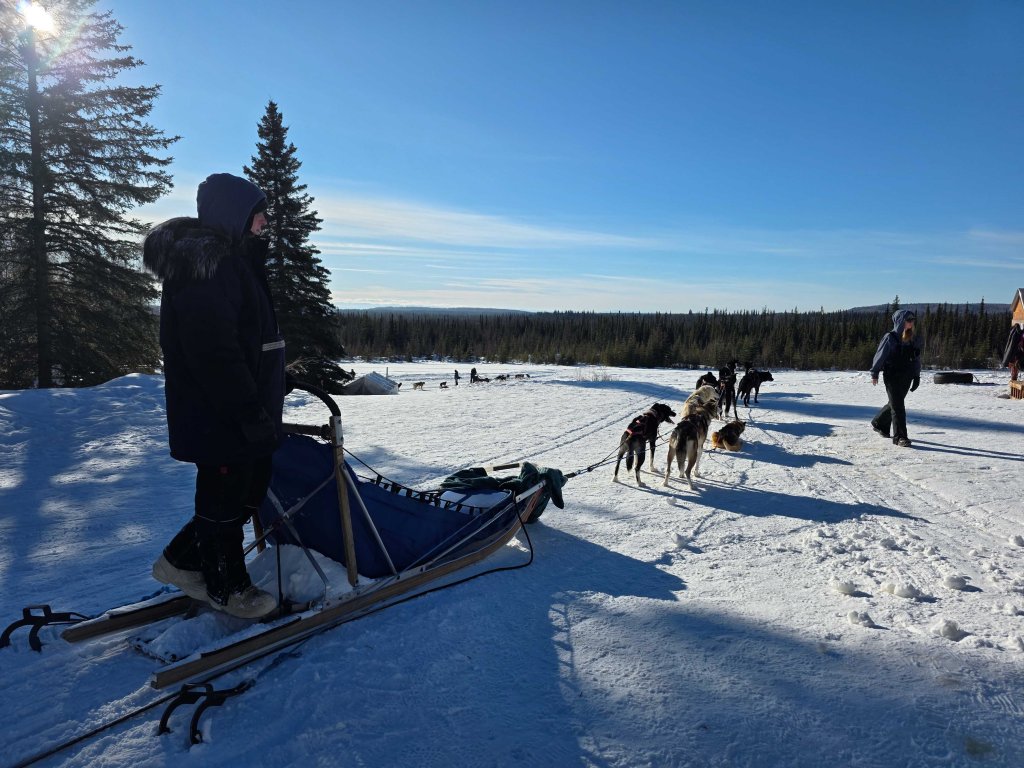

It was beyond fun! Didn’t expect the speed these dogs can pull with this much weight. It seems that we were cruising at about 10 mpg, and we ran a distance of about 9 miles. Mushers use verbal cues like “Hike!” (go), “Gee!” (right), and “Haw!” (left).
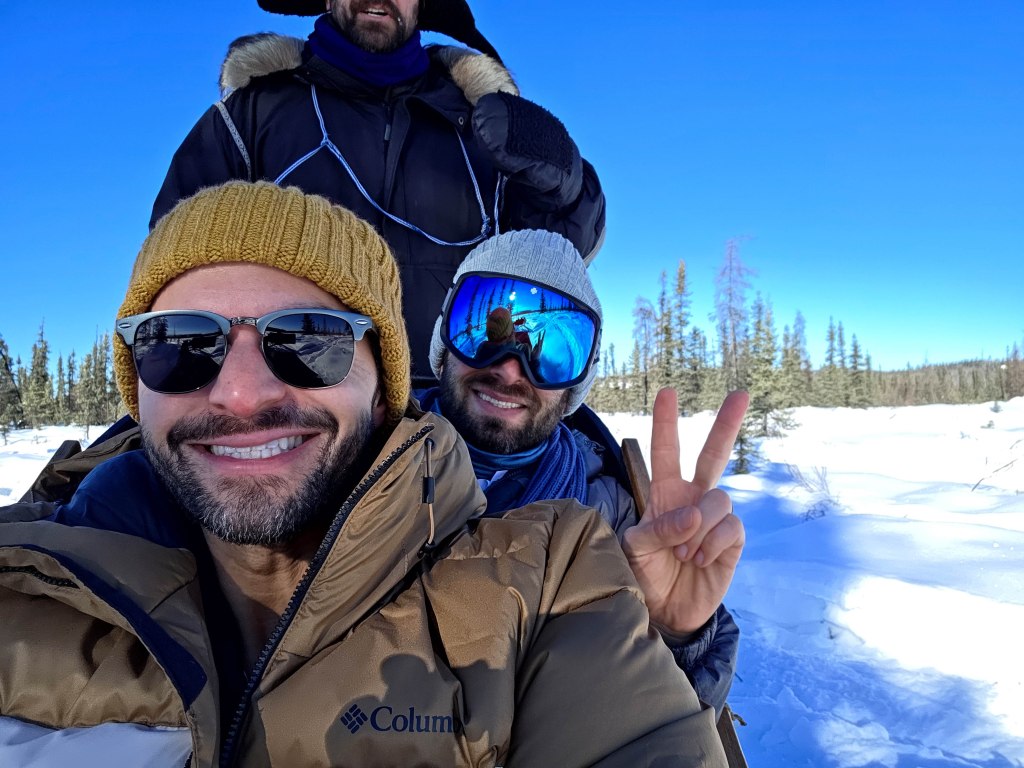
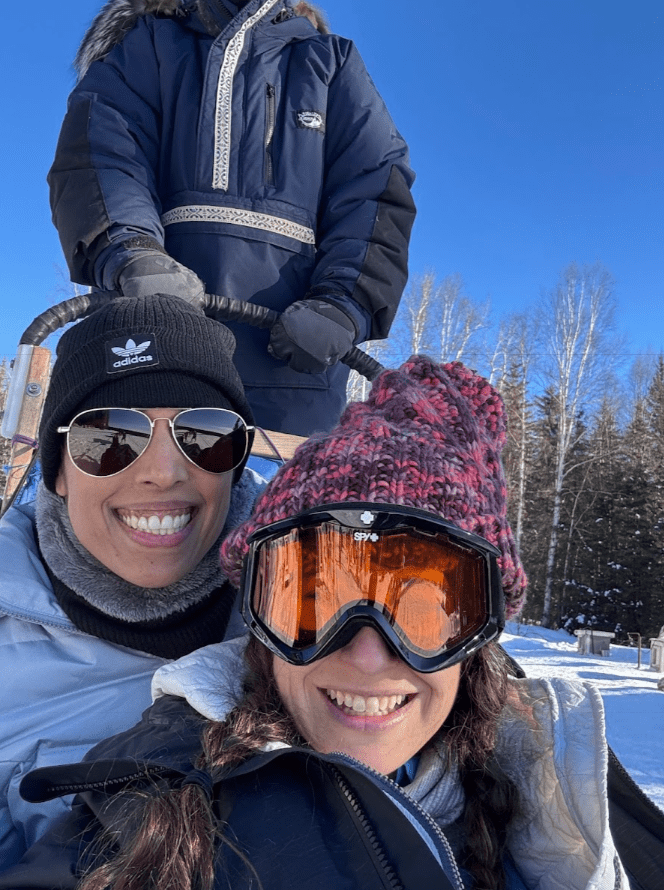
The scenery was beautiful with shiny snow and birch trees.
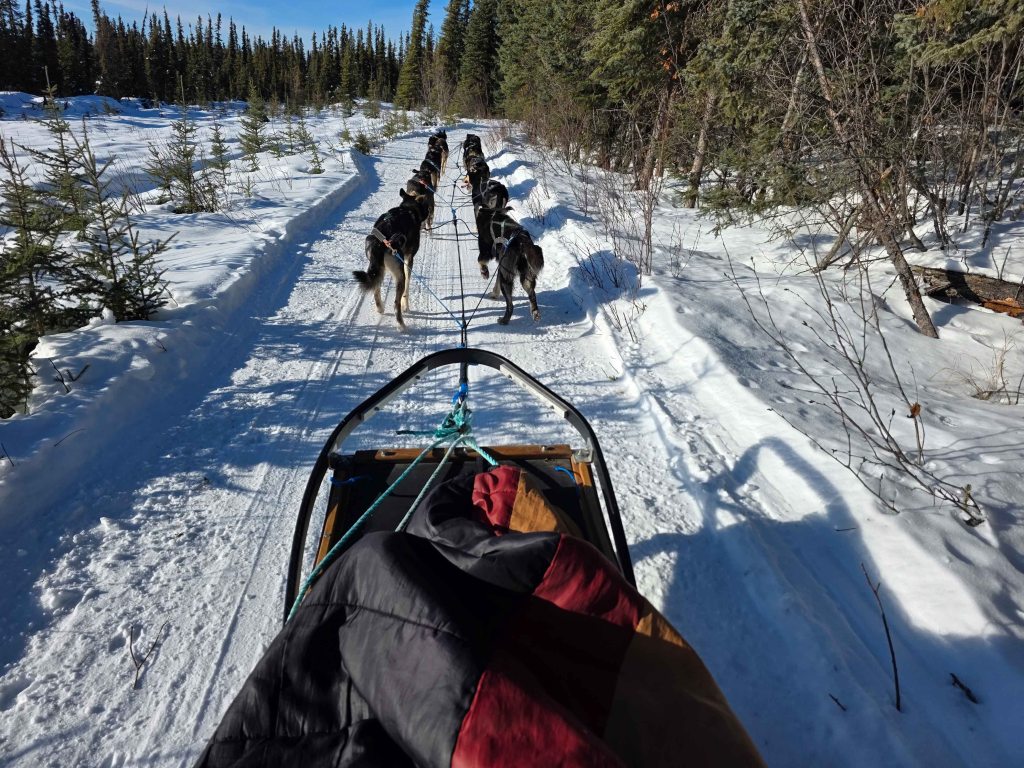
We learned about the mushing tradition and how they train dogs, and every question was answered.
Mushing originated as a practical means of travel in Arctic regions, but has evolved into a competitive and recreational activity.

Dog Team & Sled typically consists of 4–16 dogs led by a musher. We had 10 dogs pulling our sleds.
Siberian Huskies and Alaskan Malamutes were traditional sled dogs, but modern racers often use Alaskan Huskies for their speed and endurance.
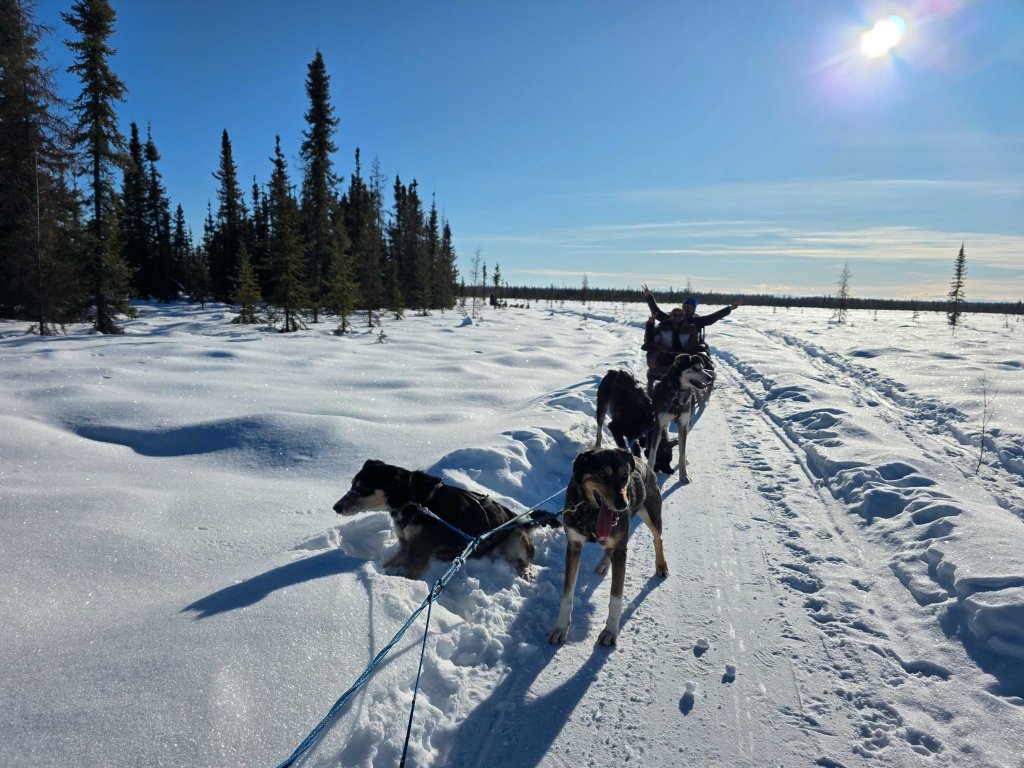
The dogs get a few rest days between tours, so PETA doesn’t come knock on their door.
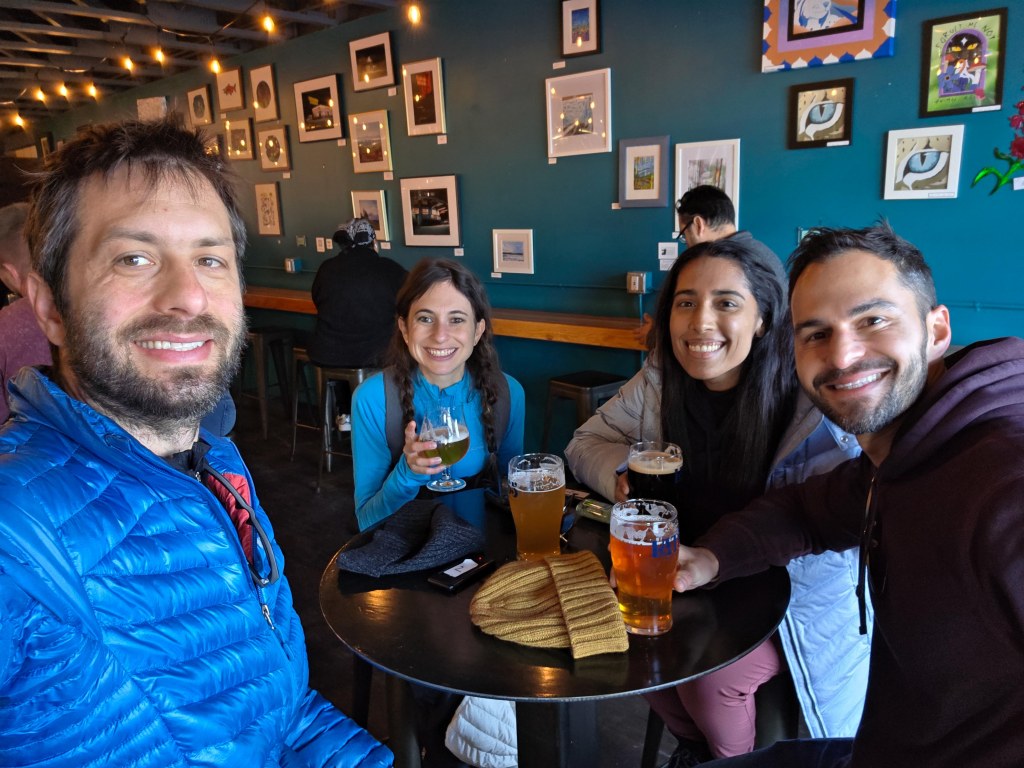
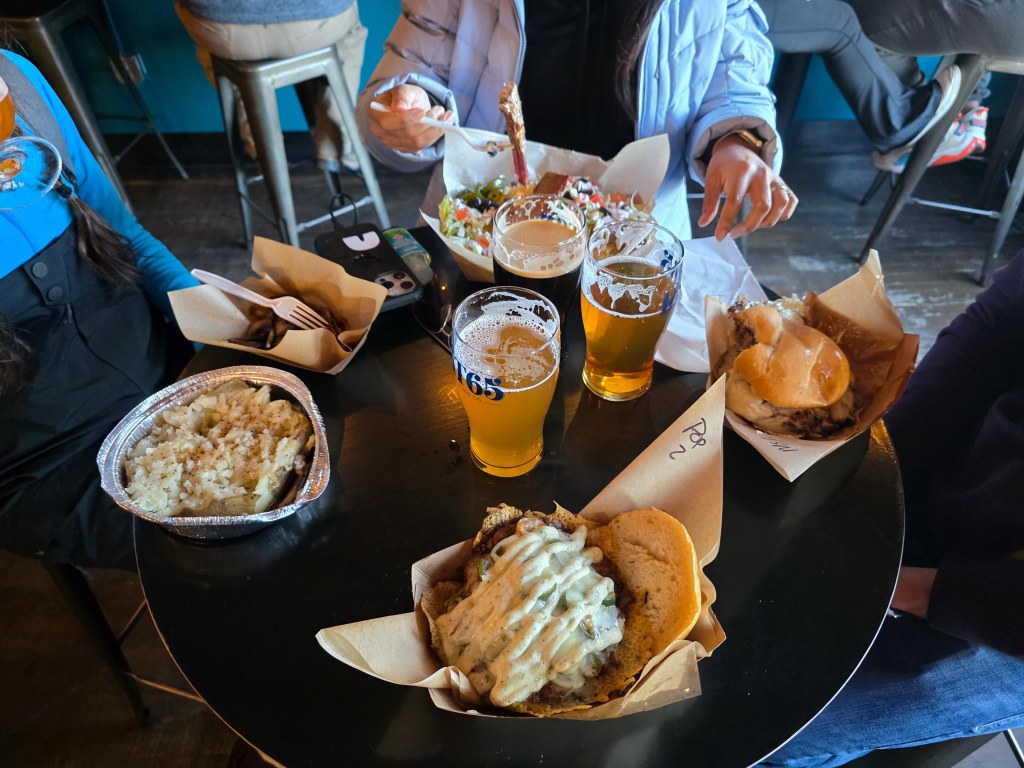
We stopped at the Latitude 65 brewery to get something to eat and a couple of beers. They had a superb, smashed burger and great beer. Overall, beer in Fairbanks was great.
We stopped at the supermarket for some snacks and to see how expensive things could get in Alaska. The market was massive, and they had all the products we can find at lower latitudes.

We returned to the hotel to prepare for the Aurora chasing tour. We were on standby as our guide would let us know, based on the Aurora forecasts, when to be picked up. Unfortunately, the Aurora forecast looked bad for tonight.
We finally got picked up around 9pm and started the drive to the outskirts of Fairbanks to a dark location. We were lucky that the sky was clear, so we did not have to drive that far. On a cloudy day, the Aurora chasing tour will drive many hours to find a clear spot in the sky. The night sky was absolutely stunning, we could see all the constellations.
We drove around 1 hour to the middle of the forest, and luckily we were the only ones there. Our guide, Maia, offered to keep the car running if we were cold. But it was relatively speaking, pleasant outside.
Immediately when we arrived, the Aurora was visible, but as a faint band across the sky. What most people don’t know is a faint Aurora does not look like the photos online, you cannot see the bright green colors simply because our eyes cannot absorb as much light as a camera lens. Still, the Aurora is very visible and does look green.

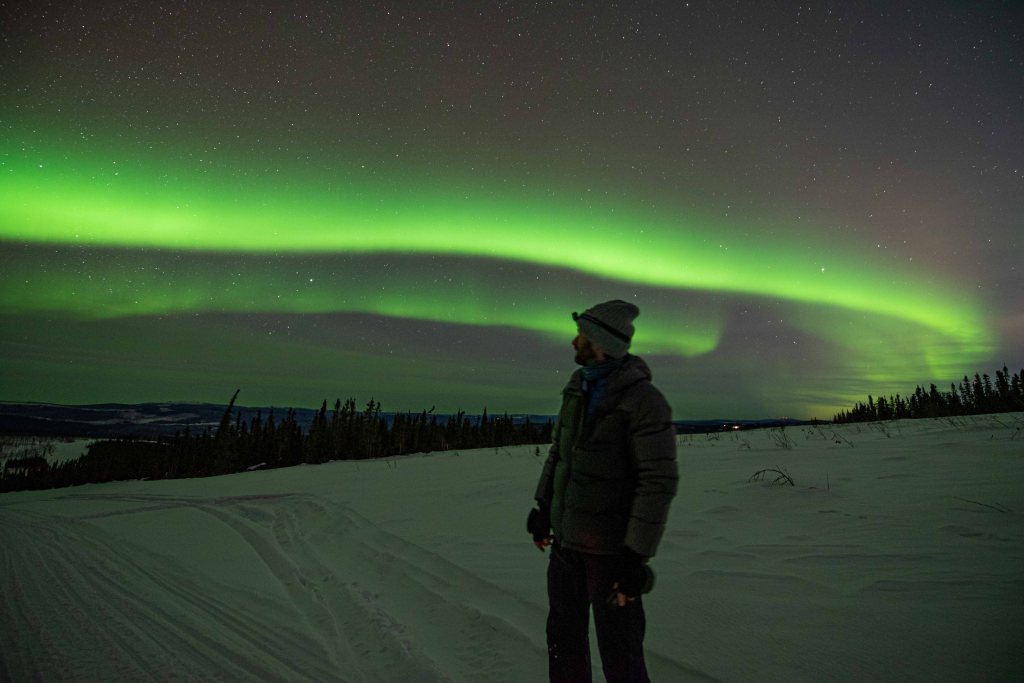
For a couple hours, the bands forms, move south, dance a little and disappear. This was already way better than how we saw them last night at the hotel.

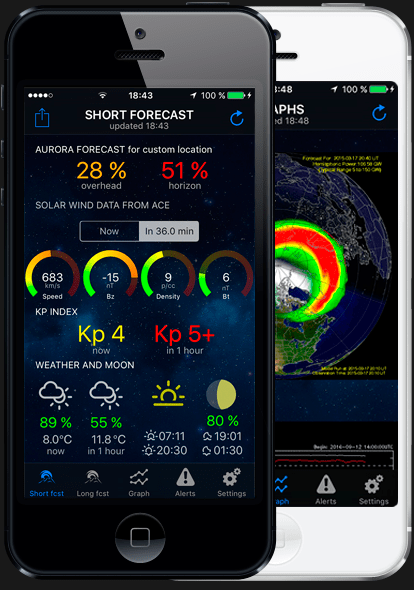
Maia kept monitoring the Aurora apps to see if we should wait or call it a night. Usually it is possible to monitor a few predictive conditions:
Kp Index: This index measures the level of geomagnetic activity, which is a key factor in determining the visibility and intensity of auroras. Higher Kp values indicate stronger geomagnetic activity and a greater chance of seeing auroras at lower latitudes. While we were planning this trip we were hyper-focused on this number, and it was about 1 or 2 for tonight. But according to our expert guide, this number does not really matter in Fairbanks. It does matter when you want to see the Auroras at lower latitudes.
Bz Value: This measures the direction of the interplanetary magnetic field (IMF) when it reaches Earth. A negative Bz value can lead to stronger auroral activity. According to our guide, this is the most important value. And at the beginning of the night we were at positive numbers (not good).
Solar Wind and Coronal Mass Ejections (CMEs): Researchers monitor the solar wind and CMEs, which can impact Earth’s magnetosphere and trigger auroral activity. A higher solar speed wind is better, and we did have really good speed.
Solar Coronal Holes (Density): These are regions on the sun with lower density plasma, which can release solar wind that can lead to auroras. We had low density forecast (not good).
We spent hours asking our expert guide about the Auroras and she was extremely knowlegable. She kept saying: “keep an eye on those 2 bands, if they join we might see a substorm”. We did not know what that really meant at that time, but basically when the sky is supercharged it can release all the energy at once creating a substorm, or can release the energy slowly basically dissipating the aurora which is not ideal for viewing.
For the next few minutes we were waiting anxiously, and Maia said to us to keep our phones ready to call the girls, who were warming up in the car. But still, we did not have our hopes up.
And suddenly, the guide shouts “look above, they are dancing!!” and OMG when we turned around to see a substorm forming. The Aurora show was about to begin and Eitan squealed from excitement!


This is the video the guide took of the Aurora Dancing!
After that spectacular nature show that lasted about 5 minutes, we were all in awe. The trip was worth it just because of this moment.
Once a substorm like this happens, another one does not usually form until another 2-3 hours, but by then the sunrise would be happening so after spending about an hour more just enjoying the view, we started to pack up to go back to our hotel. But not before Eitan stayed a little more outside alone to take a few pictures and take it all in.
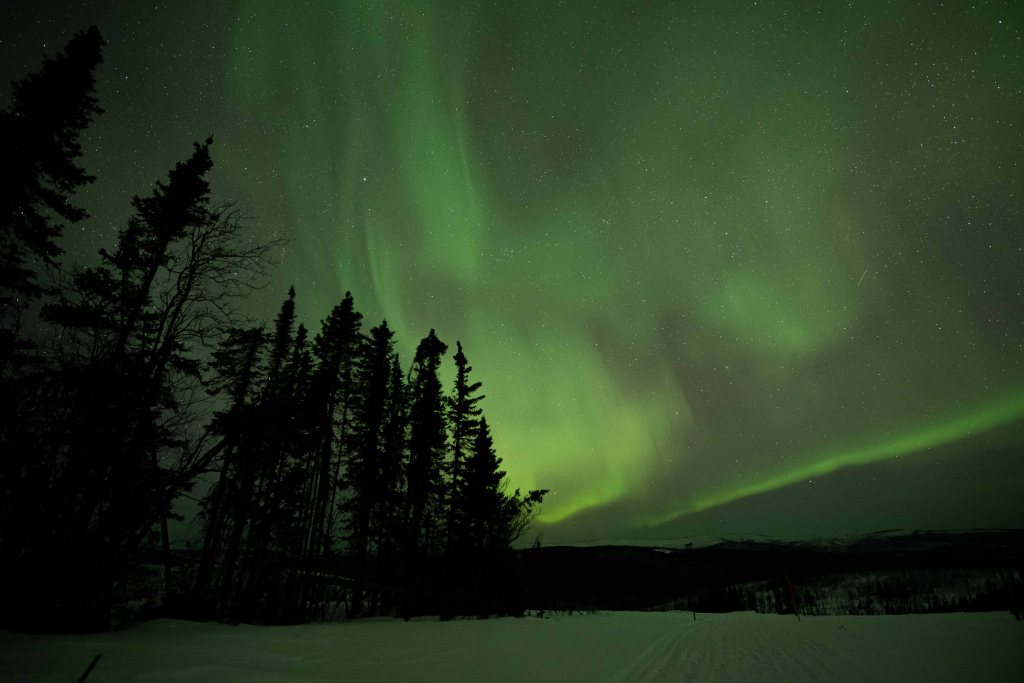
Bonus Pic of The Day:
The world-famous Iditarod race was happening this week, and you can see advertisements of it everywhere, beer glasses at the bar, billboards, magazines, etc..
It is one of the most significant sports events in Alaska! stay tuned for the race blog post.


 WHERE IS NOODLE