Our next adventure was divided into 2 parts, a four days with the Wolfs for lots of fun and relaxing in Puerto Vallarta, and then just us three for a trip to Oaxaca at the end. We spent 4 full days in the state of Oaxaca, making Oaxaca City our base to explore the surrounding areas.
We arrived late the first night from Puerto Vallarta, with a layover at the new Mexico City Airport. This airport was a political disaster for Mexico, and it really shows. Even after being completed in 2022, it remains fairly empty.

The airport was great for Ariela has it had a lot of nice kids play areas and we got to relax and eat at the lounge.

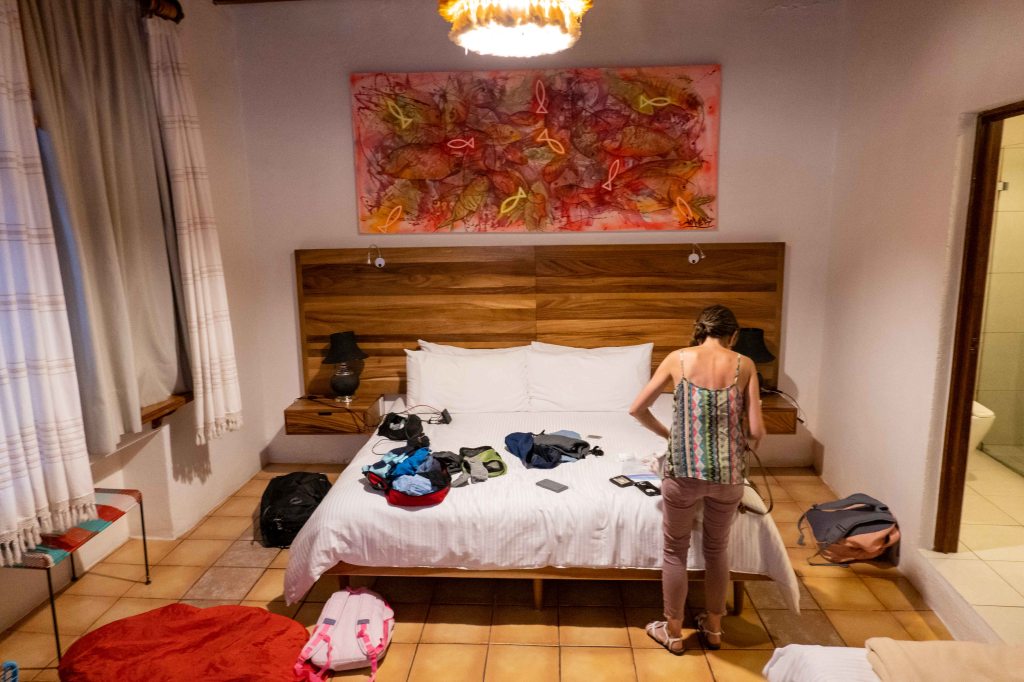
We took a taxi to our hotel in the Centro (Downtown) area. The room was big and clean, we took a few minutes to unpack and relax from the day of flying. The hotel received us with welcome gifts, some handmade soaps, and drinks.

When we started to plan what restaurants to eat during our trip, we noticed that the famous ones were already booked. We kind of freaked out as we did not expect that we needed reservations weeks in advance for these places, but we were wrong. Eitan took a leap of faith and ran to one of the recommended restaurants to see if we could get in, and luckily he was able to put our name down with a wait for 1.5 hours.
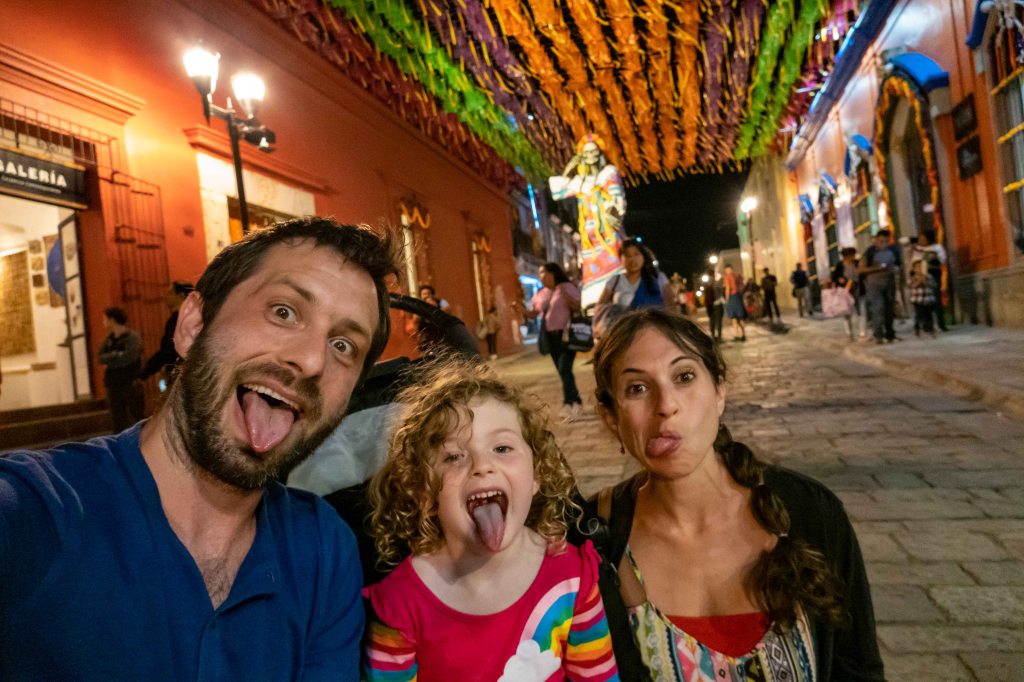
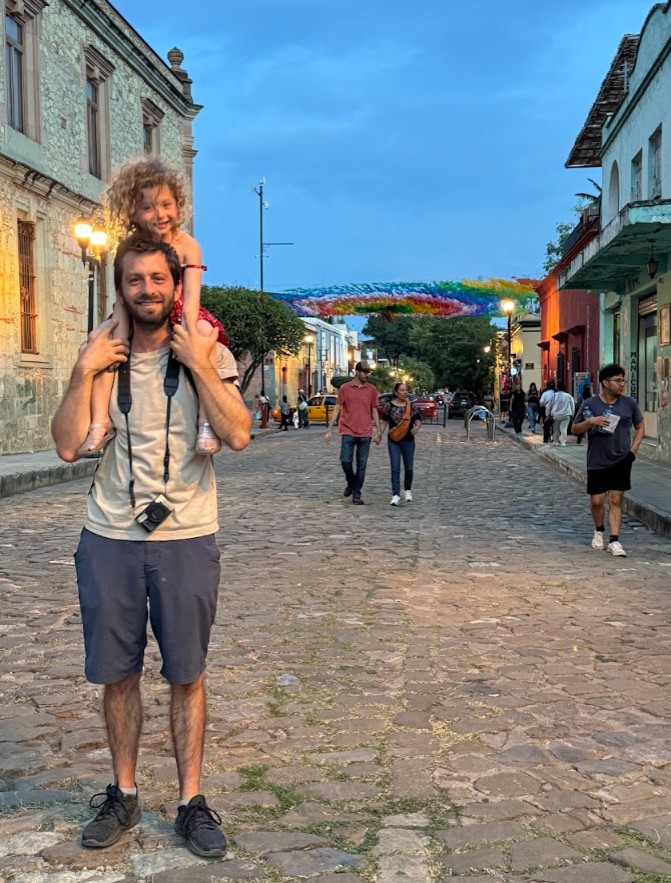
Eitan came back to pick up Ariela and Sarah and we started the walk together towards the restaurant while enjoying the beautiful and colorful streets of Oaxaca.
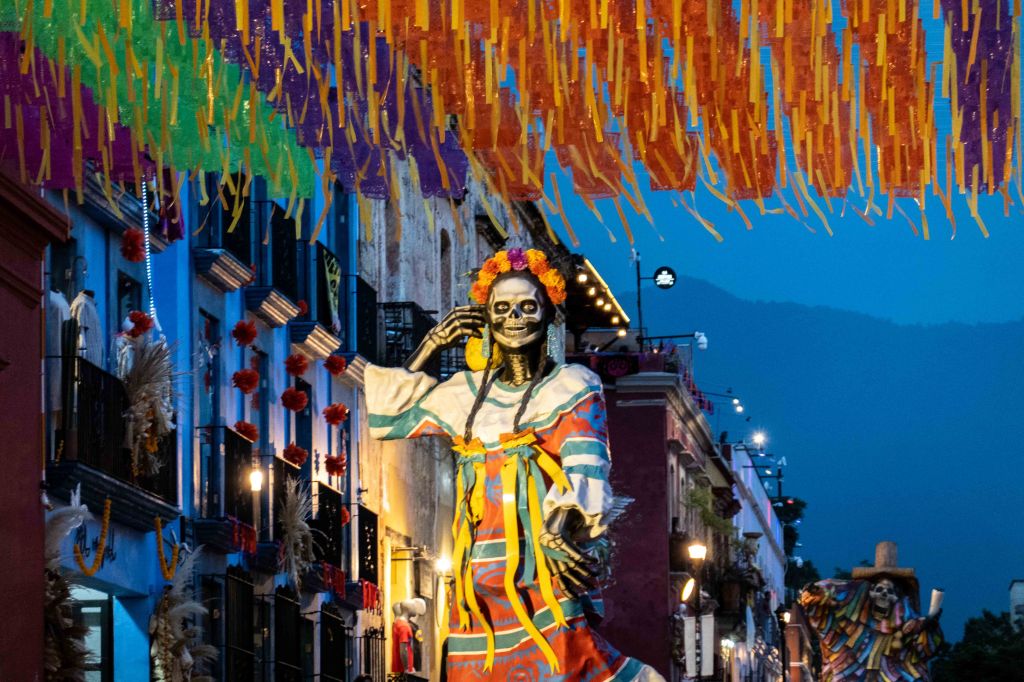
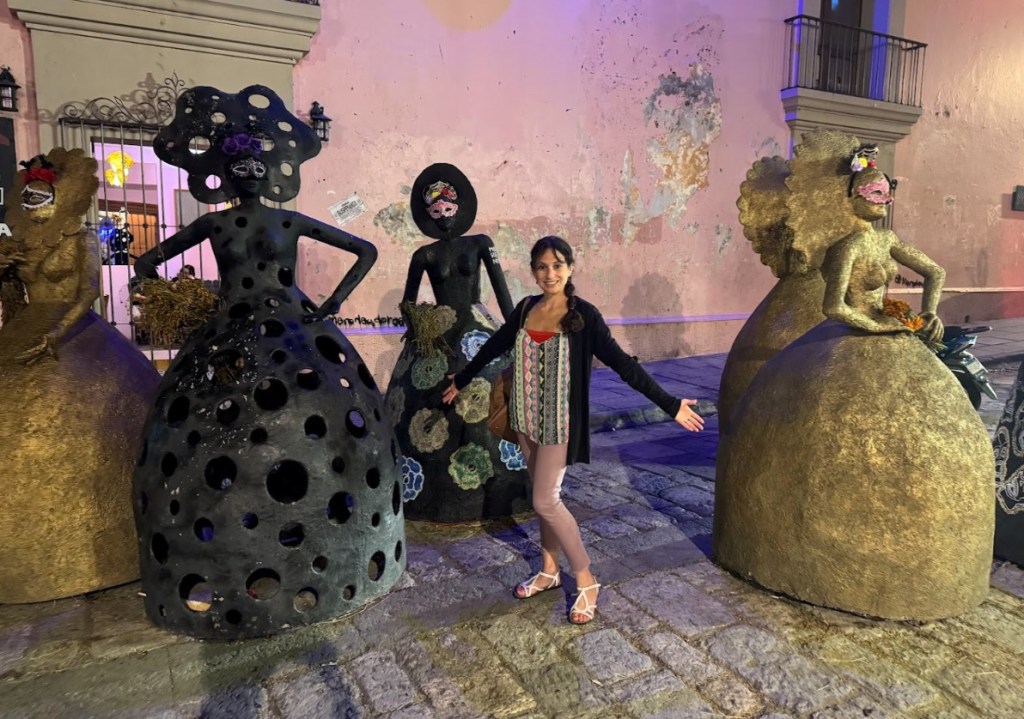
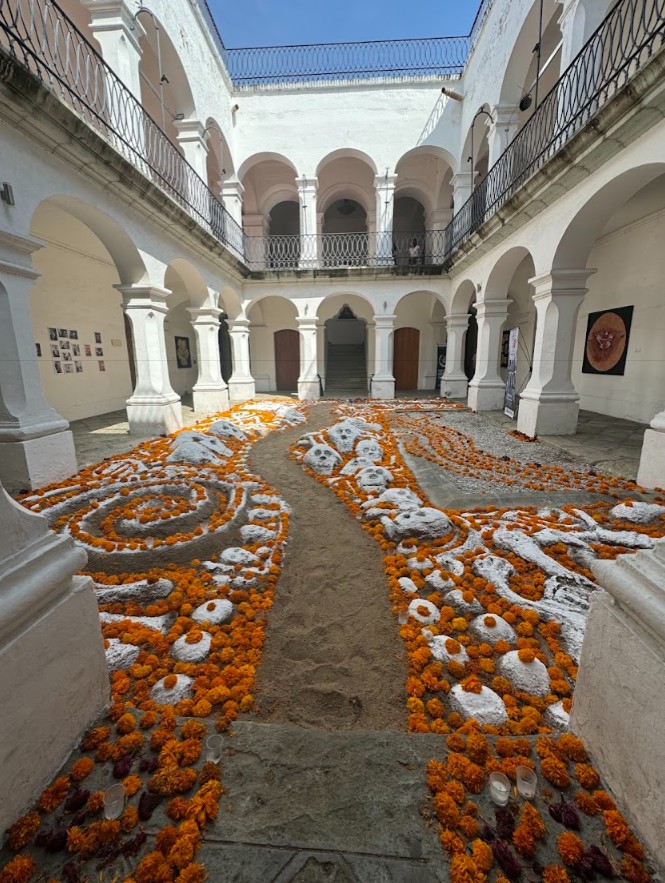
The timing of this trip was great as we were there a couple days after dia de los Muertos Celebration. The multi-day holiday involves family and friends gathering to pay respects and remember friends and family members who have died. These celebrations can take a humorous tone, as celebrants remember amusing events and anecdotes about the departed.
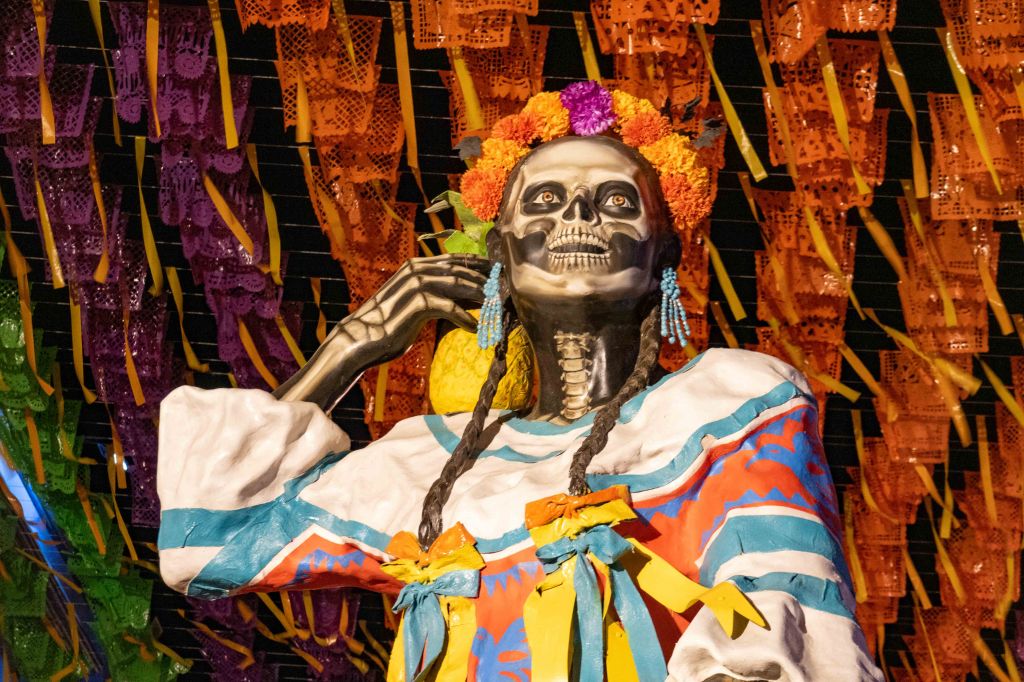
Traditions connected with the holiday include honoring the deceased using calaveras and marigold flowers known as cempazúchitl, building home altars called ofrendas with the favorite foods and beverages of the departed, and visiting graves with these items as gifts for the deceased.[9] The celebration is not solely focused on the dead, as it is also common to give gifts to friends such as candy sugar skulls, to share traditional pan de muerto with family and friends, and to write light-hearted and often irreverent verses in the form of mock epitaphs dedicated to living friends and acquaintances, a literary form known as calaveras literarias.

Luckily for us, they usually leave the decorations for a couple more weeks, so we were able to enjoy this celebration without all the crowds and it was a nice distraction as we did arrive to Oaxaca on election day..
The restaurant called “Levadura de Olla” was superb. Absolute deliciousness of authentic Oaxacan cusine.
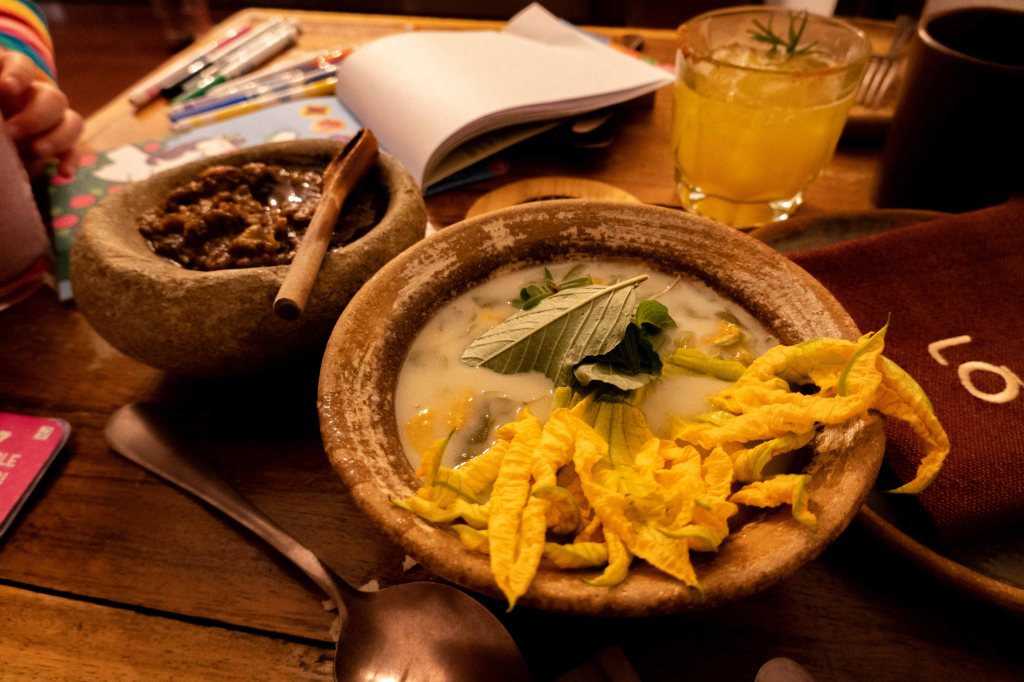
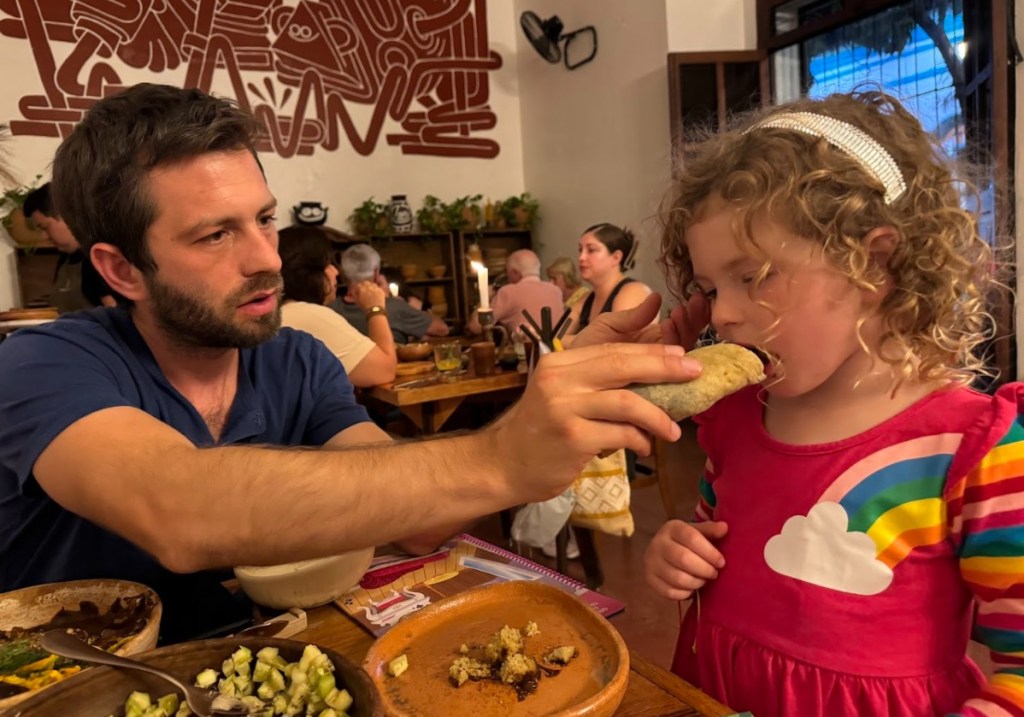
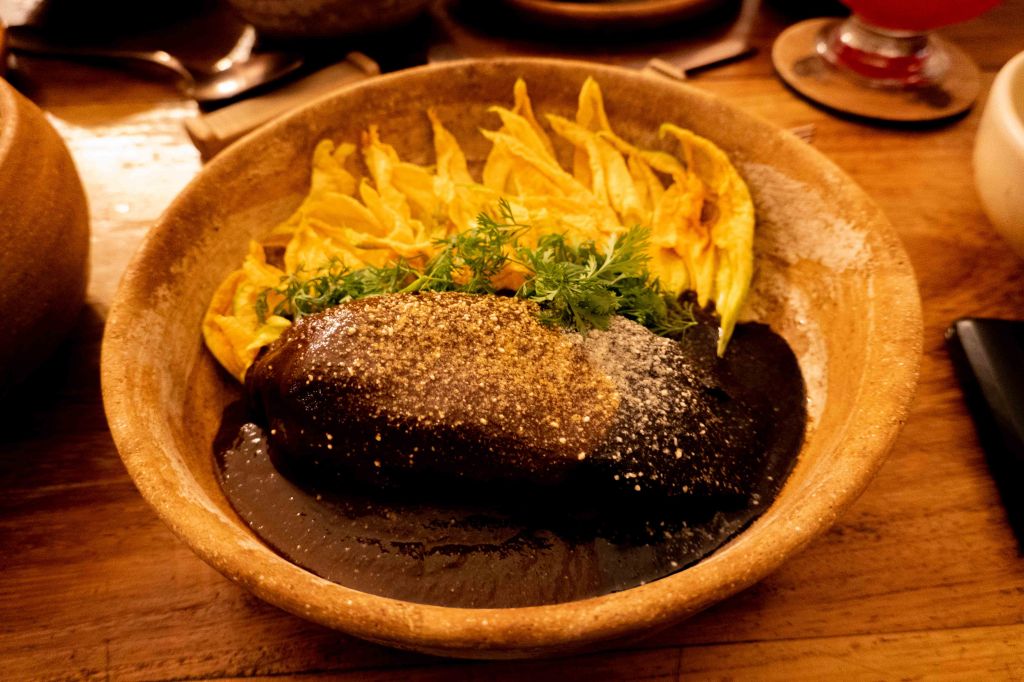
We got a soup of wild herbs and flor de calabaza (Zuccini flower), a local cheese tamal with 2 different moles (black and red). We also ordered a delicious zucchini and white mole dish that was to die for. We also got some amazing Mezcal drinks.
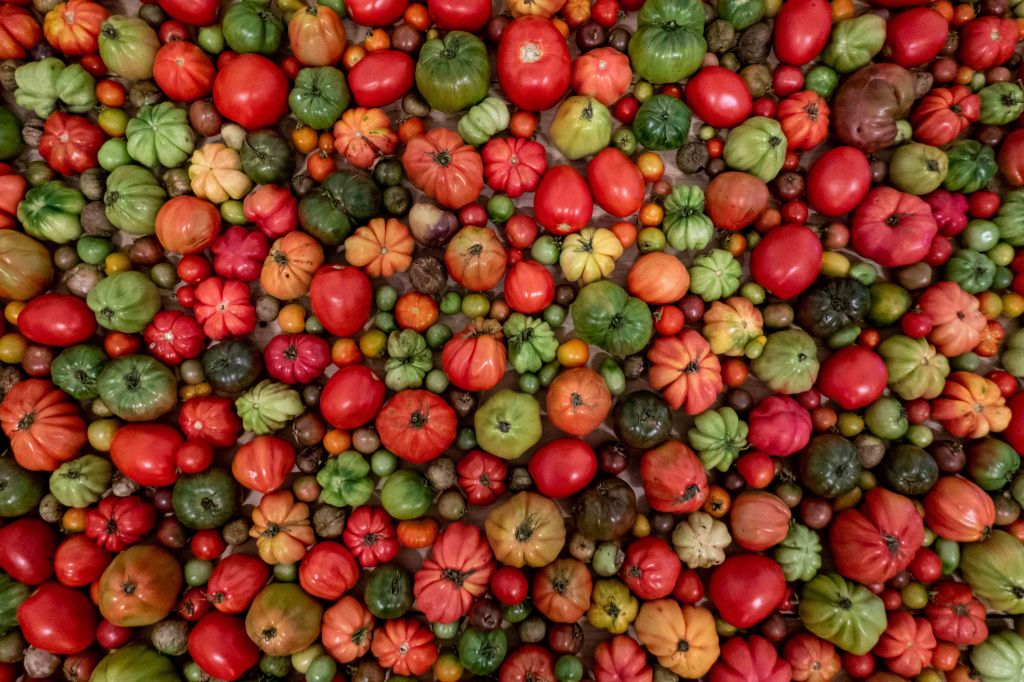
The restaurant was very cozy and the service was superb. They had a nice table display of the different tomatoes they use to cook the dishes.
The bar.

Oaxaca is very safe, even during the night. So there was no issues walking around the markets while we digested our food. Almost every street has a little pop-up market with local handcrafts.


Mexico is a very Catholic country, and most cities will have Spanish-style cathedrals. In this case, the Templo de Santo Domingo de Guzmán has a Spanish Barroque Style arquitecture.
We went straight to bed knowing that we will be back the next morning to visit.

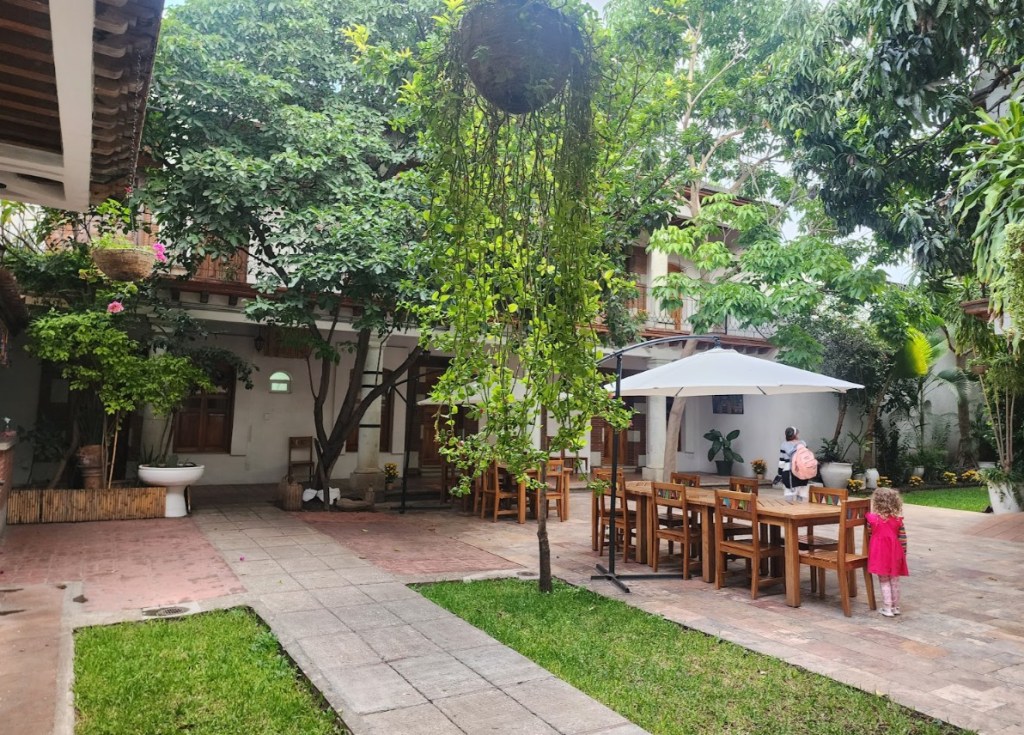
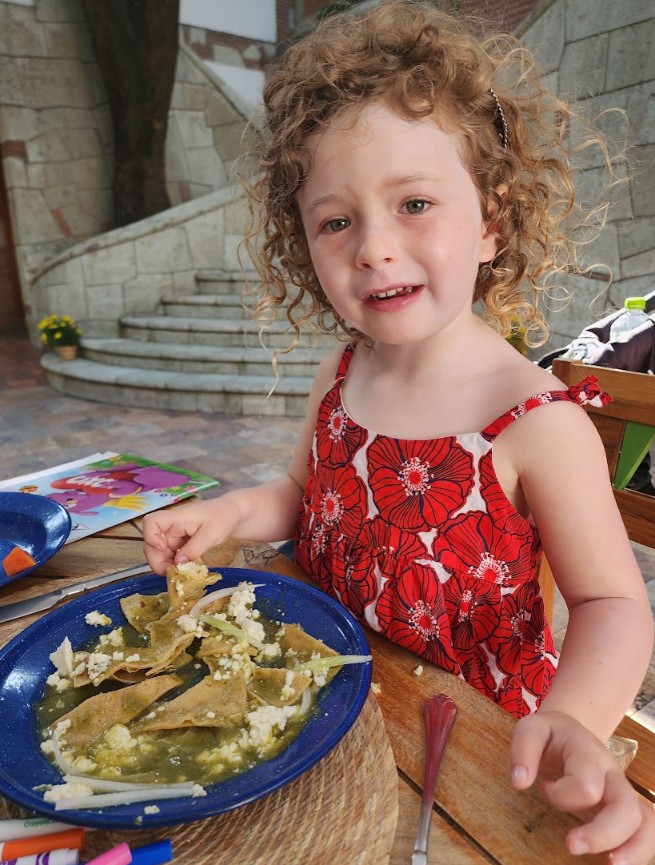
We got some delicious breakfast at the hotel. Ariela enjoyed her Chilaquiles.
After breakfast, we walked towards the Cathedral again. The first construction projects for the building date back to 1551, when the Antequera de Oaxaca’s City Council ceded a total of twenty-four lots to the Dominican Order for the construction of a convent in the city. However, it was not until 1608 that the conventual complex of Santo Domingo was inaugurated, still unfinished.

Throughout its history, the Convent of Santo Domingo has been the scene of several important events in the history of Mexico: it was converted into a military warehouse, a stable, closed to Catholic worship in times of Jacobin secularism of the governments emanating from the Reform War, and then returned again to the Church by agreement of Porfirio Díaz.
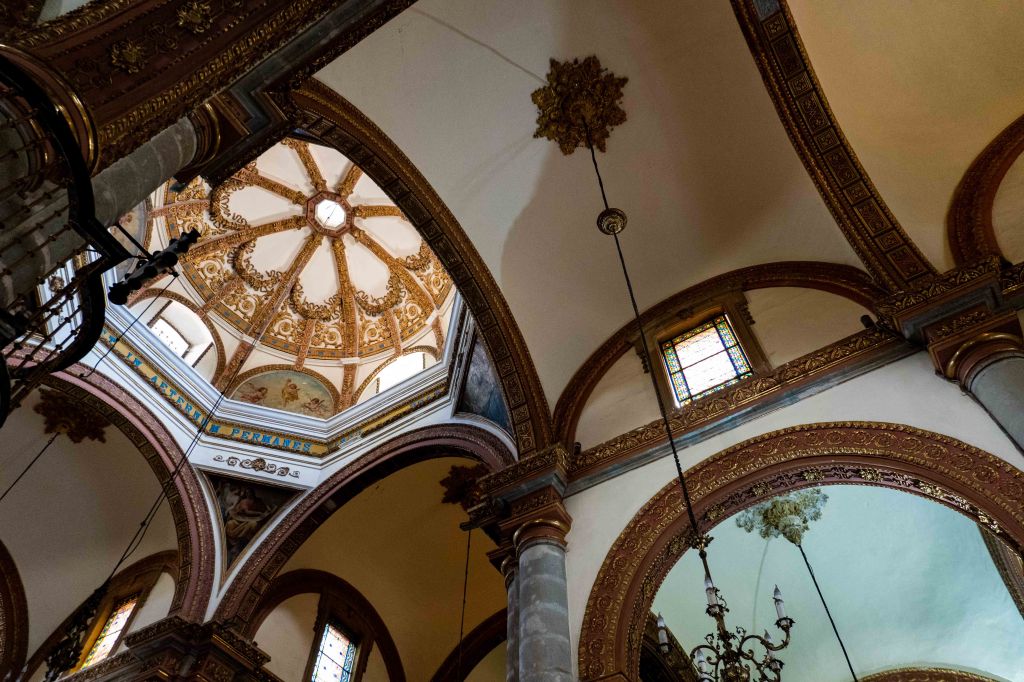
In 1979 it received the visit of the Catholic pontiff John Paul II, and was later declared —along with the entire Historic Center of Oaxaca— a World Heritage Site by UNESCO.
We continued the tradition of telling Ariela that these are princess castles! I think she is starting to wonder why there are bloody men hanging from the walls in a princess castle.
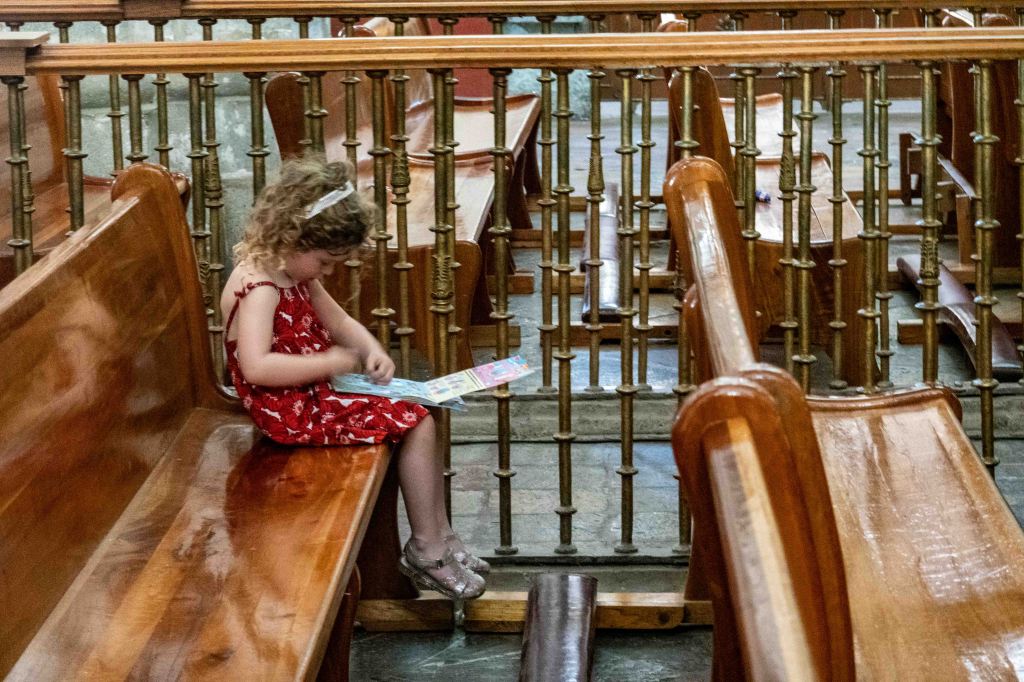
We found an amazing candy store that was so full of candy you couldn’t even walk around some of the aisles. Paradise!

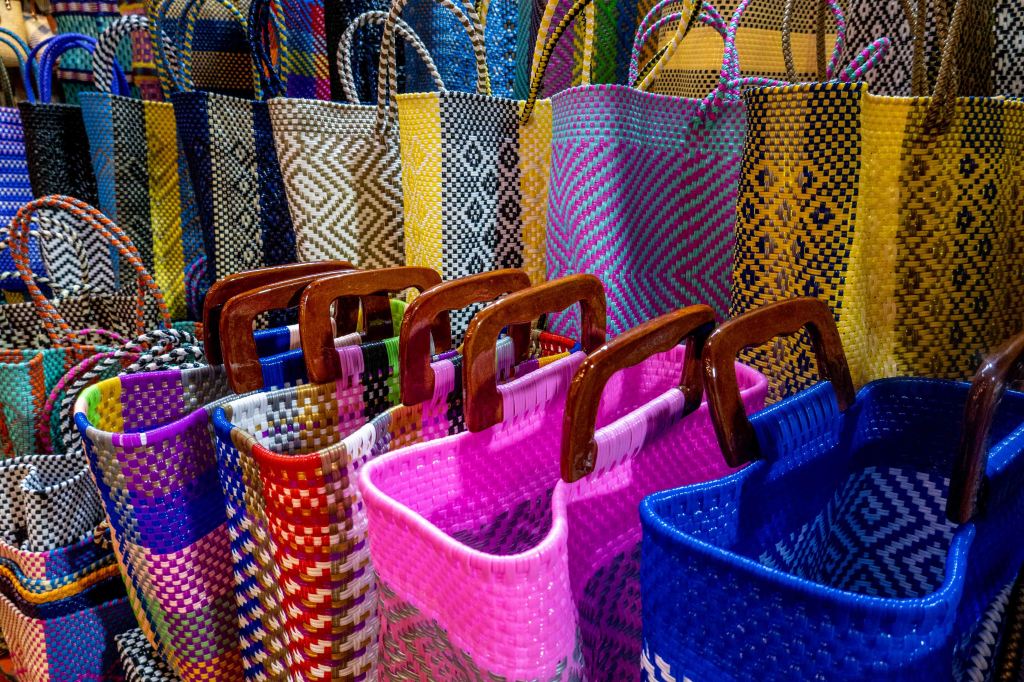
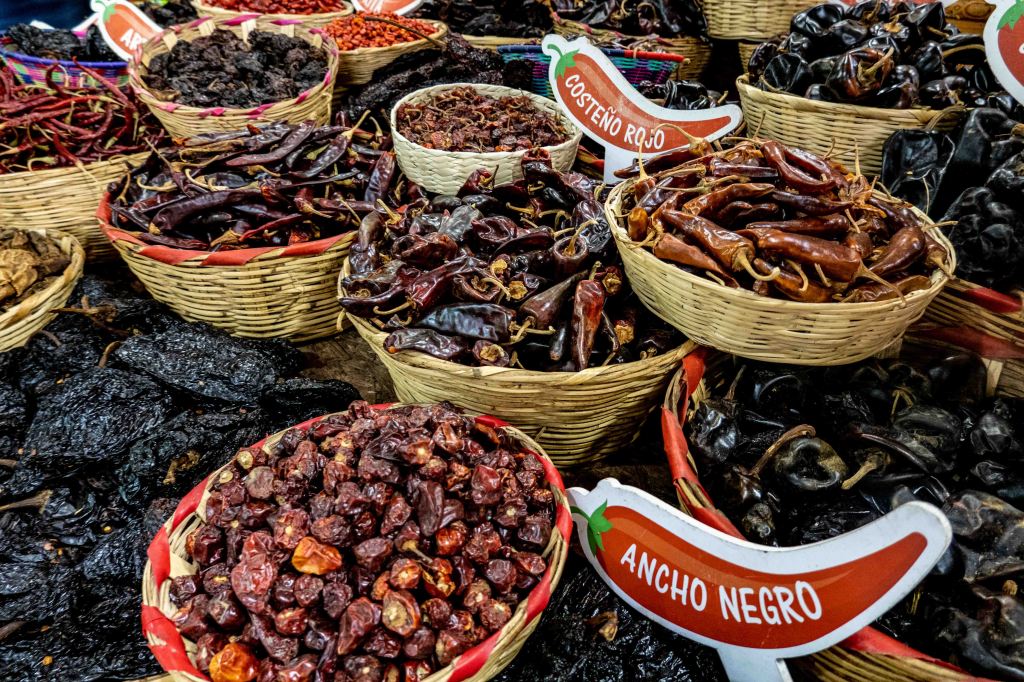
The next stop was the Benito Juarez Market. This market is a vibrant covered marketplace with vendors selling produce, prepared foods, crafts & textiles.
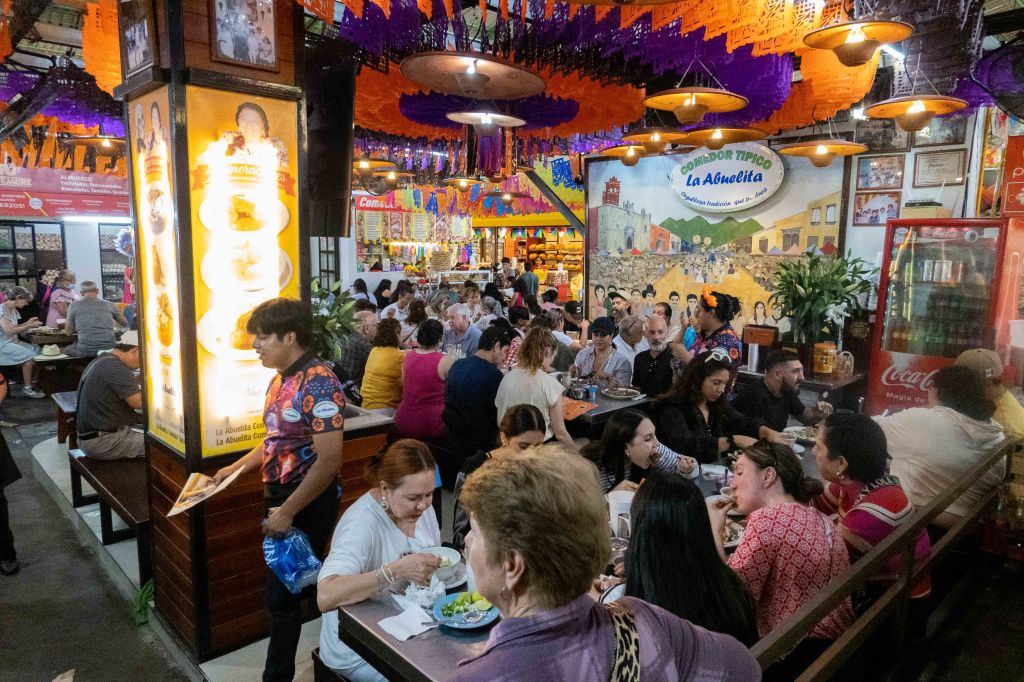
The food halls looked incredible, but Sarah was not that brave. Maybe this is a good thing.
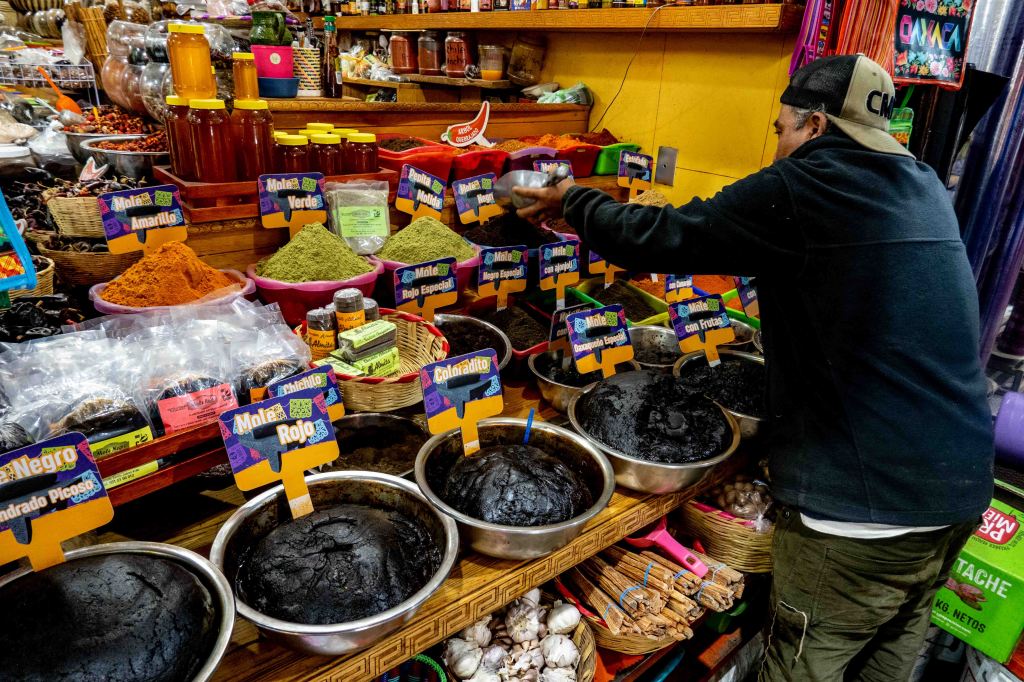
One of the main foods sold here is of course Mole. From the Nahuatl language mōlli, meaning ‘sauce’, is a traditional sauce and marinade originally used in Mexican cuisine. In contemporary Mexico the term is used for a number of sauces, some quite dissimilar, including mole amarillo or amarillito (yellow mole), mole chichilo, mole poblano, mole almendrado (mole with almond), etc…
Generally, a mole sauce contains fruits, nuts, chili peppers, and spices like black pepper, cinnamon, or cumin.
Pre-Hispanic Mexico showcases chocolate’s complex role, primarily as a beverage rather than a confection. Although modern culinary practices emphasize its versatility, historical evidence indicates chocolate’s earlier use in sacred rituals and as currency. It wasn’t until much later that chocolate was added to mole.
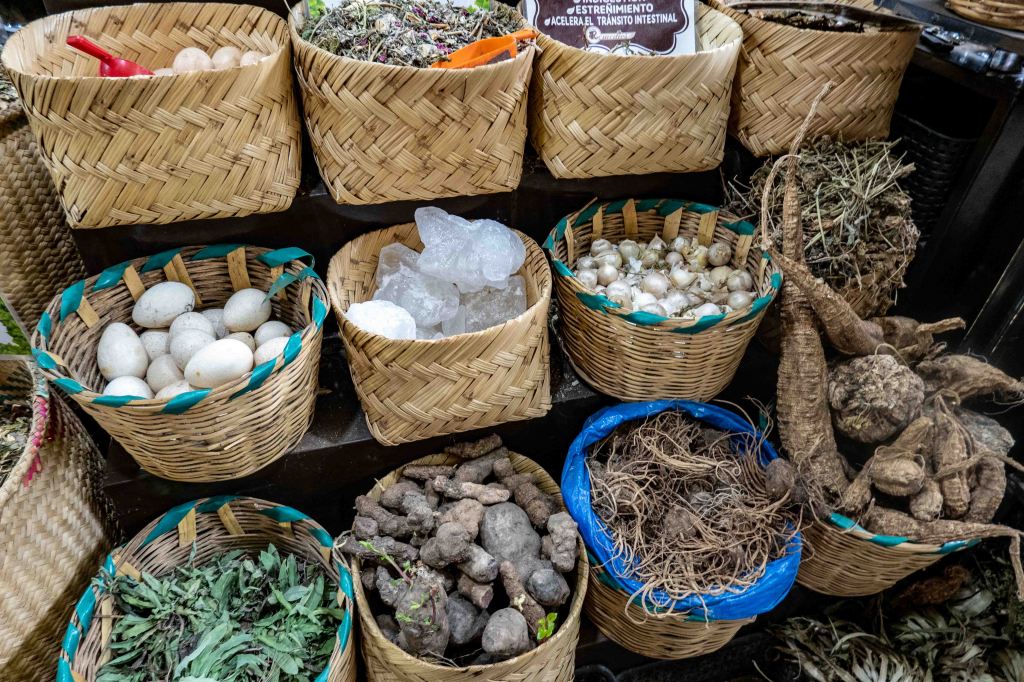
Other stores we found were for herbal/natural medicines, similar to what you would find in a Chinese market.
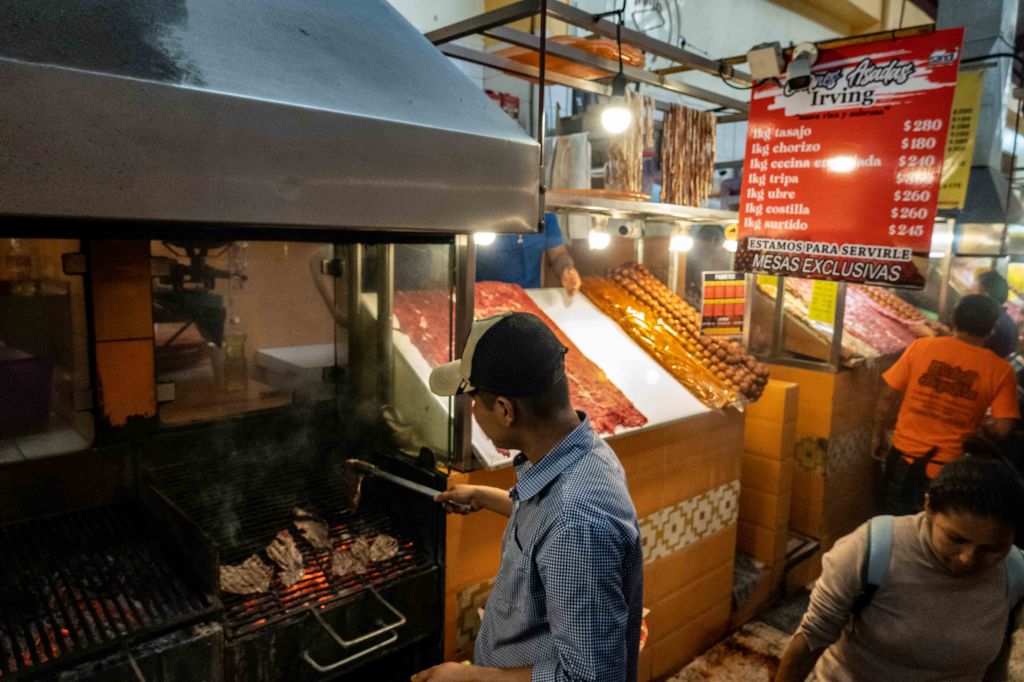
Across the street is another marker called “20 de Noviembre”. This market has a very famous corridor called the “Smoke Hall”.
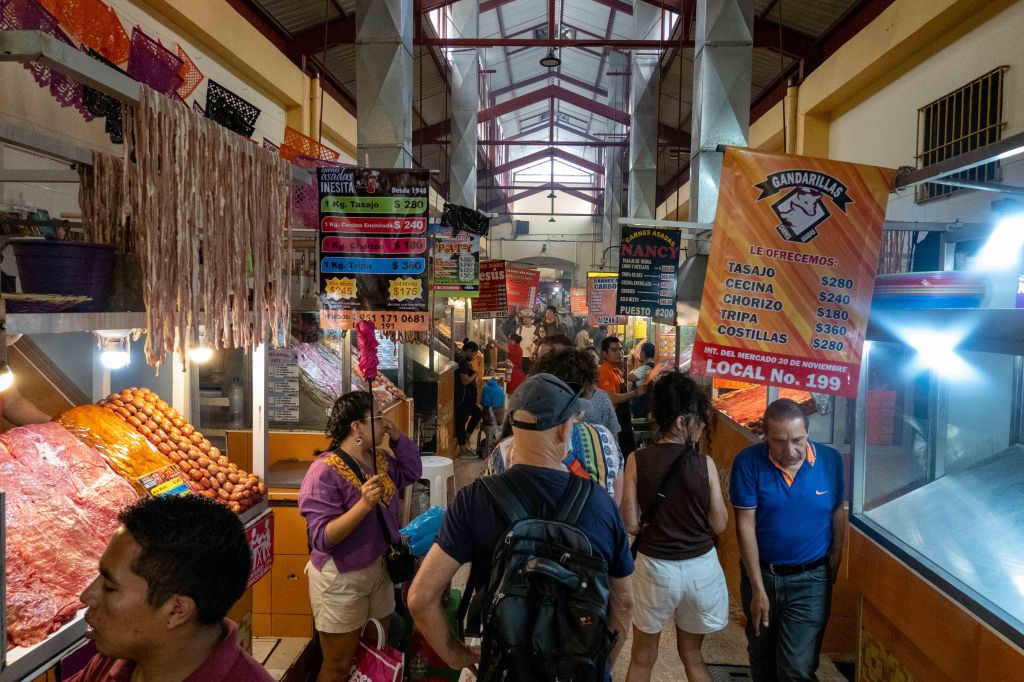
This hall houses several BBQ vendors that will grill the meats you buy there for you, then you can sit down next door and enjoy your fresh grilled meat for cheap.
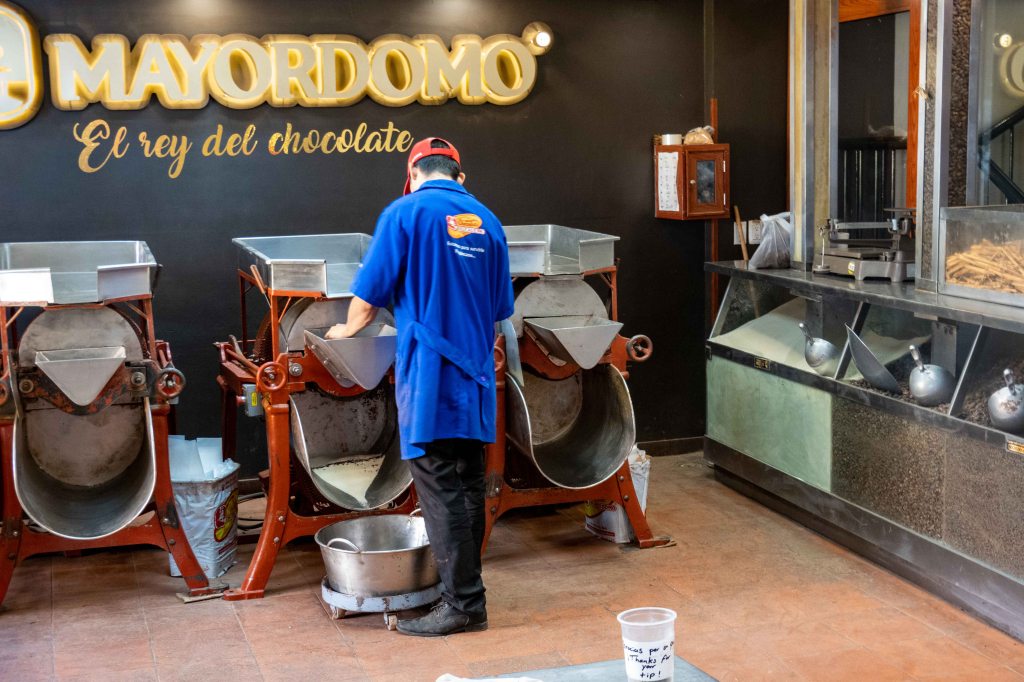
We continued our walk without any real destination. We found a place that can make your own chocolate from scratch from the ingredients that you choose. The minimum buy is a few pounds, so we did not go for it. Instead, we bought 1 very good small dark chocolate piece, which Ariela ate almost all of it.
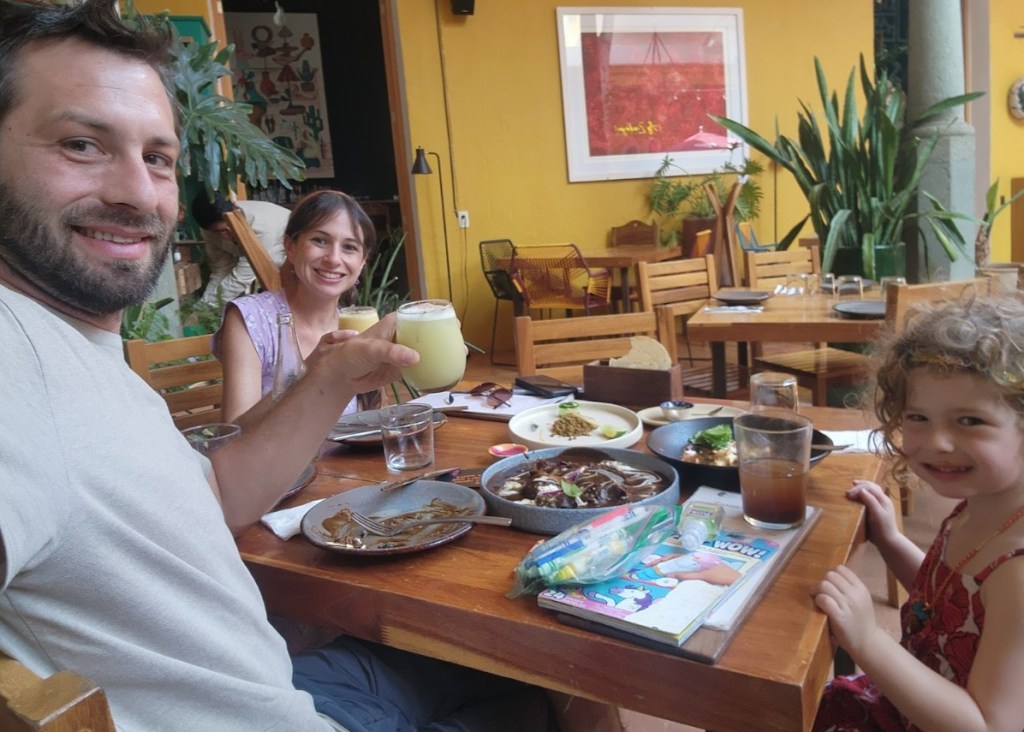
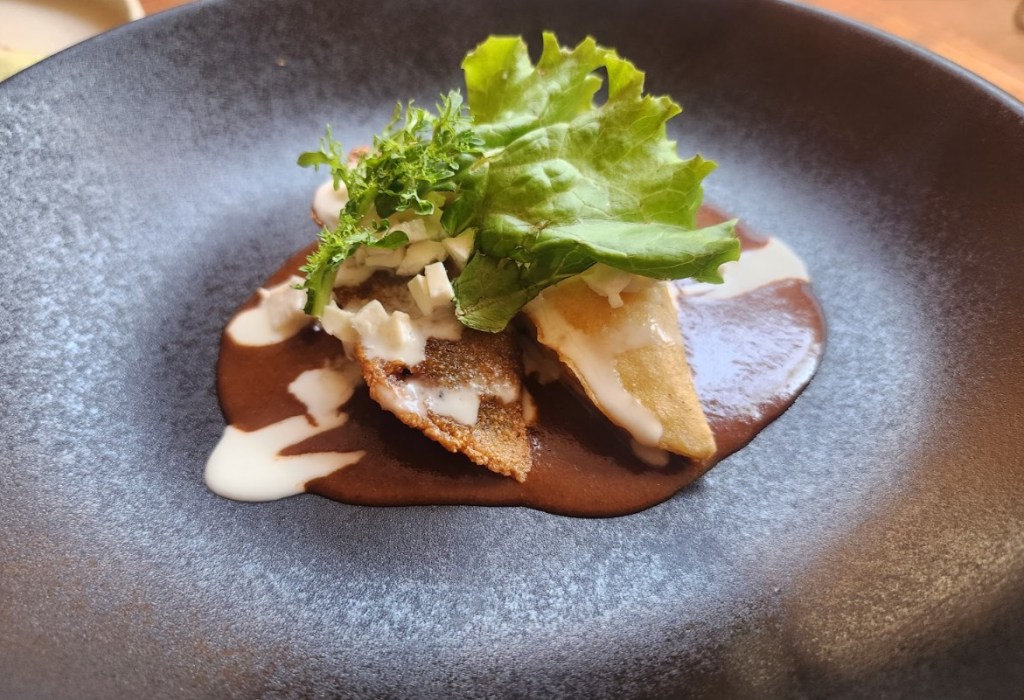
Walking around the city is very enjoyable with all the colors of the buildings. We went for lunch at a very nicely decorated and well-reviewed spot, but at this place the food was good but not ehmaaazing. The food was traditional from the Istmo de Tehuantepec, wich is a region in the south of the sate of Oaxaca.
We continued exploring the beautiful city.

Now its time to enjoy a few more photos of Oaxaca Centro with some fun facts:
Oaxaca has the largest indigenous population in Mexico, with 65.7% of the population identifying as indigenous.
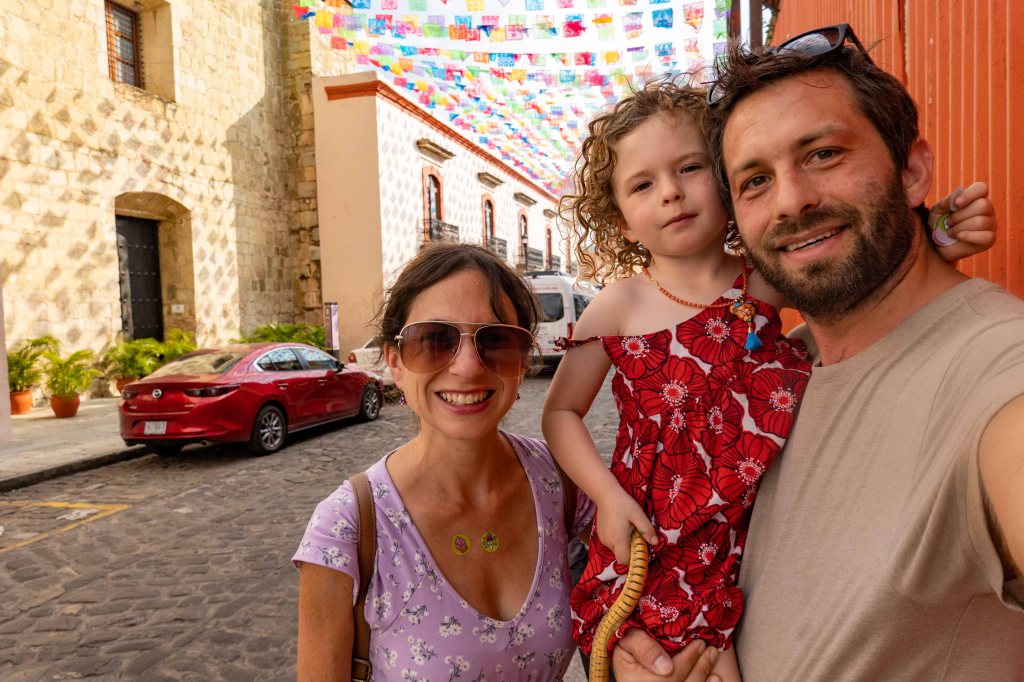
The Oaxaca valley has been inhabited since 11,000 B.C.
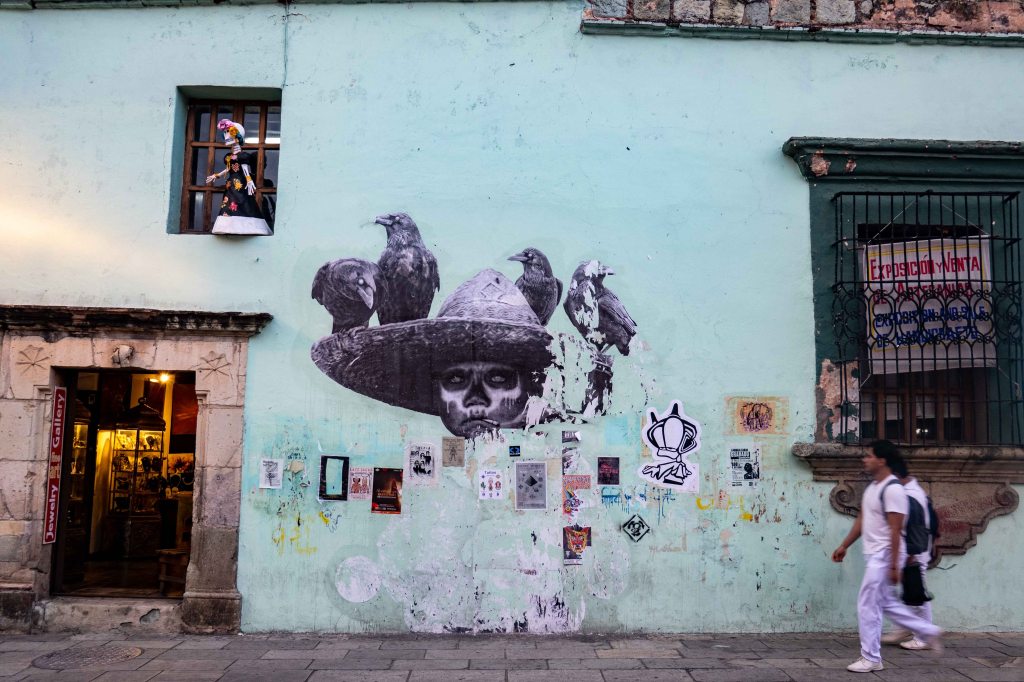
The Zapotec and Mixtec languages and traditions are the most dominant of the still intact indigenous cultures and chances are you’ll experience them firsthand during your visit, be it through the food, the handicrafts, the archaeological ruins, on signage or while you’re village hopping through the valley. The reason for so much diversity is due in large part to the rugged mountain terrain that left many of these groups to develop in relative isolation from one another.

Marigold flowers, or cempasúchil, are especially meaningful among Day of the Dead flowers. People believe that they guide spirits back to the living with their bright color and strong fragrance.
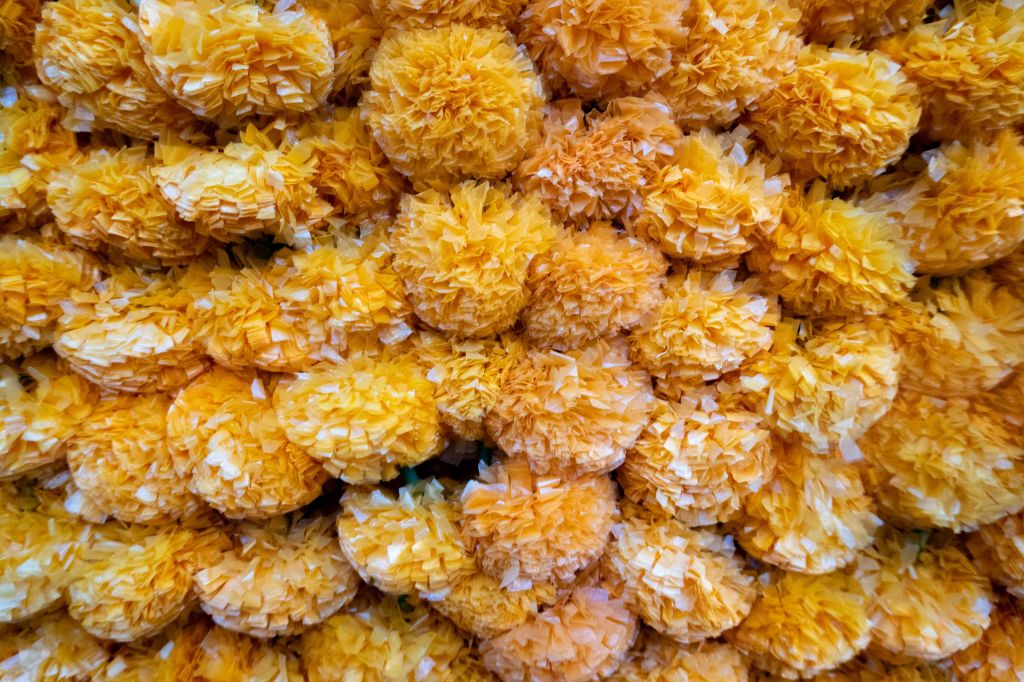
The temperate climate and rugged terrain of Oaxaca allowed the earliest civilizations to domesticate corn and squash for the first time. Oaxaca is considered to be the birthplace of corn and squash.

We started to get hungry, so we made our way to another recommended restaurant for dinner.


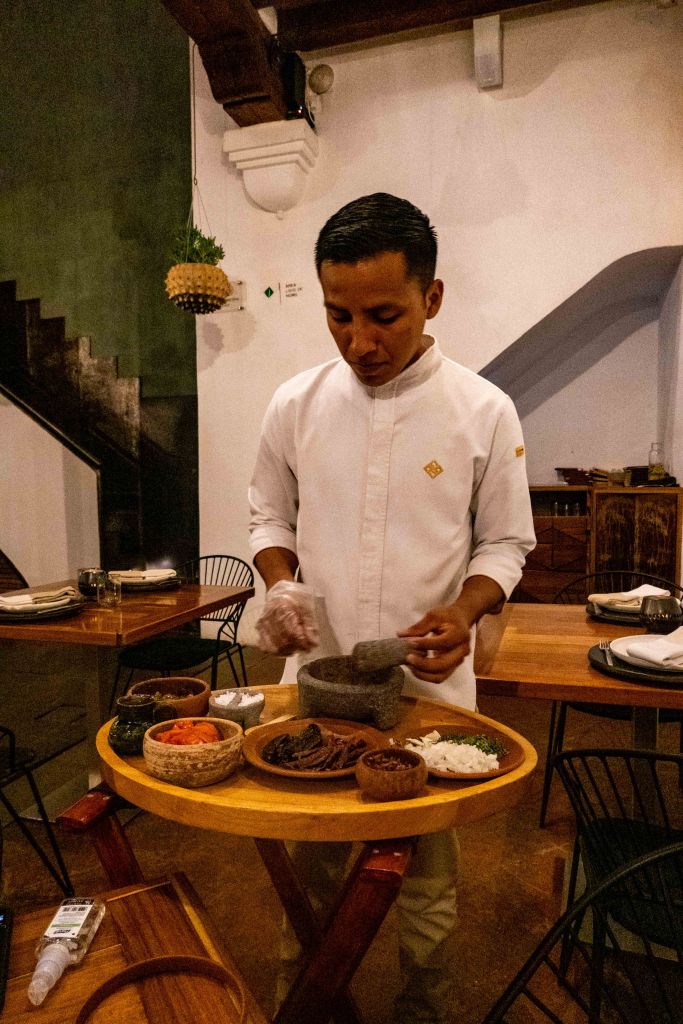
The restaurant had a great rooftop bar, but unfortunately, it was all booked for another week. Still, we were able to enjoy our dinner indoors with a salsa freshly made at our table! But for being one of the top restaurants, we were shocked when Eitan found mold on the parmesan cheese for Ariela’s pasta – fortunately he found it before Ariela ate any and they quickly brought Ariela a new pasta.
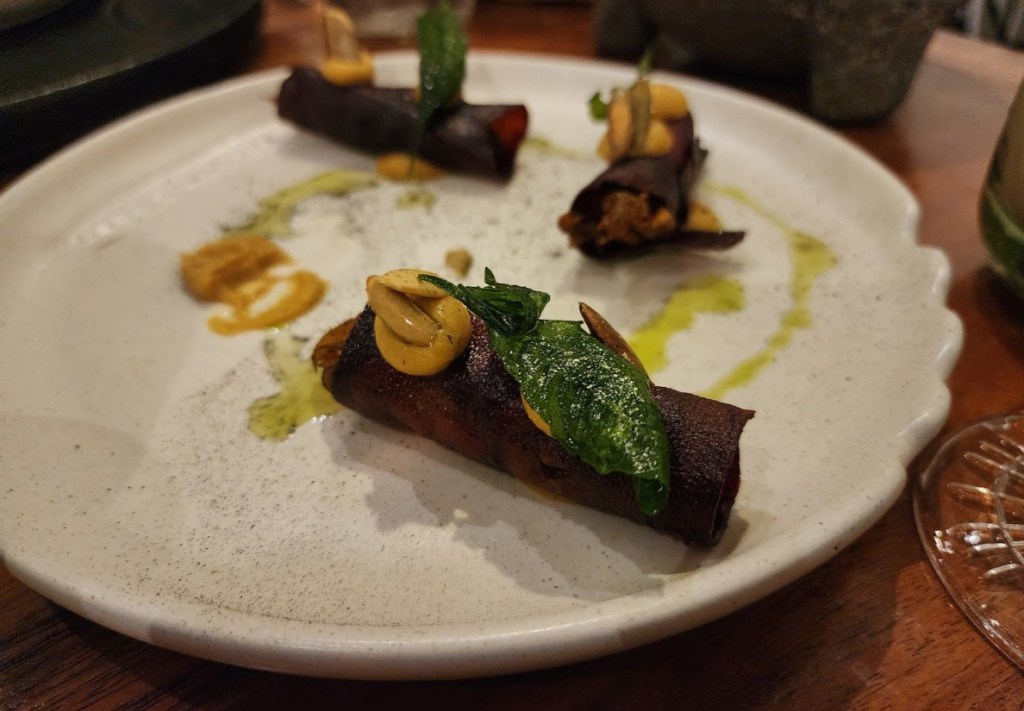
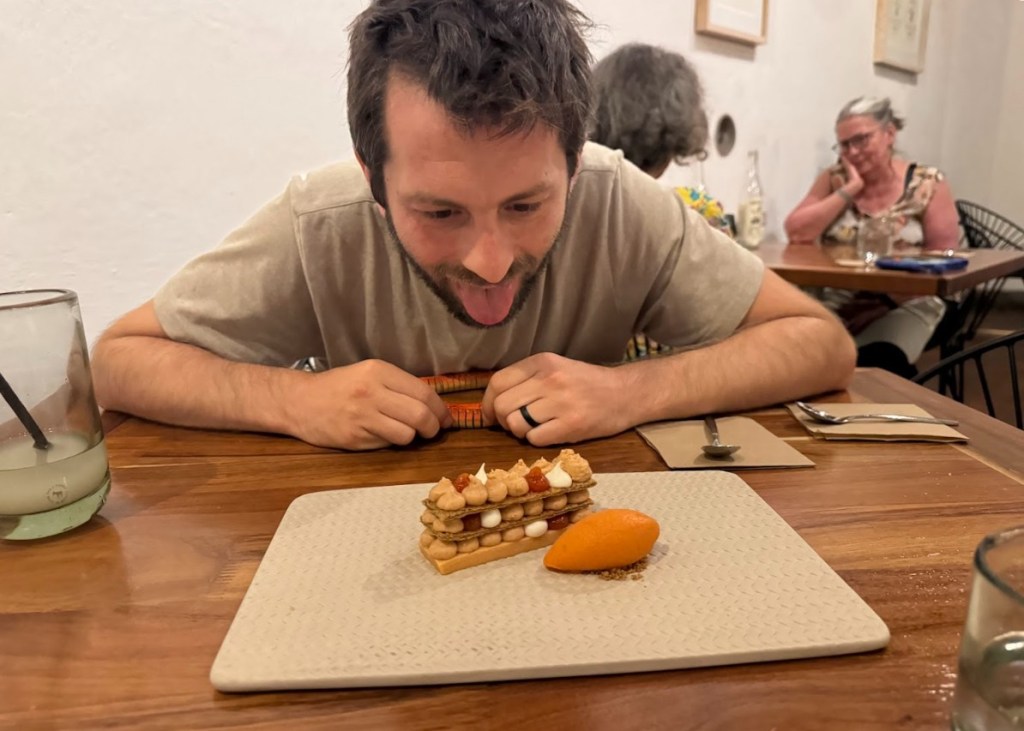
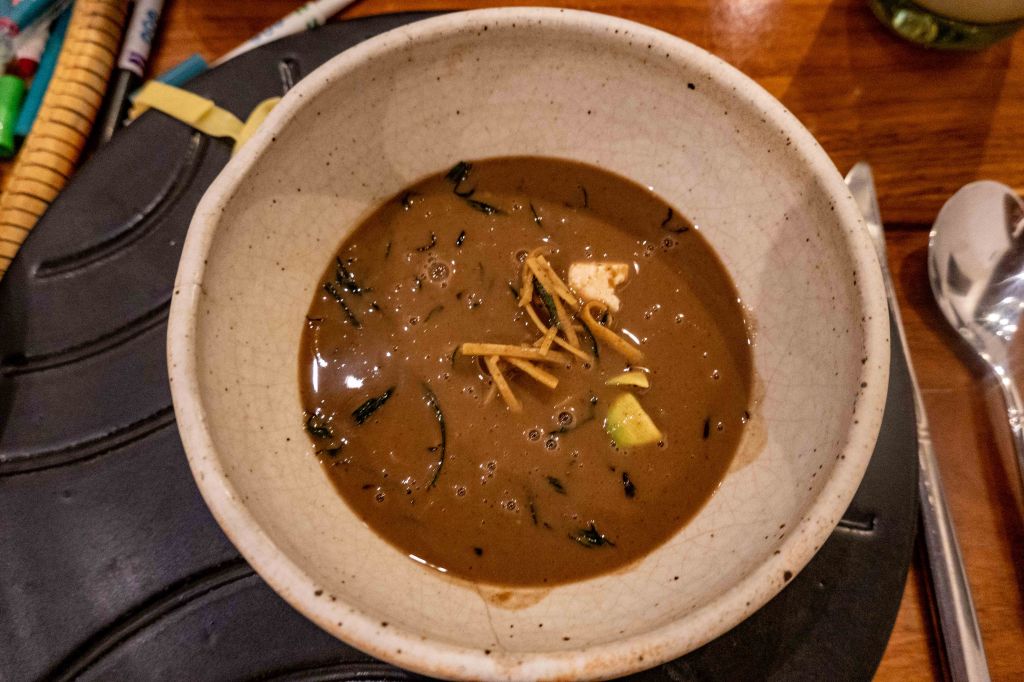
A great bean soup for Eitan, but the best part was the Mamey (local fruit) dessert that was very unique!
It was a great day despite knowing the results of the US presidential election. We were pretty sad about it, but this fantastic city helped us distract our mind and be happy and thankful that we can do these vacations.
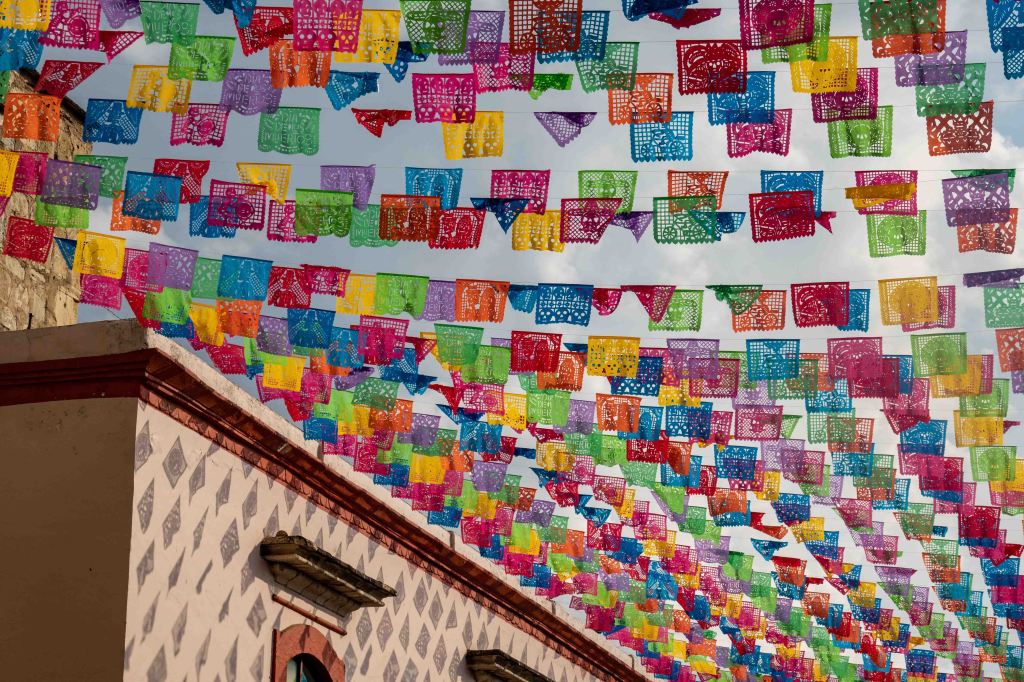
Bonus pic of the day: The colorful flags, or papel picado, used in the Day of the Dead celebration in Mexico symbolize the fragility of life and the joy of honoring the deceased. The colors and designs of the flags can also indicate who the altar is for. You will also see the flags as only decorations on the street without any significance.
Orange: The color of death in some Mesoamerican cultures
Purple: The funerary color in the Catholic tradition
Green: Represents a young person who died
Yellow: Represents an older person who died
White: Represents an adult who died
Blue: Represents someone who drowned
Red: Represents someone who died in combat or giving birth.


 WHERE IS NOODLE